





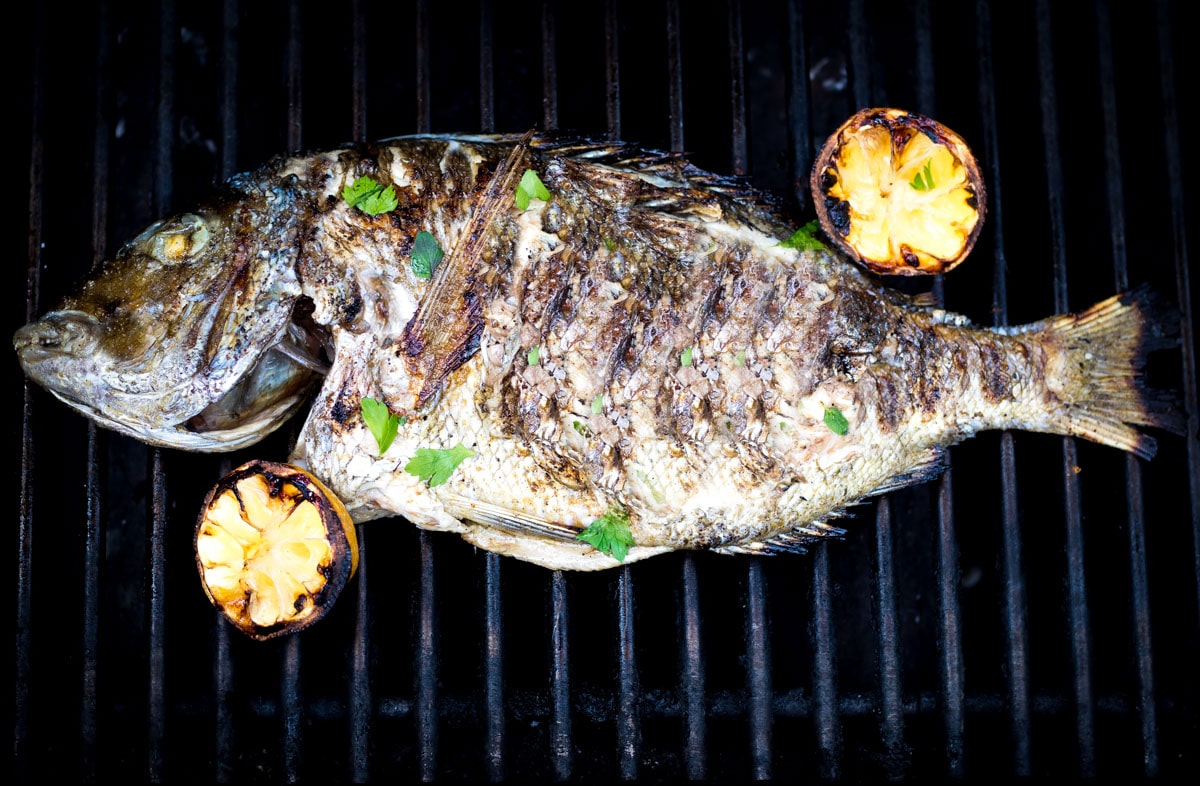

Grilling fish is an art. It’s not just about tossing a fillet on the hot grates and hoping for the best. The right preparation, technique, and tools can mean the difference between flaky, perfectly grilled fish and a painful mess that sticks to the grill and falls apart. So, how do you make sure your fish doesn’t stick to the grill? This guide is here to break it down in a fun, practical, and expert way, helping you elevate your grilling game to a whole new level.
1. Choosing the Right Fish
Not all fish are created equal when it comes to grilling. Some fish naturally have a firmer texture, making them better candidates for the grill, while others are more delicate and can fall apart easily.
Best Fish for Grilling:
- Salmon: With its thick, oily texture, salmon is one of the best fish to grill. The rich fats help it stay intact.
- Tuna: Similar to salmon, tuna is a meaty fish that holds up well on the grill.
- Swordfish: Its firm, steak-like texture makes swordfish a top contender for grilling.
- Snapper: This is another firm fish, and it’s often grilled whole, which helps prevent it from sticking.
Fish to Avoid:
- Flounder: This delicate fish can’t handle the heat of a grill and is prone to falling apart.
- Tilapia: While mild and tasty, tilapia has a fragile texture that can make grilling tricky.
The key takeaway is that thicker, firmer fish are your best bet for grilling. They are less likely to stick or disintegrate when exposed to direct heat.
2. Prepping Your Fish
Before you even think about placing fish on the grill, it’s important to prep it properly.

Clean Your Grill Grates
A clean grill is a happy grill. Any remnants of previous grilling sessions can cause your fish to stick. Start by preheating the grill, then using a wire brush to scrub away any leftover debris. This step ensures a clean surface for the fish to rest on, preventing it from sticking to any old bits of charred food.
Dry the Fish
Moisture is the enemy when grilling fish. Before you grill, make sure to pat your fish dry with paper towels. Excess moisture on the fish can cause it to steam rather than grill, and when steam is present, it’s much more likely to stick to the grates. By drying your fish thoroughly, you give it a better chance to sear and form that perfect crispy crust.
Oil Your Fish
Applying a thin layer of oil to the fish before grilling creates a barrier that helps prevent sticking. You can use olive oil, canola oil, or any other high-smoke-point oil. Don’t overdo it—just a light brush on both sides of the fillet is enough. It’s important to note that you should oil the fish, not the grill, to avoid excess smoke and potential flare-ups.
3. Preheating the Grill
A common mistake when grilling fish is not preheating the grill properly. For fish, the grill should be preheated to a medium-high heat, around 375–450°F (190–230°C). If you don’t preheat the grill enough, the fish will stick to the grates because the proteins haven’t yet had the chance to sear and form a crust.
Here’s a quick guide for grill types:
- Gas Grill: Preheat the grill for about 10-15 minutes on medium-high heat.
- Charcoal Grill: Allow the coals to burn down to a medium-high heat before placing the fish on the grates.
- Griddle or Grill Pan: Heat for 5-10 minutes on medium-high.
Preheating the grill not only helps the fish cook evenly, but it also gives it that beautiful sear and helps lock in moisture.
4. Using a Fish Basket or Grilling Plank
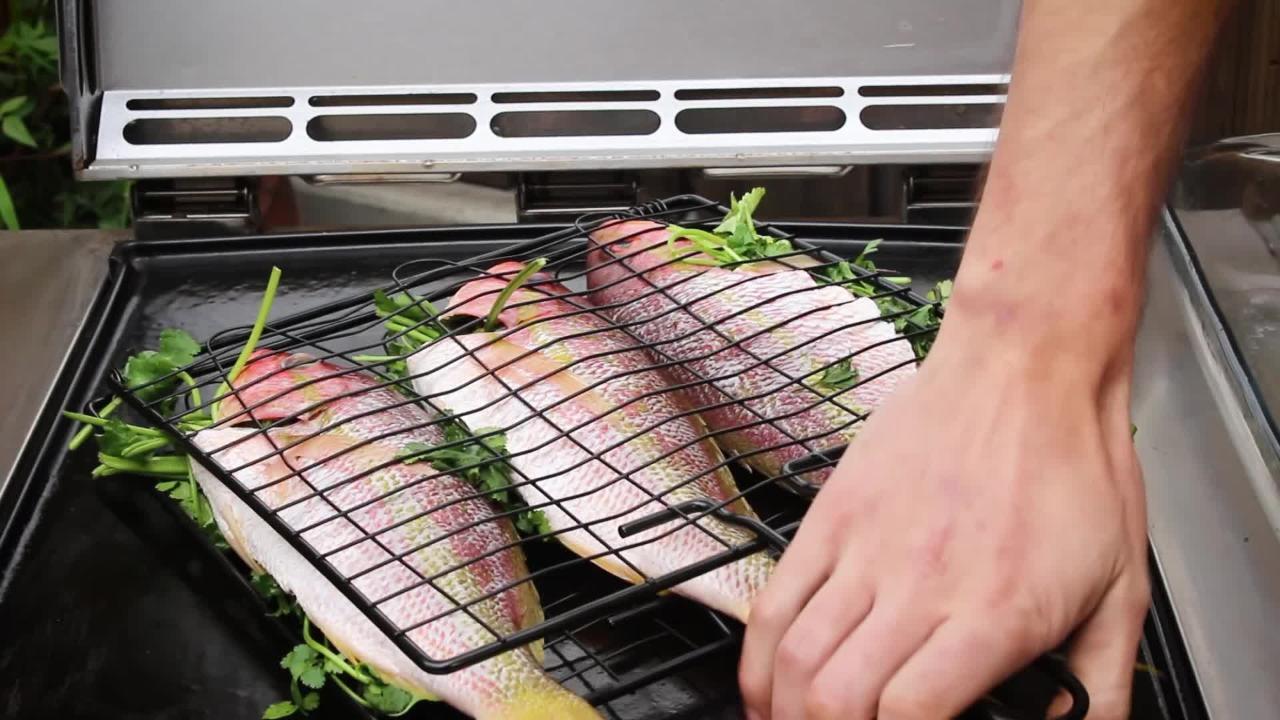
For extra protection against sticking and to help with easier flipping, consider using a fish grilling basket. These baskets are designed to securely hold your fish while allowing heat to circulate evenly. They also make flipping a breeze and reduce the risk of breaking the fish apart.
Alternatively, a grilling plank can be a game-changer. Cedar planks are especially popular because they infuse the fish with a smoky flavor. By grilling the fish on the plank, you create a barrier between the fish and the grates, significantly reducing the chances of sticking.
5. Proper Cooking Technique
Grilling fish requires a delicate touch. Overcooking or mishandling the fish can lead to it sticking to the grill. The key to successful grilling is patience and proper timing.
Don’t Flip Too Soon
Fish should only be flipped once, and only when it’s ready. If you try to flip it too early, it will stick and tear. The fish will naturally release itself from the grill once it has seared enough, so don’t force it. The trick is to wait until the edges of the fish begin to turn opaque and you can see the edges lifting slightly from the grill.
Use a Wide Spatula
A wide, flat spatula is your best tool for flipping delicate fish. This allows you to lift the fish evenly without causing it to break apart. When flipping, make sure to slide the spatula all the way underneath the fish, keeping it intact and minimizing the risk of sticking.
6. Grill the Fish Skin-Side Down (If Applicable)
Grilling fish with skin on provides an added layer of protection against sticking. The skin helps insulate the fish from the direct heat of the grill. Start grilling with the skin side down, and don’t flip it until the fish is cooked through. This allows the skin to crisp up, which not only tastes delicious but also keeps the fish from falling apart. If you’re grilling a fish without skin, be extra cautious as it can be more prone to sticking.
7. Temperature Control and Timing
Like any protein, fish has a sweet spot when it comes to temperature. Overcooking can cause the fish to dry out, become rubbery, and stick to the grill. Use an instant-read thermometer to check the internal temperature of your fish. The USDA recommends an internal temperature of 145°F (63°C) for fish.
Here are some general grilling times depending on the thickness of your fish:
- Thin fillets (about ½ inch thick): 3-4 minutes per side.
- Thicker fillets (about 1 inch thick): 4-6 minutes per side.
- Whole fish: 8-10 minutes per side, depending on size.
Make sure to keep an eye on the fish and avoid the temptation to overcook it.
8. Resting Your Fish
Once your fish is off the grill, let it rest for a few minutes before serving. This allows the juices to redistribute within the flesh and ensures a moist, flavorful bite. If you cut into the fish too soon, all the juices will escape, leaving you with dry meat. A short resting period goes a long way in preserving the texture and moisture of your fish.
Conclusion
Grilling fish without it sticking to the grill can be a challenge, but with the right techniques, it’s entirely achievable. By selecting the right fish, prepping it properly, and using the right tools, you can master the art of grilling fish and avoid the dreaded grill stick. From the preparation phase to the final resting stage, every step matters. So, fire up your grill, follow these expert tips, and enjoy perfectly grilled fish every time!