






Food trends arrive with the force of a summer storm. One week, everyone is fermenting cabbage in mason jars; the next, they’re shaving ice into mountains of pastel dessert. A drink appears on your screen at breakfast and is sold out by lunch. A dish you’ve never heard of becomes a personality trait by dinner. The question isn’t whether food trends exist—they always have—but why they grip us so tightly now. Why do we chase them, photograph them, debate them, and sometimes mock them, all while secretly wanting the next one to land?
This essay explores the psychology, economics, culture, and technology behind our obsession with food trends. We’ll look at how trends are born, why they spread so fast, what they say about identity and belonging, how they affect health and sustainability, and whether this obsession is shallow spectacle or a meaningful form of cultural expression. Along the way, we’ll discover that food trends are less about what’s on the plate and more about who we are, what we value, and how we want to be seen.
The Ancient Roots of a Modern Frenzy
Food trends feel modern because they move at digital speed, but the impulse behind them is ancient. Humans have always used food to signal status, values, and group membership. In ancient Rome, extravagant banquets displayed wealth and power. In imperial China, rare ingredients conveyed refinement and rank. Spices once reshaped global trade routes because flavor was not just taste—it was prestige.
What’s different today is not the existence of trends, but their velocity and visibility. The same forces that once took decades—migration, trade, storytelling—now take minutes. A dish can leap continents without crossing a border. A recipe can be reproduced millions of times without a single pot being shared. Trends used to simmer; now they flash-boil.
The Brain on Novelty: Why New Tastes Hook Us
At the core of our obsession lies the human brain’s love affair with novelty. New experiences trigger dopamine, the neurotransmitter associated with motivation and reward. Food trends promise novelty without the risk of the unknown. You’re not eating something random; you’re eating something socially approved, curated, and validated.
Food is also uniquely powerful because it engages multiple senses at once. Sight, smell, taste, texture, even sound—the crunch of a crust, the fizz of a drink—combine into a rich sensory event. When a trend emphasizes these sensations, it becomes irresistible. Think of foods designed to stretch, drip, sparkle, or crack. They don’t just taste good; they perform.
Identity on a Plate
We eat to live, but we also eat to say something. Food trends offer a vocabulary for identity. Choosing a trend is choosing a story about yourself.
- The adventurous eater hunts obscure regional dishes and “authentic” techniques.
- The health-conscious consumer follows trends that promise balance, longevity, or optimization.
- The ethical eater aligns with sustainability, plant-forward diets, and transparent sourcing.
- The nostalgic soul embraces comfort foods with a twist, reimagining childhood flavors.
Posting a trending dish is a form of self-branding. It says, “I’m curious,” or “I care,” or “I’m in the know.” In a crowded digital space, food becomes a shorthand for values that would otherwise take paragraphs to explain.
Social Media: The Accelerator Engine
If obsession had a headquarters, it would have a camera lens and a scroll bar. Social media didn’t invent food trends, but it perfected their spread.
Visual Virality
Food that photographs well travels far. High contrast, unusual colors, dramatic textures, and clear transformations (before-and-after shots, melts, pours, reveals) are algorithm-friendly. The camera has become a silent co-chef, shaping recipes as much as flavor does.
Replicability
The most powerful trends are easy to imitate. A home kitchen, a short ingredient list, and a simple technique allow millions to participate. When complexity is required, it’s often masked by clever editing or shortcuts, giving viewers the confidence to try.
Parasocial Trust
Creators act as guides. When someone you “know” online eats something with delight, your skepticism softens. Trust transfers from person to plate.
The Loop
Platforms reward engagement, not longevity. This creates a loop where novelty is constantly required. Trends rise, peak, and fade quickly—not because they’re bad, but because attention has moved on.

The Economics of Hype
Food trends are not just cultural phenomena; they’re economic engines. Entire industries pivot around them.
Restaurants and Risk
For restaurants, trends are both opportunity and danger. Embracing a trend can mean packed tables and free publicity. But trends expire. Menus built entirely on hype risk becoming obsolete overnight. The smartest operators translate trends into techniques or flavors that can be integrated long-term.
Retail and Productization
Once a trend proves popular, it gets packaged. Sauces, powders, kits, and ready-to-eat versions appear on shelves. What started as a niche practice becomes a mass-market product, often stripped of context but rich in convenience.
The Creator Economy
Recipes, videos, and reviews generate income through ads, sponsorships, and brand deals. In this ecosystem, trends are currency. Being early matters. Being visible matters more.
The Comfort of Collective Experience
In an increasingly fragmented world, food trends offer shared experience. When millions cook the same dish or debate the same ingredient, a temporary sense of togetherness emerges. You might be alone in your kitchen, but you’re part of a larger moment.
This collective aspect became especially visible during periods of isolation, when cooking trends filled social gaps. Making the same bread, the same coffee, the same nostalgic snack created connection without proximity. Food became a quiet form of solidarity.
Health, Hope, and the Search for Control
Many food trends promise more than pleasure. They promise solutions: better digestion, clearer skin, sharper focus, longer life. In uncertain times, controlling what we eat feels like controlling something.
The appeal is understandable. Food is intimate. We consume it daily. When a trend claims to optimize the body, it offers hope in a tangible form. But this is also where caution is needed. Not every trend is grounded in balance, and the language of “miracle” and “detox” can oversimplify complex biology.
A healthier way to view these trends is as experiments, not doctrines. They can inspire curiosity and variety without becoming rigid rules.
Tradition vs. Trend: A False Opposition
Trends are often accused of disrespecting tradition. But this opposition is misleading. Many trends are rediscoveries rather than inventions. Techniques labeled as “new” often have deep roots in regional or ancestral cuisines.
What changes is context. When a traditional method enters the global spotlight, it adapts. Ingredients shift. Presentation evolves. The result is not erasure, but translation. Of course, this process raises questions about credit and representation, but it also keeps culinary knowledge alive and dynamic.
The Aesthetics of Eating
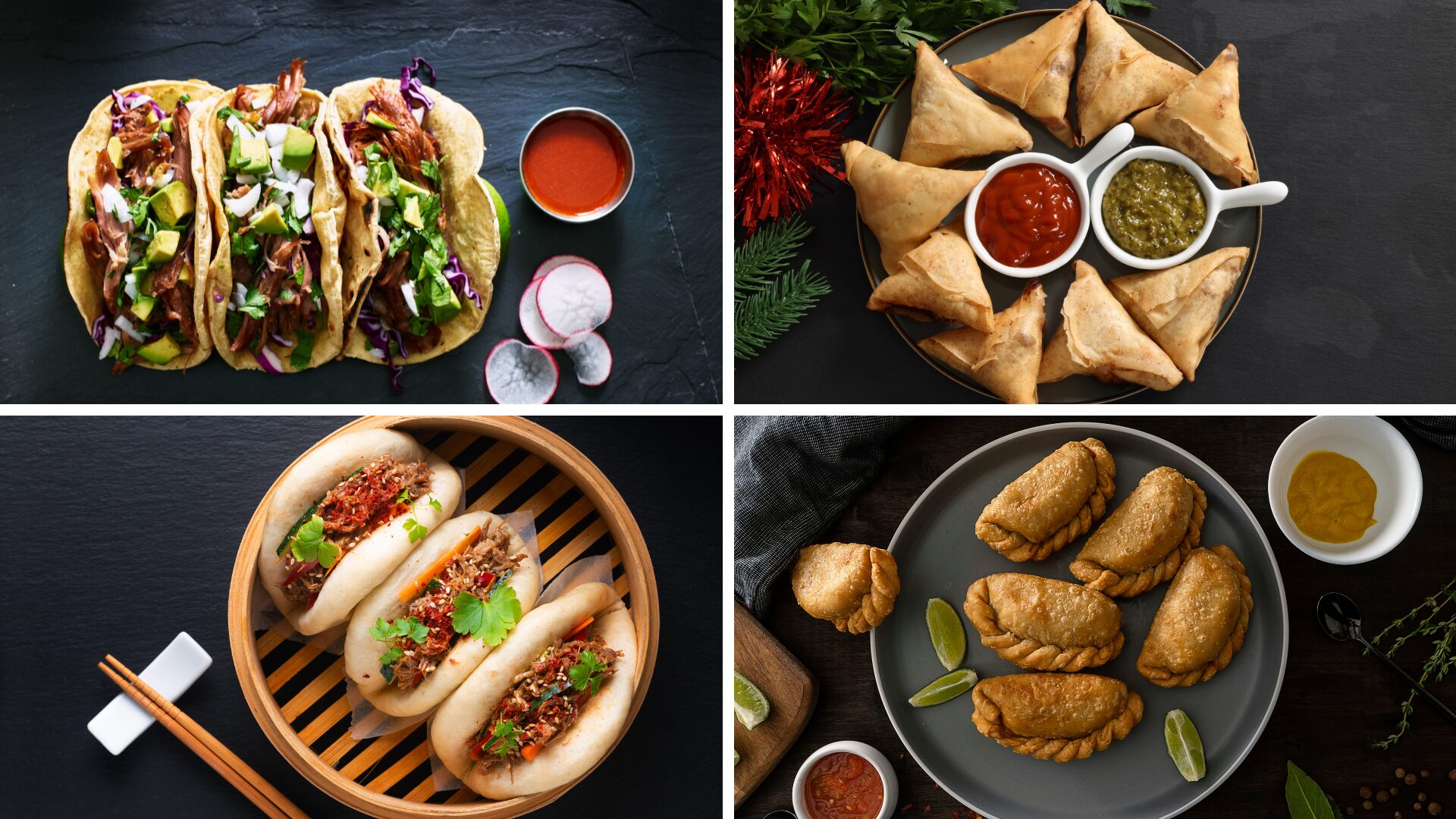
We don’t just eat with our eyes; we eat for our eyes. Aesthetic pleasure has become central to food culture. Clean lines, natural light, intentional messiness, minimal props—these visual codes signal authenticity and care.
This aestheticization isn’t shallow by default. Beauty invites attention. Attention invites appreciation. When done thoughtfully, visual focus can lead to deeper interest in ingredients, techniques, and origins. The challenge is to ensure that appearance enhances rather than replaces substance.
Trend Fatigue and the Desire for Meaning
As trends multiply, fatigue sets in. Not every new dish feels exciting. Some feel engineered, hollow, or repetitive. This fatigue is not a rejection of trends, but a sign that people want more than novelty.
In response, we see counter-trends:
- A return to simplicity.
- Emphasis on seasonality.
- Focus on local sourcing.
- Longer narratives around craft and care.
These movements suggest that our obsession is maturing. We’re learning to ask better questions: Where does this come from? Who made it? Why does it matter?
The Environmental Lens
Food trends now carry environmental weight. Ingredients once considered niche can face sudden overconsumption. Packaging waste, transportation emissions, and monoculture farming become part of the conversation.
At the same time, trends can drive positive change. Plant-forward eating, nose-to-tail cooking, and regenerative practices gain momentum through trend dynamics. When sustainability becomes desirable, it spreads faster.
The key is responsibility: celebrating innovation while considering impact.
Food Trends as Cultural Mirrors
Every era’s food trends reflect its anxieties and aspirations. In times of abundance, indulgence dominates. In times of stress, comfort rises. In times of change, experimentation flourishes.
Our current obsession reveals a world hungry for connection, creativity, and control. We want to feel special but not alone. We want to explore without getting lost. Food trends offer a low-risk stage for these desires to play out.
Are Food Trends Trivial?
It’s easy to dismiss food trends as frivolous. But doing so ignores their role as cultural signals. They influence agriculture, labor, media, and identity. They spark conversations across borders. They teach skills, even if briefly. They bring joy, even if temporarily.
Trends are not meant to last forever. They are sparks, not hearths. Their value lies in motion, not permanence.
How to Engage Without Losing Yourself
Obsession becomes unhealthy when it replaces intuition. A mindful approach to food trends includes:
- Curiosity without pressure.
- Enjoyment without comparison.
- Experimentation without guilt.
- Appreciation without worship.
You don’t have to try everything. You don’t have to post anything. Trends are invitations, not obligations.
The Future of Food Trends
Looking ahead, food trends will likely become more layered. Technology will continue to shape creation and distribution, but meaning will matter more. Transparency, storytelling, and ethics will influence what catches on.
We may see fewer single-item crazes and more thematic movements: resilience, biodiversity, community. The obsession won’t disappear—but it may deepen.
Conclusion: More Than a Meal
So why are we so obsessed with food trends? Because they feed more than hunger. They feed curiosity, identity, belonging, and hope. They give us something to talk about, try out, and make our own. In a world that moves fast and feels uncertain, food trends offer a moment of shared excitement—a reminder that even small, edible things can bring people together.
The next time a new dish floods your feed, pause before rolling your eyes or rushing to the store. Ask what it represents. Chances are, it’s not just about flavor. It’s about us.