





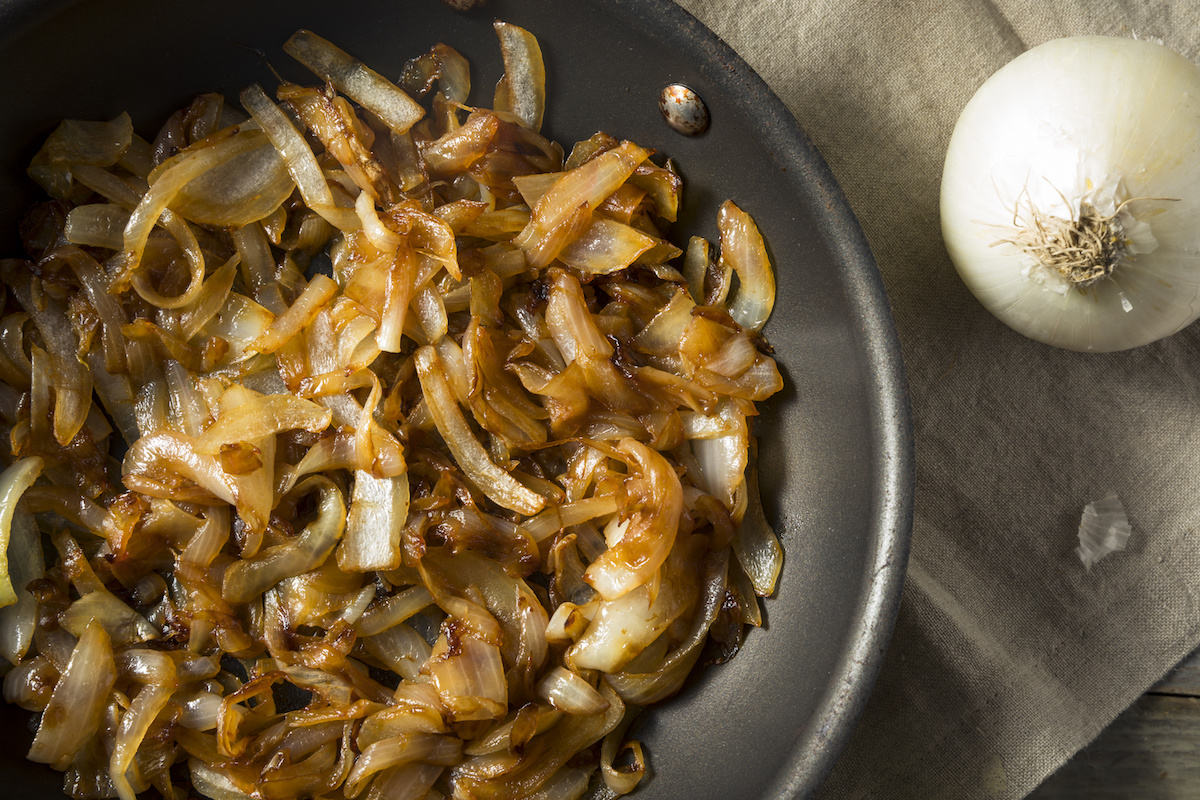

Caramelized onions are a magical ingredient that can transform any dish from ordinary to extraordinary. Their sweet, deep, and savory flavor profile is perfect for everything from burgers and pizzas to soups, stews, and even elegant side dishes. However, achieving perfectly caramelized onions without burning them is a skill that seems deceptively simple but can challenge even seasoned cooks. In this guide, we will explore the art and science behind caramelizing onions, share professional techniques, discuss common pitfalls, and provide expert tips for consistent, mouthwatering results.
Understanding the Science of Caramelization
Before we dive into techniques, it’s important to understand what actually happens when onions caramelize. Onions are composed primarily of water, natural sugars, and a variety of sulfur-containing compounds that give them their pungent aroma. When heat is applied, several processes occur simultaneously:
- Maillard Reaction: This is a chemical reaction between amino acids and reducing sugars. It is responsible for the brown color and complex flavor that develops during caramelization.
- Sugar Caramelization: Onions naturally contain sugars, and as these sugars heat up, they break down and transform into a rich, sweet, and nutty flavor.
- Moisture Evaporation: The water content in onions must slowly evaporate to allow the sugars to concentrate and brown evenly without burning.
The key takeaway is that caramelization is a slow, controlled cooking process. Rushing it often leads to uneven cooking or burnt onions, which can taste bitter rather than sweet.
Choosing the Right Onions
Not all onions are created equal when it comes to caramelization. There are several varieties to consider:
- Yellow Onions: The most commonly used for caramelizing. They have a perfect balance of sweetness and pungency.
- White Onions: Slightly sharper in flavor but still suitable for caramelization.
- Red Onions: Sweet and colorful, they produce a beautiful deep purple hue when caramelized, which can add visual appeal to dishes.
- Sweet Onions (Vidalia, Walla Walla): Naturally higher in sugar, making caramelization faster and more intensely sweet.
For beginners, yellow onions are the safest choice, offering consistent results and a well-rounded flavor.
Knife Skills Matter
How you cut your onions affects both the cooking time and the texture. The ideal cut for caramelization is uniform slices about ⅛ to ¼ inch thick. Thinner slices cook faster but can easily burn if not watched, while thicker slices take longer but give a more robust, tender bite. Always aim for consistent size to ensure even cooking.
- Tip: For a more rustic look, you can cut onions into rings, but remember they will separate and cook differently, requiring extra attention.
Selecting the Perfect Pan
The type of pan you use is critical to achieving perfect caramelization. Options include:
- Stainless Steel Pans: Great for even browning. They allow fond (the flavorful bits that stick to the pan) to develop, which can be deglazed later to enhance flavor.
- Non-Stick Pans: Easier for beginners since onions are less likely to stick and burn. However, they may not develop as rich a flavor as stainless steel.
- Cast Iron Skillets: Excellent for heat retention and consistent browning, but require careful monitoring to avoid hotspots that can burn onions.
A wide, shallow pan is ideal because it provides a larger surface area, allowing moisture to evaporate more evenly.
The Right Fat: Butter, Oil, or Both?
The choice of cooking fat affects both flavor and the caramelization process:
- Butter: Adds a rich, nutty flavor. Use with care as milk solids can burn at high heat.
- Olive Oil: Offers a slightly neutral flavor and higher smoke point than butter. Great for long, slow cooking.
- Combination: Many chefs prefer a mix of butter and oil to balance flavor and cooking stability.
A general rule is to use about 1–2 tablespoons of fat per medium onion. Too little fat can cause sticking and uneven cooking, while too much can make the onions greasy.

Step-by-Step Guide to Caramelize Onions Without Burning
Step 1: Heat the Pan Gradually
Start with a medium to medium-low heat. Preheat your pan before adding fat. Avoid high heat; onions cooked too quickly burn on the edges while remaining raw inside.
Step 2: Add Onions and a Pinch of Salt
The salt helps draw out moisture from the onions, allowing them to soften more evenly. Stir the onions to coat them in fat and spread them evenly across the pan.
Step 3: Slow and Steady Cooking
Patience is key. Stir the onions every few minutes to ensure even cooking. The process typically takes 30–60 minutes, depending on the volume and thickness of the onions. Avoid the temptation to rush the process with high heat.
Step 4: Deglaze for Extra Flavor
As onions cook, they release fond, which sticks to the pan. Deglazing with a splash of water, broth, wine, or balsamic vinegar helps lift these flavorful bits and enhances sweetness. Add small amounts at a time, stirring gently.
Step 5: Adjusting for Color and Texture
- For golden caramelized onions, cook on medium-low heat until they turn deep golden and slightly translucent.
- For deeply brown, almost jam-like onions, extend cooking time, stirring frequently to avoid sticking.
Step 6: Taste and Finish
Taste frequently to avoid over-sweetness or bitterness. If desired, finish with a small pinch of sugar or a splash of balsamic vinegar to enhance depth of flavor.

Common Mistakes and How to Avoid Them
- High Heat: This is the fastest route to burnt onions. Stick to low and slow.
- Overcrowding the Pan: Too many onions trap moisture and steam rather than brown.
- Skipping Fat: Fat is essential for flavor and prevents sticking.
- Neglecting to Stir: Occasional stirring prevents uneven browning.
- Rushing the Process: True caramelization takes time. Plan ahead.
Advanced Techniques for Maximum Flavor
- Layering Flavors: Add garlic, shallots, or herbs midway to create complex flavor profiles.
- Slow Oven Caramelization: Spread onions on a baking sheet with oil and bake at 300°F (150°C) for 40–50 minutes, stirring occasionally.
- Microwave Precooking: Briefly soften onions in a microwave before finishing in a pan to reduce cooking time.
Using Caramelized Onions in Culinary Creations
Caramelized onions are incredibly versatile:
- Burgers and Sandwiches: Adds sweet and savory depth.
- Pizzas and Flatbreads: Enhances umami and balances acidity.
- Soups: Essential for French onion soup.
- Tarts and Quiches: Adds richness to egg-based dishes.
- Pasta and Risotto: Provides natural sweetness and umami depth.
- Condiments: Blend into onion jam or chutney for spreads.
Storage and Reheating
Caramelized onions can be made in advance:
- Refrigeration: Store in an airtight container for up to a week.
- Freezing: Freeze in small portions for up to three months. Thaw and gently reheat in a pan.
Pro tip: Avoid microwaving directly from frozen; slow reheating preserves texture and flavor.
Flavor Boosters for Expert-Level Caramelization
- Balsamic Vinegar: Adds tangy sweetness.
- Brown Sugar or Honey: Enhances caramel notes but optional for purists.
- Herbs: Thyme, rosemary, or bay leaves infuse subtle aroma.
- Alcohol: White wine, sherry, or brandy can deglaze and enrich flavor.
Troubleshooting Burnt or Bitter Onions
- Too Dark, Too Bitter: Scrape off burnt bits and add a splash of water to salvage remaining onions.
- Under-Cooked and Watery: Continue cooking slowly, stirring frequently. Avoid turning up the heat to compensate.
- Uneven Browning: Ensure slices are uniform and the pan is not overcrowded.
Conclusion: Mastery Takes Patience
Caramelizing onions is an art and a science. The key is patience, attention to detail, and understanding the chemical processes at play. By selecting the right onions, cutting them consistently, using proper fat, and cooking low and slow while occasionally stirring and deglazing, you can achieve perfectly sweet, deeply flavorful onions every time. Whether used as a simple topping or as a base for complex dishes, mastering caramelized onions will elevate your cooking from good to gourmet.
With these techniques and tips, caramelizing onions without burning them becomes less of a guessing game and more of a reliable culinary skill. The process may take time, but the reward is undeniable: onions transformed into golden, sweet, savory jewels that enhance any meal.