






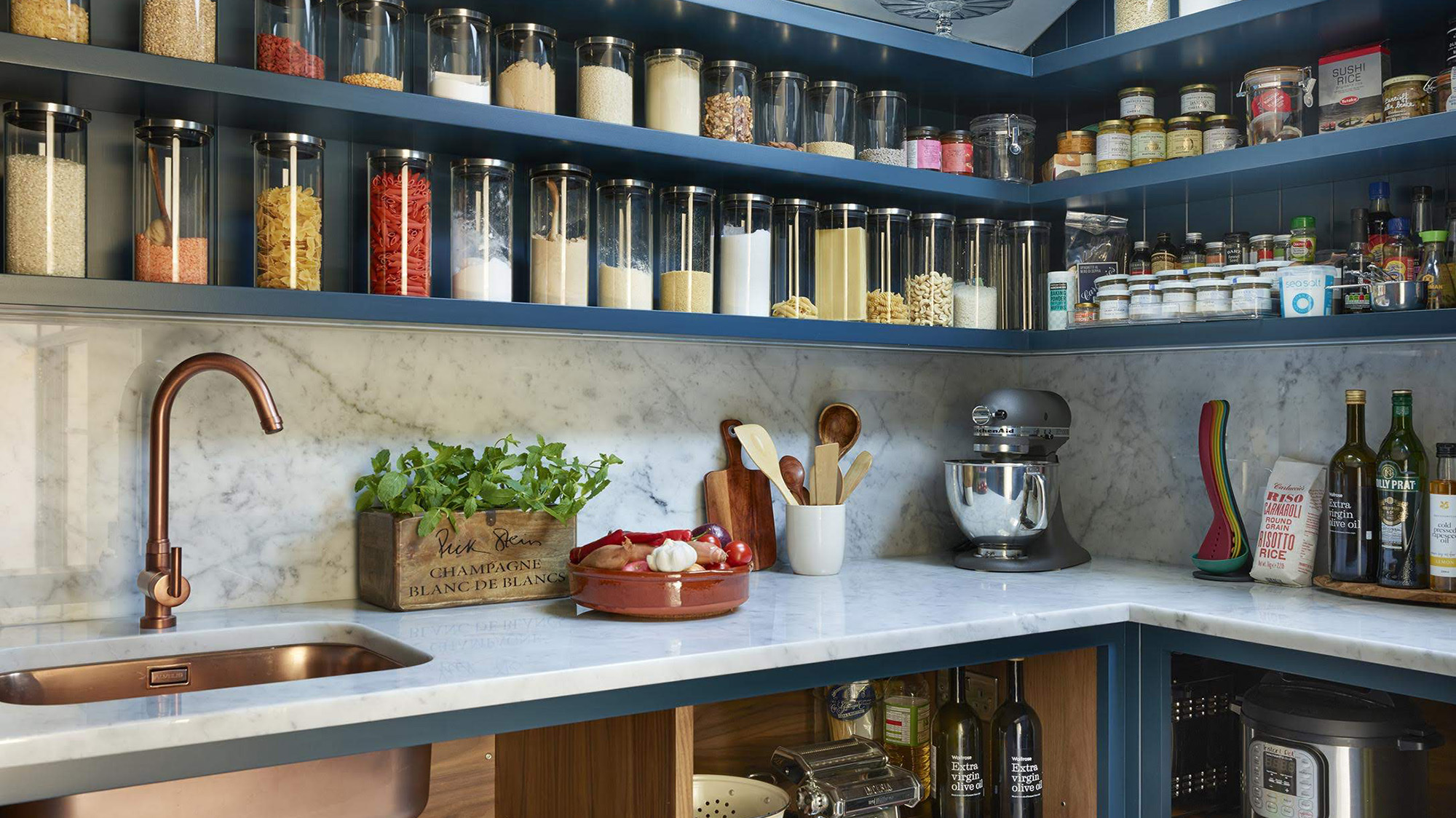
Open your pantry door and take a long look. Cans stacked like quiet soldiers, bags of grains folded at the corners, spices half-forgotten in the back, a bottle of oil that has seen better days. At first glance, it may feel like a graveyard of culinary intentions. No fresh vegetables. No meat. No fragrant herbs clipped moments ago. Just shelf-stable survivors.
And yet, a bold question hangs in the air: can you really create a satisfying, nourishing, genuinely enjoyable meal using only pantry staples?
The short answer is yes.
The long answer—and the far more interesting one—is that pantry-only cooking is not a compromise. It is a skill, a mindset, and in many ways, a return to the fundamentals of how people have cooked for centuries.
This article explores pantry-staple cooking in depth: what counts as a staple, why these ingredients matter, how flavor is built without fresh components, and how technique often outweighs novelty. Along the way, we will dismantle the myth that good food requires constant access to fresh, expensive, or exotic ingredients. Instead, we will discover that creativity thrives precisely when limitations are clear.
1. What Exactly Counts as a Pantry Staple?
Before answering whether a meal can be made from pantry staples, we must define the term clearly. “Pantry staple” does not mean “boring,” nor does it mean “emergency-only.” It refers to ingredients that are:
- Shelf-stable for weeks, months, or years
- Commonly found in home kitchens
- Versatile across cuisines
- Foundational rather than decorative
Core Categories of Pantry Staples
Most pantries, regardless of culture or geography, share a similar structure:
1. Grains and Starches
Rice, pasta, oats, flour, cornmeal, couscous, noodles, dried bread crumbs.
2. Legumes and Proteins
Dried beans, lentils, chickpeas, split peas, canned beans, canned fish, nut butters.
3. Fats and Oils
Vegetable oil, olive oil, coconut oil, butter or ghee (often shelf-stable in some climates).
4. Flavor Builders
Salt, sugar, honey, vinegar, soy sauce, fish sauce, mustard, tomato paste.
5. Aromatics (Shelf-Stable)
Onions, garlic, shallots, dried mushrooms.
6. Herbs and Spices
Black pepper, cumin, paprika, chili flakes, cinnamon, bay leaves, dried herbs.
Individually, these ingredients may seem unremarkable. Collectively, they form a culinary toolkit capable of producing meals across textures, flavors, and nutritional profiles.
2. Why Pantry Staples Are More Powerful Than They Look
The modern kitchen often prioritizes freshness as a marker of quality. While fresh ingredients are valuable, this bias has led many cooks to underestimate shelf-stable foods. Historically, however, pantry staples were not a fallback—they were the foundation of daily life.
A Brief Historical Perspective
For most of human history, cooking depended on what could be stored:
- Grains sustained civilizations
- Beans and lentils provided protein
- Salt and fermentation preserved food
- Dried spices fueled global trade
Entire cuisines evolved around the careful use of pantry foods. Think of rice and soy sauce, pasta and olive oil, lentils and spices. These are not incomplete meals waiting for something “fresh” to save them. They are complete systems.
The Flavor Concentration Advantage
Shelf-stable ingredients often have concentrated flavors:
- Tomato paste is more intense than fresh tomatoes
- Dried mushrooms offer deeper umami than fresh ones
- Anchovies or canned fish deliver complexity in small amounts
When used skillfully, pantry staples can produce bold, layered flavors without the need for perishables.
3. The Science of Building Flavor Without Fresh Ingredients
One of the biggest fears around pantry-only cooking is blandness. Without fresh herbs, vegetables, or meats, how can a dish be interesting?
The answer lies in understanding how flavor actually works.
Flavor Is a System, Not an Ingredient
Flavor emerges from the interaction of:
- Salt
- Fat
- Acid
- Heat
- Time
Freshness is helpful, but it is not mandatory.
Salt
Salt amplifies flavor. Not just sodium chloride, but salty ingredients like soy sauce, miso, and anchovies.
Fat
Fat carries aroma and creates mouthfeel. Oils, butter, nut butters, and even rendered fat from canned meats play this role.

Acid
Vinegar, citrus substitutes (like citric acid), wine reductions, and fermented sauces brighten dishes.
Heat
Toasting spices, caramelizing onions, and browning tomato paste develop complexity through chemical reactions.
Time
Simmering, resting, and slow cooking allow flavors to merge and deepen.
Master these variables, and pantry cooking becomes expressive rather than restrictive.
4. Techniques That Transform Pantry Ingredients
Technique is where pantry staples truly shine. With the right methods, humble ingredients become memorable meals.
Toasting and Blooming
Dry-toasting grains, spices, or nuts releases oils and intensifies aroma. Blooming spices in oil before adding liquids unlocks depth that raw spices cannot provide.
Reduction and Concentration
Simmering sauces, soups, or stews reduces water content and concentrates flavor. Tomato paste, soy sauce, and stock cubes respond particularly well to reduction.
Layering
Add ingredients in stages rather than all at once. Build a base, taste, adjust, then finish. Layering prevents flatness.
Texture Play
Crunchy elements (toasted breadcrumbs, nuts), creamy components (beans, porridge), and chewy textures (noodles, rice) keep dishes interesting even with simple flavors.
5. Nutritional Reality: Can Pantry Meals Be Balanced?
Another concern is nutrition. Can a pantry-only meal be genuinely nourishing?
Yes—with intention.
Macronutrients from the Pantry
- Carbohydrates: grains, pasta, rice
- Protein: beans, lentils, canned fish, nuts
- Fats: oils, seeds, nut butters
A well-composed pantry meal can meet energy needs and support muscle, brain, and metabolic health.
Micronutrients and Fiber
Legumes and whole grains provide fiber, iron, magnesium, and B vitamins. Canned fish offers calcium and omega-3 fats. Dried fruits and vegetables contribute antioxidants.
While fresh produce adds variety, pantry staples are far from nutritionally empty.
6. Global Pantry Meals That Prove the Point
Across cultures, pantry-only meals are not theoretical. They are traditional.
Italian Simplicity
Pasta, olive oil, garlic, chili flakes. Sometimes anchovies. Sometimes breadcrumbs. No garnish needed.
Middle Eastern Comfort
Lentils, rice, onions, spices. Mujadara is a complete, deeply satisfying meal made from three main ingredients.
East Asian Ingenuity
Rice, soy sauce, sesame oil, dried seaweed. Add an egg if available—but even without it, the dish stands.
Latin American Staples
Beans, rice, oil, spices. Countless regional variations exist without relying on perishables.
These cuisines demonstrate that pantry cooking is not a compromise—it is heritage.
7. The Psychology of Constraint: Why Limitation Sparks Creativity
Paradoxically, fewer choices often lead to better outcomes. When the pantry is all you have, you stop asking “what do I want?” and start asking “what can this become?”
Decision Fatigue Disappears
With limited ingredients, focus shifts to execution.
Familiarity Breeds Mastery
Cooking the same staples repeatedly teaches intuition. You learn how long lentils take, how much salt rice needs, how oil changes flavor.
Confidence Grows
Success with simple ingredients builds trust in your skills rather than in recipes or shopping lists.
8. Common Mistakes in Pantry-Only Cooking
Pantry cooking is powerful, but not foolproof. Certain missteps can sabotage results.
Underseasoning
Fear of salt is the fastest route to bland food. Taste often.
Rushing
Pantry dishes often need time. Let onions brown. Let soups simmer.
Ignoring Texture
A bowl of beige mush, no matter how flavorful, is less satisfying than one with contrast.
Treating Staples as Inferior
If you assume pantry food is “lesser,” you will cook it carelessly. Respect the ingredients.
9. Designing a Pantry Meal From Scratch
Let’s walk through the logic of creating a meal without naming a specific recipe.
- Choose a Base
Grain, legume, or pasta. - Add Fat
Oil or butter for richness. - Introduce Aromatics
Onion, garlic, dried spices. - Build Depth
Tomato paste, soy sauce, vinegar. - Adjust Texture
Simmer, mash, crisp, or toast. - Finish with Balance
Salt, acid, heat.
This framework works whether you are making soup, stew, pasta, or grain bowls.
10. Pantry Cooking in Modern Life
Pantry-only meals are not just theoretical exercises. They are practical solutions to modern challenges.
Time Constraints
No shopping, no prep-heavy ingredients.
Budget Awareness
Staples are cost-effective and reduce waste.
Sustainability
Shelf-stable foods have lower spoilage rates and longer usability.
Resilience
A stocked pantry offers independence from constant supply runs.
In uncertain times, pantry cooking is a form of quiet preparedness.
11. Elevation Without Excess
One of the most surprising discoveries for many cooks is that pantry meals can feel elegant.
- A bowl of lentils finished with olive oil and vinegar
- Pasta with toasted breadcrumbs and chili
- Rice slowly cooked with spices and oil
These are not emergency rations. They are deliberate, composed dishes.
Elegance comes from restraint, balance, and clarity of flavor—not from abundance.
12. Teaching Yourself to Love Pantry Staples
If pantry cooking feels intimidating, start small.
- Cook one pantry-only meal a week
- Repeat dishes to refine technique
- Taste actively and take notes
Over time, you will stop seeing pantry staples as “what’s left” and start seeing them as “what’s possible.”
13. So, Can You Really Create a Meal From Only Pantry Staples?
Yes. Unequivocally.
But more importantly, you can create meals that are:
- Satisfying
- Nutritious
- Flavorful
- Culturally rich
- Personally expressive
Pantry cooking is not about survival. It is about understanding food at its most fundamental level.
When you open your pantry with curiosity rather than doubt, you are no longer limited by what you lack. You are guided by what you know.
And that, perhaps, is the most powerful ingredient of all.