





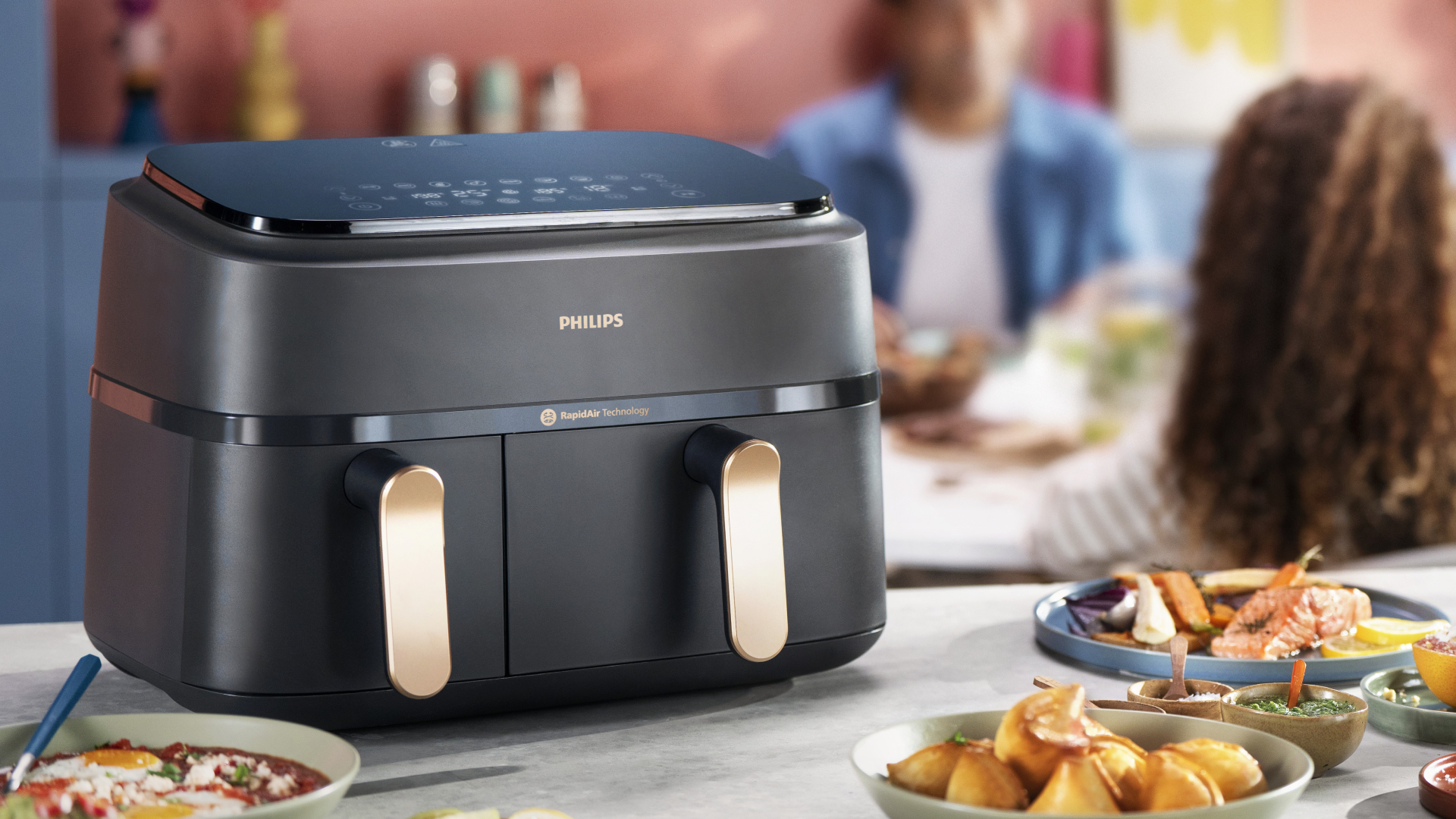

Walk into almost any modern kitchen, scroll through food videos, or browse a home appliance store, and you’ll encounter the same promise repeated again and again: crispy food with less oil. The air fryer has become a cultural icon of “healthy indulgence,” a countertop hero that claims to deliver the pleasures of deep-fried food without the guilt. But behind the sleek design and viral recipes lies a serious question worth examining with care and science: are air fryers really healthier than deep fryers?
The short answer is often yes—but the long answer is far more interesting. Health is not a single switch that flips on or off depending on the appliance you use. It’s a complex interaction between cooking methods, food choices, chemistry, behavior, and context. To truly understand the health comparison between air fryers and deep fryers, we need to explore how they work, how food changes inside them, what nutrients are preserved or lost, and how human habits evolve around each method.
This article takes a deep, thoughtful, and engaging dive into that question—without hype, without fearmongering, and without oversimplification.
1. What Makes Frying So Appealing in the First Place?
Before comparing air fryers and deep fryers, it’s worth understanding why frying is so beloved. Frying is not just a cooking method; it’s a sensory experience rooted in physics and chemistry.
When food hits hot oil, several things happen at once:
- Water rapidly evaporates from the surface
- Proteins denature and sugars caramelize
- The Maillard reaction creates hundreds of flavor compounds
- A crisp crust forms while the interior remains tender
This combination produces textures and aromas that humans are biologically primed to enjoy. Crunch signals energy density. Rich aromas signal cooked, safe food. Frying, in many ways, pushes the pleasure buttons that evolution wired into us.
The health debate, therefore, is not about whether fried food tastes good—it undeniably does—but about what trade-offs we make to achieve that pleasure.
2. How a Deep Fryer Actually Works
A deep fryer cooks food by fully submerging it in hot oil, usually between 175°C and 190°C (350°F–375°F). This environment is extremely efficient at transferring heat.
Key characteristics of deep frying:
- Full oil immersion ensures uniform cooking
- High temperatures rapidly crisp the surface
- Oil absorption occurs as moisture escapes and oil fills micro-gaps
- Repeated oil use can degrade oil quality over time
The oil itself becomes part of the food. Even when drained well, deep-fried items can absorb anywhere from 10% to 40% of their weight in oil, depending on the food and technique.
This oil absorption is the primary nutritional concern—not because fat is inherently bad, but because of quantity, quality, and oxidation.
3. How an Air Fryer Actually Works
Despite the name, an air fryer doesn’t truly “fry” food in the traditional sense. It’s essentially a compact convection oven designed for speed and surface browning.
Key characteristics of air frying:
- Rapid hot air circulation cooks food evenly
- Minimal oil use, often 0–1 tablespoons
- Surface dehydration creates crispness
- Short cooking times reduce thermal exposure
Instead of oil acting as the main heat transfer medium, air fryers rely on fast-moving hot air combined with a small amount of surface oil to mimic frying effects.
The result is a texture that resembles deep frying—though it’s rarely identical—and a dramatic reduction in total fat content.
4. Calories: The Most Obvious Difference
From a purely caloric standpoint, air fryers almost always win.
Fat contains approximately 9 calories per gram, more than double that of protein or carbohydrates. When food absorbs oil, calorie density rises quickly.
For example:
- Deep-fried potatoes can contain 2–3 times more calories than air-fried versions
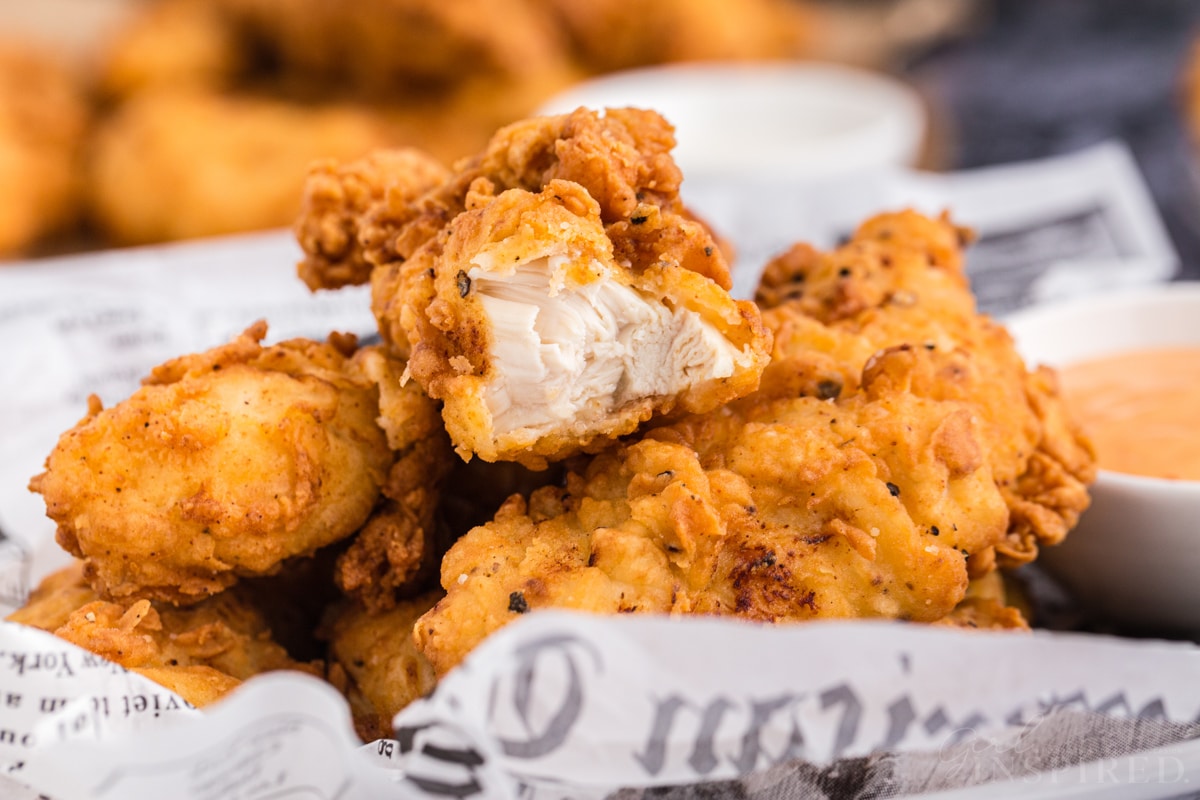
- Chicken wings deep-fried in oil often carry hundreds more calories than air-fried equivalents
- Breaded foods absorb oil especially efficiently
By reducing oil usage, air frying significantly lowers total caloric intake per serving—without requiring smaller portions.
However, calories alone don’t define health. They’re just one piece of a much larger picture.
5. Fat Quality: Not All Oils Are Equal
One often-overlooked factor in the fryer debate is what happens to oil under heat.
Deep Frying and Oil Degradation
When oil is heated repeatedly:
- It oxidizes
- Free radicals form
- Polar compounds accumulate
- Trans fats may increase in trace amounts
These chemical changes are influenced by temperature, duration, and the type of oil used. Oils rich in polyunsaturated fats are especially prone to degradation.
Commercial deep fryers—especially those used continuously—can accumulate degraded oil compounds that may contribute to inflammation and oxidative stress when consumed regularly.
Air Frying and Oil Stability
Air frying uses:
- Less oil overall
- Lower total oil exposure time
- Often fresher oil per use
Because there is less oil and it’s not reused in the same way, there is generally less opportunity for harmful byproducts to form.
That said, the health outcome still depends on which oil you choose. Olive oil, avocado oil, and other high-smoke-point oils behave very differently from refined seed oils under heat.
6. Acrylamide: A Quiet Chemical Concern
One of the most scientifically discussed health issues in fried foods is acrylamide, a compound that can form when starchy foods are cooked at high temperatures.
What is acrylamide?
- Forms during the Maillard reaction
- Found in fried and baked starchy foods
- Studied for potential carcinogenic effects
Both deep frying and air frying can produce acrylamide, particularly in foods like potatoes.
Air Fryer vs Deep Fryer
Studies suggest that:
- Air frying can sometimes produce similar or slightly lower acrylamide levels
- Cooking time and temperature matter more than method alone
- Pre-soaking potatoes and avoiding over-browning reduces formation
So while air fryers are not acrylamide-free, they often allow better control over browning and exposure time—if used thoughtfully.
7. Nutrient Retention: What Survives the Heat?
Cooking always changes food. The question is not whether nutrients are lost, but how much and which ones.
Vitamins and Minerals
- Fat-soluble vitamins (A, D, E, K) can be better absorbed with some fat
- Water-soluble vitamins (like vitamin C) degrade with heat
- Minerals are generally heat-stable
Deep frying exposes food to intense heat for short periods, while air frying uses slightly longer times with hot air.
In practice:
- Air frying often preserves more delicate nutrients due to lower oil oxidation
- Deep frying may degrade certain vitamins more aggressively
However, the differences are usually modest and heavily dependent on the food itself.
8. Protein and Structural Changes
When cooking protein-rich foods like meat, fish, or tofu, heat alters amino acids and protein structures.
Deep Frying
- Rapid crust formation seals in moisture
- Can lead to uneven internal cooking if not controlled
- High surface temperatures may create more advanced glycation end-products (AGEs)
Air Frying
- Slower moisture loss
- More even internal cooking
- Slightly lower surface temperatures reduce some AGE formation
AGEs have been linked to inflammation and metabolic stress when consumed excessively, giving air frying a subtle advantage in long-term dietary patterns.
9. Portion Control and Eating Behavior
Health is not just chemistry—it’s psychology.
Deep frying often encourages:
- Batch cooking
- Large portion sizes
- “Since it’s already fried, eat it all” behavior
Air frying tends to promote:
- Smaller batches
- More frequent fresh cooking
- Mindful portioning
The appliance itself subtly shapes how people eat. Air fryers are often used for single or small servings, reducing mindless overeating.
This behavioral effect may be as important as the nutritional differences.
10. Texture, Satisfaction, and Satiety
One criticism of air-fried food is that it’s “not quite the same.” That’s true—and also part of the health story.
Deep-fried food is:
- Extremely rich
- Highly palatable
- Easy to overconsume
Air-fried food often provides:
- Crispness without heaviness
- Cleaner mouthfeel
- Faster satiety
Foods that are slightly less indulgent can actually help people stop eating sooner, supporting better appetite regulation over time.
11. Versatility Beyond Frying
A deep fryer has one primary job: frying.
An air fryer can:
- Roast vegetables
- Bake small pastries
- Reheat food without sogginess
- Cook proteins efficiently
This versatility encourages cooking at home and experimenting with whole foods, which indirectly improves dietary quality.
Health is not just about replacing one fried food with another—it’s about shifting cooking habits overall.
12. Safety and Practical Health Considerations
Burn and Fire Risk
- Deep fryers involve large quantities of hot oil
- Spills and splashes can cause serious burns
- Oil fires are difficult to control
Air fryers:
- Contain heat within a closed chamber
- Use minimal oil
- Reduce fire risk in home kitchens
While not a nutritional issue, kitchen safety is still a health concern.
13. Environmental and Lifestyle Health
Health doesn’t exist in isolation from the environment.
Deep frying requires:
- Large amounts of oil
- Disposal of used oil
- More cleanup and maintenance
Air frying uses:
- Less oil
- Less waste
- Less energy per serving in many cases
A cooking method that’s easier to maintain is more likely to be used consistently—and consistency matters for long-term health.
14. When Air Frying Is Not Automatically Healthier
It’s important to avoid turning air fryers into a health halo.
Air-fried food can still be:
- Highly processed
- High in sodium
- Low in fiber
- Overconsumed
Air frying frozen breaded snacks every day is not a health upgrade just because oil is reduced.
The appliance is a tool, not a guarantee.
15. Who Benefits Most From Air Fryers?
Air fryers tend to be especially beneficial for:
- People managing calorie intake
- Individuals reducing dietary fat
- Those cooking for one or two people
- Home cooks transitioning away from deep frying
They are less transformative for those who already eat minimally fried foods or rely heavily on ultra-processed items.
16. The Verdict: Healthier, But Not Magical
So, are air fryers really healthier than deep fryers?
From a scientific and practical perspective:
- Lower fat intake: Yes
- Reduced calorie density: Yes
- Less oil degradation: Yes
- Improved cooking control: Often
- Guaranteed health improvement: No
Air fryers represent a meaningful improvement over deep frying for most people—but they do not replace the fundamentals of good nutrition: balanced meals, whole ingredients, moderation, and mindful eating.
They are a smarter way to enjoy crispy foods, not a free pass to ignore dietary quality.
17. A Healthier Relationship With “Fried” Food
Perhaps the most valuable contribution of air fryers is cultural rather than nutritional.
They encourage a mindset shift:
- From excess to balance
- From indulgence to everyday enjoyment
- From fear of fat to understanding of cooking methods
In that sense, air fryers don’t just change how food is cooked—they change how people think about food.
And that, more than any single appliance, is where real health begins.