





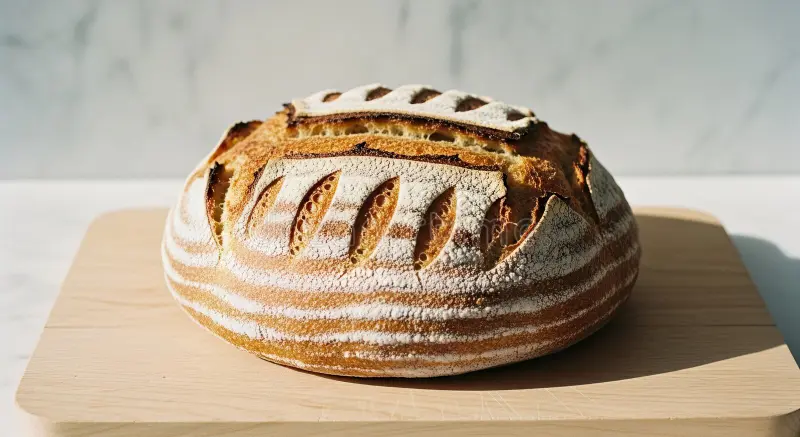

Sourdough bread has captured the hearts of home bakers and food lovers alike. With its tangy flavor, crisp crust, and chewy interior, it’s a loaf that feels both artisanal and deeply satisfying. But making sourdough at home? Many people hesitate. They imagine a complicated process requiring exotic ingredients, temperamental starters, and an endless string of failures. The truth is, with patience, practice, and the right approach, anyone can produce a truly delicious sourdough loaf right in their own kitchen. This guide will show you exactly how.
Understanding Sourdough: Not Just Bread, but Science
Sourdough isn’t just flour, water, and salt—it’s a living ecosystem. Unlike commercial bread that uses packaged yeast, sourdough relies on wild yeast and lactic acid bacteria naturally present in flour and the environment. This mix ferments slowly, creating complex flavors and a unique texture.
The Magic of Wild Yeast
Wild yeast may sound intimidating, but it’s everywhere. It’s in the air, on the flour, and even on your hands. These microorganisms feed on sugars in the flour, producing carbon dioxide that makes the dough rise and alcohol and acids that contribute to flavor.
Lactic Acid Bacteria: The Flavor Architects
Alongside yeast, lactic acid bacteria thrive in the sourdough starter. They produce lactic and acetic acids, which give sourdough its characteristic tang. These acids also help preserve the bread, extending its shelf life naturally without additives.
The Starter: Your Sourdough’s Soul
If sourdough is the soul, the starter is its heartbeat. A starter is a live culture of flour and water that captures wild yeast and bacteria. Think of it as a pet—nurture it, and it will reward you with fantastic bread.
How to Make a Starter from Scratch
Ingredients:
- 100g whole wheat flour
- 100g water (room temperature)
Method:
- Mix the flour and water in a clean jar until smooth.
- Cover loosely to allow air in.
- Leave at room temperature for 24 hours.
- Feed daily: discard half the starter, and add 50g flour + 50g water.
- After 5–7 days, your starter should bubble actively and smell pleasantly tangy.
Pro tip: Whole wheat or rye flour jump-starts fermentation faster than white flour due to their richer nutrient content.
Tools of the Trade: Keeping It Simple
You don’t need fancy equipment to bake excellent sourdough. Here’s what really matters:
- A digital kitchen scale – precision is crucial.
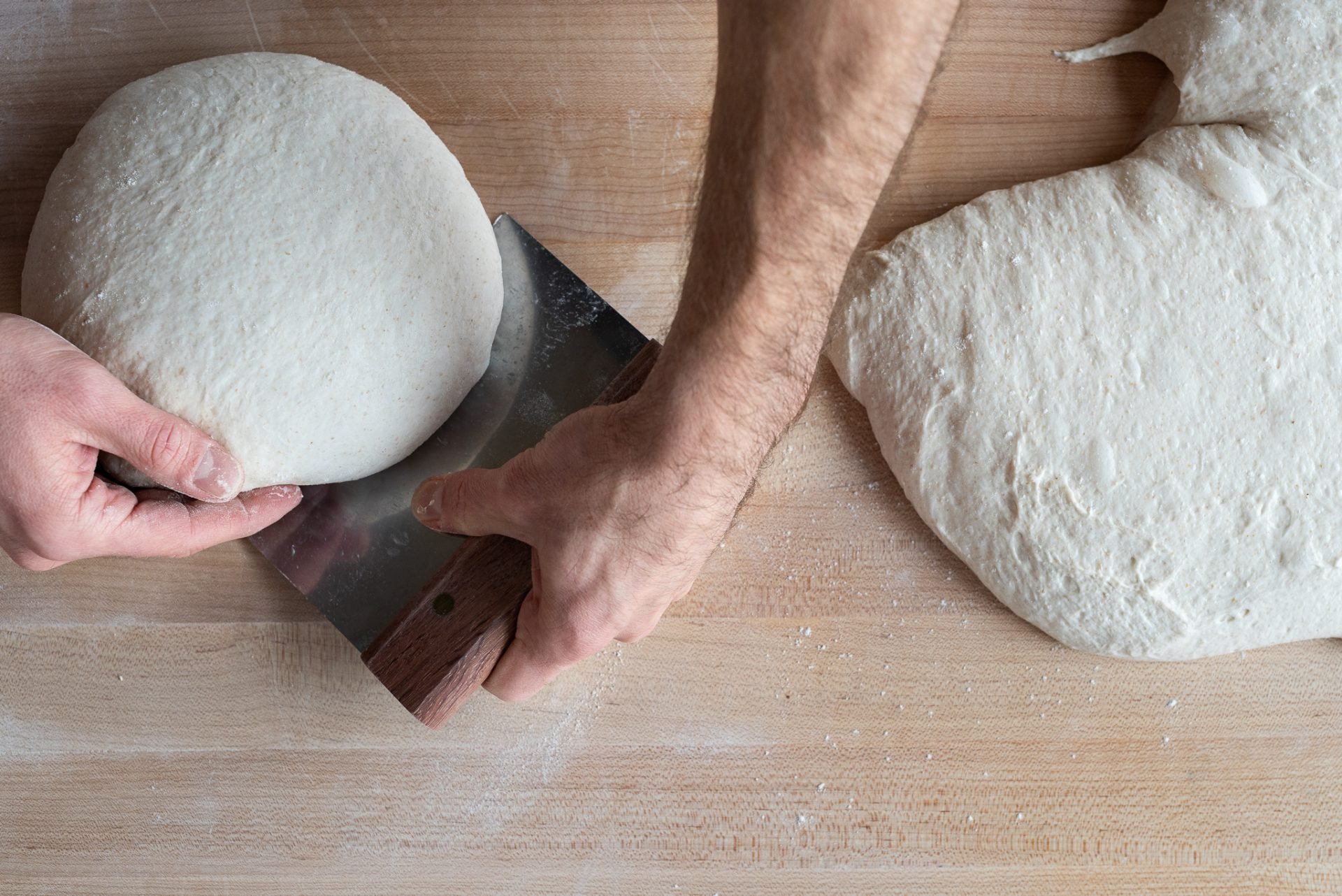
- A bench scraper – makes handling sticky dough easier.
- A mixing bowl – preferably glass or stainless steel.
- A Dutch oven or baking stone – for a crispy, bakery-style crust.
- A kitchen thermometer – ensures proper fermentation and baking.
Optional but helpful: a proofing basket (banneton) for shape and texture, and a lame or sharp knife for scoring the loaf.
Mastering the Dough: Hydration and Technique
Hydration is the ratio of water to flour in your dough. Higher hydration produces a more open crumb with larger holes, while lower hydration yields a denser loaf. Most home bakers start around 65–70% hydration, then experiment as confidence grows.
Autolyse: The Secret Step
Autolyse is the process of mixing flour and water before adding salt and starter. This rest period allows gluten to develop naturally, improving texture and elasticity.
Steps:
- Mix flour and water for 30–60 minutes.
- Add starter and salt.
- Knead gently or fold until fully incorporated.

Bulk Fermentation: Let the Dough Rise
Bulk fermentation is where the magic happens. Dough rises slowly at room temperature, allowing yeast and bacteria to work. It’s a patience test but essential for flavor.
Tips for Success:
- Stretch and fold the dough every 30–60 minutes during the first 2–3 hours to strengthen gluten.
- Use a warm, draft-free spot to maintain a steady fermentation rate.
- Look for bubbles, elasticity, and volume increase as indicators of readiness.
Shaping Your Loaf: Technique Matters
Shaping is both practical and artistic. A well-shaped loaf holds gas, develops structure, and bakes evenly.
Basic Steps:
- Turn the dough onto a floured surface.
- Pre-shape into a loose round and let it rest for 15–20 minutes.
- Tighten the shape by folding edges under and rotating.
- Place in a proofing basket or bowl lined with a floured cloth.
Final Proofing: The Waiting Game
Final proofing allows the dough to expand and develop flavor. Under-proofed dough will tear and be dense, over-proofed dough may collapse. Timing is crucial.
Signs the dough is ready:
- Slight spring back when poked gently.
- Visible air bubbles on the surface.
- A slight wobble but overall firmness.
Many bakers experiment with cold-proofing in the fridge for 12–24 hours. This slows fermentation, enhancing flavor and making baking more flexible.
Baking: From Dough to Golden Crust
Preheating: Hot Is Key
A hot oven and preheated Dutch oven or baking stone trap steam, promoting oven spring and a crisp crust. Preheat your oven to 475°F (245°C) for at least 30 minutes.
Scoring: The Art of Bread Tattoos
Scoring the loaf allows controlled expansion. Use a lame or razor to make shallow cuts. Patterns aren’t just decorative—they prevent random tearing.
Baking Steps
- Transfer the dough to the hot Dutch oven.
- Cover and bake 20 minutes.
- Uncover and bake another 20–25 minutes until golden brown.
- Tap the bottom; it should sound hollow.
Pro tip: Let the bread cool completely on a wire rack. Cutting too early can make the crumb gummy.
Troubleshooting: Common Issues
Even experienced bakers face challenges. Here’s how to tackle some common problems:
- Dense loaf: Likely under-proofed, insufficient gluten, or weak starter.
- Too sour: Over-proofed or over-fermented. Reduce fermentation time or refrigerate longer.
- Cracked crust: Dough may be too dry or oven too cool. Ensure hydration and preheat properly.
- Sticky dough: High hydration or under-kneaded. Use stretch-and-fold method and allow longer bulk fermentation.
Flavor Variations: Beyond Classic Sourdough
Once you master the basics, you can experiment:
- Herb-infused: Rosemary, thyme, or sage folded into the dough.
- Nutty and seedy: Add sunflower seeds, walnuts, or flax.
- Sweet touches: Incorporate raisins, dried cranberries, or honey.
- Whole grain blend: Mix rye, spelt, or whole wheat for earthy complexity.
Health Benefits: Why Sourdough Rocks
Sourdough is more than tasty—it’s gentle on digestion and nutritionally richer than many breads.
- Easier to digest: Long fermentation breaks down gluten partially.
- Lower glycemic index: Slower sugar release compared to commercial bread.
- Rich in nutrients: Fermentation increases bioavailability of minerals like magnesium and zinc.
- Natural preservative: Acids extend shelf life without artificial additives.
Storing Your Sourdough
- Room temperature: Keep in a paper bag or bread box for 2–3 days.
- Freezing: Slice first, wrap in foil or plastic, and freeze up to 3 months.
- Reviving: Lightly toast or reheat in the oven to refresh crust and flavor.
The Joy of Sourdough Baking
Baking sourdough is as much an emotional journey as a culinary one. The ritual of feeding a starter, observing fermentation, shaping, scoring, and finally pulling a golden loaf from the oven is immensely satisfying. Each loaf is a story—your story of patience, experimentation, and creativity.
It’s also an invitation to connect: with history, as sourdough dates back thousands of years; with science, as fermentation is alive and dynamic; and with yourself, as you nurture a living culture from scratch.
Tips for Consistent Success
- Keep your starter active and healthy.
- Be patient—good sourdough cannot be rushed.
- Maintain consistent temperature and hydration.
- Experiment and take notes; each flour and kitchen environment behaves differently.
- Enjoy the process; mistakes are part of learning.
Conclusion: Yes, You Can Make Delicious Sourdough Bread at Home
The answer is a resounding yes. Making sourdough at home is accessible, rewarding, and endlessly customizable. With knowledge, patience, and practice, you can achieve loaves that rival artisanal bakery bread—golden crust, airy crumb, and that signature tang that keeps you coming back for more.
Sourdough is more than bread; it’s an experience. Every loaf is a celebration of time, care, and craftsmanship. With your own starter humming on the counter and the aroma of baking bread filling your home, you’ll understand why home-baked sourdough is truly magical.