





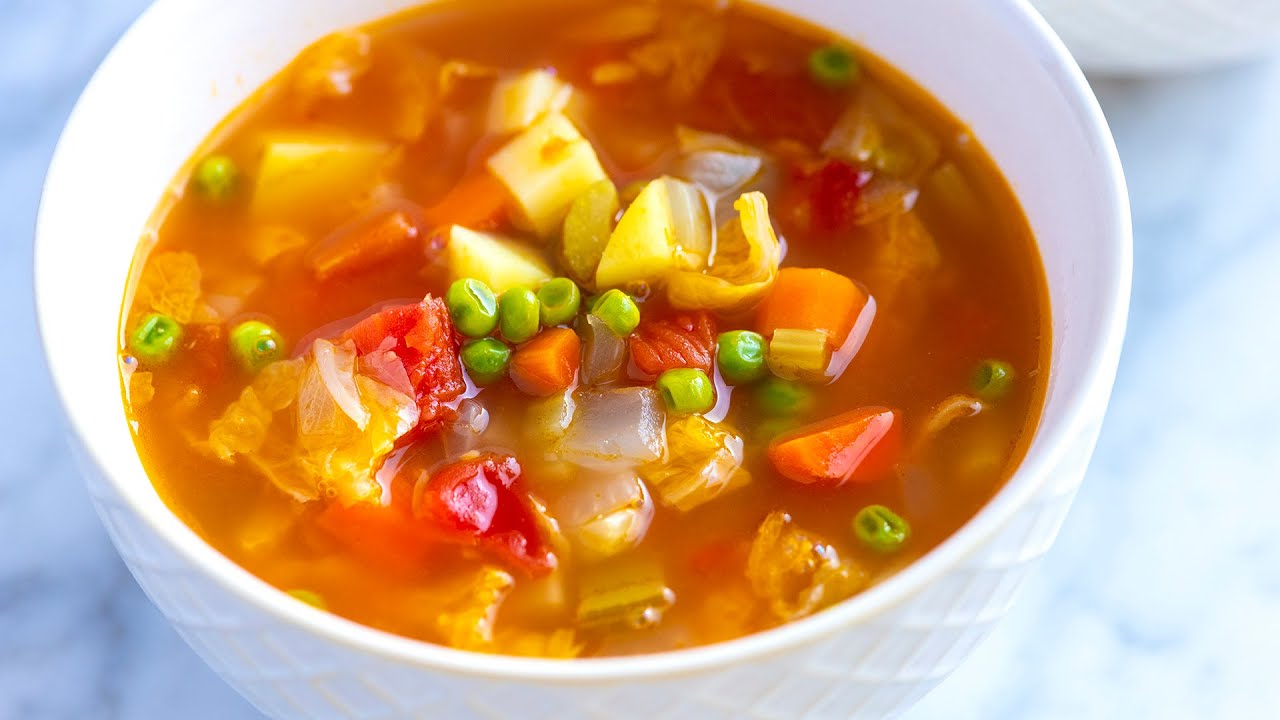

Soup is often considered the ultimate comfort food—a warm hug in a bowl. Yet, no matter how much time and effort you spend simmering ingredients, sometimes your soup ends up tasting… well, bland. That disappointing, watery flavor can turn a satisfying meal into a forgettable one. The good news? Understanding why soup lacks depth and how to correct it can transform your cooking from mediocre to restaurant-worthy. Let’s dive deep into the science, techniques, and secrets behind making soups that sing with flavor.
Understanding the Concept of Flavor
Before we jump into fixes, it’s essential to understand what flavor actually is. Flavor is a complex combination of taste, aroma, and mouthfeel. While taste involves the basic sensations—sweet, salty, sour, bitter, and umami—aroma comes from volatile compounds released during cooking. Mouthfeel is the texture and temperature of the soup, which contributes subconsciously to how flavorful it seems.
A bland soup is often missing one or more of these critical components. Understanding this is key: soup is not just about cooking ingredients until they are soft—it’s about extracting, balancing, and enhancing flavors.
Common Reasons Why Soup Tastes Bland
1. Lack of Proper Seasoning
Salt is the simplest and most effective flavor enhancer. Without it, even the most complex combination of vegetables, meats, and herbs can fall flat. Many novice cooks under-salt their soups because they fear overdoing it. But proper seasoning is not just about adding salt—it’s about layering flavors at multiple stages of cooking.
2. Using Low-Quality or Weak Ingredients
Flavorful soup starts with flavorful ingredients. A limp carrot, a pale onion, or a dull broth base will result in a dull soup. Freshness matters: fresher vegetables, quality meats, and well-chosen herbs provide a natural depth of flavor that processed or stale ingredients simply cannot match.
3. Insufficient Cooking Techniques
Many soups end up bland because ingredients aren’t cooked in ways that maximize their flavor. For example, simply boiling vegetables can leave them flat. Techniques such as sautéing onions and garlic before adding liquids, roasting vegetables, or browning meat can introduce layers of flavor through caramelization and the Maillard reaction.
4. Over-Dilution
Adding too much water or broth without adjusting the seasonings can dilute flavors. Even if you start with a well-seasoned base, over-diluting during cooking reduces intensity. This is a common mistake, especially in large-batch soups or when adding water to extend the recipe.
5. Ignoring Umami
Umami is the “savory” taste that makes food satisfying and rich. Ingredients like mushrooms, tomatoes, soy sauce, parmesan rind, and fermented products boost umami naturally. A soup lacking umami may taste watery, even if it’s well-seasoned with salt.
6. Not Allowing Flavors to Develop
Soup is not instant gratification. While some broths can cook quickly, many benefit from slow simmering. Long, gentle cooking allows flavors to meld, aromatics to bloom, and proteins to release their richness. Rushing the process often results in a soup that feels thin and underdeveloped.
Techniques to Make Soup More Flavorful
1. Master the Art of Browning
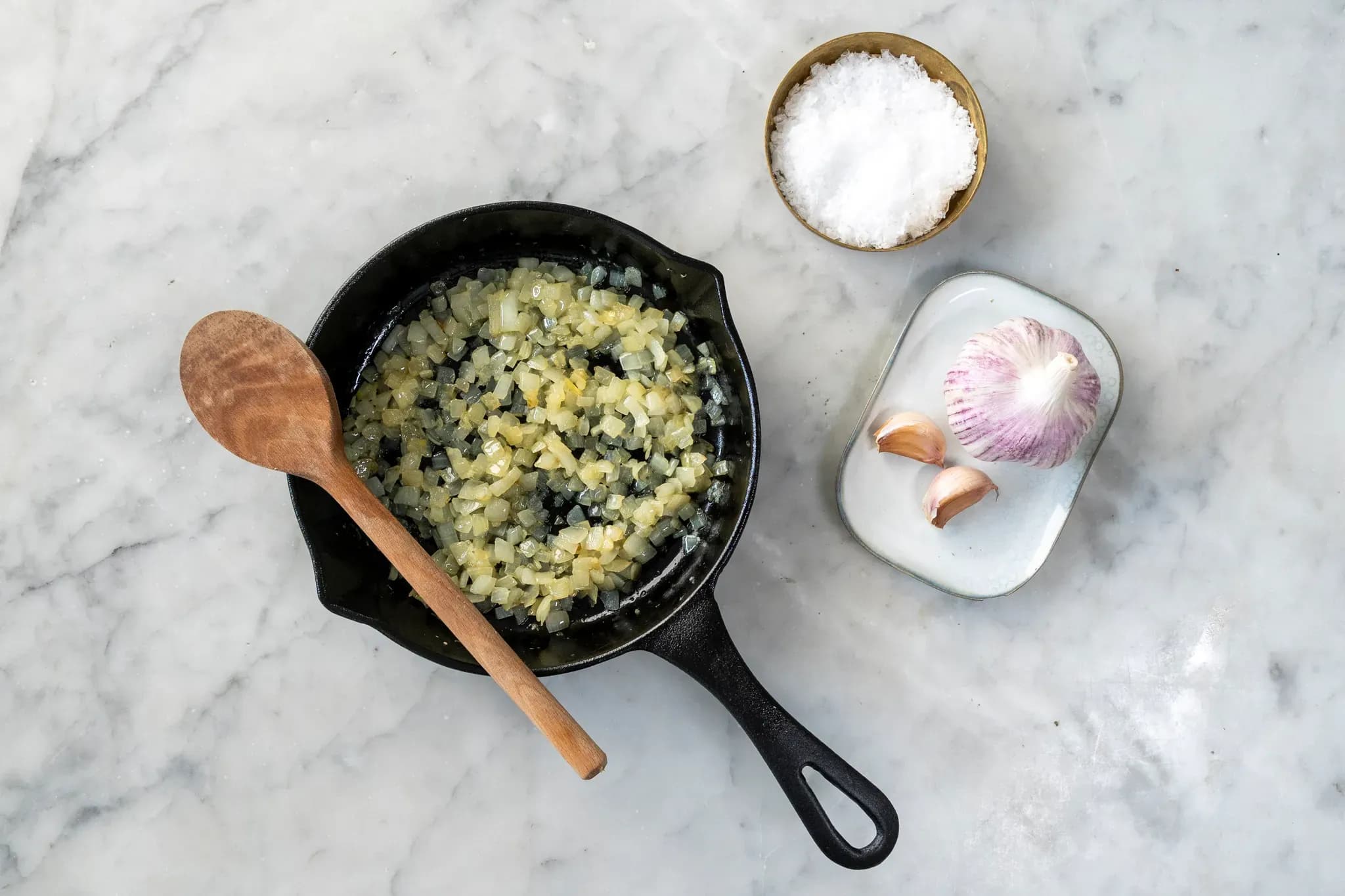
Browning is not just for meats. Sautéing onions, garlic, and even vegetables like carrots or leeks until golden creates caramelized sugars and deepens the overall flavor. This simple step can instantly elevate a basic soup.
Tip: Avoid burning; you want a rich golden color and a slightly sweet aroma.
2. Build Layers of Seasoning
Think of soup as a symphony of flavors. Start with salt while cooking your base ingredients, adjust seasoning while simmering, and finish with a final touch before serving. Herbs and spices can also be layered: add hardy herbs like thyme early, and delicate herbs like parsley or basil at the end.
3. Use Stock Instead of Water
A high-quality stock—homemade or store-bought—adds depth. Chicken, beef, vegetable, or seafood stock contains gelatin, minerals, and aromatics that plain water cannot provide. For a more concentrated flavor, reduce your stock before using it in the soup.
4. Introduce Acid
Acidic ingredients such as lemon juice, vinegar, or even a splash of wine brighten soup and balance richness. Acid can transform a heavy, dull soup into one with a lively, fresh taste.
5. Incorporate Umami Boosters
Umami isn’t limited to meat. Dried mushrooms, miso paste, fish sauce, tomato paste, soy sauce, and aged cheeses can all amplify savory depth. Add them in moderation to avoid overpowering the dish.
6. Add Fat for Flavor
Fat carries flavor. Olive oil, butter, or animal fats add richness and help distribute flavors evenly. For instance, finishing a soup with a swirl of cream or a pat of butter can make a simple vegetable soup taste decadent.
7. Let it Rest
Soups often taste better the next day. Flavors continue to meld as the soup sits, creating a more harmonious taste. Consider making soups in advance for maximum flavor.
Ingredient-Specific Tips

Vegetables
- Roasting vegetables like carrots, parsnips, and onions before adding them to soup concentrates their natural sugars and deepens flavor.
- Avoid overcooking green vegetables; they can lose brightness and taste flat.
Meats
- Brown proteins before simmering to enhance flavor.
- Use bones and scraps for homemade stock; they release gelatin and minerals that give body to the soup.
Herbs and Spices
- Use dried herbs early in cooking and fresh herbs at the end.
- Toast spices briefly in a dry pan to release aromatic oils before adding them to the soup.
Aromatics
- Onion, garlic, ginger, and leeks are foundational. Sautéing them brings out sweetness and complexity.
- Don’t underestimate shallots, fennel, or celery for nuanced flavor layers.
Common Mistakes and How to Avoid Them
- Adding Cream Too Early: It can curdle or flatten flavors. Add at the end for richness.
- Overcooking Herbs: Delicate herbs lose aroma if boiled for too long.
- Using Low-Salt Broth: Always taste and adjust salt before serving.
- Ignoring Texture: Flavor isn’t everything; a soup with clumpy, mushy ingredients can feel “bland” even if seasoned correctly.
Creative Tricks to Boost Flavor
- Infuse Aromatics: Simmer herbs, spices, or zest in oil or stock for an intense infusion.
- Finish with Condiments: A dash of hot sauce, soy sauce, or mustard can lift flavors dramatically.
- Experiment with Textures: Adding croutons, seeds, or a drizzle of yogurt adds contrast and makes the soup more exciting.
- Balance Sweet and Sour: A touch of honey or maple syrup can balance acidic or bitter notes.
Psychological and Sensory Considerations
Flavor perception is influenced by temperature, color, and aroma. A soup served lukewarm may taste bland even if perfectly seasoned. Similarly, vibrant colors enhance perceived freshness and taste. Garnishes like fresh herbs, a swirl of cream, or a sprinkle of spices can make the soup feel more flavorful before you even take a bite.
Practical Daily Tips
- Keep basic aromatics like onions, garlic, and celery on hand—they form a quick flavor base.
- Invest in quality stock or learn to make your own; it’s the backbone of flavorful soups.
- Taste as you go; it’s the most reliable way to avoid blandness.
- Layer flavor instead of adding everything at once.
Conclusion
Soup is deceptively simple. A handful of vegetables and some water can yield a nourishing dish—but without attention to seasoning, aromatics, and technique, it will taste bland. Understanding why soup lacks depth and applying strategies like proper browning, layering flavors, incorporating umami, and using acids can transform it into a bowl of complexity and comfort. A flavorful soup isn’t about following a recipe blindly—it’s about engaging your senses, experimenting, and learning how flavors interact.
Once you master these principles, bland soup will be a thing of the past, and every spoonful will be a celebration of flavor.