






Baking is an art, a science, and sometimes a little bit of alchemy. The right ingredients can turn a simple mix of flour, sugar, and fat into golden-brown wonders that delight the senses. But what happens when you swap a classic ingredient for something less conventional? Specifically, can almond milk replace regular dairy milk in baking, and what effects can you expect?
In this deep dive, we’ll explore everything from chemistry and flavor to texture and nutrition, giving you a professional-level understanding while keeping things lively and easy to digest. Whether you’re a curious beginner or an experienced baker experimenting with plant-based alternatives, this guide has you covered.
Understanding Almond Milk: More Than Just a Substitute
Before we talk about baking, let’s get to know almond milk. It’s a plant-based beverage made by blending almonds with water and straining the mixture. The result is a creamy liquid with a nutty flavor, usually fortified with vitamins like calcium and vitamin D. Unlike dairy milk, almond milk contains no lactose or cholesterol and is generally lower in calories.
But here’s the kicker: almond milk is mostly water. That means it behaves differently from cow’s milk in recipes, especially when heat, acidity, and fats are involved. Understanding these differences is the key to baking success.
The Science of Milk in Baking
Milk in baking isn’t just for flavor; it plays multiple technical roles:
- Moisture Provider – Milk adds water content, which hydrates flour and helps gluten formation.
- Fat Contributor – Whole milk contains fat, which tenderizes baked goods.
- Sugar Source – Lactose, the natural sugar in milk, promotes browning and caramelization.
- Acid/Base Balance – Milk can react with leavening agents like baking soda to affect rise.
- Protein – Casein and whey proteins provide structure and contribute to texture.
So when substituting almond milk, you need to consider which of these roles you want to mimic, which can be partially different from cow’s milk.
Flavor Implications
Almond milk has a distinct nutty undertone that can enhance some baked goods while overpowering others. Think of cookies, muffins, pancakes, and even quick breads. The subtle sweetness of almond milk can complement flavors like chocolate, vanilla, cinnamon, and fruit.
However, in delicate recipes like custards or soufflés, the flavor difference might be noticeable. It’s a matter of taste and intended outcome. For savory bakes like quiches or cheesy breads, unsweetened almond milk is usually the better choice to avoid unintended sweetness.
Almond Milk and Texture
One of the biggest challenges when swapping almond milk for regular milk is texture. Because almond milk lacks the same protein and fat content as dairy, baked goods can sometimes:
- Be slightly less tender
- Brown differently
- Have a different crumb structure
Here’s the good news: there are ways to tweak recipes to minimize these differences. Adding a small amount of oil, butter, or even a thickening agent like cornstarch can help replicate the richness of cow’s milk.
How Almond Milk Reacts with Leavening Agents
Baking soda and baking powder rely on acid-base reactions to produce carbon dioxide, which makes cakes and muffins rise. Regular milk is slightly acidic, contributing to this reaction. Almond milk is generally neutral, so in recipes relying heavily on acidity from milk, you might need to add a teaspoon of lemon juice or vinegar per cup of almond milk to achieve the same rise.
Almond Milk in Different Types of Bakes
Let’s break down common baked goods and how almond milk affects each:
1. Cakes and Cupcakes
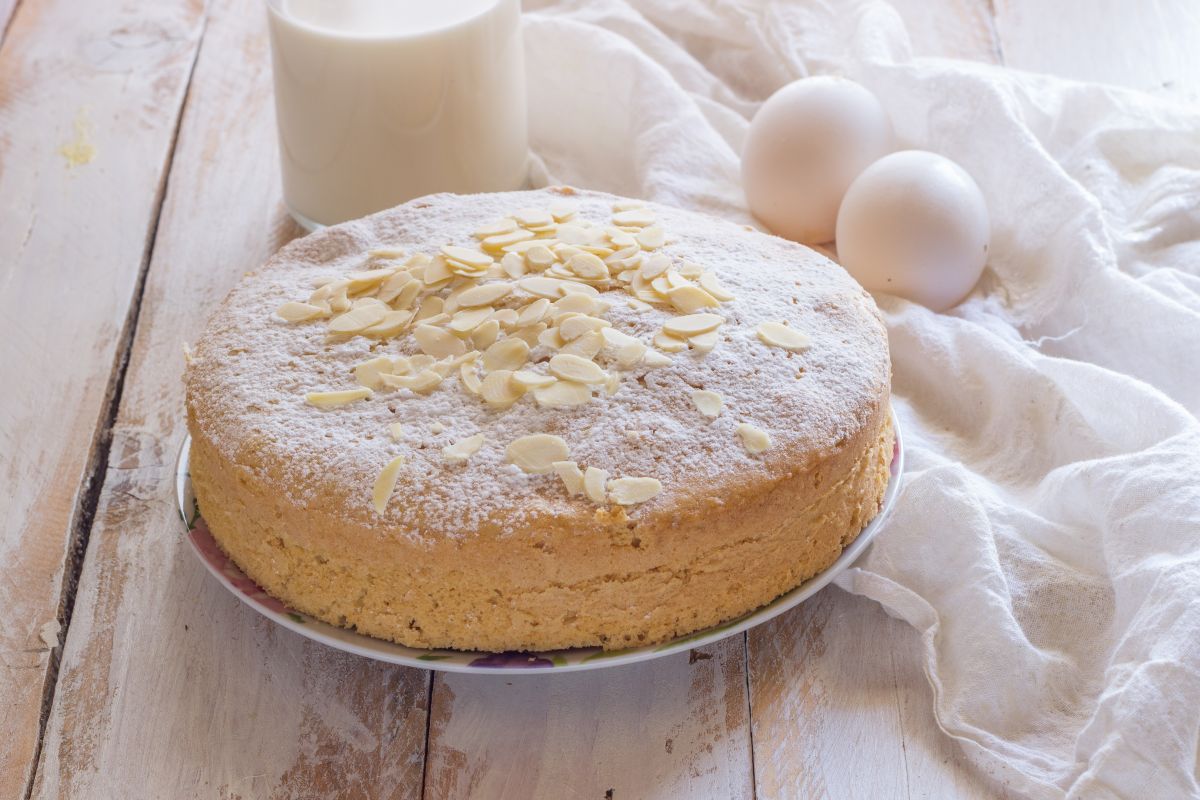
Almond milk works well in most cake recipes, but consider using full-fat almond milk for a richer texture. For extra moisture, add a tablespoon of vegetable oil or melted coconut oil per cup of almond milk.
2. Muffins and Quick Breads
Perfect candidates for almond milk substitution. The nutty undertone complements flavors like banana, blueberry, pumpkin, and zucchini. A slightly thicker batter ensures the crumb remains tender.
3. Cookies
Almond milk can replace regular milk 1:1 in cookie recipes. The difference is subtle unless the recipe depends heavily on milk for browning or caramelization. For chewier textures, slightly reduce the flour or add a bit more fat.
4. Pancakes and Waffles
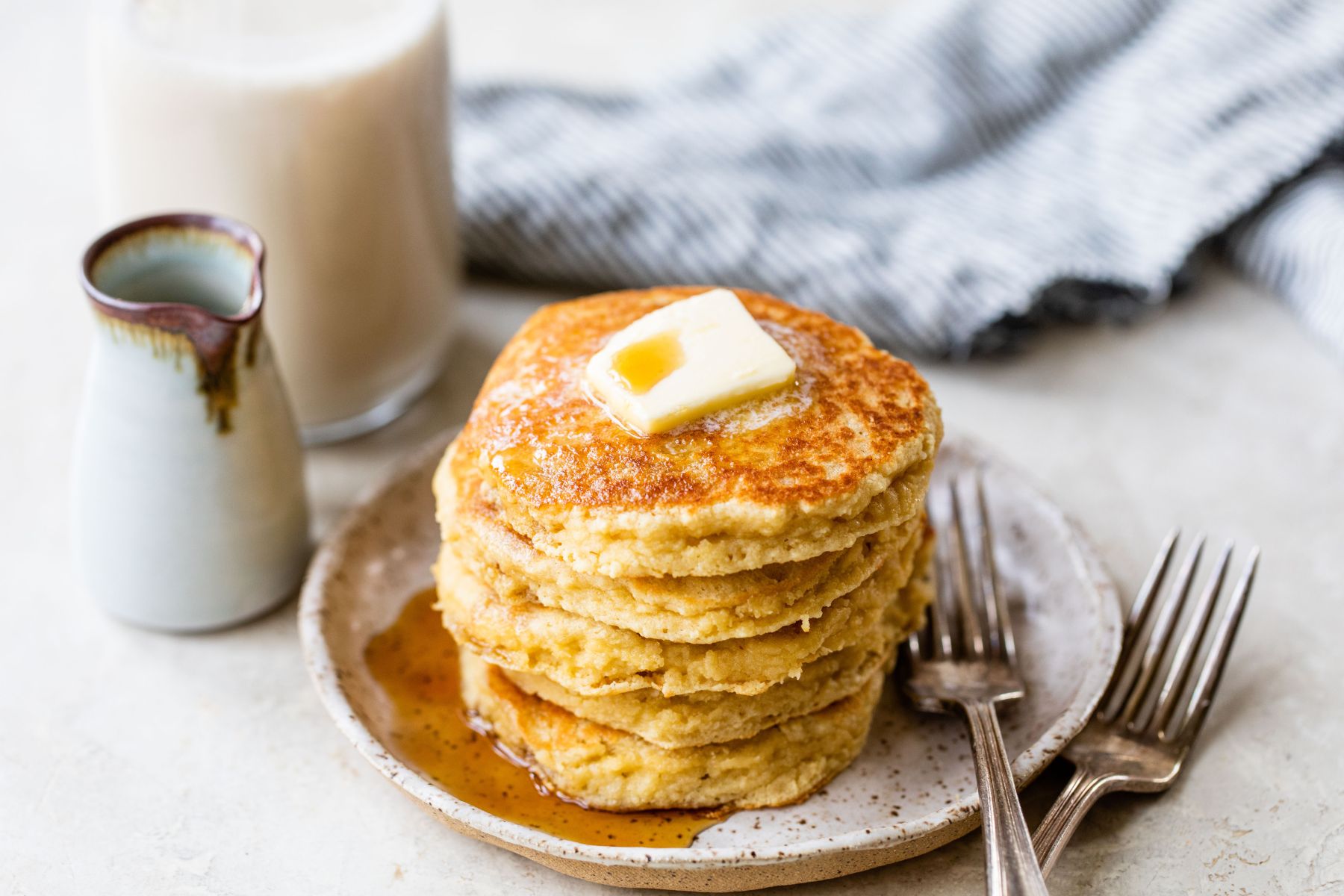
Almond milk shines here. Its slightly sweet, nutty flavor elevates breakfast classics. To mimic dairy richness, add a touch of melted butter or a teaspoon of oil.
5. Custards, Puddings, and Creams
This is trickier. Almond milk doesn’t thicken like dairy milk due to lower protein content. Use cornstarch or arrowroot as a thickening agent, and consider unsweetened varieties to better control flavor.
6. Bread and Yeast-Based Bakes
Almond milk is generally fine in yeast breads but may slightly reduce browning and dough elasticity. For richer breads like brioche, combine almond milk with plant-based butter for best results.

Tips for Best Results
Here’s a pro-level list of tips to ensure your almond milk bakes turn out beautifully:
- Use Unsweetened Almond Milk for Versatility – Sweetened versions can throw off sugar content.
- Consider Fat Content – Full-fat almond milk or adding oil improves tenderness.
- Adjust Leavening – Add a teaspoon of acid per cup if the recipe relies on milk acidity.
- Flavor Pairing – Match almond milk with complementary flavors: chocolate, vanilla, fruit, spices.
- Temperature Matters – Use almond milk at the same temperature as dairy milk would be (usually room temperature) to avoid shocking the batter.
- Experiment Gradually – Start by replacing half the milk, then go full substitution once you’re comfortable with the results.
Nutrition Differences
Almond milk is often lower in calories, saturated fat, and sugar than cow’s milk. It’s lactose-free, making it suitable for those with dairy intolerance. However, it’s lower in protein (typically 1g per cup compared to 8g in cow’s milk), which can affect the structure of protein-reliant baked goods.
Fortified almond milk can still supply calcium and vitamin D, keeping your bakes nutritionally balanced.
Common Mistakes When Substituting
Even experienced bakers can misstep when switching to almond milk. Common pitfalls include:
- Expecting identical results – Almond milk can slightly alter browning and texture.
- Using sweetened almond milk indiscriminately – It can overly sweeten recipes.
- Ignoring acidity needs – Leavening may underperform without a small acid adjustment.
- Skipping fat adjustments – Some baked goods may be drier if the fat content is too low.
Flavor Pairing Guide for Almond Milk Baking
Here’s a handy guide to help you match almond milk with flavors:
- Sweet baked goods: Chocolate, caramel, vanilla, cinnamon, berries, apples.
- Savory baked goods: Unsweetened almond milk works with garlic, herbs, cheese (if plant-based or traditional), onions, and spinach.
- Nutty or rich recipes: Almond milk enhances pecan, walnut, hazelnut, and coconut flavors.
Professional-Level Adjustments
For bakers aiming for perfection, consider these refinements:
- Creaminess Hack: Blend almond milk with 1–2 tablespoons of cashew cream per cup for richer results.
- Enhanced Browning: Mix a pinch of sugar or a teaspoon of maple syrup to promote caramelization.
- Texture Boost: Add a teaspoon of almond flour to mimic the protein content of cow’s milk.
Environmental and Ethical Considerations
Using almond milk also ties into sustainability. Almond farming requires significant water, but overall plant-based milk has a lower carbon footprint than dairy. Choosing almond milk is a small way to align your baking with environmentally conscious practices without compromising taste.
Final Thoughts
Yes, you can absolutely use almond milk in baking instead of regular milk. With thoughtful adjustments to fat, acidity, and flavor, it can produce results as delightful as dairy-based recipes. From cookies and cakes to pancakes and muffins, almond milk proves itself a versatile, tasty, and health-conscious alternative.
Like any ingredient swap, the key is understanding how almond milk interacts with your recipe. Embrace experimentation, note the subtle differences, and tweak the recipe to your taste. Once you master it, almond milk can become a standard, reliable companion in your baking repertoire.