





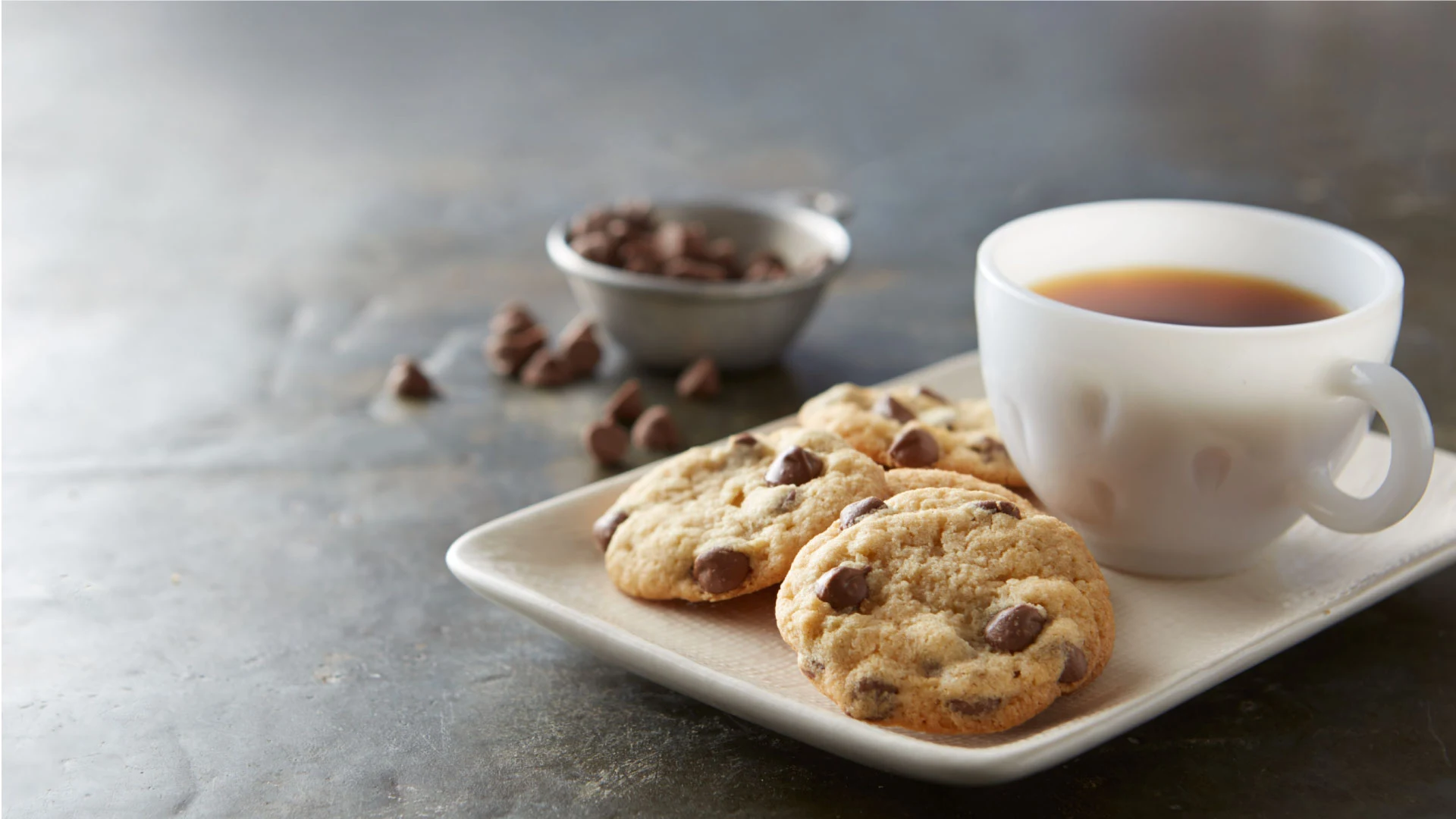

The chocolate chip cookie—soft, gooey, slightly crisp, and utterly irresistible—has earned its place as one of the most beloved desserts around the world. Yet, the question lingers: what exactly makes a chocolate chip cookie perfect? It’s not just about tossing a handful of chocolate chips into a dough base. There’s a science and an art to achieving the ultimate balance of flavor, texture, and indulgence.
In this article, we’ll explore the nuances of what creates the perfect chocolate chip cookie. From ingredients and baking techniques to small tips and tricks that can take your cookie game to the next level, we’re diving deep into what makes these cookies so universally adored.
1. The Right Ingredients: The Foundation of Flavor
A great chocolate chip cookie begins with the finest ingredients. While the basic components are standard—flour, butter, sugar, eggs, baking soda, and of course, chocolate chips—each ingredient plays a pivotal role in the final result.
Butter vs. Margarine: The Great Debate
Butter is a must when it comes to perfect chocolate chip cookies. It contributes to a rich, creamy texture and a deep, natural flavor. When choosing butter, opt for unsalted butter to better control the amount of salt in your recipe. Some bakers prefer to melt the butter to enhance chewiness, while others stick to softened butter for a more delicate, lighter texture. Both methods have their merits, but the key is to be consistent.
Margarine, on the other hand, lacks the flavor and tenderness butter imparts, which can result in a flat, lackluster cookie. Therefore, avoid substituting margarine in place of butter for optimal results.
Sugar: Granulated vs. Brown
Sugar is another element that can dramatically alter the texture and flavor of your cookies. Granulated sugar contributes to a crispier cookie with a clean sweetness, while brown sugar adds moisture and depth of flavor due to the molasses content. A combination of both yields the perfect balance: the crisp edges from the granulated sugar and the chewy, flavorful center from the brown sugar.
One tip: Use dark brown sugar for a richer flavor profile. The higher molasses content will give your cookies a slightly caramelized taste that’s hard to resist.
Flour: The Backbone of Texture
All-purpose flour is the standard choice for most chocolate chip cookie recipes, but the type and amount you use can affect the texture significantly. Too much flour can lead to a dry, crumbly cookie, while too little can make the dough too sticky and cause the cookies to spread too much while baking.
For the perfect chocolate chip cookie, the ratio of flour to fat (butter, in this case) is key. Generally, a ratio of 2:1 (flour to fat) works best, but the humidity of your environment can affect this. In more humid areas, you may need to add a little more flour to prevent the dough from being too soft.
Chocolate Chips: The Star of the Show
:max_bytes(150000):strip_icc()/255365-Edible-Cookie-Dough-DDMFS-2x1-1184-3ab8a4077abf4c969a309bdb815e816e.jpg)
Of course, no chocolate chip cookie would be complete without the star ingredient: chocolate chips. The type of chocolate you use plays a crucial role in the flavor profile. Semi-sweet chocolate chips are the most common choice because they provide a perfect balance of sweetness and richness. However, some bakers like to mix and match chocolate varieties, using dark chocolate chips, milk chocolate chunks, or even white chocolate for a unique twist.
Additionally, consider the size of the chocolate chips. Mini chocolate chips are great for a cookie that has a consistent distribution of chocolate in every bite, while large chunks of chocolate provide gooey pockets of melty bliss.
2. The Science of Mixing: Technique Matters
It’s not enough to just combine the ingredients and throw them in the oven. The way you mix your dough is just as important as the ingredients themselves. Over-mixing or under-mixing can both affect the final texture of your cookie, so understanding how to properly incorporate your ingredients is essential.
Creaming the Butter and Sugar
Start by creaming the butter and sugars together until light and fluffy. This process incorporates air into the dough, which helps the cookies rise and gives them a tender, soft texture. Don’t rush it—give it a good 3-5 minutes on medium speed to achieve the best results.
Creaming butter and sugar properly also helps dissolve the sugar, resulting in a smoother dough and more even baking. If you skip this step or don’t do it thoroughly, your cookies may end up dense or uneven in texture.
Adding the Eggs
Eggs provide structure and stability to the dough, and the temperature at which they are added matters. For best results, ensure your eggs are at room temperature. Cold eggs can cause the dough to seize up and result in uneven spreading while baking.
When adding the eggs, do so one at a time. This allows each egg to incorporate fully into the dough, ensuring that the structure remains consistent throughout.
The Dry Ingredients: Folding in the Flour
Once your wet ingredients are fully mixed, add the dry ingredients (flour, baking soda, salt) and stir just until combined. Overworking the dough at this stage can lead to dense cookies due to the activation of gluten in the flour. So, be gentle and aim for a dough that just holds together—no more, no less.
If you’re after an extra chewy cookie, consider letting the dough rest in the fridge for 30 minutes to an hour before baking. This allows the flour to fully hydrate and enhances the cookie’s structure.
3. Perfecting the Bake: Time and Temperature
Now that you’ve created your perfect dough, it’s time to bake it. Here’s where timing and temperature become crucial.

Oven Temperature
A lot of bakers make the mistake of baking cookies at too high of a temperature. While it may be tempting to bake at 375°F (190°C) or higher, a temperature around 350°F (175°C) is ideal for an even bake. This ensures that the edges crisp up while the center remains soft and chewy.
Always preheat your oven thoroughly before baking. If the oven isn’t fully heated, your cookies may spread too much before they begin to set.
Baking Time
When it comes to timing, underbake rather than overbake! The cookies will continue to cook slightly on the baking sheet once removed from the oven. So, take them out when the edges are golden and the center looks slightly underdone. For most cookies, this is around 8-10 minutes, depending on size. If you want a crispier texture, let them bake for an additional minute or two.
Cookie Spacing
Ensure that there’s enough space between each cookie on the baking sheet to allow for proper spreading. A good rule of thumb is about 2 inches apart. If they’re too crowded, your cookies will merge into one giant cookie, and the heat won’t be able to circulate evenly, causing inconsistent baking.
4. Cooling: Let Them Rest
The temptation to devour a freshly baked cookie is real, but patience is a virtue! Let your cookies cool for at least 5 minutes on the baking sheet before transferring them to a wire rack. This allows them to firm up slightly and prevents them from breaking apart when you move them.
If you’re truly after perfection, consider allowing the cookies to cool completely. Room-temperature cookies often develop a deeper flavor and better texture, especially when paired with a glass of cold milk.
5. Secrets to Extra Special Chocolate Chip Cookies
Here are a few additional tips that can elevate your cookie game to the next level:
- Add a pinch of sea salt: Sprinkling a little flaky sea salt on top of your cookies right before baking can balance out the sweetness and enhance the chocolate flavor.
- Chill the dough: As mentioned earlier, chilling the dough before baking helps with spreading and results in thicker cookies. It also intensifies the flavor, as the flour absorbs more of the sugar.
- Vanilla extract: The amount and quality of vanilla extract can make a significant difference in the final taste. Use pure vanilla extract, not imitation, for a richer flavor.
- Try browned butter: Browned butter adds a nutty, caramelized flavor to your cookies. To make it, simply melt the butter over medium heat until it turns golden brown and smells nutty. Let it cool slightly before using it in the dough.
Conclusion
What makes a chocolate chip cookie perfect is a delicate balance of ingredients, technique, and timing. Whether you prefer a soft and chewy cookie or one with crisp edges, the right combination of butter, sugar, flour, and chocolate will help you achieve the ideal result. With the tips and tricks outlined here, you can bake a batch that’s sure to satisfy any cookie lover’s cravings.