





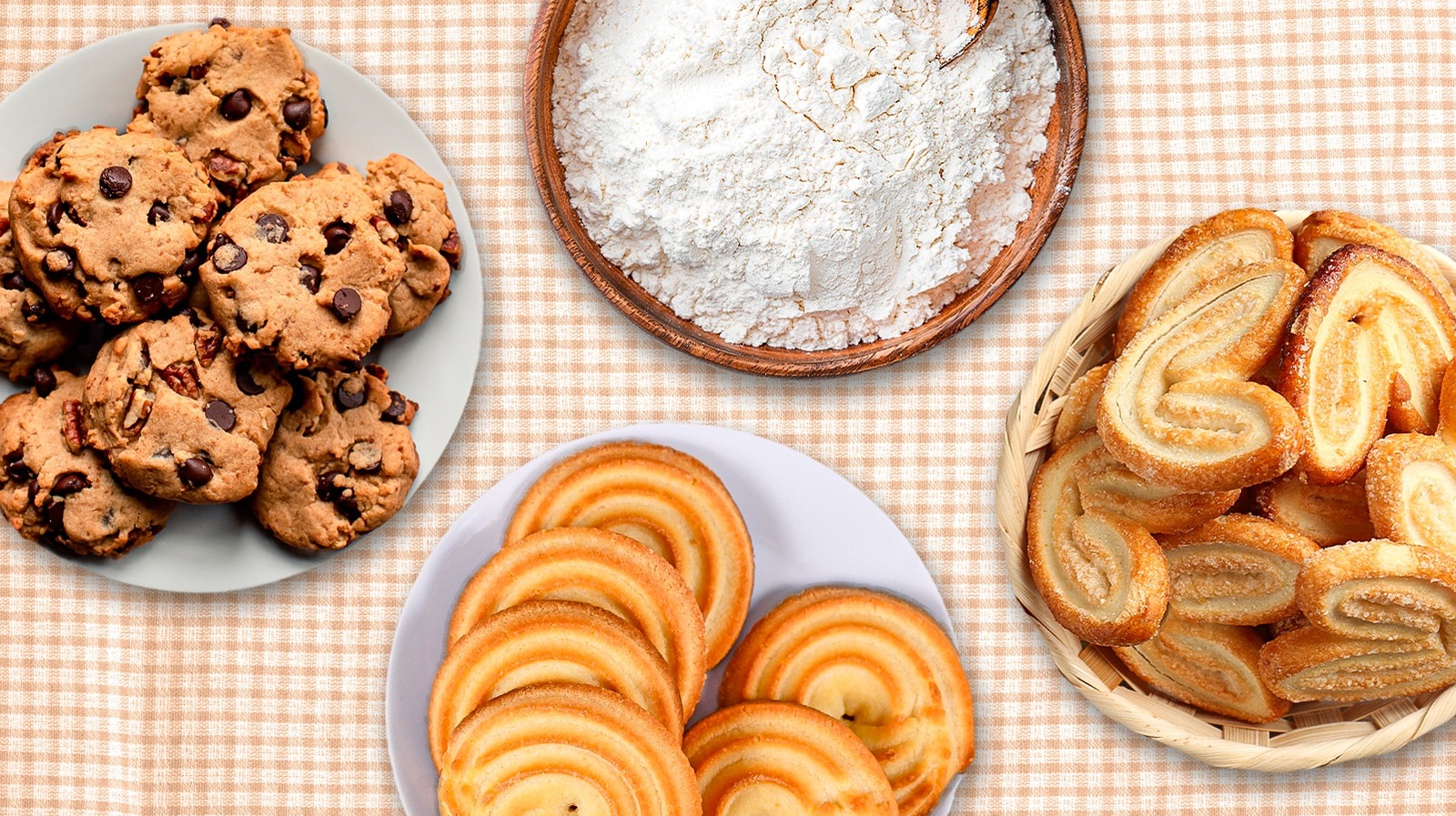

We’ve all been there. You spend hours measuring ingredients, mixing the dough, and baking what you hope will be the perfect batch of cookies. But when you finally take them out of the oven, you’re greeted with a batch of cookies that are too hard—much harder than the chewy, soft cookies you were dreaming of. What went wrong? Was it the recipe? The oven? The ingredients?
The answer isn’t as simple as it might seem. Achieving that perfect, melt-in-your-mouth cookie consistency requires some precise baking techniques. In this article, we’ll explore the science behind cookie texture, the common mistakes that lead to hard cookies, and how to create the ultimate soft cookie every time. Let’s uncover the secret to soft cookies.
The Science Behind Cookie Softness
At its core, baking is chemistry. Different ingredients and baking methods can dramatically change the texture of your cookies. So, why do some cookies come out soft, while others are like crunchy little rocks? The answer lies in the interplay of flour, fats, sugars, and moisture.
Flour: The Base Structure
Flour is the main structure-builder of cookies. It contains gluten proteins that, when mixed with water, create an elastic dough. The more you handle the dough, the more gluten develops. This is great for things like bread, where you want a chewy texture. However, when making cookies, too much gluten can result in tough, hard cookies.
To avoid this, many cookie recipes recommend using lower-protein flours like cake flour, which has less gluten-forming protein than all-purpose flour. Less gluten means a more tender texture.
Butter: The Softening Agent
Butter plays a pivotal role in making cookies soft. The fat in butter coats the flour particles, preventing them from forming too much gluten. The higher the butter content, the softer the cookie. This is why butter-heavy cookies like chocolate chip or shortbread are usually much softer than those made with oil.
Additionally, the temperature at which you use butter matters. If the butter is too cold, it won’t cream properly with the sugars, leading to a denser cookie. Room-temperature butter will give you the best texture, allowing the butter to blend with the sugar and create a smooth, airy dough.
Sugars: The Sweetness and Moisture Balancers
Both white granulated sugar and brown sugar are commonly used in cookies, but they impact the texture differently. Granulated sugar tends to make cookies crispier, while brown sugar—due to its higher moisture content and molasses—creates a softer, chewier texture.
When making soft cookies, it’s important to use more brown sugar than white sugar. Brown sugar retains moisture longer, which means your cookies will stay soft and chewy. White sugar tends to draw moisture away, which can lead to hard cookies once they cool.
Eggs: The Moisture Providers
Eggs not only act as a binding agent but also provide moisture to the dough. This moisture is essential for creating the soft, tender texture that we love in cookies. Overbeating eggs can lead to too much air in the dough, causing cookies to spread too thin and become crispy.
To keep your cookies soft, try to use large eggs and beat them lightly. You don’t want to incorporate too much air, but you also need to ensure the egg is well distributed throughout the dough.
Baking Time and Temperature: Timing Is Everything
The baking process is where many home bakers get it wrong. If you overbake your cookies, they will inevitably turn hard, even if the dough started out soft and chewy. The key to soft cookies is underbaking just slightly. Cookies continue to cook as they cool on the baking sheet, so they should come out of the oven when they’re just slightly underdone.
A good rule of thumb is to take the cookies out when the edges are lightly golden but the center is still soft. As they cool, the cookies will firm up to the perfect texture.
Common Mistakes That Lead to Hard Cookies
It’s easy to make a mistake in the kitchen, especially when it comes to baking cookies. Even small errors can result in a batch that’s less than ideal. Let’s look at the most common mistakes that cause cookies to turn out too hard and how to fix them.
1. Overmixing the Dough
As mentioned earlier, flour’s gluten forms when it’s combined with liquid. The more you mix the dough, the more gluten develops, which can make cookies tough. If you want soft cookies, mix just until the ingredients are combined. Don’t overdo it.
2. Using the Wrong Type of Flour
Using all-purpose flour instead of cake flour can make your cookies dense and hard. Cake flour has less protein, which results in less gluten formation, making the cookies lighter and softer.
3. Not Measuring Ingredients Correctly
Baking is a precise science, and even small missteps in measuring can cause problems. For example, too much flour can dry out the dough and lead to hard cookies. Always measure your flour by spooning it into the measuring cup and leveling it off with a knife to avoid overpacking the flour.
4. Using Cold Butter
Cold butter doesn’t cream well with sugar, which can lead to a dense dough. Always use butter at room temperature unless the recipe calls for chilled butter (such as in the case of shortcrust pastry). Room-temperature butter will incorporate air into the dough, making it fluffier and softer.
5. Overbaking
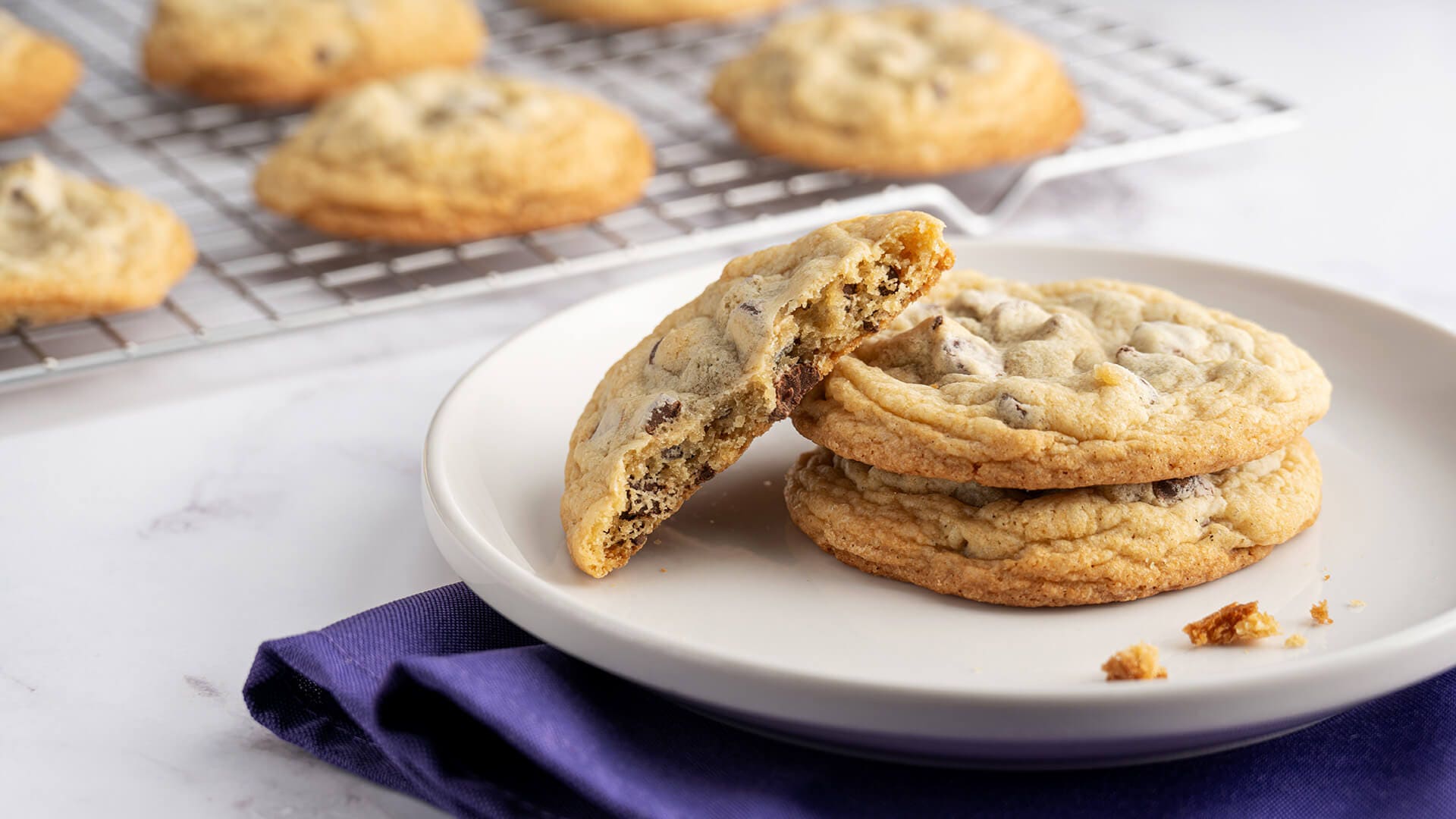
This is the most common mistake when it comes to hard cookies. Even if your cookies look a little soft when you pull them from the oven, they will firm up as they cool. It’s better to underbake slightly and let the residual heat finish cooking them. Keep a close eye on the timer and watch the edges for signs of doneness.
6. Not Allowing the Dough to Rest
Resting the dough allows the flour to fully hydrate and the gluten to relax. This step results in a more tender and chewy cookie. If you rush the process and bake the dough immediately, the cookies will likely be harder. Always chill your dough for at least 30 minutes before baking, if possible.
Tips for Achieving Perfectly Soft Cookies
Now that we’ve covered the science and common mistakes, let’s dive into some pro tips for achieving that perfect soft cookie.
1. Chill the Dough
Chilling the dough before baking serves multiple purposes. First, it prevents the cookies from spreading too much during baking, which can lead to crispy edges. Second, the dough becomes easier to handle, and the flavors have time to meld, creating a more complex taste.
2. Add Cornstarch
Cornstarch is often used in cookie recipes to make them softer and more tender. Just a teaspoon or two added to your dry ingredients will help prevent the cookies from becoming too hard. It works by absorbing moisture and preventing the dough from becoming dense.
3. Try Brown Butter
If you’re after a rich, soft cookie with deep flavor, consider browning your butter before adding it to the dough. Browning butter brings out its nutty flavors, adding complexity to your cookies without compromising softness. Just make sure to let the butter cool before using it in the dough.
4. Use an Extra Egg Yolk
For extra softness, consider adding an additional egg yolk to your cookie dough. Egg yolks add richness and moisture, which will give your cookies a chewier texture.
5. Invest in an Oven Thermometer
Ovens can be temperamental, and the temperature you set may not always match the actual temperature inside. An oven thermometer can help you get an accurate reading, ensuring that your cookies bake at the correct temperature.
6. Bake on a Silpat or Parchment Paper
Using a Silpat or parchment paper to line your baking sheet can help ensure even heat distribution, leading to more evenly baked cookies. These liners also prevent the cookies from sticking, so they won’t end up hard and dry from scraping them off a metal sheet.
Conclusion
Getting your cookies to the perfect soft and chewy texture may take a little practice, but it’s well worth the effort. By understanding the science behind baking, avoiding common mistakes, and following a few pro tips, you’ll be able to create cookies that are consistently soft, flavorful, and a delight to eat. Remember, the secret to the softest cookies lies in the balance of ingredients, the right techniques, and a little bit of patience.
Happy baking, and may your cookies always turn out just the way you want them—soft, warm, and irresistible!