





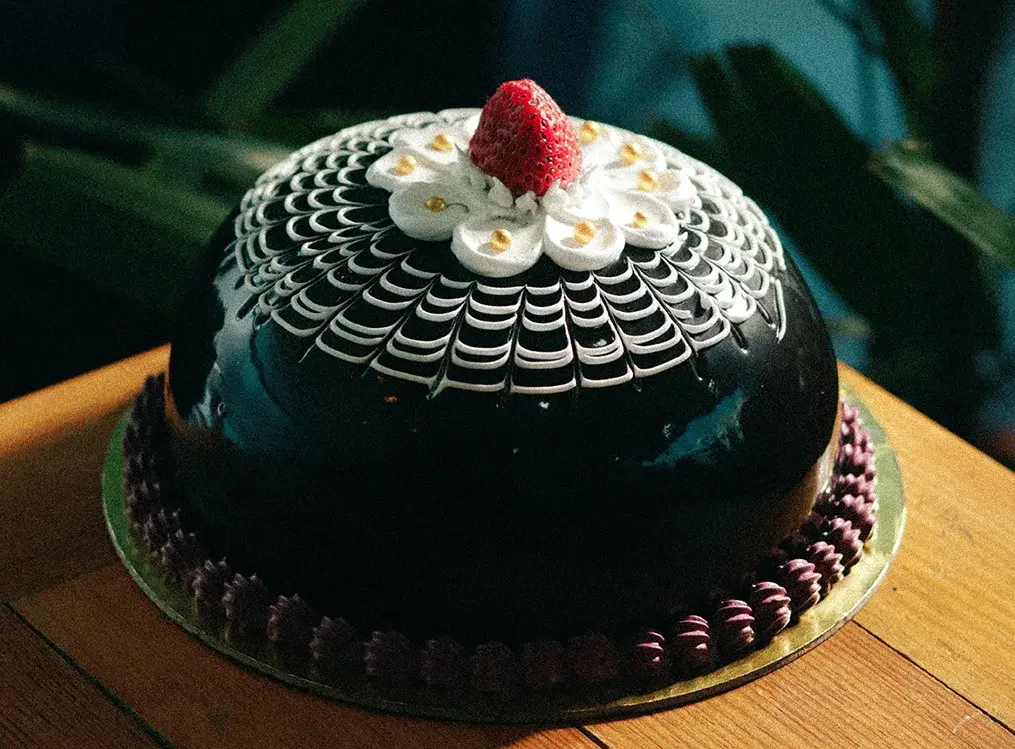

When it comes to baking, eggs have traditionally been a go-to ingredient. They help bind the batter, provide moisture, and contribute to the cake’s rise. But what if you’re allergic to eggs, prefer a vegan lifestyle, or simply ran out of them mid-bake? The good news is that you can absolutely make a decadent cake without eggs. In fact, there are numerous egg substitutes that can take your baking to the next level while keeping your cake moist, fluffy, and full of flavor.
In this article, we’ll dive into the world of egg-free cakes, exploring the science behind eggless baking, the best substitutes, and a few tips and tricks to make sure your cake comes out perfect every time.
The Role of Eggs in Cake Baking
Before we get into the alternatives, it’s important to understand why eggs are used in baking in the first place. Eggs play a variety of roles in cakes, including:
- Binding: Eggs help hold the cake together, preventing it from falling apart.
- Moisture: They add moisture, giving the cake its soft, tender texture.
- Leavening: Eggs contribute to the rise of the cake by helping air to be incorporated into the batter.
- Flavor: They add richness and flavor, which can enhance the overall taste of the cake.
So how do we replace all these roles? Let’s explore some of the best egg substitutes for baking.
Best Egg Substitutes for Cakes
1. Applesauce
Applesauce is a popular egg replacer, and for good reason. It works as a binder, adds moisture, and imparts a slight natural sweetness. To replace one egg, use 1/4 cup of unsweetened applesauce. It’s especially great in cakes where a hint of fruitiness complements the flavors, like in spice cakes or chocolate cakes.
Pro Tip: Use applesauce with cinnamon or spices for an added depth of flavor.
2. Mashed Banana
Bananas are another excellent egg substitute. Much like applesauce, mashed bananas help with binding and moisture. They bring a subtle flavor and natural sweetness, making them perfect for cakes like banana bread or chocolate cakes.
To replace one egg, use 1/4 cup of mashed banana. The riper the banana, the sweeter the cake will be.
Pro Tip: If you’re making a chocolate cake, the banana flavor won’t be as pronounced when paired with cocoa powder.

3. Flaxseed Meal
Flaxseed meal, mixed with water, creates a gel-like substance that mimics the texture of eggs. Flax eggs are a fantastic substitute for binding and moisture. To make a flax egg, combine 1 tablespoon of flaxseed meal with 3 tablespoons of water and let it sit for about 5 minutes until it thickens.
Flaxseed is ideal for cakes with a nutty or hearty profile, such as carrot cake or spiced cakes.
Pro Tip: Flax eggs tend to add a slight earthy flavor, so they work best in darker, more flavorful cakes.
4. Silken Tofu
Silken tofu is another great egg substitute, especially for achieving a dense, rich texture. It’s ideal for cakes that require structure and moisture but not a lot of rise. To replace one egg, blend 1/4 cup of silken tofu until smooth.
This is perfect for vegan cheesecakes, chocolate cakes, and dense pound cakes.
Pro Tip: Tofu is flavor-neutral, so it won’t affect the taste of your cake, but be mindful of the texture it adds.
5. Vinegar and Baking Soda
A combination of vinegar and baking soda creates a chemical reaction that helps cakes rise without eggs. The vinegar reacts with the baking soda to produce carbon dioxide, which makes the batter rise and become light and fluffy. For each egg, use 1 tablespoon of vinegar (white or apple cider) with 1 teaspoon of baking soda.
This mixture is ideal for light, airy cakes like vanilla sponge cakes or chiffon cakes.
Pro Tip: Add a little extra vanilla extract to balance the vinegar’s flavor.
6. Yogurt
Plain yogurt is another excellent substitute for eggs, especially if you’re looking to add a little tang to your cake. Yogurt helps with moisture and can create a tender crumb. To replace one egg, use 1/4 cup of yogurt. It works well in cakes like pound cakes, vanilla cakes, and even some chocolate cakes.
Pro Tip: If you’re using Greek yogurt, you might want to thin it with a bit of water or milk to get the right consistency.

7. Chia Seeds
Similar to flax seeds, chia seeds can be used to make a chia egg. When mixed with water, they form a gel-like consistency that works as a binder. To make a chia egg, combine 1 tablespoon of chia seeds with 3 tablespoons of water, and let it sit for about 5 minutes.
Chia seeds add a slight crunch and are great in cakes like carrot cake or fruit-based cakes.
Pro Tip: Chia seeds are nutrient-packed, so they’re a great choice for those looking to add extra health benefits to their cake.
The Science of Egg-Free Cakes
When replacing eggs, it’s not just about swapping one ingredient for another. The science behind it involves understanding how the substitute interacts with the other ingredients. Eggs provide structure, moisture, and leavening, so the key to a great egg-free cake is balancing these elements.
- Structure: Egg substitutes like flaxseed, tofu, and chia seeds provide structure to the cake, helping it hold its shape.
- Moisture: Applesauce, mashed banana, yogurt, and tofu all add moisture to the cake, ensuring it doesn’t dry out.
- Leavening: Ingredients like vinegar and baking soda or self-raising flour can replace the leavening effect that eggs provide.
Tips for Success in Eggless Baking
Eggless baking may require a little trial and error, but with these tips, you’ll have a foolproof approach:
- Measure Carefully: The consistency of your batter is key to a successful eggless cake. Too much liquid and your cake will be soggy; too little and it will be dense. Always measure your egg replacers carefully.
- Choose the Right Substitute for the Right Cake: Not every egg substitute works well in every type of cake. Lighter cakes like sponge cakes work well with vinegar and baking soda, while dense cakes like brownies or pound cakes benefit from silken tofu or yogurt.
- Don’t Overmix the Batter: Overmixing can cause your cake to be tough, especially when you’re not using eggs. Mix until just combined for the best texture.
- Add Moisture: Without eggs, cakes can sometimes be drier. Consider adding extra moisture with ingredients like coconut milk, almond milk, or even a splash of orange juice for extra flavor.
- Bake at the Right Temperature: Keep an eye on your baking times and temperatures. Eggless cakes can sometimes take a bit longer to cook, so it’s important to check with a toothpick before pulling it out of the oven.
- Consider Texture and Flavor Adjustments: Some egg replacers can add flavors or textures to your cake. For example, bananas or applesauce will add sweetness, while tofu will keep the flavor neutral. Adjust the flavor profile of your cake accordingly.
Common Mistakes to Avoid
- Substituting too much liquid: Egg substitutes often contain a lot of moisture, so don’t add extra liquids unless the recipe specifically calls for it.
- Using the wrong binder: Some cakes, like chiffon cakes, need a light texture, so a heavier binder like tofu might not work. Choose a light binder (like vinegar or yogurt) for these cakes.
- Not adjusting the baking time: Without eggs, your cake might need more or less time in the oven. Always check for doneness by inserting a toothpick in the center.
Conclusion
So, yes, you absolutely can make a decadent cake without eggs. Whether you’re vegan, have allergies, or simply forgot to pick up eggs at the store, there’s no need to worry. The key is to understand the role eggs play in baking and to use the right substitute for the job. With the right substitutes and techniques, you can create a cake that’s just as moist, fluffy, and delicious as any traditional egg-based cake.
Experiment with different egg alternatives, get creative with your flavors, and enjoy the sweet success of your egg-free baking adventures. Happy baking!