






Introduction: The Fifth Taste That Changed Everything
When we talk about taste, most people immediately think of sweet, sour, salty, and bitter. But lurking quietly among these familiar sensations is umami—a subtle, savory flavor that doesn’t shout but lingers. Japanese in origin, umami literally means “pleasant savory taste,” and it has transformed the way chefs, food scientists, and everyday cooks perceive flavor. Unlike sweetness or sourness, umami is not just detected by the tongue but experienced in the brain as a complex, satisfying sensation that enhances other tastes.
But what exactly is umami? Why do certain foods like Parmesan cheese, tomatoes, mushrooms, and even some seaweeds have this remarkable quality? This article dives deep into the science, chemistry, history, and culinary magic behind umami. By the end, you’ll see why this flavor is not just a taste but a subtle art form that bridges science and gastronomy.
The Science of Umami: What Your Tongue Really Tastes
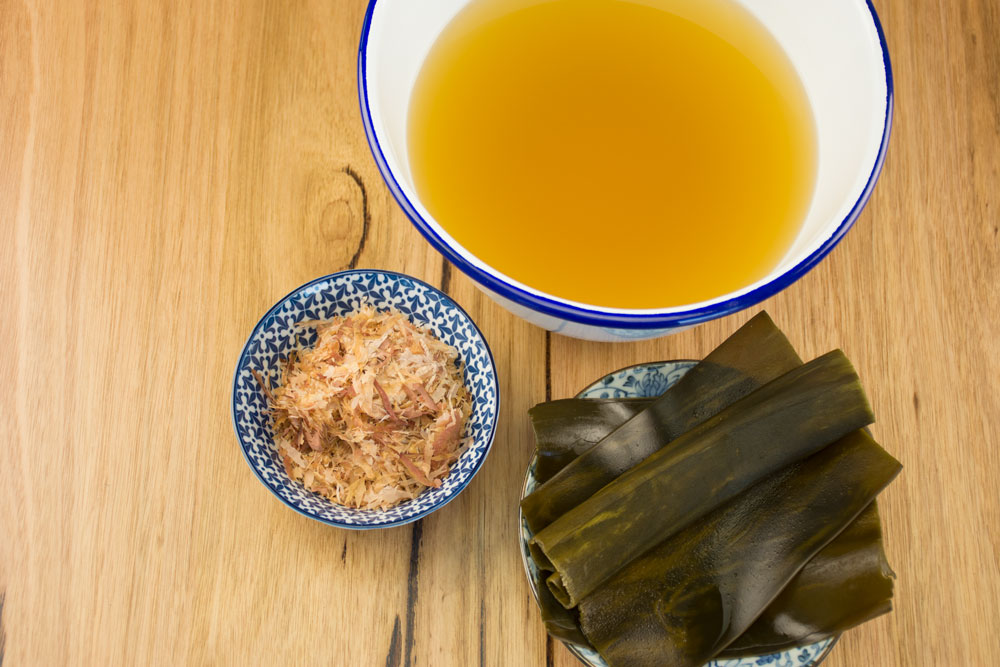
The discovery of umami began with a single scientist in 1908—Kikunae Ikeda, a Japanese chemist fascinated by the unique flavor of dashi, a traditional broth made from kombu seaweed. Ikeda realized that the taste couldn’t be explained by sweet, sour, salty, or bitter.
The Key Players: Glutamates and Nucleotides
Umami arises primarily from specific molecules called glutamates and nucleotides:
- Glutamate: An amino acid naturally present in many proteins. When broken down, it releases free glutamate, which binds to taste receptors on the tongue, signaling savory richness to the brain.
- Inosinate and Guanylate: Nucleotides found in meat, fish, and mushrooms. They have a synergistic effect with glutamate, making umami taste even more intense.
This synergy explains why combining ingredients like tomatoes and Parmesan or mushrooms and soy sauce often results in flavors that feel “greater than the sum of their parts.”
How Taste Receptors Work
Humans detect umami through specialized receptors called T1R1/T1R3 on the tongue. These receptors are sensitive to amino acids and nucleotides, triggering neural signals to the brain that are interpreted as savory, rich, and lingering. Unlike salty or sweet, umami doesn’t hit instantly—it develops over time, giving food a deeper, more satisfying taste profile.
Umami in Nature: Where the Magic Hides
The natural world is full of umami-rich ingredients. Understanding where umami comes from helps both cooks and food lovers appreciate its versatility.
Seaweed: The Original Umami Source
Kombu, a type of kelp, is one of the richest sources of free glutamate. Dashi, the Japanese broth made by simmering kombu and bonito flakes, is essentially an umami bomb. Seaweeds contain not only glutamates but also minerals that enhance overall flavor, making them essential in both traditional and modern cuisine.
Aged Cheeses: Glutamate’s Culinary Transformation
:max_bytes(150000):strip_icc()/what-is-umami-1664724_Hero_01-ec03cf9e0d8b40cbbbaba22917b6a9f6.jpg)
Cheese aging is essentially controlled protein breakdown. As proteins in milk break down into free amino acids like glutamate, the cheese develops a complex, savory taste. Parmesan, Roquefort, and aged Gouda are famous examples where glutamate content is exceptionally high.
Tomatoes: Nature’s Sweet-and-Savory Balance
Tomatoes are unique because they balance natural sugars, acids, and glutamates. Cooking tomatoes concentrates their umami compounds, which is why a sun-dried tomato or a slow-simmered tomato sauce tastes so much more savory than a raw tomato.
Mushrooms: The Forest Umami
Certain fungi, particularly shiitake, maitake, and porcini, are rich in guanylate nucleotides, which amplify the glutamate in other ingredients. This is why adding mushrooms to a vegetarian dish can give it a meat-like depth without using actual meat.
Meat and Fish: Nucleotides at Work
Meat, especially cured or aged meats, and fish are loaded with inosinate. Dry-aging beef or fermenting fish amplifies these nucleotides, explaining the deep flavor of steak, prosciutto, or dried bonito flakes.
The Culinary Impact of Umami
Umami is not just a scientific curiosity—it’s a tool chefs wield to transform food.
Enhancing Flavor Without Salt
Because umami stimulates taste receptors, it can make dishes taste fuller and more satisfying, even with less sodium. This has revolutionized health-conscious cooking, allowing for lower-salt recipes that still feel rich and indulgent.
Layering Umami
Professional chefs often layer umami by combining ingredients that complement each other’s glutamates and nucleotides. A classic example: Tomato + Parmesan + Anchovy. Each ingredient brings different compounds that interact synergistically, creating a deep, lingering savory taste.
Texture and Aroma Interactions
Umami doesn’t act in isolation. It enhances the perception of aroma and even the mouthfeel of food. For example, a broth rich in umami will feel thicker, more satisfying, and aromatic, even if it contains minimal fat.
Fermentation: Nature’s Umami Accelerator
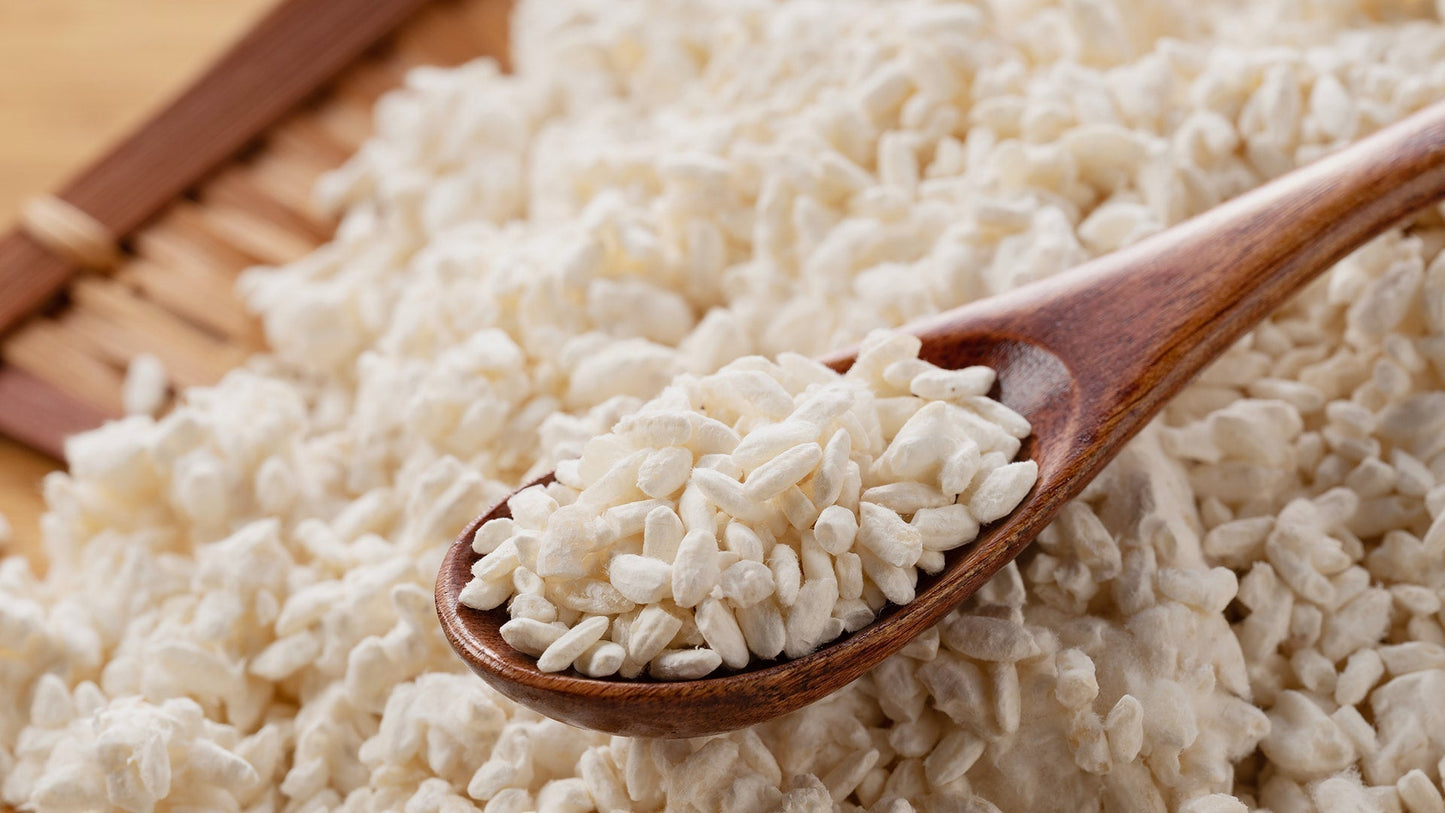
Fermentation is one of the most powerful ways to unlock umami. Microorganisms break down proteins into free amino acids, dramatically increasing glutamate content. Examples include:
- Soy Sauce and Miso: Fermented soybeans produce a wealth of glutamates and other flavor compounds.
- Fish Sauce: Fermented fish is rich in both glutamates and inosinate, resulting in a salty, savory depth.
- Kimchi and Pickles: Even fermented vegetables develop subtle umami through microbial action.
Fermentation not only intensifies umami but also adds complexity, making foods taste more layered and memorable.
Umami Beyond Food: The Psychological Effect
Umami doesn’t just taste good—it feels satisfying. Research suggests that umami-rich foods may increase satiety and trigger the brain’s reward system. That’s why a well-cooked bowl of ramen, a slice of aged cheese, or a rich mushroom risotto leaves you feeling genuinely satisfied.
Umami in Modern Cuisine
Modern chefs and food scientists are obsessed with umami. Molecular gastronomy often explores umami compounds to enhance flavor without adding extra fat or salt.
The Rise of Umami Seasonings
Monosodium glutamate (MSG) has become a widely recognized way to deliver umami. When used properly, MSG can make dishes taste richer and more balanced without a metallic or overly salty taste.
Plant-Based Cooking and Umami
As plant-based diets grow in popularity, chefs are exploring umami-rich vegetables, mushrooms, fermented sauces, and nutritional yeast to mimic the depth of flavor traditionally provided by meat. Umami is key to making plant-based dishes feel indulgent rather than bland.
Global Umami Perspectives
Umami is not limited to Japanese cuisine. Every culture has its umami treasures:
- Italy: Parmesan, sun-dried tomatoes, cured meats.
- China: Fermented black beans, soy sauce, dried seafood.
- France: Aged cheeses, stocks, cured hams.
- Korea: Fermented sauces like gochujang and doenjang.
The global recognition of umami is changing the way people cook, combining science and tradition for richer, more complex flavor experiences.
The Future of Umami
Food science continues to unlock new umami pathways. Scientists are exploring how plants can be bred to naturally increase glutamate levels. There’s even research into creating “designer umami” compounds for food innovation, helping people eat healthier without sacrificing taste.
Umami is also influencing sustainability. By making plant-based foods taste richer, umami compounds could reduce reliance on meat while satisfying our natural craving for savory flavor.
Conclusion: More Than a Taste
Umami is the quiet genius of flavor. It’s subtle, lingering, and complex, yet universally appealing. From the seaweed of Japan to the cheeses of Italy, from fermented sauces to perfectly roasted vegetables, umami bridges science and culinary art.
Understanding umami isn’t just about identifying a taste—it’s about enhancing experiences, deepening flavor, and creating dishes that satisfy both the palate and the brain. By appreciating the chemistry, history, and culinary techniques behind umami, anyone can unlock the secret of truly memorable food.