





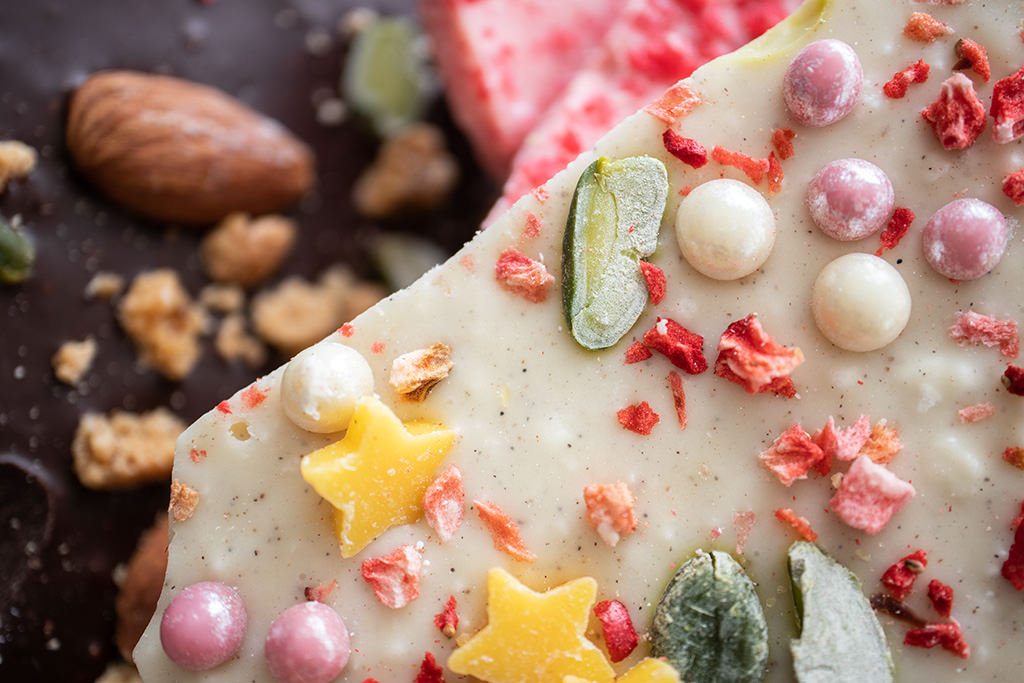

Food photography has become an art form in its own right. It transcends mere documentation of food and elevates it into something sensual, almost cinematic. Whether it’s a perfectly styled brunch plate on Instagram or a mouth-watering shot in a glossy cookbook, the visual appeal of food photography has a magnetic effect. So, what makes food photography so irresistible? How does it capture our attention, spark our appetites, and compel us to stop scrolling or pick up a magazine? This article delves into the psychology, artistry, and technique behind food photography and why it continues to captivate millions.
The Power of Visual Appeal
Humans are inherently visual creatures. Our brains process images far faster than words. When we see something beautiful or intriguing, it draws us in almost instinctively. Food, being a universal and essential part of life, is naturally one of those things that grabs our attention. But it’s not just any food; it’s the food that’s been thoughtfully and artistically captured through a lens.
The colors, textures, and shapes of food can evoke powerful emotions. Bright reds of a ripe strawberry, the golden hue of perfectly roasted chicken, or the glistening sheen on a well-drizzled sauce all play a role in making food look irresistible. The visual elements not only communicate freshness and quality but also trigger a sensory reaction that makes us crave what we see.
Food photography taps into this sensory experience by portraying food in a way that is designed to awaken the senses. It often emphasizes textures, contrasts, and vivid colors to create a visually stimulating effect. A simple plate of pasta, for example, is made far more appealing when presented with rich, creamy sauce, finely grated cheese, and a sprinkle of fresh basil.
The Art of Styling
Styling is a crucial element of food photography that separates the mundane from the mesmerizing. A well-styled plate can turn even the simplest dish into a work of art. Food stylists, who work closely with photographers, often spend hours perfecting the arrangement of ingredients, adjusting the lighting, and selecting props that enhance the food’s aesthetic value.
Styling can range from minimalistic presentations where the food takes center stage, to elaborate setups that include decorative elements like napkins, tableware, and rustic wooden tables. Some food photographers prefer a more natural, unpolished look to create a sense of authenticity, while others go for a polished, magazine-ready finish. Either way, the goal is to capture the food in its most appealing light.
Lighting: The Secret Ingredient
One of the most important technical aspects of food photography is lighting. A photograph can be transformed from dull to dazzling depending on how light is used. Lighting helps to highlight the food’s textures, shine, and colors while casting shadows that add depth and dimension to the image.
:max_bytes(150000):strip_icc()/__opt__aboutcom__coeus__resources__content_migration__serious_eats__seriouseats.com__images__2015__09__20150919-food-styling-progression-4e0ce2b033a64fbf92ef622d1289e61a.jpg)
Soft, diffused light is often preferred for food photography because it creates a gentle, flattering effect that enhances the food’s natural beauty. Natural light is often the go-to choice for many photographers, especially for those who specialize in casual, lifestyle food photography. However, artificial lighting can also be used to achieve specific effects or to photograph food in more controlled environments.
A well-lit food photograph can emphasize the juicy tenderness of a steak or the delicate layers of a cake, creating an almost palpable sense of texture. The interplay of light and shadow not only makes the food look appetizing but also adds an artistic, almost painterly quality to the image.
The Role of Texture and Detail
One of the key ingredients of irresistible food photography is texture. The texture of food can evoke a wide range of sensations, from the crisp crunch of a freshly baked croissant to the creamy smoothness of a slice of cheesecake. Photographers use close-up shots, shallow depth of field, and lighting to highlight these textures, making them feel almost tangible.
The details matter. A sprinkle of salt on a perfectly cooked steak, a glossy coating on a freshly baked donut, or a dollop of whipped cream atop a warm pie – these small touches enhance the overall visual experience. Every little detail in a food photograph contributes to the story the image tells, whether it’s a decadent dessert, a rustic dish, or a fresh salad.
Textures and details also enhance the emotional connection viewers have with food photography. It’s not just about looking at food; it’s about feeling it. A photo that captures the crispy edge of a pizza crust, or the silky smoothness of a chocolate ganache, invites the viewer to imagine the sensation of biting into it. This tactile dimension is what makes food photography so immersive.
The Influence of Color Psychology
Colors are more than just a visual element; they also influence our emotions and perceptions. Food photography takes full advantage of color psychology to evoke specific feelings. The color red, for example, is often associated with warmth, energy, and passion, making it a popular choice for capturing fruits like strawberries, tomatoes, or peppers. Similarly, green is often linked to freshness, vitality, and health, which is why leafy greens and fresh vegetables are often photographed in bright, vibrant hues.
In food photography, color contrast plays a critical role. A bright yellow lemon zest against a deep, dark chocolate cake, or a vibrant orange sauce against a plate of white pasta, can create a sense of harmony while drawing attention to key details. The careful use of color helps to balance the composition and make the food look more appetizing.
Sometimes, color combinations can even tell a story. Think of a plate of food that uses a mix of warm and cool tones to convey comfort and sophistication. A perfectly composed dish, with the right use of color contrast, draws the viewer’s eye in and creates a desire to taste the food.

The Emotional Connection
Food is an emotional experience. It’s tied to memories, culture, and comfort. The best food photography doesn’t just show food; it evokes an emotional response. A photo of a steaming cup of coffee on a rainy morning can bring to mind feelings of warmth and coziness. A beautifully arranged brunch spread can evoke memories of weekends spent with friends and family.
Food photography taps into the deep emotional connections we have with food. For many people, food is not just about sustenance – it’s about pleasure, tradition, and identity. The way food is presented in photographs can remind us of moments of happiness, relaxation, or indulgence. This emotional connection is what makes food photography so compelling and unforgettable.
The Rise of Social Media and Food Blogging
The evolution of social media has significantly contributed to the popularity of food photography. Platforms like Instagram, Pinterest, and food blogs have created a space where beautiful food images can be shared and appreciated by a global audience. Hashtags like #foodporn and #foodie have turned food photography into a digital art form.
Social media encourages food photographers to be more creative, constantly experimenting with new techniques, compositions, and color schemes to capture the perfect shot. The rise of influencers and food bloggers has also shifted the focus from traditional food advertising to more authentic, user-generated content. Food photos on social media are often less polished than those in professional magazines, but they offer a more relatable, candid glimpse into the world of food.
As food photography has become more accessible, thanks to smartphone cameras and photo-editing apps, almost anyone can capture and share stunning images of food. This democratization of food photography has led to an explosion of content online, further fueling the public’s obsession with food visuals.
The Psychology of Cravings
Food photography is not just about aesthetics – it’s deeply tied to psychology. Studies have shown that looking at images of food can trigger the brain’s reward system and increase appetite. The right combination of colors, textures, and compositions can make a viewer’s mouth water, even if they’re not physically hungry.
There’s also an element of anticipation in food photography. A photo can make you crave something even if it’s not something you were initially interested in. When done right, a food photograph can spark a desire to taste, experience, and enjoy what’s depicted. The more appealing the image, the stronger the craving.
The Digital Age of Instant Gratification
In today’s digital world, we’ve come to expect immediate satisfaction. Food photography plays into this desire for instant gratification. A beautiful food photo can be almost as satisfying as the real thing – at least in the moment. Social media platforms, websites, and food apps have made it easy to consume food content quickly, leading to a fast-paced cycle of craving, viewing, and sharing.
With the rise of influencer culture and online food communities, food photography has become a form of visual entertainment. People scroll through their feeds not just for inspiration but for pleasure. It’s an experience that feels almost tangible, even though it’s digital.
Conclusion
Food photography has become a multifaceted art form that is both visually stimulating and emotionally engaging. It combines elements of psychology, artistry, and technology to create images that are not only visually appealing but also deeply immersive. Whether it’s the bright colors, the delicate textures, or the emotional associations with food, there’s something undeniably captivating about how food is portrayed through the lens.
In a world where food is more than just fuel, food photography taps into our desires, our senses, and our emotions. It makes us stop, look, and imagine tasting the food before us. That’s what makes food photography so irresistible – it’s not just about food; it’s about the experience.