





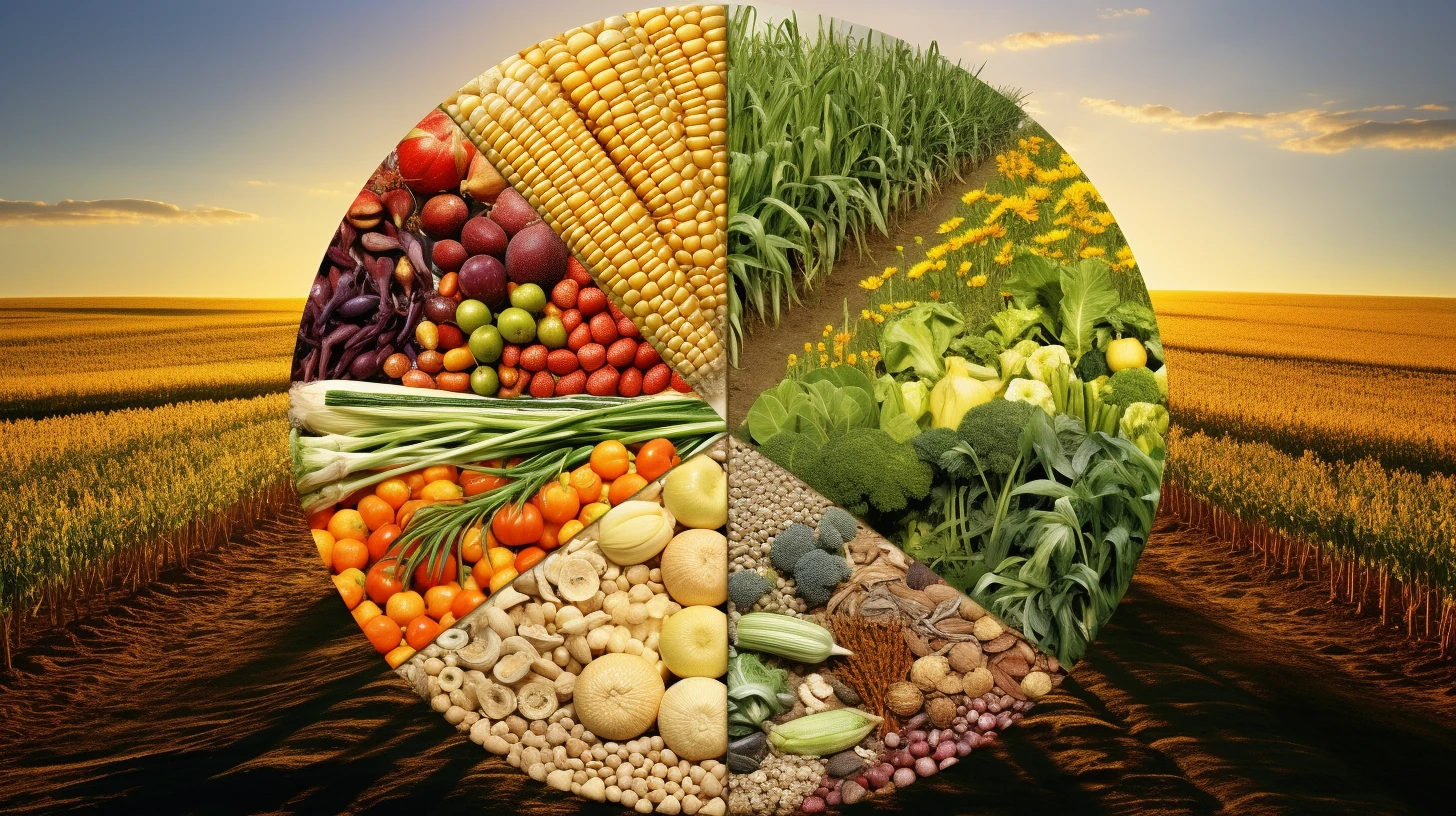

Food is not just about fuel; it’s an essential element that connects us to our health and the planet. Every meal we consume carries consequences, not only for our bodies but also for the environment. With growing concerns about climate change, pollution, and chronic diseases, understanding the ripple effects of our food choices has never been more important.
In this article, we will explore how different food choices affect our health and the environment, diving into the scientific and practical aspects of these connections. From the rise of plant-based diets to the environmental toll of processed foods, we will look at how what’s on our plates shapes the world around us.
1. The Impact of Food on Human Health
Nutritional Value: More Than Just Calories
Our food choices are directly linked to our health. The nutrients in food—vitamins, minerals, proteins, fats, and carbohydrates—are the building blocks of our well-being. What we eat influences everything from our energy levels and immune function to our risk of developing chronic diseases like heart disease, diabetes, and cancer.
- Fruits and Vegetables: Rich in vitamins, minerals, fiber, and antioxidants, fruits and vegetables are widely recognized as essential to a healthy diet. Studies consistently show that a diet rich in these foods lowers the risk of chronic illnesses, improves digestion, and helps maintain a healthy weight.
- Whole Grains: Foods like oats, brown rice, and quinoa are high in fiber, which aids in digestion and stabilizes blood sugar levels. Whole grains have been linked to a reduced risk of cardiovascular disease and diabetes.
- Processed Foods: In contrast, processed and ultra-processed foods, such as sugary snacks, fast food, and packaged meals, are often high in unhealthy fats, sugars, and sodium. These foods contribute to weight gain, high blood pressure, and a higher risk of developing obesity-related diseases.
A healthy diet emphasizes fresh, minimally processed foods, which support optimal health, while highly processed and nutrient-poor foods can contribute to a range of preventable diseases.
The Growing Crisis: Obesity and Diet-Related Illnesses
One of the most significant health challenges in the modern world is the rise of obesity and diet-related diseases. Poor food choices are a primary factor behind this crisis. For example:
- Obesity: The consumption of high-calorie, low-nutrient foods has led to rising obesity rates worldwide. Obesity, in turn, increases the risk of heart disease, stroke, and Type 2 diabetes.
- Heart Disease: A diet high in saturated fats, cholesterol, and sodium contributes to the buildup of plaque in arteries, leading to heart disease and high blood pressure.
- Cancer: Certain foods, such as red and processed meats, have been linked to an increased risk of developing cancer, especially colorectal cancer.
The global increase in diet-related illnesses has sparked a greater emphasis on nutritional education, with many experts advocating for a more balanced and plant-centric approach to eating.
2. The Environmental Impact of Food Choices
While food choices significantly affect human health, they also have a profound impact on the environment. The agricultural industry is one of the largest contributors to environmental degradation, encompassing deforestation, water pollution, greenhouse gas emissions, and loss of biodiversity.
The Carbon Footprint of Food
Every food item we eat has a carbon footprint, which refers to the amount of greenhouse gases (GHGs) emitted during its production, transportation, and consumption. Foods like beef and dairy, which require extensive land use and produce large amounts of methane, have the highest carbon footprints. Conversely, plant-based foods generally have a smaller environmental impact.

- Meat and Dairy: The production of meat and dairy products is a leading contributor to climate change. Cattle farming, for instance, is responsible for significant methane emissions, a greenhouse gas that is many times more potent than carbon dioxide. Additionally, large-scale animal farming requires vast amounts of land, water, and feed, leading to deforestation and soil degradation.
- Plant-Based Foods: On the other hand, plant-based foods like vegetables, fruits, legumes, and grains typically have lower carbon footprints. For example, producing one kilogram of beef generates over 60 kilograms of carbon dioxide equivalent (CO2e), whereas producing the same amount of lentils results in just 0.9 kilograms of CO2e.
The shift toward plant-based diets has the potential to significantly reduce our personal and collective carbon footprints, helping mitigate climate change and its associated impacts.
Land Use and Deforestation
Agriculture, particularly livestock farming, is a leading driver of deforestation worldwide. Forests are cleared to create grazing land for cattle or to grow crops that will be used as animal feed, such as soy and corn. This process leads to the loss of biodiversity, as countless species of plants and animals lose their natural habitats.
- Cattle Ranching: In countries like Brazil, vast areas of the Amazon rainforest are being cleared to make way for cattle ranching. The Amazon, often referred to as the “lungs of the Earth,” plays a crucial role in absorbing carbon dioxide and producing oxygen. Deforestation not only contributes to climate change but also threatens species that rely on these forests for survival.
- Agricultural Expansion: As demand for food grows, particularly for animal-based products, more forests and natural ecosystems are destroyed to meet agricultural needs. This reduces the Earth’s ability to absorb carbon and exacerbates global warming.
By shifting to more sustainable farming practices and reducing the demand for animal products, we can help preserve vital ecosystems and combat deforestation.
Water Usage and Pollution
Water is an essential resource for all life on Earth, and the food industry is one of the largest consumers of water. However, not all food choices are equally water-efficient.
- Water-Intensive Crops: Some crops, like almonds, avocados, and rice, require large amounts of water to grow. Almonds, for instance, are often criticized for their high water consumption, particularly in drought-prone areas like California.
- Animal Agriculture: Animal farming is a major contributor to water pollution, as animal waste, pesticides, and fertilizers often run off into nearby water sources, leading to contamination. Additionally, the water required for raising animals is staggering. It takes approximately 1,800 gallons of water to produce just one pound of beef.
Switching to plant-based foods and supporting water-efficient farming practices can help alleviate the pressure on water resources and reduce pollution.
3. How We Can Make a Difference: Tips for Healthier and More Sustainable Eating
Prioritize Whole, Plant-Based Foods
One of the most impactful changes you can make to improve both your health and the environment is to prioritize plant-based foods. Eating more fruits, vegetables, legumes, nuts, and whole grains can reduce your intake of unhealthy fats and processed sugars while also lowering your carbon footprint. The more plant-based your diet, the lower your environmental impact.
- Benefits for Health: A plant-based diet is rich in fiber, antioxidants, and essential nutrients. It has been shown to reduce the risk of chronic diseases like heart disease, diabetes, and cancer.
- Benefits for the Environment: Plant-based foods require fewer natural resources (land, water) and produce fewer greenhouse gas emissions compared to animal products.

Reduce Food Waste
Food waste is a major environmental problem. According to the United Nations, approximately one-third of all food produced globally is wasted. This waste has a significant environmental cost, as it involves unnecessary resource use (water, energy, land) and produces methane when decomposing in landfills.
- Smart Shopping: Plan your meals, buy only what you need, and store food properly to extend its shelf life.
- Creative Cooking: Use leftovers creatively to reduce waste. For example, vegetable scraps can be used to make broths, and stale bread can be turned into croutons.
Reducing food waste is a simple yet effective way to lower your environmental footprint.
Support Sustainable Food Systems
Supporting sustainable farming practices is key to promoting both environmental and health benefits. Choose organic, locally grown, and seasonal produce when possible. Look for certifications like Fair Trade or Rainforest Alliance, which ensure that food is produced under more ethical and environmentally friendly conditions.
- Local and Seasonal: Eating locally grown, seasonal produce reduces the carbon emissions associated with transporting food long distances.
- Sustainable Meat: If you choose to eat meat, look for sustainably raised options. Grass-fed beef, free-range poultry, and pasture-raised pork are typically better for the environment than factory-farmed alternatives.
Reduce Processed and Red Meat Consumption
Processed foods, including packaged snacks, sugary drinks, and fast food, are not only detrimental to health but also to the environment. These foods are often produced using unsustainable agricultural practices and contribute to higher levels of waste and carbon emissions.
- Less Red Meat: Cutting back on red meat, particularly beef and lamb, can significantly lower your environmental footprint. Opt for more plant-based proteins like beans, lentils, and tofu.
- Processed Foods: Highly processed foods require energy-intensive production processes and often contain preservatives and additives that can be harmful to both human health and the environment.
4. Conclusion
Our food choices are a powerful tool for improving both our health and the health of the planet. By making more mindful decisions about what we eat, we can reduce the negative impacts of food production, lower our carbon footprints, and support more sustainable agricultural practices.
Whether it’s eating more plant-based meals, reducing food waste, or choosing sustainable food options, every small change we make can have a ripple effect, improving our lives and the world around us.