





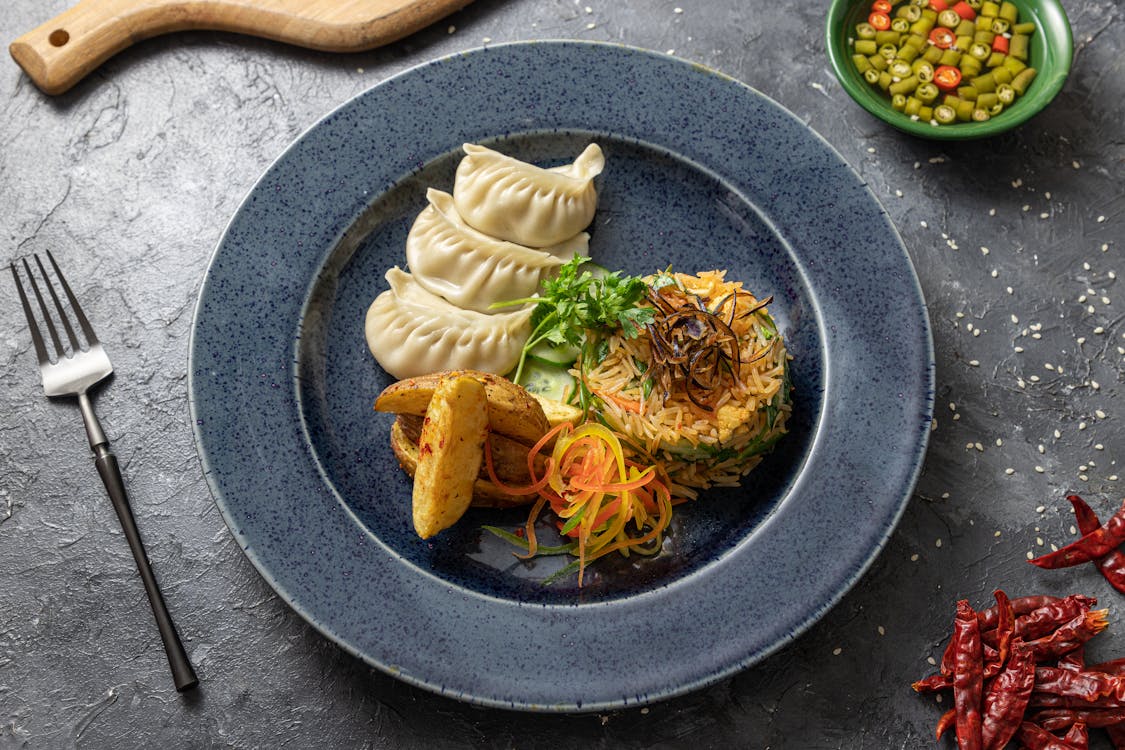

Fusion cuisine is more than just a trend; it’s a culinary phenomenon that excites our taste buds, challenges our expectations, and reflects the interconnected world we live in. But why exactly do we love it so much? The answer lies at the intersection of culture, psychology, creativity, and even science. Let’s take a delicious journey into the world of fusion cuisine.
1. A Playground for Creativity
Fusion cuisine transforms the kitchen into a laboratory of flavors. Chefs experiment with spices, textures, and cooking methods from different cultures, creating combinations that might have seemed impossible before. Think of sushi tacos, kimchi quesadillas, or chocolate-infused ramen. These unexpected pairings not only surprise our palate but also showcase human ingenuity.
Creativity is at the heart of fusion cuisine. It encourages chefs to break rules without breaking the harmony of taste. By merging culinary traditions, fusion food becomes a canvas for innovation, making dining an adventure rather than a routine.
2. Globalization on a Plate
In an era where international travel and digital connectivity are commonplace, we are exposed to diverse flavors like never before. Fusion cuisine mirrors this cultural exchange. When Korean gochujang meets Mexican mole, or Italian pasta embraces Thai curry, it symbolizes a world without borders—a world where flavors travel freely.
Food is a universal language. Fusion cuisine allows people to experience other cultures without leaving their city. It also fosters curiosity and openness, making diners more willing to explore foreign ingredients, techniques, and stories.
3. Sensory Excitement
Our brains crave novelty. Evolutionarily, humans are wired to seek new experiences, and food is no exception. Fusion cuisine provides that thrill: the crunch of tempura with the zest of Peruvian peppers, the sweetness of mango in a curry, the smoky aroma of barbecue in a sushi roll.
This sensory stimulation engages multiple senses simultaneously—taste, smell, sight, and even texture—making fusion meals memorable. In essence, fusion cuisine is a playground for our senses, a form of edible entertainment.
4. Breaking Monotony
Traditional cuisine can be comforting, but it can also feel predictable. Fusion food disrupts the ordinary. By blending disparate culinary elements, it reinvents classics and challenges what we consider “normal” on a plate.
For example, consider the hybrid burger: combining Asian bao buns with American beef patties. It’s familiar yet novel, simple yet complex. This duality keeps our taste buds alert and engaged, making dining a dynamic experience rather than a passive one.
5. Scientific Foundations of Flavor
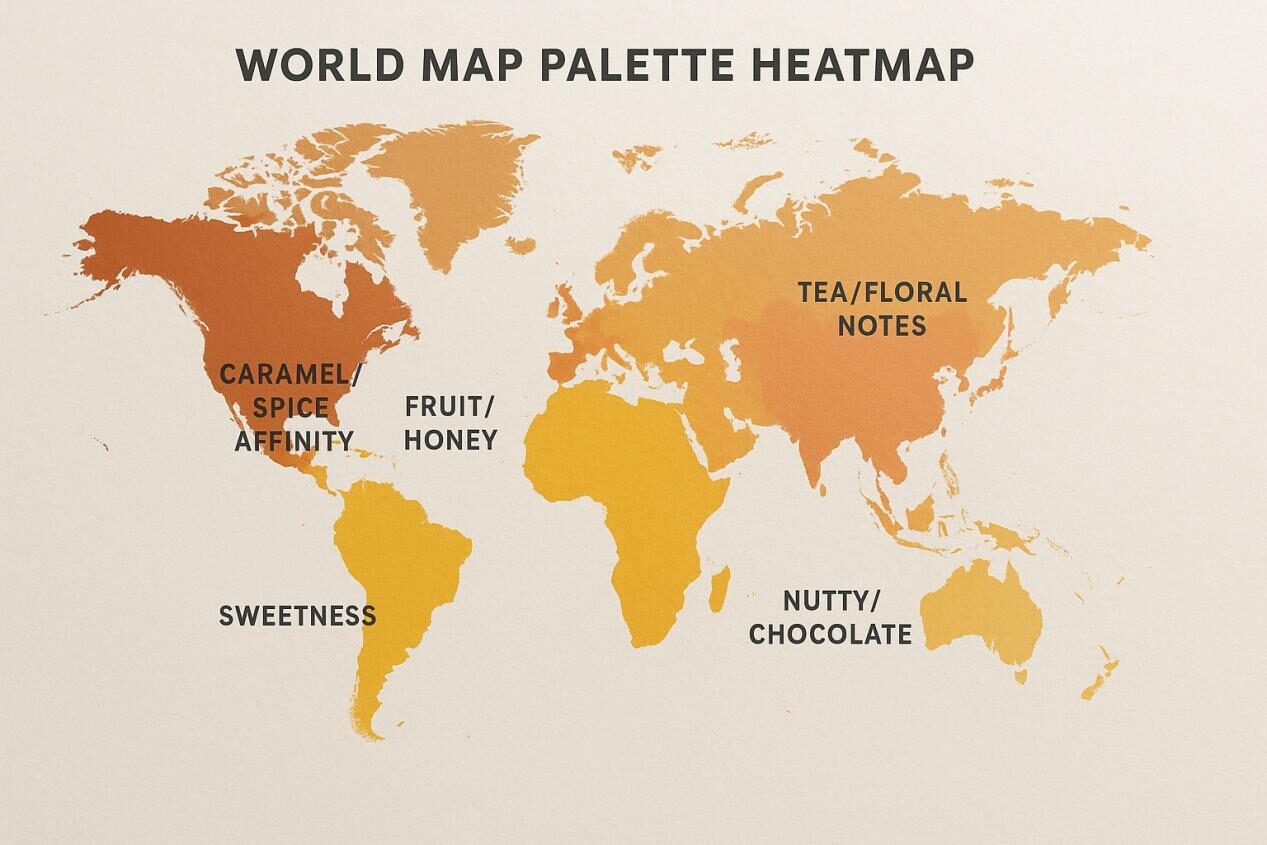
Fusion cuisine is not just art—it’s science. Flavors combine according to chemical compounds, pH levels, and aroma molecules. Certain ingredients from different cuisines pair surprisingly well due to shared flavor compounds, while others clash.
For instance, tomatoes in Italian pasta and gochujang in Korean dishes share umami richness. When balanced, these elements create a symphony of taste. Understanding the science behind fusion helps chefs craft dishes that excite without overwhelming, blending intuition with molecular gastronomy.
6. A Cultural Dialogue
Every fusion dish tells a story. It’s a dialogue between cultures, an edible conversation where ingredients become words, cooking methods become grammar, and plating becomes punctuation.
When Indian spices meet French sauces or Japanese miso enhances a Mediterranean stew, it’s more than flavor—it’s cultural empathy. Fusion cuisine allows chefs and diners alike to celebrate diversity, respect tradition, and innovate simultaneously.
7. Accessibility and Adaptability
Fusion cuisine thrives because it is flexible. It adapts to local ingredients, dietary restrictions, and personal preferences. Vegetarian sushi burritos, gluten-free pizza with Thai peanut sauce, or plant-based Korean tacos show how fusion accommodates modern lifestyles.
This adaptability ensures that fusion cuisine remains relevant, accessible, and inclusive. It’s not limited to elite restaurants; street vendors, home cooks, and food trucks all contribute to the movement, making global flavors approachable for everyone.
8. The Psychology of Surprise and Delight
Why do we laugh at a clever joke or marvel at a magician’s trick? Our brains love surprise. Fusion cuisine taps into the same mechanism. Unexpected flavor combinations, playful presentations, and creative names stimulate curiosity and joy.
Diners are engaged both cognitively and emotionally. The thrill of the unexpected enhances satisfaction, making meals not just sustenance, but an experience that lingers in memory.

9. Visual Appeal and Social Media
In the modern age, food is also visual art. Fusion dishes often feature vibrant colors, contrasting textures, and imaginative plating. Think rainbow sushi rolls, charcoal-infused ice cream, or floral-infused cocktails.
These visually striking creations are tailor-made for sharing on social media, turning dining into a communal event. The aesthetics amplify our enjoyment, creating a multisensory narrative where taste, sight, and even storytelling intersect.
10. Nostalgia Meets Novelty
Fusion cuisine cleverly balances the familiar with the unfamiliar. By incorporating comfort food elements from one culture into another, it evokes nostalgia while delivering new experiences.
A ramen burger, for instance, combines the familiarity of soft burger buns and juicy patties with the novel texture of fried ramen noodles. This combination triggers positive memories while simultaneously satisfying our craving for novelty—a psychological sweet spot.
11. The Role of Travel and Migration
Historical migrations, trade routes, and travel have always shaped cuisine. Fusion is an extension of this natural evolution. Spices, grains, and techniques cross borders, and eventually, dishes emerge that are a blend of histories, geographies, and identities.
Modern fusion cuisine accelerates this process, compressing centuries of culinary evolution into a single plate. It’s a testament to human mobility, curiosity, and adaptability—a delicious reflection of global interconnectedness.
12. Challenges and Criticisms
Fusion cuisine is not without controversy. Critics argue that some combinations are gimmicky or disrespectful to traditional dishes. Balancing authenticity and innovation is delicate; a misstep can turn creativity into confusion.
However, when done thoughtfully, fusion honors its roots while celebrating experimentation. It’s an art of balance—between respect for tradition, scientific precision, and imaginative flair.
13. The Future of Fusion Cuisine
The future of fusion cuisine is promising. Emerging trends include plant-based fusion, sustainable seafood combinations, molecular gastronomy experiments, and AI-assisted recipe creation. Chefs are exploring new flavor frontiers while remaining mindful of health, sustainability, and cultural sensitivity.
As our world continues to blend, so too will our food. Fusion cuisine will evolve as a mirror of society—ever-changing, boundary-pushing, and deliciously inclusive.
Conclusion
So why do we love fusion cuisine so much? It excites our senses, challenges our expectations, and celebrates human creativity and cultural interconnectedness. It balances familiarity with novelty, science with art, and tradition with innovation. In a rapidly globalizing world, fusion cuisine is more than just food—it’s a reflection of who we are: curious, adventurous, and eager to savor every flavor life has to offer.
Fusion cuisine isn’t just a meal; it’s an experience—a delicious, multi-sensory, boundary-breaking celebration of culture, creativity, and human ingenuity. And perhaps that is why it captivates us, plate after plate, bite after bite.