





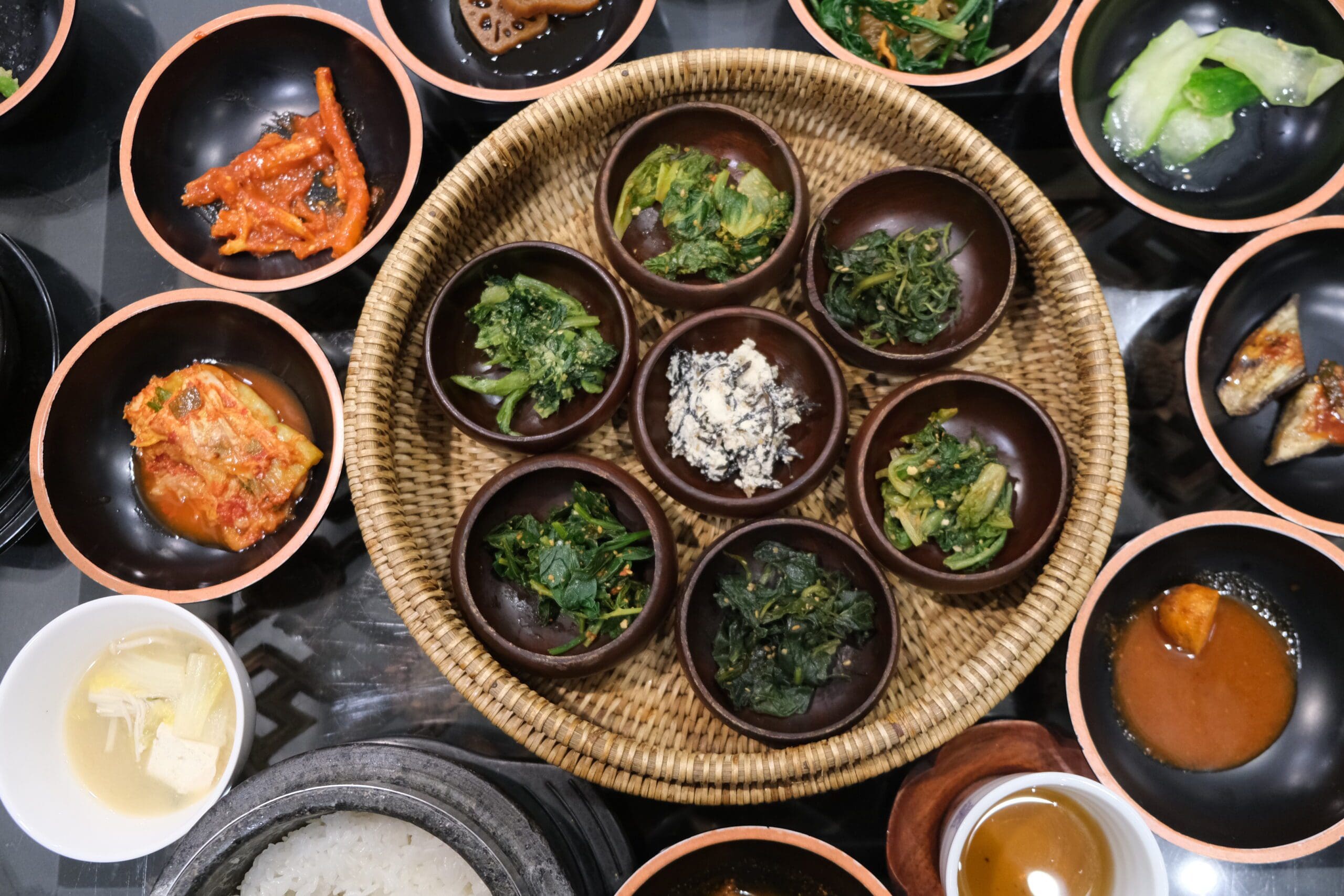

Food has always been more than just sustenance. It carries with it a rich tapestry of history, tradition, and identity. When we sit down to eat, whether it’s a simple sandwich or a complex five-course meal, we’re not only nourishing our bodies but also partaking in a story. A story that spans generations, cultures, and continents. So, the question arises: Can you taste culture in every bite?
The answer is yes, you absolutely can. And the journey to understanding why is a fascinating exploration of food, culture, and the people behind the dishes.
The Global Language of Food
Food speaks a universal language, one that transcends borders and unites us across continents. However, it also has regional dialects — distinct flavors, ingredients, and cooking techniques that make each dish uniquely tied to its cultural roots. A bite of sushi in Japan is far different from a bite of sushi in the United States, not just because of the ingredients but because of the cultural context behind the dish. Similarly, a plate of pasta in Italy carries an unspoken history, a connection to the land, and the traditions of its makers.
Food reflects the geography, climate, and resources of a region. It showcases the agricultural practices of its people and their ability to adapt to local conditions. In some areas, food is an expression of the struggle and resilience of a community, while in others, it’s a celebration of bounty and luxury.
The Influence of Geography and Climate
Consider the rich, vibrant dishes of the Mediterranean — with olives, tomatoes, and seafood being central to the cuisine. These ingredients are not arbitrary; they are shaped by the climate. The Mediterranean’s warm, dry summers and mild, wet winters allow for an abundance of fresh produce and seafood, which in turn influences the way meals are prepared and consumed.
In contrast, the colder climates of Scandinavia have given rise to hearty, preserved foods — cured meats, smoked fish, and root vegetables dominate the menu. These foods are designed to withstand long winters, when fresh produce is scarce. Even within a single country, like China, regional climates dictate the use of certain ingredients. Spices and oils vary dramatically from region to region, reflecting not only the local agriculture but also the history of trade routes and cultural exchanges.
Ingredients as Cultural Markers
While the geography and climate of a region are key to shaping its culinary practices, the ingredients themselves often serve as cultural markers. They tell the story of how a community’s history is intertwined with the natural environment and how trade, migration, and exploration have shaped their diets over time.
Take, for example, the story of the potato. Native to the Andes mountains in South America, the potato made its way to Europe during the Columbian Exchange in the 16th century. It quickly became a staple in many European countries, and now, it’s a global ingredient — found in everything from French fries in the U.S. to the beloved British “fish and chips.” The humble potato is not just a food; it’s a symbol of global exchange, migration, and the interconnectedness of cultures.
Similarly, rice is a staple in many Asian countries, from China to India to Japan. Each country has developed its own traditions around rice — from sushi to biryani to congee — but the centrality of this ingredient to their cultures is undeniable. Rice is more than just food; it is intertwined with cultural rituals, religious ceremonies, and even national identities.
Cooking Techniques as a Reflection of Tradition
The way food is prepared is just as significant as the ingredients themselves. Cooking techniques are often handed down through generations, refined over centuries, and adapted based on the available resources. These techniques are not just about creating a meal; they are an embodiment of tradition.
Take the art of French pastry-making. Techniques such as lamination (the process of folding butter into dough to create layers) have been passed down for generations, and they reflect the patience, precision, and craftsmanship that are central to French culinary culture. The same could be said for the intricate methods used to create dim sum in China, or the slow-roasting techniques used in Middle Eastern cuisine to prepare tender meats.
Every culture has its own approach to cooking that is deeply rooted in its values. For instance, in Japan, the process of preparing food — such as the meticulous art of sushi-making — is as important as the food itself. In many cultures, cooking is a communal activity, a bonding experience that brings families and communities together. From the Italian tradition of Sunday pasta-making to the Indian practice of sharing a thali (a platter of small dishes), food is an expression of love, care, and hospitality.
Street Food: A Gateway to Local Culture

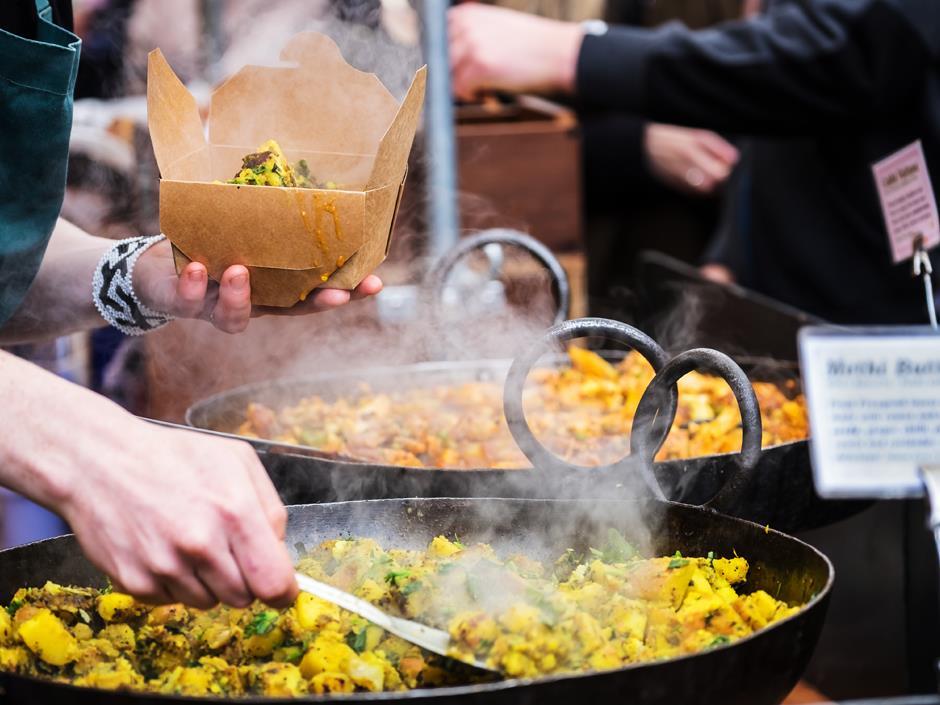
While high-end restaurants and fine dining establishments often represent a country’s culinary sophistication, it’s on the streets — in the bustling markets, alleyways, and food carts — that the essence of a culture’s food truly shines. Street food is often the most authentic and accessible way to experience a culture through its food.
In cities like Bangkok, Mexico City, and Istanbul, street food vendors offer everything from sizzling satay skewers to taco al pastor to freshly made baklava. These foods reflect the everyday lives of the people, showcasing not just the ingredients but the rhythms and routines of local culture. The way a vendor carefully grills meats, assembles dishes, and serves them with a smile is as much a part of the experience as the food itself.
Street food also provides a window into the intersection of cultures. In places like Singapore and Malaysia, food stalls feature a blend of Chinese, Malay, and Indian influences, offering dishes that combine flavors and techniques from different parts of the world. These fusion foods are a testament to the country’s colonial past and diverse population, illustrating how history and culture are reflected in food.
Food and Identity
Food is inextricably linked to identity. It’s a way for people to express who they are, where they come from, and what they value. In many cultures, food is central to religious practices, marking important holidays and life events. In India, for example, the festival of Diwali is not complete without sweets like laddus and barfis. In Jewish culture, foods like challah bread and matzo are integral to religious observances. In the United States, Thanksgiving is symbolized by a feast of turkey, stuffing, and pumpkin pie — each dish carrying its own historical and cultural significance.
Food also acts as a cultural boundary marker, distinguishing one group from another. The foods we eat (or choose not to eat) are often tied to our social and cultural identity. This is evident in the vegetarian and vegan movements, where food choices are linked to personal values such as ethics, environmentalism, and health. In many cultures, food becomes an expression of resistance or resilience, as seen in the ways enslaved peoples in the United States adapted their culinary traditions to create a new identity or how indigenous communities use food to preserve their heritage.
The Evolution of Global Cuisine
Globalization has certainly impacted how we experience food, but it hasn’t erased the cultural uniqueness of different cuisines. In fact, it has allowed for the sharing and blending of culinary traditions in ways never seen before. Thanks to migration, international trade, and the digital age, we now have access to a global pantry, where ingredients from all over the world are available at our fingertips.
However, while fusion cuisine is exciting and often delicious, it’s important to remember that food is deeply tied to history. The global food scene may have become more interconnected, but each dish, ingredient, and technique still carries the weight of centuries of tradition. As we enjoy tacos in New York or sushi in London, it’s worth pausing to reflect on the culture and history behind the meal.
Can We Still Taste Culture in Every Bite?
The modern food landscape is a constantly evolving space where culinary traditions are challenged and reinterpreted. While global influences may lead to the democratization of once-rare ingredients and dishes, the cultural significance of food remains intact. Every dish, whether it’s a simple bowl of ramen or an elaborate banquet, has a story to tell — if we’re willing to listen.
Food is a living, breathing expression of culture. It tells the story of where we’ve been and where we’re going. The next time you take a bite of something delicious, take a moment to think about the history and tradition behind it. In every bite, there’s a culture to discover.