





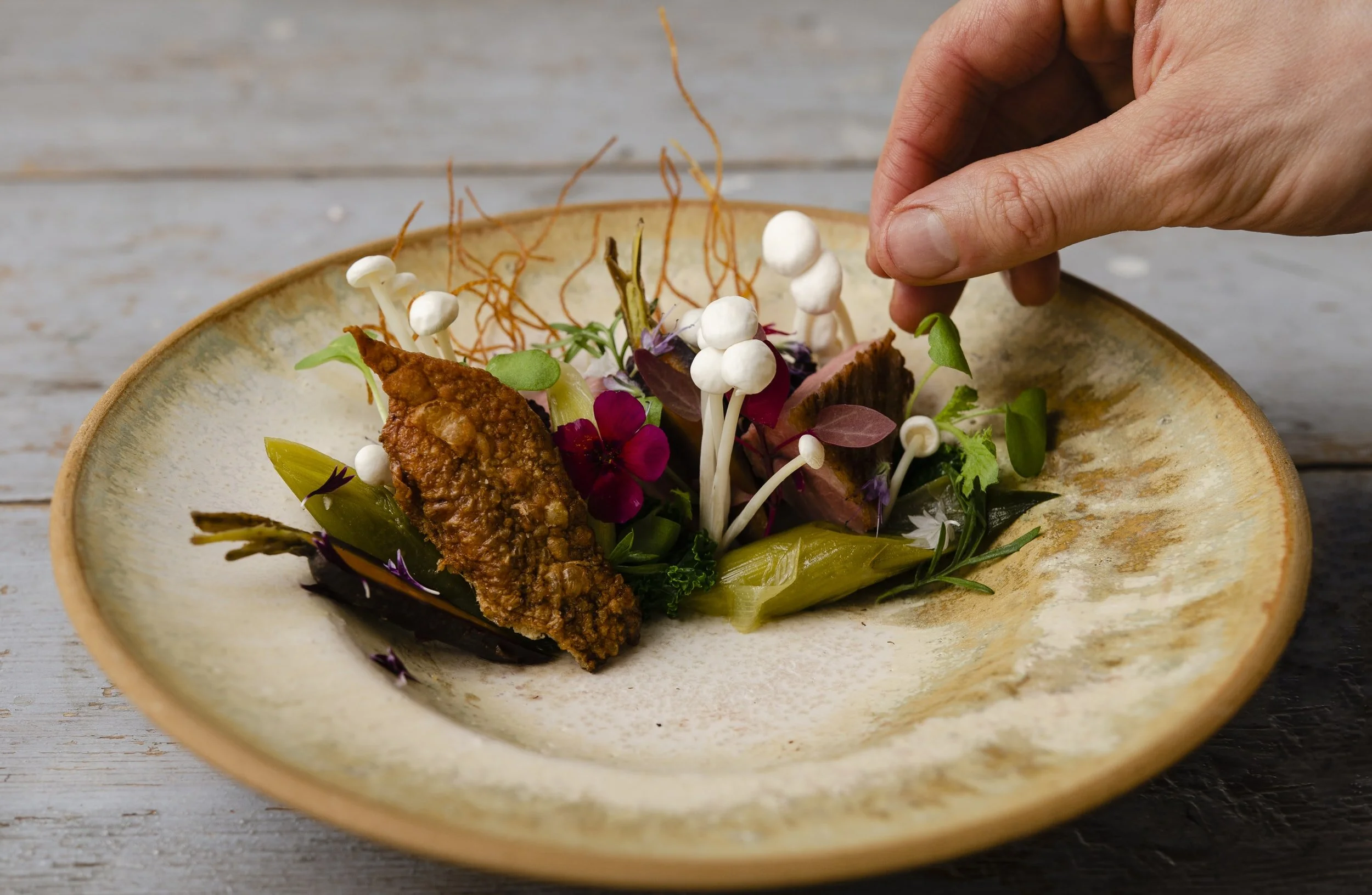

In recent years, sustainability has evolved from a buzzword to a core philosophy in many industries, and the culinary world is no exception. Once associated primarily with the realm of environmental activism or corporate social responsibility, sustainability has made its way into the kitchens of top chefs and the dining rooms of Michelin-starred restaurants. As we move into the future, sustainability is no longer just an option for gourmet dining — it is becoming a necessity. This transformation is reshaping the very fabric of fine dining, from ingredient sourcing to waste management, and is setting the stage for a new era of gourmet cuisine.
In this article, we’ll explore why sustainability is poised to become the foundation of the future of gourmet dining, how it’s already influencing restaurants and culinary practices, and what this shift means for chefs, consumers, and the planet.
The Rise of Conscious Consumerism
The idea of sustainability in food isn’t just a trend; it’s a shift in consumer consciousness. Today’s diners are more aware than ever of where their food comes from, how it’s grown, and its impact on the environment. This change in mindset is driven by a combination of factors, including the increasing awareness of climate change, growing concerns over food waste, and the rising popularity of plant-based diets.
Consumers are not only looking for food that tastes good but food that feels good too — food that aligns with their values. As the demand for sustainable dining options grows, restaurants are taking note. Top chefs and restaurateurs are increasingly recognizing that sustainability is no longer an optional “nice-to-have” element; it’s an essential part of the dining experience.
Diners are seeking out restaurants that prioritize local sourcing, organic ingredients, and ethical food production practices. These values are being reflected in menus, where words like “sustainable,” “farm-to-table,” and “locally sourced” are becoming the new standard. As this demand intensifies, sustainable practices in the kitchen are becoming a hallmark of high-end dining.
Sustainable Ingredients: A New Luxury
Traditionally, gourmet dining has been synonymous with rarity and extravagance: truffles, caviar, foie gras, and other luxury ingredients have long been symbols of fine dining. But the definition of luxury in the culinary world is changing, and sustainability is at the forefront of this shift.
The new luxury is not about indulgence at any cost, but about cultivating an awareness of where food comes from and how it’s produced. Restaurants are increasingly seeking out ingredients that are grown or raised in ways that respect both the environment and the welfare of animals. This includes everything from responsibly harvested seafood to free-range poultry and heritage-breed meats.

In many cases, this focus on sustainability also leads to a reevaluation of what constitutes “luxury.” For example, once-ignored cuts of meat or overlooked vegetables are now being reimagined as haute cuisine. Chef Dan Barber’s Blue Hill at Stone Barns in New York has been a pioneer in this area, serving dishes made from vegetables that are grown specifically for flavor rather than for mass production. Similarly, many chefs are embracing alternative proteins like plant-based meats or lab-grown meat, which are more environmentally friendly compared to traditional animal farming.
These changes aren’t just about improving the sustainability of the food we eat; they are redefining what it means to eat well. Gourmet dining, traditionally a symbol of indulgence, is increasingly seen as a way to celebrate the abundance of the earth while caring for its future.
Waste Not, Want Not: Sustainability in Restaurant Operations
Waste is one of the biggest culprits when it comes to unsustainable food practices, and high-end restaurants are not immune. In fact, fine dining establishments, with their focus on precision and artistry, often create large amounts of food waste in the form of discarded parts of animals, vegetables, and over-portioning.
But in response to growing awareness of the environmental impact of food waste, many top chefs are implementing creative solutions. Wasting food is no longer acceptable, and restaurateurs are looking for ways to minimize waste across the entire operation. From composting scraps to creatively repurposing leftover ingredients, restaurants are finding innovative ways to give a second life to food that would otherwise be discarded.
Chef Massimo Bottura’s “Refettorio Ambrosiano” in Milan, for example, uses ingredients that would otherwise be wasted — from unsold bread to imperfect produce — to create gourmet meals for those in need. This concept not only reduces food waste but also brings attention to social issues surrounding hunger and inequality.
In many kitchens, sustainability means reducing energy consumption, adopting eco-friendly packaging, and minimizing water usage. The trend toward zero-waste dining, which focuses on utilizing every part of an ingredient, is gaining momentum. For instance, vegetable peels and stems that once ended up in the trash are now transformed into broths, garnishes, or condiments.
This waste-conscious approach isn’t just a moral imperative; it’s a practical one. Reducing food waste can significantly lower operating costs for restaurants, allowing them to reinvest in better ingredients and more sustainable practices. It’s a win-win situation that reflects the changing priorities of the modern diner.
The Role of Technology in Sustainable Dining
Technology is playing an increasingly important role in the evolution of sustainable dining. From the way ingredients are sourced to how food is prepared, innovative technologies are helping reduce the environmental impact of gourmet dining.
For example, lab-grown meat and plant-based meat alternatives are allowing restaurants to offer gourmet options that are kinder to the environment. These innovations, which use far less water and land compared to traditional animal farming, are poised to become a major part of the culinary landscape.
Additionally, advances in food preservation technologies are allowing restaurants to reduce spoilage and waste. For example, cryogenic freezing techniques are being used to extend the shelf life of produce, while precision agriculture technologies help farmers optimize crop yields with fewer resources.
Sustainability in the kitchen also extends to food packaging, where biodegradable and compostable materials are replacing single-use plastics. Many restaurants now embrace reusable containers, and delivery services are adopting more sustainable packaging solutions.
Moreover, digital platforms are helping restaurants optimize their supply chains. By utilizing software that tracks ingredient freshness and reduces over-ordering, restaurants can cut down on waste and operate more efficiently.

Sustainability and the Dining Experience: Educating the Consumer
For the shift toward sustainable dining to truly take hold, it’s not enough for restaurants to change their practices — they must also educate their guests. Fine dining is as much about the experience as it is about the food, and a key part of that experience is understanding the story behind the dish.
More and more chefs are taking it upon themselves to educate diners about the sustainability of the ingredients on their plates. Menus now often include information about where ingredients were sourced, how they were grown, and the sustainable practices involved in their production. This transparency not only builds trust with diners but also helps them feel more connected to their meal.
Chefs are also using their platforms to raise awareness about the environmental issues that impact the food system. Events like “Sustainable Seafood Week” or collaborations with environmental organizations help foster a deeper connection between food and the planet.
Ultimately, the future of sustainable dining depends on how well these practices are communicated to the public. As more diners embrace sustainability as part of their culinary experience, restaurants will be incentivized to adopt even more eco-friendly practices, leading to a positive feedback loop.
The Challenges of Sustainable Gourmet Dining
Despite the growing enthusiasm for sustainability in the culinary world, there are still significant challenges to overcome. Sourcing truly sustainable ingredients can be more expensive and logistically complex, especially when it comes to high-quality products. Furthermore, the fluctuating availability of sustainably produced goods can make it difficult for chefs to plan menus and maintain consistency in their offerings.
Additionally, the shift toward sustainability requires a change in mindset — not just for chefs and restaurant owners, but for consumers as well. While many diners are willing to pay a premium for sustainable dishes, others may remain unaware of the environmental impact of their choices or unwilling to pay the extra cost associated with sustainable ingredients.
Finally, the larger issue of systemic sustainability in the food industry remains a challenge. Much of the food system is still reliant on practices that are harmful to the environment, such as monocropping, pesticide use, and industrial-scale animal farming. While chefs and restaurants can lead by example, the broader agricultural system needs to change in order to support long-term sustainability.
Looking Ahead: A Green Future for Gourmet Dining
Despite these challenges, the future of gourmet dining is undeniably leaning toward sustainability. As consumer demand for sustainable food continues to rise, the industry is likely to see more innovation in both food production and culinary techniques. From farm-to-table practices to plant-based gourmet dishes, sustainability is reshaping the way we think about food.
In the years to come, we can expect to see even more restaurants adopting sustainable practices, from zero-waste kitchens to sourcing ingredients from regenerative farms. Chefs will continue to experiment with new and innovative ways to reduce the environmental impact of their menus, while diners will become more attuned to the stories behind their meals.
For sustainability to truly become the future of gourmet dining, it will take the collective effort of chefs, restaurateurs, farmers, and diners alike. But one thing is clear: the future of food is green, and the path forward is one where the health of our planet and the pleasure of dining go hand in hand.