





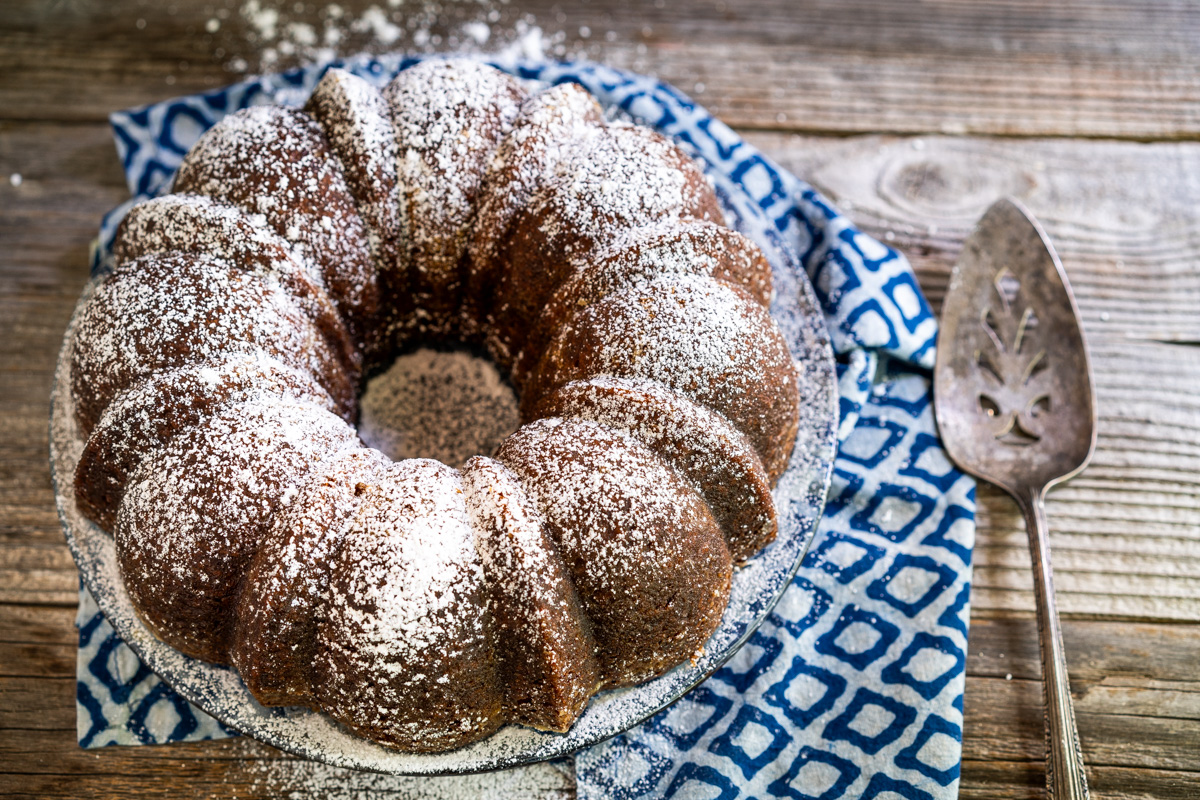

Baking with alcohol isn’t just about adding flavor – it’s about enhancing the entire experience of both the baking process and the final product. From delicate cakes to rich desserts, alcohol can elevate your creations in surprising ways. Whether you’re a baking novice or a seasoned pastry chef, understanding how to use alcohol in your baked goods can take your skills to the next level. In this guide, we’ll explore how different types of alcohol can be incorporated into baking, how to balance them with other ingredients, and what to expect from these unique flavors.
The Science Behind Alcohol in Baking
Alcohol isn’t just an ingredient – it’s a tool that interacts with both the flavors and textures of your baked goods. When baked at high temperatures, most of the alcohol content will evaporate, leaving behind just the flavors. That means you can use alcohol to intensify tastes without the risk of getting a “boozy” aftertaste in your desserts.
Alcohol can also influence the texture of your baked goods. For example, it can tenderize doughs and batters by breaking down the proteins in flour. This can result in a softer crumb for cakes, cookies, and pastries. Furthermore, alcohol helps to extend the shelf life of certain baked goods by acting as a preservative.
Types of Alcohol to Use in Baking
When baking with alcohol, the type you choose can have a significant impact on both flavor and texture. Let’s look at some of the most common alcohols used in baking and what makes them special.
1. Rum
Rum is a popular choice in baking, especially for cakes like rum cake or fruitcakes. The sweetness of rum blends well with spices like cinnamon, nutmeg, and cloves, making it a great match for holiday baked goods. Dark rum tends to have a more robust flavor compared to light rum, which is often used in lighter desserts like creams or sauces.
Pro Tip: Use rum in cakes and brownies to create rich, deep flavors. A splash of rum can also be added to the frosting for an extra layer of taste.
2. Whiskey
Whiskey can bring a smokiness and warmth to your baked goods, perfect for fall-inspired treats like apple pies or pecan tarts. Bourbon, a type of whiskey, is especially popular in desserts, offering a caramelized, slightly sweet flavor that pairs beautifully with chocolate.
Pro Tip: Add whiskey to chocolate desserts for a surprising depth of flavor. Try infusing your ganache with whiskey for an adult twist on classic chocolate treats.
3. Wine

Wine isn’t just for sipping – it’s fantastic for creating sauces, syrups, and even cakes. Red wine works wonderfully in chocolate cakes, while white wine can brighten up fruit tarts and lemon cakes. The acidity in wine also helps to balance sweetness, making it a versatile addition to many baked goods.
Pro Tip: Reduce wine to a syrup and drizzle it over cakes or roasted fruits for a gourmet touch. You can also add it to batters for an extra level of complexity.
4. Brandy
Brandy adds a rich, fruity sweetness to baked goods. It’s commonly used in holiday desserts like Christmas puddings or fruitcakes, where its depth of flavor enhances the spices. It’s also a key ingredient in many glazes and sauces.
Pro Tip: Brandy pairs beautifully with spiced cakes and fruit-based desserts. Try adding it to the batter of a fruitcake or soaking your dried fruits in brandy before adding them to the mix.
5. Liqueurs
Liqueurs such as Grand Marnier, Amaretto, and Frangelico can add a fragrant, aromatic touch to cakes, cookies, and pastries. These sweetened spirits are often infused with herbs, fruits, or nuts, providing a unique flavor profile that complements everything from chocolate to citrus.
Pro Tip: Experiment with different liqueurs in your frosting or cake batter to create signature flavors. Grand Marnier works wonders in chocolate orange cakes, while Amaretto is fantastic with almond-based desserts.
How to Bake with Alcohol: Practical Tips
Using alcohol in your baking isn’t just about choosing the right spirit; it’s about knowing how to incorporate it into your recipes for maximum effect.
1. Use Alcohol to Soak Ingredients
Soaking fruits, nuts, or even cakes in alcohol can help infuse them with deeper, richer flavors. For example, soak raisins or dried cherries in rum or brandy before adding them to your cake batter. Not only does this add flavor, but the alcohol helps to tenderize the dried fruits, preventing them from drying out in the oven.
Pro Tip: Soaking dried fruit in alcohol overnight will give it time to absorb the flavors, resulting in a more intense taste in your baked goods.

2. Incorporate Alcohol into the Batter
If you’re adding alcohol directly into the batter, it’s essential to keep in mind that too much can affect the texture of your baked goods. Generally, you don’t want to exceed ¼ cup of alcohol for every 1-2 cups of flour. Any more, and the dough may become too wet or too difficult to rise properly.
Pro Tip: If the recipe calls for both liquid (like milk or water) and alcohol, reduce the amount of liquid to compensate for the alcohol’s moisture content.
3. Bake at a High Temperature to Evaporate Alcohol
As mentioned, the alcohol will evaporate when baked at high temperatures, so if you’re concerned about the alcohol content, don’t worry too much. Most of the alcohol will cook off, leaving behind only the rich flavors.
Pro Tip: For desserts that are not fully baked, like no-bake cheesecakes or cold fillings, reduce the alcohol content or allow it to sit for a while to evaporate before serving.
4. Pair Alcohol with Complementary Flavors
When baking with alcohol, it’s essential to consider which flavors will complement each other. For example, dark rum pairs well with chocolate and caramel, while a splash of amaretto is fantastic with almond or coffee flavors. When in doubt, think of the alcohol as an ingredient that can either enhance or complement other flavors in your dish.
Pro Tip: Use alcohol in combination with spices, nuts, and fruits to amplify the flavor profile of your dessert. A rum-soaked fruitcake will taste even more festive when you add cinnamon, cloves, or citrus zest.
Alcohol Substitutes in Baking
Not everyone wants to bake with alcohol, and sometimes it just might not be feasible. If you’re looking for substitutes, here are some excellent alternatives:
1. Fruit Juices
Fruit juices, like apple cider, orange juice, or cranberry juice, can mimic the sweetness and acidity of wine or brandy. They’re especially effective when combined with spices and zest.
2. Vanilla Extract
Vanilla extract contains alcohol, but its alcohol content is much lower than that in spirits. It’s a great substitute in cakes, cookies, and frostings if you want to retain some of the depth alcohol brings without the strong boozy flavor.
3. Coffee or Tea
Coffee, especially espresso, can replace alcohol in recipes that use liqueurs like Amaretto or Kahlúa. Tea can also work in place of wine or brandy, especially in fruit-based desserts.
6 Ideas for Baking with Alcohol
Now that we understand the basics of using alcohol in baking, let’s get creative! Here are six irresistible ideas to inspire your next baking adventure:
- Rum-Infused Banana Bread – Add dark rum to your banana bread recipe for a deep, complex flavor. Pair it with cinnamon and brown sugar to bring out its natural sweetness.
- Chocolate Stout Cake – Stout beer isn’t just for drinking! Add it to your chocolate cake batter to intensify the flavor and add a slight bitterness that complements the sweetness.
- Amaretto Tiramisu – Substitute traditional rum or coffee liqueur with Amaretto for a nutty, sweet twist on the classic Italian dessert.
- Apple Crisp with Bourbon – Infuse your apple crisp filling with bourbon for a rich, warm flavor that pairs beautifully with cinnamon and nutmeg.
- Lemon-Grand Marnier Pound Cake – A zesty lemon pound cake with a splash of Grand Marnier makes for an elegant, refreshing dessert.
- Pecan Pie with Whiskey – Add bourbon to the filling of your pecan pie for a smoky, caramelized flavor that enhances the sweetness of the nuts.
Conclusion
Baking with alcohol is a fun and flavorful way to experiment in the kitchen. It adds depth, complexity, and richness to your desserts, turning a simple recipe into something special. Whether you’re incorporating rum into your cakes, wine into your pastries, or whiskey into your chocolate desserts, the possibilities are endless. So next time you step into the kitchen, don’t be afraid to get creative and embrace the wonders of baking with alcohol.