






Introduction: The Quest for the Perfect Omelette
The omelette—a dish so simple, yet so versatile. It can be a quick breakfast, a sophisticated dinner, or a comforting snack. However, making the perfect omelette, especially the fluffiest one, has always been a bit of a mystery to many. Most people can scramble eggs or make a basic omelette, but few can master the art of making it light, airy, and perfectly cooked.
So, what’s the trick to achieving the fluffiest omelette? The answer lies in a combination of technique, temperature control, and the right ingredients. Whether you’re a beginner or an aspiring chef, this guide will help you unlock the secrets to making the perfect fluffy omelette.
1. Start with the Right Eggs
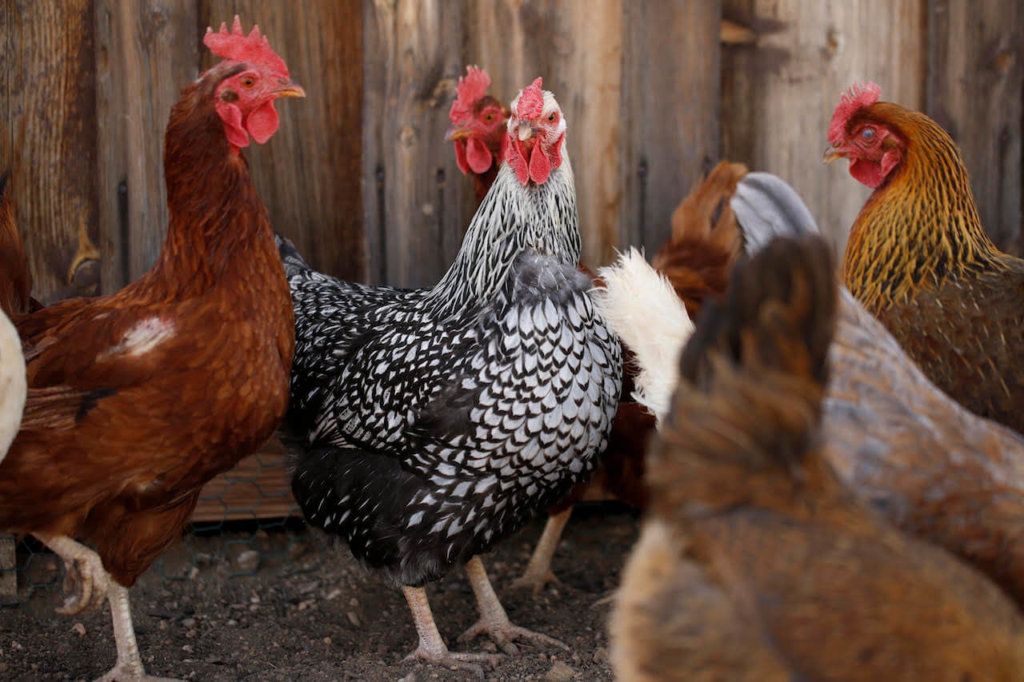
The foundation of any good omelette is, of course, the egg. But what makes one egg better than another when it comes to omelette-making? The secret is in the quality and freshness. Fresh eggs, preferably from a local farm, tend to have firmer whites and richer yolks, which will help your omelette hold its shape and develop that golden, fluffy texture.
Here are a few egg-related tips for achieving omelette perfection:
- Room Temperature Eggs: Use eggs that are at room temperature. Cold eggs will not fluff up as much when whipped. Allow them to sit out for about 10 minutes before cooking.
- Egg Whites and Yolks: A common debate is whether to separate the yolks from the whites. For a fluffier omelette, you can whisk the whites and yolks separately. Whisked egg whites trap air, which will result in a lighter, fluffier texture.
- Whisking Properly: Don’t skip the whisking step. Whether you’re using a fork or a whisk, the goal is to break up the yolks and incorporate air into the eggs. The more you whisk, the fluffier your omelette will be.
2. The Power of Air

One of the main secrets behind a fluffy omelette is incorporating air into the egg mixture. Air helps to create a light texture when the eggs cook. This means you need to whisk the eggs until the mixture is smooth and slightly frothy. Don’t rush this process.
- Whisk Until Frothy: Whisk the eggs until they form small bubbles or foam. This ensures that there is enough air incorporated to make your omelette light and fluffy.
- Use a Fork or Whisk: While a fork will do the job, a whisk will incorporate air more efficiently. The goal is to break up the yolks and achieve a slight foam.
3. Add a Secret Ingredient
For some people, the secret ingredient to a fluffy omelette is a dash of water, milk, or even cream. Adding a small amount of liquid to the eggs can help make the omelette lighter and creamier. The liquid helps loosen the eggs, preventing them from becoming too dense when cooked.
- Water: Adding about a tablespoon of cold water per egg creates steam during cooking, which adds volume and lightness to the omelette. It’s an old trick used by professional chefs to achieve the fluffiest omelette possible.
- Milk or Cream: If you prefer a richer taste, a splash of milk or cream will give the omelette a creamy texture. However, be cautious—too much liquid will weigh down the eggs and prevent the fluffiness you’re striving for.
4. The Right Pan and Heat
The pan you use can greatly affect the outcome of your omelette. A non-stick, well-seasoned skillet works best, but the real trick is in managing the heat.
- Choose a Small to Medium-Sized Pan: A pan that’s too large will spread the eggs out too thin, leading to a more flat omelette. A small to medium pan ensures the eggs have enough space to cook evenly and rise without spilling over.
- Control the Heat: Low to medium heat is ideal for a fluffy omelette. High heat will cause the eggs to cook too quickly, resulting in a rubbery texture. On the other hand, cooking the omelette too slowly on low heat might result in a dense, flat omelette. Keep your heat steady and moderate, and you’ll get the perfect balance.
5. Don’t Overcrowd the Pan
Once you’ve added your eggs to the pan, resist the temptation to overcrowd it with too many ingredients. Overfilling the omelette with fillings will make it heavier and less likely to rise. While it’s tempting to add cheese, vegetables, or meats, remember that less is often more when it comes to achieving fluffiness.
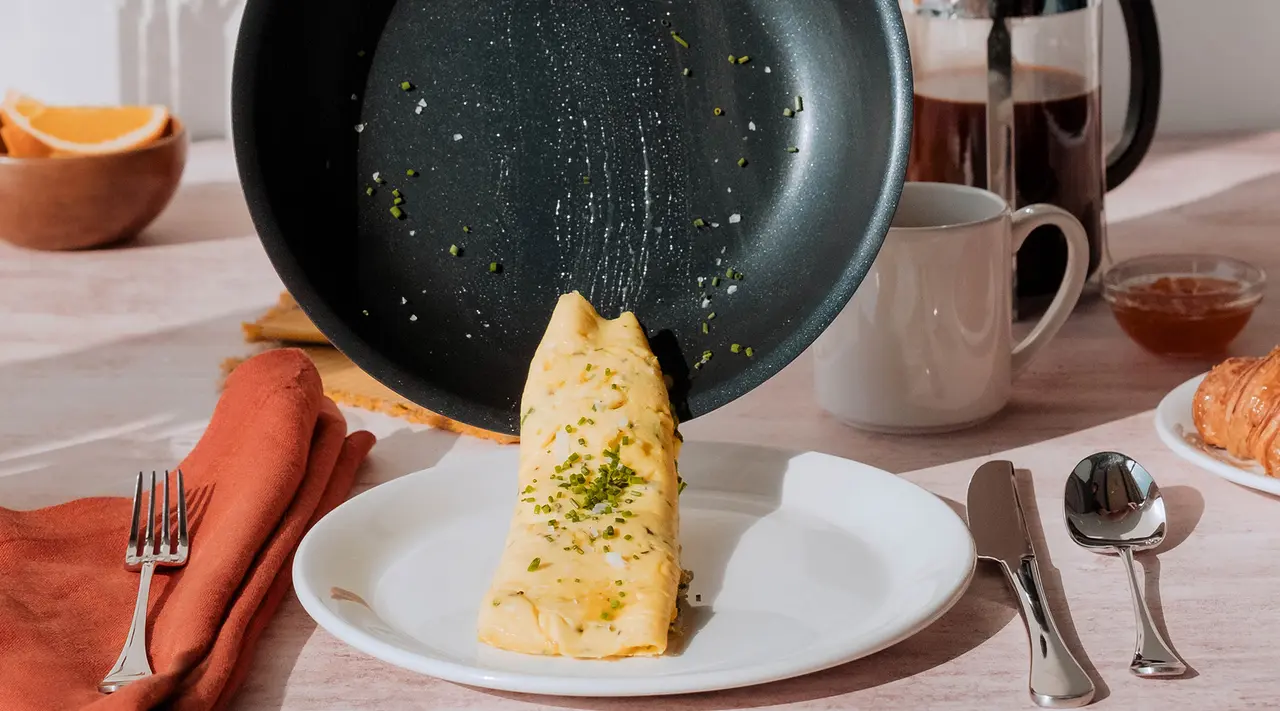
- Keep Fillings Light: Opt for lighter fillings like fresh herbs, small amounts of cheese, or finely diced vegetables. Make sure to pre-cook any vegetables that release a lot of moisture (such as mushrooms) to prevent the omelette from becoming soggy.
6. Technique: Folding and Cooking
How you cook and fold the omelette plays a crucial role in its texture. Timing and technique are essential.
- Tilt and Swirl: Once you pour your egg mixture into the pan, tilt the pan slightly and swirl it to spread the eggs evenly. Allow the eggs to cook undisturbed for the first few minutes.
- Gentle Stirring: As the edges begin to set, gently stir the eggs with a spatula, moving the cooked egg from the edges towards the center. This technique helps to ensure even cooking while maintaining fluffiness.
- Don’t Overcook: Remove the omelette from the heat when it’s still slightly undercooked in the center. The residual heat will continue cooking the eggs, resulting in a tender, moist omelette. Overcooking will lead to a dry and flat result.
7. The Flip: To Fold or Not to Fold?
A key debate when making an omelette is whether to fold or flip it. Flipping your omelette can be tricky, especially if you’re looking for that perfectly fluffy texture. The best method depends on your preference.
- Folded Omelette: A traditional French-style omelette is folded in half. Once the eggs are cooked through but still moist, you can gently fold it over your fillings. This method preserves the fluffiness and creates a delicate texture.
- Unfolded (Open-Faced) Omelette: Some chefs prefer not to fold the omelette at all. Instead, they let the omelette cook fully before gently sliding it onto a plate. The open-faced method keeps the omelette airy and soft.
8. Serve Immediately
Once your omelette is cooked to perfection, serve it immediately. An omelette loses its fluffiness quickly, so you want to enjoy it while it’s at its lightest and airiest. Garnish it with fresh herbs or a sprinkle of cheese for extra flavor.
Conclusion: The Fluffiest Omelette—Made Simple
The secret to making the fluffiest omelette is a blend of technique, ingredients, and patience. By starting with fresh eggs, incorporating air into the mixture, and controlling the heat, you can create an omelette that is light, airy, and perfectly cooked. Remember, the key to achieving the perfect texture is all about finesse—whisking, heat control, and gentle handling.
Now, armed with these tips, it’s time for you to try your hand at making the fluffiest omelette. Whether you like it plain or packed with fillings, one thing’s for sure: you’ll be able to impress your friends and family with your new omelette-making skills.