





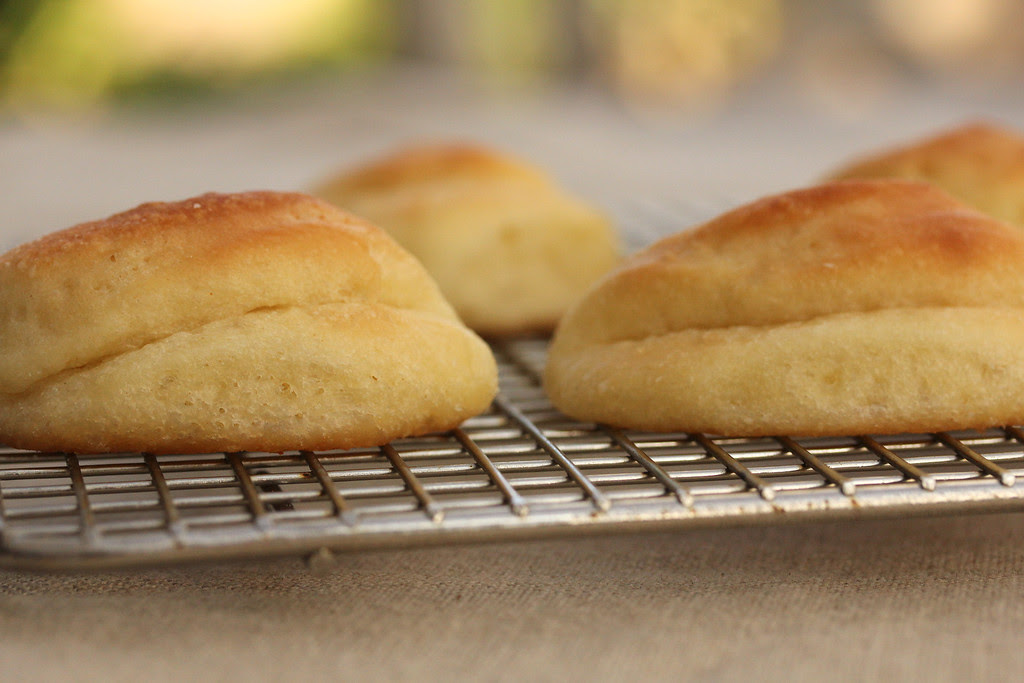

Flavored butter, sometimes called compound butter, is one of those culinary magic tricks that transforms a simple meal into an extraordinary experience. Imagine a perfectly grilled steak, a steaming loaf of bread, or even roasted vegetables, all elevated by a pat of creamy, aromatic butter. The best part? You don’t need to be a professional chef or spend hours in the kitchen. In less than 10 minutes, you can create a variety of flavored butters that taste gourmet, look stunning, and impress anyone who sits at your table. This article will guide you step by step, providing insights into techniques, flavor combinations, and practical tips to make your own flavored butter fast and easy.
1. Understanding Flavored Butter: What Makes It Special
Flavored butter is essentially butter mixed with complementary ingredients to enhance taste and aroma. While butter itself is rich, creamy, and versatile, flavored butter introduces new layers of complexity. Here’s why it works so well:
- Fat as a Flavor Carrier: Butter is mostly fat, which absorbs and carries flavors exceptionally well. Herbs, spices, citrus zest, garlic, or even sweet ingredients like honey infuse beautifully.
- Texture Enhancement: A creamy, soft butter melts smoothly over hot food, spreading flavor evenly.
- Presentation Boost: Rolled, piped, or molded butter looks elegant and can make simple dishes appear restaurant-level sophisticated.
In essence, flavored butter is not just about taste—it’s about elevating an entire dining experience.
2. Essential Tools You’ll Need
The beauty of making flavored butter is its simplicity. You don’t need fancy appliances. Here’s a concise list:
- Butter: Always choose unsalted butter; it gives you control over the seasoning.
- Mixing Bowl: Medium-sized to allow easy blending.
- Spatula or Spoon: For combining ingredients.
- Knife or Microplane: For chopping herbs or zesting citrus.
- Plastic Wrap or Parchment Paper: To shape butter into logs or rolls.
- Optional: Food processor for smoother, more homogeneous blends.
Pro tip: Let your butter soften to room temperature before starting—it mixes much faster and more evenly.
3. The Science Behind Butter Flavoring
Butter is composed mainly of butterfat, water, and milk solids. Understanding this helps you make better decisions when flavoring:
- Butterfat: 80-82% of butter; dissolves and carries fat-soluble flavors like herbs, garlic, or spices.
- Water: 16-18%; helps emulsify ingredients, especially if you use acidic elements like lemon juice.
- Milk Solids: Small portion; can caramelize when cooked, adding flavor complexity.
When flavoring butter, the goal is to combine ingredients evenly without compromising the texture. Room-temperature butter is soft enough to blend, but still firm enough to hold shapes.
4. Basic Method to Make Flavored Butter in Under 10 Minutes
Here’s the classic method that works for almost any flavor:
Ingredients:
- 1 cup (225g) unsalted butter, softened
- 2-4 tablespoons of flavoring (herbs, spices, sweeteners, etc.)
- Pinch of salt (if desired)
Step-by-Step Instructions:
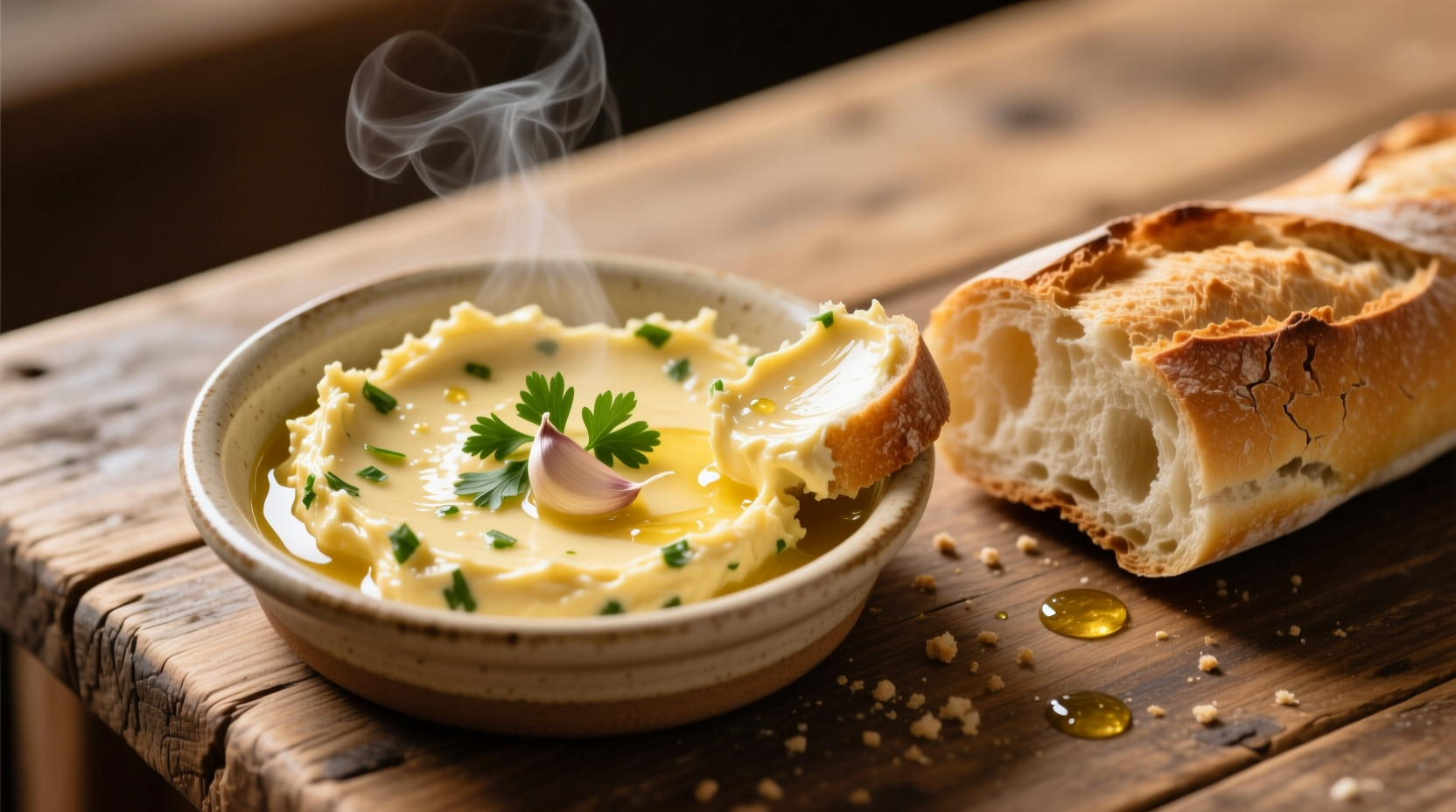
- Soften Butter: Leave butter at room temperature for 10-15 minutes until soft but not melted.
- Prepare Flavoring: Chop herbs, zest citrus, mince garlic, or measure spices.
- Mix Ingredients: Place butter in a bowl. Add flavorings. Use a spatula or spoon to blend until uniform.
- Shape Butter:
- Option 1: Roll into a log using plastic wrap, twist ends, and refrigerate.
- Option 2: Place in a ramekin or small dish for immediate use.
- Refrigerate (Optional): While you can use it immediately, chilling helps firm it for easier slicing and presentation.
5. Flavor Combinations That Work Every Time
The most fun part is experimentation. Here are some classic and creative options:
5.1 Herb-Based Butters
- Garlic & Parsley Butter: Minced garlic, fresh parsley, pinch of salt.
- Rosemary & Thyme Butter: Perfect for roasted meats and vegetables.
- Basil & Lemon Butter: Bright and aromatic, ideal for seafood or pasta.
5.2 Spicy & Savory
- Chili & Paprika Butter: Adds a smoky, spicy kick.
- Sriracha Butter: A modern twist, fantastic on grilled corn or burgers.
- Curry Butter: Mild or hot curry powder gives an exotic touch to chicken or rice.
5.3 Sweet & Dessert-Friendly
- Honey & Cinnamon Butter: Great for toast, pancakes, or muffins.
- Maple & Nut Butter: Blend with crushed nuts for crunchy, flavorful butter.
- Chocolate & Orange Zest Butter: Perfect for sweet pastries.
5.4 Citrus & Zesty
- Lemon & Dill Butter: Classic with salmon.
- Orange & Ginger Butter: Vibrant and aromatic, works with roasted poultry.
- Lime & Cilantro Butter: Great for Mexican or tropical-inspired dishes.
6. Techniques for Maximum Flavor Infusion
- Roasting Ingredients First: Roasting garlic, peppers, or nuts intensifies flavor.
- Dry Herbs vs. Fresh Herbs: Fresh herbs are aromatic but can contain water; dry herbs are potent but less fresh-tasting.
- Zest, Not Juice: Citrus zest packs essential oils that blend beautifully with butter without adding extra moisture.
- Salt Control: Taste as you go. Butter is already slightly salty; flavor additions may require adjustments.
7. Creative Presentation Tips
- Butter Logs: Roll butter in parchment or plastic wrap, twist ends, and slice like candy.
- Butter Shapes: Use small cookie cutters or molds to make stars, hearts, or circles.
- Topping Garnishes: Sprinkle herbs, edible flowers, or spices on top for visual appeal.
- Piping Bag: For a fancy restaurant-style look, use a piping bag to pipe butter onto plates or bread.

8. Quick Uses for Flavored Butter
Flavored butter isn’t just a garnish—it can be the star of your dish.
- On Bread: Freshly baked bread + herbed butter = instant gourmet snack.
- Grilled Meats: A pat on a hot steak or chicken enhances flavor and juiciness.
- Vegetables: Melted butter over steamed or roasted veggies adds richness and depth.
- Pasta: Toss pasta in butter with garlic, herbs, or spices for a quick, elegant sauce.
- Seafood: Fish and shellfish pair beautifully with citrus or herb butter.
9. Storage Tips: Keeping Butter Fresh
- Refrigeration: Wrapped butter lasts 1-2 weeks in the fridge. Keep it airtight to avoid absorbing other odors.
- Freezing: Flavored butter can be frozen for up to 3 months. Slice logs before freezing for convenient portions.
- Labeling: Always label with flavor and date to avoid confusion later.
10. Troubleshooting Common Mistakes
- Butter Too Hard: Let it soften slightly; do not microwave excessively.
- Butter Too Soft/Melting: Chill it briefly before shaping.
- Flavor Too Mild: Increase quantity of herbs, spices, or zest.
- Flavor Too Strong: Use smaller portions and adjust with plain butter.
11. Advanced Tips for Enthusiasts
- Layering Flavors: Combine complementary herbs, spices, and citrus to create unique profiles.
- Infusing Liquids: Heat butter gently with garlic or herbs, strain, and cool before using.
- Mixing Textures: Add nuts, seeds, or dried fruit for crunch and visual interest.
- Pairing Wine or Cheese: Flavored butter can complement or contrast with wine and cheese for sophisticated tasting experiences.
12. Why Flavored Butter Is a Kitchen Game-Changer
- Speed: Ready in under 10 minutes.
- Versatility: Works with practically any dish.
- Customizable: Adjust to personal tastes.
- Visual Appeal: Makes meals look curated and gourmet.
- Cost-Effective: A little butter goes a long way compared to store-bought spreads.
13. Flavored Butter Around the World
Flavored butter isn’t just a Western innovation—it has global appeal:
- France: Beurre composé, often with herbs, shallots, or wine.
- Italy: Burro aromatizzato, sometimes including truffles.
- Middle East: Butter infused with garlic, spices, or za’atar.
- Asia: Butter with curry, chili, or miso adds depth to regional dishes.
Each culture brings unique ingredients and techniques, inspiring endless possibilities.
14. Experimentation Is Key
The most exciting part of making flavored butter is creativity. Combine your favorite herbs, spices, fruits, or even teas. Try smoked salt, roasted garlic, lemon thyme, or chocolate chili. Keep a flavor journal to track combinations that work best, and soon your kitchen will have a permanent selection of gourmet butters ready in minutes.
15. Summary: Making Flavored Butter in Under 10 Minutes
- Soften unsalted butter.
- Prepare your flavorings.
- Mix thoroughly for even distribution.
- Shape into logs, pats, or dishes.
- Refrigerate or use immediately.
- Experiment with herbs, spices, citrus, and sweet additions.
- Enjoy on bread, meats, seafood, vegetables, and pasta.
With this method, a simple pat of butter becomes a versatile culinary tool capable of elevating any meal.
Flavored butter is more than a condiment—it’s a technique that combines science, creativity, and taste in under 10 minutes. Once you master it, your meals will never be ordinary again. So, grab your butter, mix in your favorite flavors, and let your kitchen shine.