






Olive oil is often hailed as a culinary superstar. Its rich flavor, vibrant aroma, and celebrated health benefits have made it a staple in kitchens worldwide. But does that mean you can use it in every single type of cooking? Not quite. While olive oil is versatile, understanding when it shines and when it struggles is key to elevating your dishes and keeping your meals safe and delicious.
In this article, we’ll explore the science, taste profiles, cooking techniques, and practical applications of olive oil, so you can make informed decisions in your kitchen.
1. The Charm of Olive Oil: Why It’s So Popular
Olive oil isn’t just a cooking fat—it’s a lifestyle icon. Originating from the Mediterranean, it’s synonymous with heart health, longevity, and culinary finesse. Here’s why people love it:
- Rich Flavor Spectrum: From buttery and mild to peppery and robust, olive oil carries a depth of flavor that can enhance salads, pastas, or even bread.
- Health Benefits: Packed with monounsaturated fats, antioxidants, and polyphenols, it’s a superstar for cardiovascular health.
- Versatility: It can be drizzled raw, sautéed lightly, or incorporated into baked goods.
But here’s the catch—its unique chemical composition makes it less suited for certain high-heat applications, and using it blindly can undermine both flavor and nutrition.
2. Understanding Olive Oil Types
Not all olive oils are created equal. Choosing the right type for your cooking is crucial.
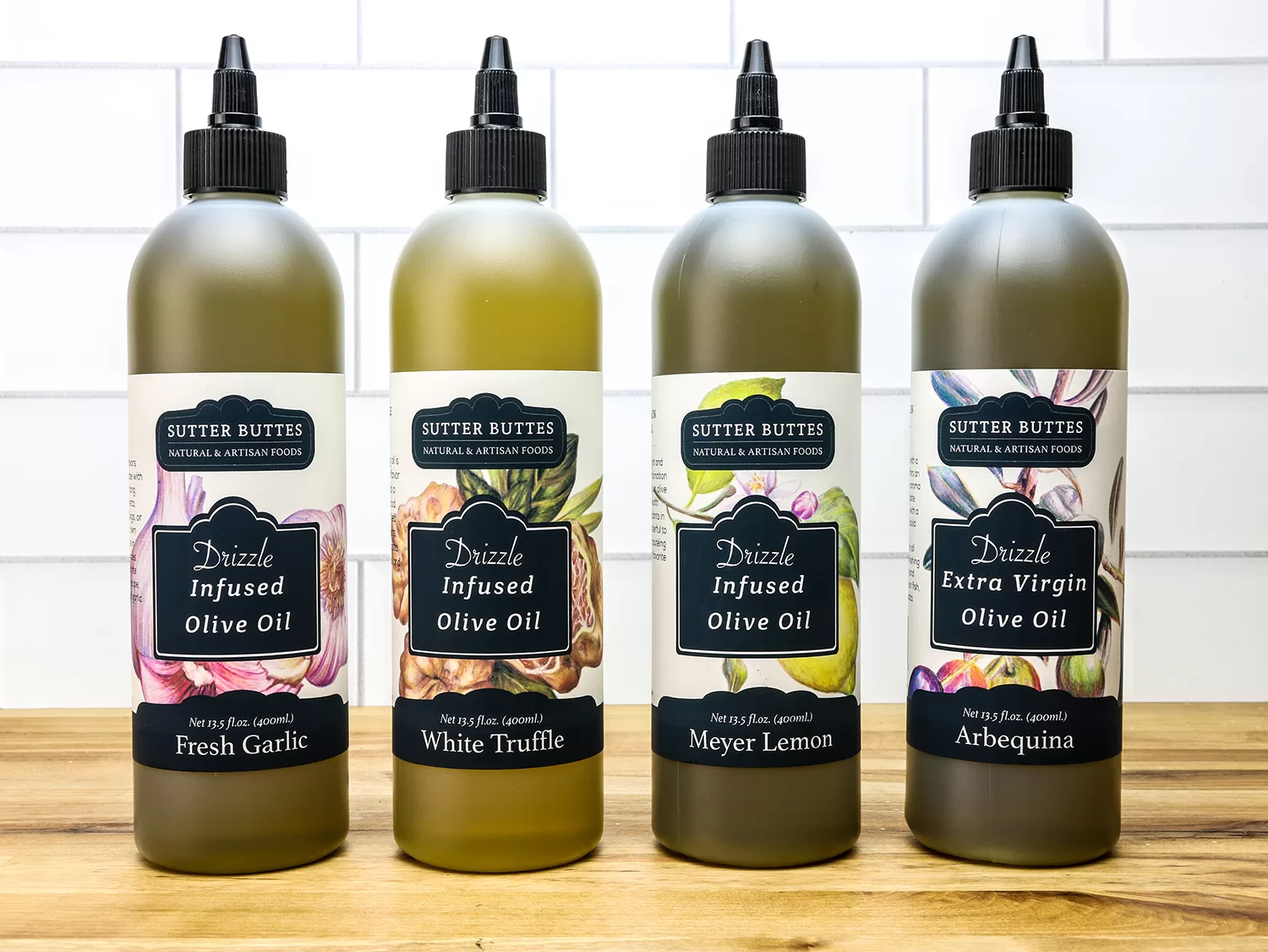
Extra Virgin Olive Oil (EVOO)
- Characteristics: Cold-pressed, first extraction, maximum flavor, high antioxidants.
- Best For: Salad dressings, finishing drizzles, dipping bread, light sautéing.
- Limitations: Lower smoke point (~375–410°F / 190–210°C), which makes it less ideal for deep frying or high-temperature roasting.
Virgin Olive Oil
- Characteristics: Slightly less pure than EVOO, still retains flavor.
- Best For: Medium-heat cooking, pan frying.
- Limitations: Flavor can be overpowering in delicate dishes.
Refined & Light Olive Oil
- Characteristics: Processed to remove impurities, higher smoke point (~465°F / 240°C), milder taste.
- Best For: High-heat cooking, baking where olive flavor is unwanted.
- Limitations: Loses some health-promoting antioxidants and distinct flavor.
Understanding these differences is the first step toward knowing when to use olive oil—and when to reach for something else.
3. The Science of Cooking with Olive Oil
Why does olive oil sometimes “fail” in cooking? It’s all about heat and chemistry.
Smoke Point
- The smoke point is the temperature at which an oil starts breaking down, producing smoke and potentially harmful compounds.
- EVOO has a moderate smoke point, which is perfect for light sautéing but risky for frying.
- Refined oils handle heat better, making them suitable for high-temperature applications.
Oxidation & Nutrient Loss
- High heat can destroy delicate antioxidants in EVOO, negating its health benefits.
- Overheating can also produce off-flavors, ruining the dish.
Flavor Integrity
- The nuanced aroma of EVOO can be lost or altered under high heat. For instance, pan-frying fish in EVOO might overwhelm the natural flavor of the seafood.
4. When Olive Oil Is a Star Performer
Olive oil truly shines when it’s used in applications that showcase its flavor and nutritional benefits.
4.1 Raw Applications
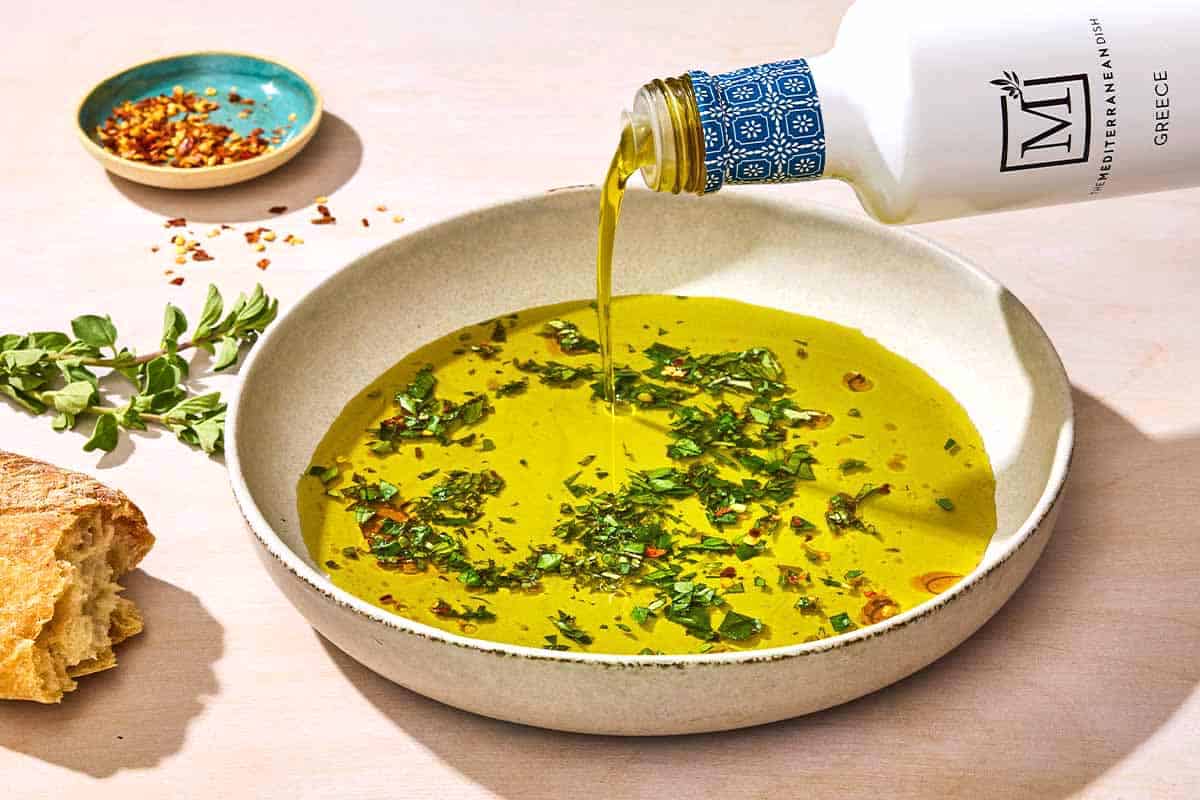
- Salads: Drizzle EVOO over greens, tomatoes, or roasted vegetables. Its peppery or fruity notes elevate simple dishes.
- Dips and Spreads: Mix with balsamic vinegar or herbs for bread dips.
- Finishing Oil: A splash over pasta, grilled fish, or soups adds depth and complexity.
4.2 Light Sautéing
- Cooking vegetables or aromatics over medium heat allows olive oil to soften ingredients without breaking down.
- Perfect for garlic, onions, bell peppers, and leafy greens.
4.3 Baking & Flavoring
- Olive oil can replace butter in some baked goods, adding moisture and subtle flavor.
- Great for Mediterranean-style breads, cakes, or muffins.
5. When Not to Use Olive Oil
Despite its versatility, there are situations where olive oil is not the best choice.
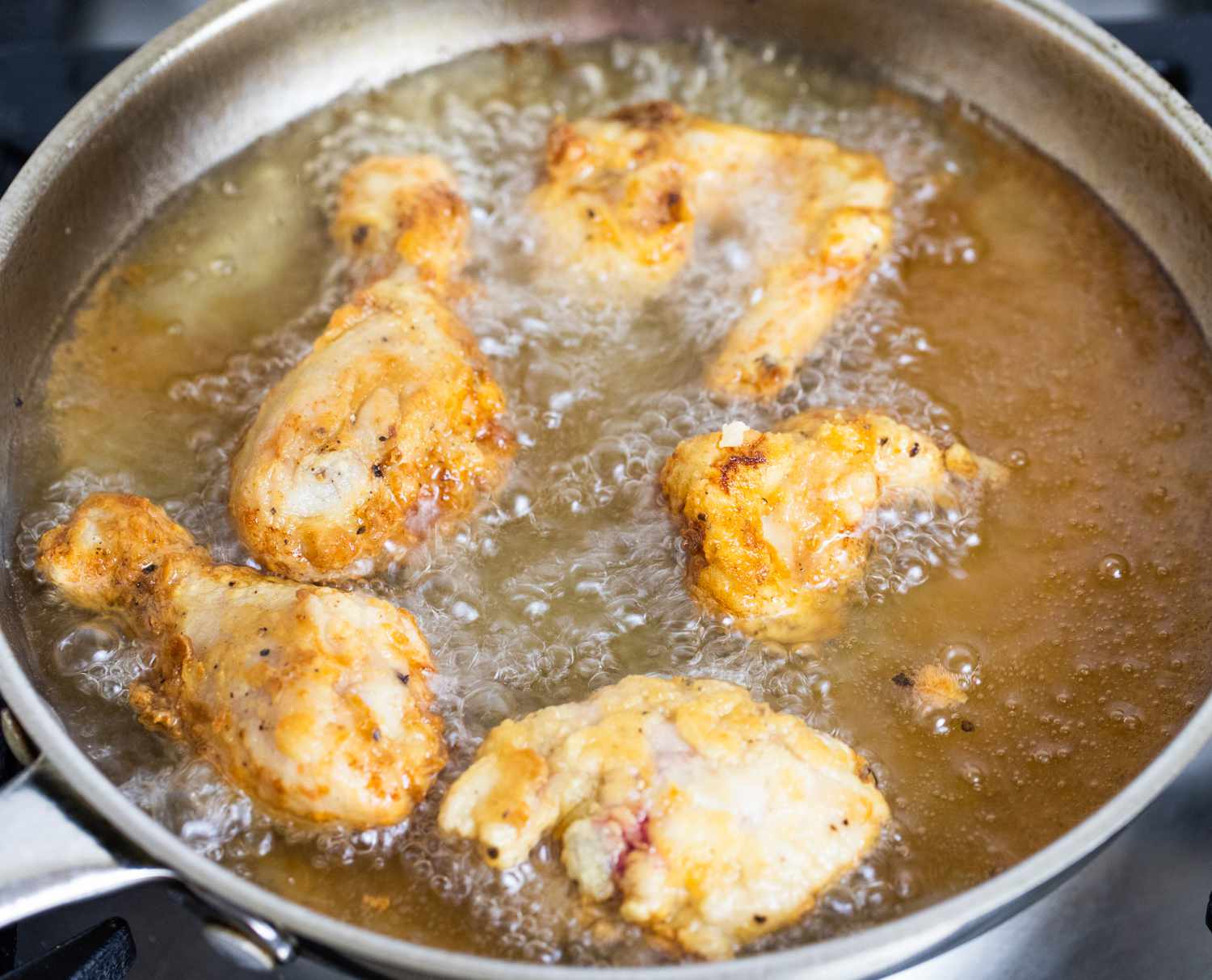
5.1 Deep Frying
- High heat (350–375°F / 175–190°C) can exceed EVOO’s smoke point.
- Refined or light olive oils can withstand the heat, but other neutral oils like avocado or peanut oil may be safer.
- Deep frying with EVOO can result in smoke, flavor loss, and acrid taste.
5.2 High-Temperature Roasting
- Roasting at 450°F / 230°C can be too intense for EVOO, causing it to burn.
- Instead, use oils with higher smoke points for roasting potatoes, root vegetables, or meats at very high temperatures.
5.3 Delicate or Neutral-Flavored Dishes
- EVOO has a distinctive taste. In recipes where the oil shouldn’t dominate, like some cakes, muffins, or lightly flavored sauces, neutral oils work better.
5.4 Long Shelf-Life Cooking
- Olive oil’s antioxidants degrade over prolonged exposure to heat. Slow-cooked dishes that simmer for hours may lose the oil’s health benefits.
6. How to Maximize Olive Oil in Cooking
Even if you want to use olive oil in more situations, there are strategies to do it safely:
- Combine Oils: Use EVOO for flavor, mixed with a high-heat oil for frying.
- Add Late: In sauces or stir-fries, drizzle olive oil at the end to preserve flavor and nutrients.
- Temperature Awareness: Keep a cooking thermometer handy—medium heat is ideal for EVOO.
- Storage Matters: Store in dark, cool places to prevent oxidation and rancidity.
7. Olive Oil Around the World
Different cuisines highlight olive oil’s versatility:
- Italian: EVOO in pasta, bruschetta, and risottos.
- Greek: Drizzled over feta, roasted vegetables, or used in dips.
- Spanish: Key ingredient in sofritos, tapas, and gazpacho.
In each case, the oil is used mindfully, often raw or at moderate heat to highlight flavor.
8. Common Misconceptions
- “Olive oil is always healthy, even when burned” – False. High heat can produce compounds that reduce nutritional benefits.
- “Refined oils are bad” – False. Refined oils have higher smoke points and are practical in high-heat cooking.
- “Extra virgin tastes the same” – False. Flavor varies by origin, olive variety, and pressing technique.
9. Practical Tips for Everyday Cooking
- Taste Before Cooking: EVOO varies widely; choose oils you enjoy raw.
- Rotate Oils: Combine olive oil with other oils depending on cooking style.
- Watch the Heat: Medium heat works best; high heat can destroy flavor.
- Use as a Finisher: Drizzle on dishes after cooking for both taste and nutrients.
- Know Your Oils: Keep both EVOO and a neutral high-smoke-point oil in your pantry.
10. Fun Facts About Olive Oil
- The world’s oldest olive trees still produce oil.
- Olive oil was used in ancient beauty treatments and medicine.
- Some chefs claim that a drop of EVOO on strawberries intensifies sweetness.
11. Conclusion
So, can you use olive oil in all your cooking? The answer is nuanced:
- Yes, for flavor enhancement, light sautéing, baking, and finishing dishes.
- No, for deep frying, high-heat roasting, and situations where its flavor overwhelms delicate ingredients.
By understanding types, heat limits, and culinary roles, you can enjoy olive oil safely and deliciously, making it a true kitchen ally rather than a risk. Use it wisely, and it can transform ordinary meals into extraordinary experiences.