






Antioxidants sound like nutritional superheroes—and in many ways, they are. They quietly stand guard inside foods, helping to stabilize reactive molecules, preserve freshness, protect color and flavor, and support many of the body’s everyday defense and repair systems. Yet despite the popularity of the word, confusion remains: Which ingredients truly deliver the highest antioxidant density? Are bright colors always a guarantee? Do exotic “superfoods” really outperform familiar pantry staples?
This article takes a deep, practical, and science-informed look at the ingredients richest in antioxidants. We’ll explore how antioxidants work, how scientists measure them, and—most importantly—which real foods consistently rank at the top. Along the way, you’ll see why variety matters more than hype, why preparation can change antioxidant power, and how traditional foods often rival the most fashionable imports.
This is not a quick listicle. Think of it as a guided tour through the antioxidant landscape—clear, engaging, and grounded in food science rather than trends.
1. What Are Antioxidants, Really?
At their core, antioxidants are molecules capable of slowing or preventing oxidation. Oxidation is a natural chemical process that occurs when molecules lose electrons. In living systems and foods, uncontrolled oxidation can lead to cellular stress, flavor degradation, color loss, and nutrient damage.
Antioxidants help by:
- Donating electrons to unstable molecules
- Neutralizing reactive oxygen species
- Interrupting chain reactions before damage spreads
In foods, antioxidants also play a role in shelf life, aroma stability, and visual appeal. That’s why herbs, spices, teas, fruits, and oils with high antioxidant levels have been valued across cultures for centuries—long before the term “antioxidant” existed.
2. How Scientists Measure Antioxidant Richness
Before we talk about “richest” ingredients, it helps to understand how antioxidant content is evaluated.
2.1 Common Measurement Concepts (Simplified)
Rather than a single universal unit, antioxidant capacity is assessed using several laboratory approaches. These methods examine how effectively compounds neutralize certain reactive molecules under controlled conditions.
Important points to remember:
- Different tests favor different antioxidant types
- Results are comparative, not absolute
- High lab values don’t always translate directly to identical effects in the body
This is why a balanced view matters. An ingredient’s antioxidant reputation comes not just from numbers, but from consistency across studies, traditional use, and nutrient diversity.
3. Polyphenols, Carotenoids, and Vitamins: The Big Three
Most antioxidant-rich ingredients owe their power to one (or more) of these families.
3.1 Polyphenols: The Flavorful Powerhouses
Polyphenols include flavonoids, phenolic acids, tannins, and catechins. They’re responsible for bitterness, astringency, and deep color in many plant foods.
Common sources:
- Berries
- Tea leaves
- Cocoa
- Herbs and spices
- Olive products
3.2 Carotenoids: Pigments with Purpose
Carotenoids give foods their yellow, orange, and red hues.
Examples include:
- Beta-carotene
- Lycopene
- Lutein
They’re fat-soluble and often better absorbed when eaten with healthy fats.
3.3 Antioxidant Vitamins
Some vitamins act directly as antioxidants:
- Vitamin C
- Vitamin E
- Vitamin A (and precursors)
These vitamins often work together with polyphenols rather than acting alone.
4. Berries: Small Fruits, Massive Antioxidant Density
If antioxidant-rich foods had a hall of fame, berries would occupy several rows.
4.1 Blueberries
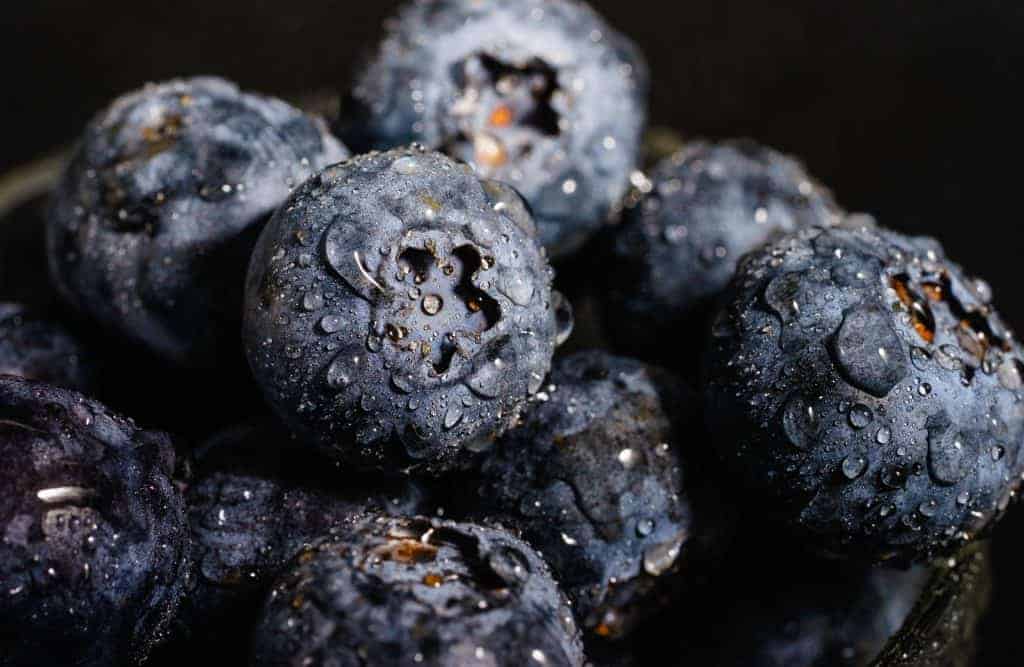
Blueberries are famous for their deep indigo color, a sign of anthocyanin richness. They consistently rank among the highest antioxidant fruits per gram.
Why they stand out:
- High anthocyanin concentration
- Balanced sweetness and acidity
- Retain antioxidants when frozen
4.2 Blackberries
Blackberries deliver:
- Anthocyanins
- Ellagic acid
- Vitamin C
Their seeds also contribute additional phenolic compounds, increasing total antioxidant load.
4.3 Raspberries
Raspberries are especially rich in:
- Ellagitannins
- Quercetin
- Vitamin C
They may taste delicate, but their antioxidant profile is remarkably robust.
4.4 Wild vs. Cultivated Berries
Wild berries often contain:
- Higher skin-to-pulp ratios
- More intense pigmentation
- Greater antioxidant density per gram
This is one reason traditionally foraged berries have long been valued in many cultures.
5. Spices: Antioxidant Champions in Tiny Packages
Gram for gram, spices often outperform almost every other food category.
5.1 Cloves
Cloves frequently rank at the very top of antioxidant charts.
Key compounds:
- Eugenol
- Flavonoids
- Phenolic acids
A small pinch delivers a powerful antioxidant punch.
5.2 Cinnamon
Cinnamon combines warmth and antioxidant strength:
- Rich in polyphenols
- Naturally stable
- Long history in preservation and flavoring

5.3 Turmeric
Turmeric’s golden color comes from curcuminoids, which are potent antioxidants.
Best features:
- Synergistic compounds
- Fat-soluble activity
- Used traditionally in many cuisines
5.4 Oregano and Rosemary
These herbs are loaded with:
- Rosmarinic acid
- Carvacrol
- Thymol
They’re not just flavor boosters—they’re chemical guardians of freshness.
6. Tea Leaves: Antioxidants in Liquid Form
Tea is one of the most widely consumed antioxidant sources worldwide.
6.1 Green Tea
Green tea is rich in catechins, particularly EGCG.
Why it matters:
- Minimal oxidation during processing
- High polyphenol concentration
- Clean, grassy flavor profile
6.2 Black Tea
Black tea undergoes controlled oxidation, forming:
- Theaflavins
- Thearubigins
These compounds still retain strong antioxidant properties, just with a different profile.
6.3 White Tea
White tea is lightly processed and often contains:
- Delicate antioxidants
- Subtle flavors
- High antioxidant-to-caffeine ratio
7. Cocoa and Dark Chocolate: Indulgence with Benefits
Cocoa beans are naturally rich in flavanols.
7.1 Raw Cocoa
Raw cocoa powder contains:
- Catechins
- Procyanidins
- Magnesium
The darker and less processed, the higher the antioxidant content.
7.2 Dark Chocolate
High-cocoa dark chocolate retains many antioxidants if sugar and milk content remain low.
Look for:
- High cocoa percentage
- Minimal processing
- Rich, bitter flavor notes
8. Nuts and Seeds: Quiet Antioxidant Contributors
While not always dramatic in color, nuts and seeds supply steady antioxidant support.
8.1 Walnuts
Walnuts contain:
- Polyphenols
- Melatonin
- Vitamin E
Their thin skins are especially antioxidant-rich.
8.2 Pecans
Pecans often rank among the top antioxidant nuts.
Why:
- High phenolic content
- Naturally sweet, rich flavor
- Stable fats
8.3 Flaxseeds and Chia Seeds
These seeds deliver:
- Lignans
- Phenolic acids
- Omega-rich antioxidant synergy
Grinding improves accessibility of these compounds.
9. Vegetables with Exceptional Antioxidant Profiles
Vegetables may not always get the spotlight, but several are antioxidant heavyweights.

9.1 Red Cabbage
Red cabbage is rich in anthocyanins and vitamin C.
Cooking gently can:
- Preserve color
- Maintain antioxidant integrity
9.2 Spinach and Leafy Greens
Leafy greens provide:
- Lutein
- Zeaxanthin
- Vitamin E
Their antioxidants support both color stability and nutritional value.
9.3 Beets
Beets contain betalains, a rare class of antioxidants.
Features:
- Vibrant color
- Heat stability
- Earthy flavor complexity
10. Fruits Beyond Berries: Hidden Antioxidant Stars
10.1 Pomegranates
Pomegranates are loaded with:
- Punicalagins
- Anthocyanins
- Tannins
Both juice and seeds contribute antioxidant power.
10.2 Grapes
Especially dark-skinned grapes contain:
- Resveratrol
- Quercetin
- Anthocyanins
The skins and seeds hold most of the antioxidants.
10.3 Apples (With Skin)
Apple skins contain:
- Quercetin
- Catechins
- Chlorogenic acid
The old saying about apples wasn’t just poetic—it was chemical.
11. Oils and Fats: Antioxidants in Liquid Gold
11.1 Extra Virgin Olive Oil
This oil stands out for:
- Hydroxytyrosol
- Oleuropein
- Stability under moderate heat
Freshness and storage matter greatly.
11.2 Avocado Oil
Avocado oil offers:
- Vitamin E
- Carotenoids
- Mild flavor with antioxidant support
12. Fermented Foods and Antioxidant Transformation
Fermentation can enhance antioxidant availability.
Examples:
- Fermented soy products
- Fermented teas
- Cultured vegetables
Microbial activity often:
- Breaks down complex compounds
- Increases bioaccessibility
- Adds new antioxidant metabolites
13. Cooking, Processing, and Antioxidant Retention
13.1 Heat: Friend or Foe?
Heat can:
- Reduce vitamin C
- Increase availability of some carotenoids
- Transform polyphenols
Balance is key.
13.2 Chopping and Crushing
Mechanical processing can:
- Activate enzymes
- Increase antioxidant release
- Also accelerate oxidation if exposed too long
13.3 Storage Matters
Light, air, and time affect antioxidants.
Best practices:
- Store oils in dark containers
- Freeze berries
- Keep spices sealed and dry
14. Synergy: Why No Single Ingredient Wins
Antioxidants rarely act alone. They form networks:
- Vitamin C regenerates vitamin E
- Polyphenols support enzyme systems
- Fats improve carotenoid absorption
This is why whole foods consistently outperform isolated compounds.
15. The Real Takeaway: Diversity Over Obsession
The richest antioxidant ingredient depends on:
- Measurement method
- Preparation
- Portion size
- Dietary context
Spices may win per gram, berries per serving, and teas per daily habit. No single ingredient dominates every category.
The smartest approach is simple:
- Eat a wide range of colors
- Include herbs, spices, fruits, vegetables, nuts, and teas
- Value freshness and preparation as much as sourcing
Antioxidants are not a competition—they’re a collaboration between plants, chemistry, and everyday eating habits.
16. Final Thoughts
Antioxidants are not mysterious substances reserved for rare superfoods. They are woven into the foods humans have cooked, brewed, and shared for generations. From a pinch of clove to a bowl of berries, from a cup of tea to a drizzle of olive oil, antioxidant-rich ingredients surround us daily.
Understanding which ingredients are richest in antioxidants doesn’t mean chasing extremes. It means appreciating how color, flavor, tradition, and chemistry align—and making thoughtful choices that are as enjoyable as they are informed.