






Vegetables are often praised as nutritional powerhouses, yet many people don’t actually get the full benefits they promise. The problem isn’t a lack of vegetables on the plate—it’s how they’re chosen, stored, prepared, cooked, combined, and even chewed. Nutrients are sensitive, interactive, and sometimes surprisingly fragile. The way you treat your vegetables can quietly multiply their value—or reduce them to colorful filler.
This article explores, in depth, how to extract the maximum nutritional value from vegetables without turning meals into laboratory experiments. We’ll look at the science behind nutrients, the practical realities of kitchens, and the small habits that make a big difference. The goal is not perfection, but smarter, more enjoyable eating.
1. Understanding What “Nutrients” Really Mean
Before talking about techniques, it helps to understand what nutrients actually are and how they behave.
Macronutrients vs. Micronutrients
Vegetables are low in macronutrients like protein and fat, but they excel in micronutrients:
- Vitamins (A, C, K, B-complex)
- Minerals (potassium, magnesium, iron)
- Phytonutrients (carotenoids, flavonoids, glucosinolates)
- Fiber (soluble and insoluble)
Each category behaves differently when exposed to heat, air, light, and water.
Water-Soluble vs. Fat-Soluble Nutrients
- Water-soluble vitamins (like vitamin C and many B vitamins) dissolve in water and are easily lost during boiling.
- Fat-soluble vitamins (A, D, E, K) require fat for absorption and are more stable during cooking.
Understanding this distinction alone explains many common mistakes—and how to fix them.
2. Freshness Is a Nutritional Factor, Not Just a Flavor One
A vegetable’s nutrient clock starts ticking the moment it’s harvested.
The Myth of “Fresh Means Raw”
Fresh doesn’t necessarily mean raw, and raw doesn’t necessarily mean optimal. A freshly harvested carrot may be nutritionally superior to an older raw carrot, but a lightly cooked carrot can sometimes deliver more usable nutrients than either.
Time, Transport, and Storage
- Vitamin C and some antioxidants degrade over time.
- Leafy greens can lose a significant portion of their vitamin content within days if improperly stored.
- Locally grown vegetables often retain more nutrients simply because they spend less time in transit.
Key insight: Nutrient loss is gradual, not sudden. A slightly older vegetable is still valuable, but minimizing storage time matters.
3. Choosing Vegetables with Nutrient Density in Mind
Not all vegetables are nutritionally equal, and variety is a strategy, not a slogan.
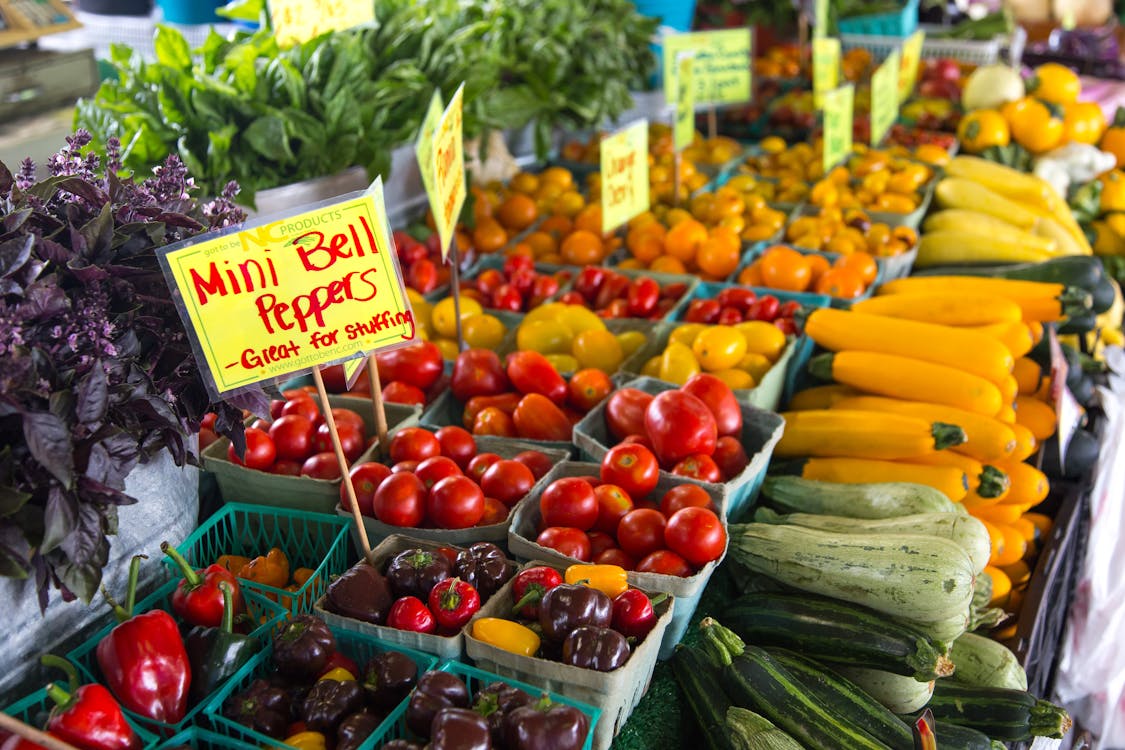
Color as a Nutrient Signal
Different pigments correspond to different phytonutrients:
- Green: chlorophyll, folate, magnesium
- Red: lycopene, anthocyanins
- Orange/Yellow: beta-carotene, lutein
- Purple/Blue: resveratrol, anthocyanins
- White: allicin, potassium
Eating “the rainbow” works because each color represents a different chemical toolkit.
Seasonal Vegetables Often Win
Vegetables grown in their natural season often:
- Develop stronger flavors
- Contain higher phytonutrient levels
- Require fewer preservatives or long storage times
Seasonality isn’t just romantic—it’s biochemical.
4. Washing Vegetables Without Washing Away Value
Clean vegetables are essential, but excessive or improper washing can cause nutrient loss.
Wash Before Cutting, Not After
Cutting vegetables before washing exposes more surface area, allowing water-soluble nutrients to leach out.
Avoid Soaking
Long soaking times:
- Leach vitamins and minerals
- Dilute flavor
- Provide no extra cleanliness benefit
A quick rinse under running water is usually enough.
Don’t Peel Automatically
Peels often contain:
- Fiber
- Antioxidants
- Concentrated minerals
If edible and clean, keep the peel. Think potatoes, carrots, cucumbers, and apples.
5. Cutting Techniques That Preserve Nutrients
The knife you use and how you use it matter more than most people realize.
Cut Size Matters
Smaller pieces:
- Cook faster (less heat exposure)
- Lose more nutrients if boiled
- Oxidize faster when left uncooked
Larger pieces:
- Retain nutrients better during cooking
- Require longer cooking times
Balance is key.
Sharp Knives Reduce Damage
A sharp knife:
- Creates cleaner cuts
- Reduces cell damage
- Slows enzymatic nutrient breakdown
Dull knives crush cells and accelerate oxidation.
6. The Surprising Science of Cooking Vegetables
Cooking is often portrayed as the enemy of nutrition, but that’s an oversimplification.
When Cooking Helps
Cooking can:
- Break down cell walls
- Increase bioavailability of carotenoids
- Reduce antinutrients like oxalates

Examples:
- Cooked tomatoes provide more absorbable lycopene.
- Lightly cooked spinach reduces oxalates that block mineral absorption.
When Cooking Hurts
Overcooking:
- Destroys vitamin C
- Degrades folate
- Causes mineral loss into cooking water
The goal is strategic cooking, not raw-only or cooked-only extremes.
7. Ranking Cooking Methods by Nutrient Retention
Not all heat is created equal.
Steaming: The Gold Standard
- Minimal nutrient loss
- Preserves color and texture
- No water contact
Steaming is especially good for broccoli, carrots, and leafy greens.
Sautéing and Stir-Frying
- Short cooking times
- Uses fat, which helps absorb fat-soluble vitamins
- Best with moderate heat
Avoid overheating the oil.
Roasting and Baking
- Enhances flavor
- Retains minerals
- May reduce heat-sensitive vitamins
Best for root vegetables and dense vegetables.
Boiling: Use with Care
- Causes the most nutrient loss
- Water-soluble vitamins leach into water
If you boil:
- Use minimal water
- Use the cooking liquid in soups or sauces
Microwaving: Surprisingly Effective
- Short cooking time
- Minimal water
- Good nutrient retention
Often misunderstood but scientifically sound when done properly.
8. Fat: The Nutrient Multiplier Most People Forget
Some nutrients need fat to be absorbed.
Fat-Soluble Vitamins
Vitamins A, E, and K, plus carotenoids, require fat to pass through the intestinal wall.
Smart Fat Pairings
- Olive oil with leafy greens
- Avocado with tomatoes
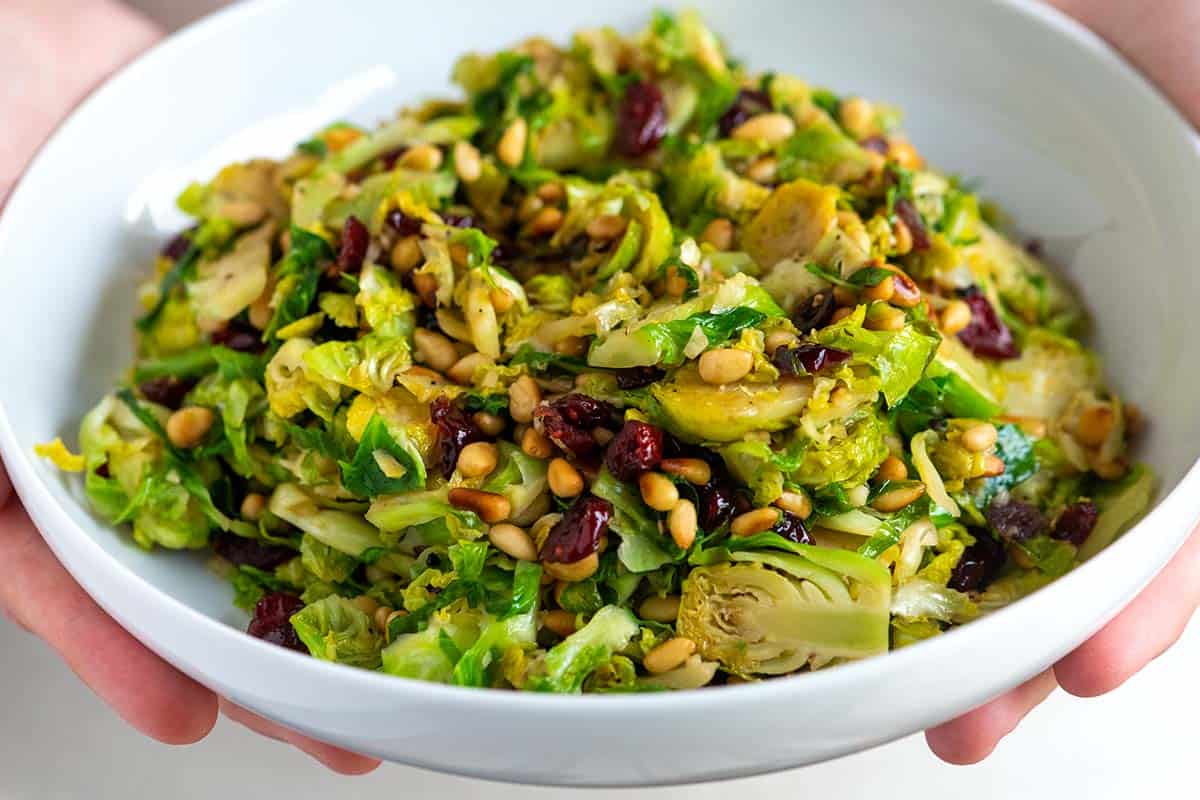
- Nuts or seeds with roasted vegetables
You don’t need much—just enough to unlock absorption.
9. Combining Vegetables for Synergy
Nutrients don’t work alone.
Vitamin C Boosts Iron Absorption
Pairing vitamin C–rich vegetables with iron-rich plant foods increases iron uptake.
Examples:
- Bell peppers with spinach
- Broccoli with beans
- Tomatoes with lentils
Sulfur Compounds and Enzyme Activation
Cruciferous vegetables (like broccoli and kale) contain compounds that become active only after chopping or chewing.
Letting them sit for a few minutes after cutting can increase their beneficial compounds.
10. Raw vs. Cooked: A False Debate
The question isn’t raw or cooked—it’s which vegetables, which nutrients, which method.
Best Eaten Raw
- Bell peppers
- Lettuce
- Cucumbers
- Radishes
Better Lightly Cooked
- Carrots
- Tomatoes
- Spinach
- Mushrooms
A mix of raw and cooked vegetables across the day provides the widest nutrient spectrum.
11. Chewing: The Most Ignored Nutritional Skill
Digestion starts in the mouth.
Why Chewing Matters
- Breaks down fiber
- Releases nutrients from plant cells
- Improves absorption downstream
Rushed eating reduces nutrient extraction no matter how perfect the cooking method.
12. Storage Strategies That Protect Nutrients
How you store vegetables at home matters just as much as how you cook them.
Light, Air, and Temperature
- Light degrades certain vitamins
- Oxygen accelerates oxidation
- Heat speeds nutrient loss
Use:
- Crisper drawers
- Airtight containers when appropriate
- Cool, dark storage for root vegetables
Cut vs. Whole
Whole vegetables retain nutrients longer than pre-cut ones. Cut only what you plan to use.
13. Frozen Vegetables: Not the Enemy
Frozen vegetables are often:
- Harvested at peak ripeness
- Frozen quickly, locking in nutrients
- More consistent than “fresh” vegetables stored too long
They can be nutritionally equal—or even superior—to fresh vegetables in some cases.
14. Common Myths That Reduce Vegetable Nutrition
Myth 1: Raw Is Always Better
False. Bioavailability matters more than rawness.
Myth 2: More Cooking Time Equals More Flavor and Nutrition
Flavor may increase, but nutrients often decline.
Myth 3: Vegetables Are Simple Foods
Vegetables are chemically complex systems that respond dynamically to preparation.
15. Making Nutrient-Rich Eating Sustainable
The best method is the one you’ll actually use consistently.
Simplicity Beats Perfection
A lightly sautéed vegetable eaten daily beats a perfectly steamed one eaten once a month.
Taste Matters
Enjoyment improves digestion and consistency. Nutrients only help if the food gets eaten.
16. A Practical Daily Strategy
To get the most nutrients from vegetables:
- Choose a variety of colors.
- Store them properly and use them promptly.
- Wash gently, cut thoughtfully.
- Use cooking methods that match the vegetable.
- Add a small amount of healthy fat.
- Chew slowly and eat mindfully.
This isn’t restrictive—it’s empowering.
17. Final Thoughts: Vegetables as Living Systems
Vegetables are not static objects. They are living systems even after harvest, responding to heat, air, water, and time. When you understand this, cooking becomes less about rules and more about relationships.
Getting the most nutrients out of your vegetables doesn’t require perfection, expensive tools, or rigid diets. It requires attention, curiosity, and a willingness to treat vegetables not as obligations, but as collaborators in your health.
When prepared with care, vegetables don’t just fill your plate—they actively work with your body, quietly and powerfully, one bite at a time.