






Pancakes are supposed to be comforting—golden, fluffy, lightly crisp at the edges, and tender in the middle. Yet for many home cooks, pancakes turn into a recurring mystery: dark, almost burnt exteriors paired with pale, gummy, or undercooked centers. The batter seemed fine. The recipe looked simple. The pan was hot—maybe too hot. So why does this keep happening?
This article takes a deep, practical, and enjoyable dive into the real reasons pancakes burn on the outside and how to fix each one with confidence. We’ll move beyond quick tips and explore heat transfer, batter chemistry, pan materials, fat choices, timing, and technique—without turning your kitchen into a science lab. By the end, you’ll not only fix burnt pancakes, you’ll understand why the fixes work, which means you’ll be able to adapt to any stove, pan, or recipe you use in the future.
1. The Pancake Paradox: Brown Outside, Raw Inside
At first glance, a pancake seems like one of the simplest foods to cook. Pour batter, wait for bubbles, flip, repeat. But pancakes are surprisingly sensitive to heat balance. The classic problem—burning on the outside while remaining undercooked inside—comes from a mismatch between surface temperature and internal heat penetration.
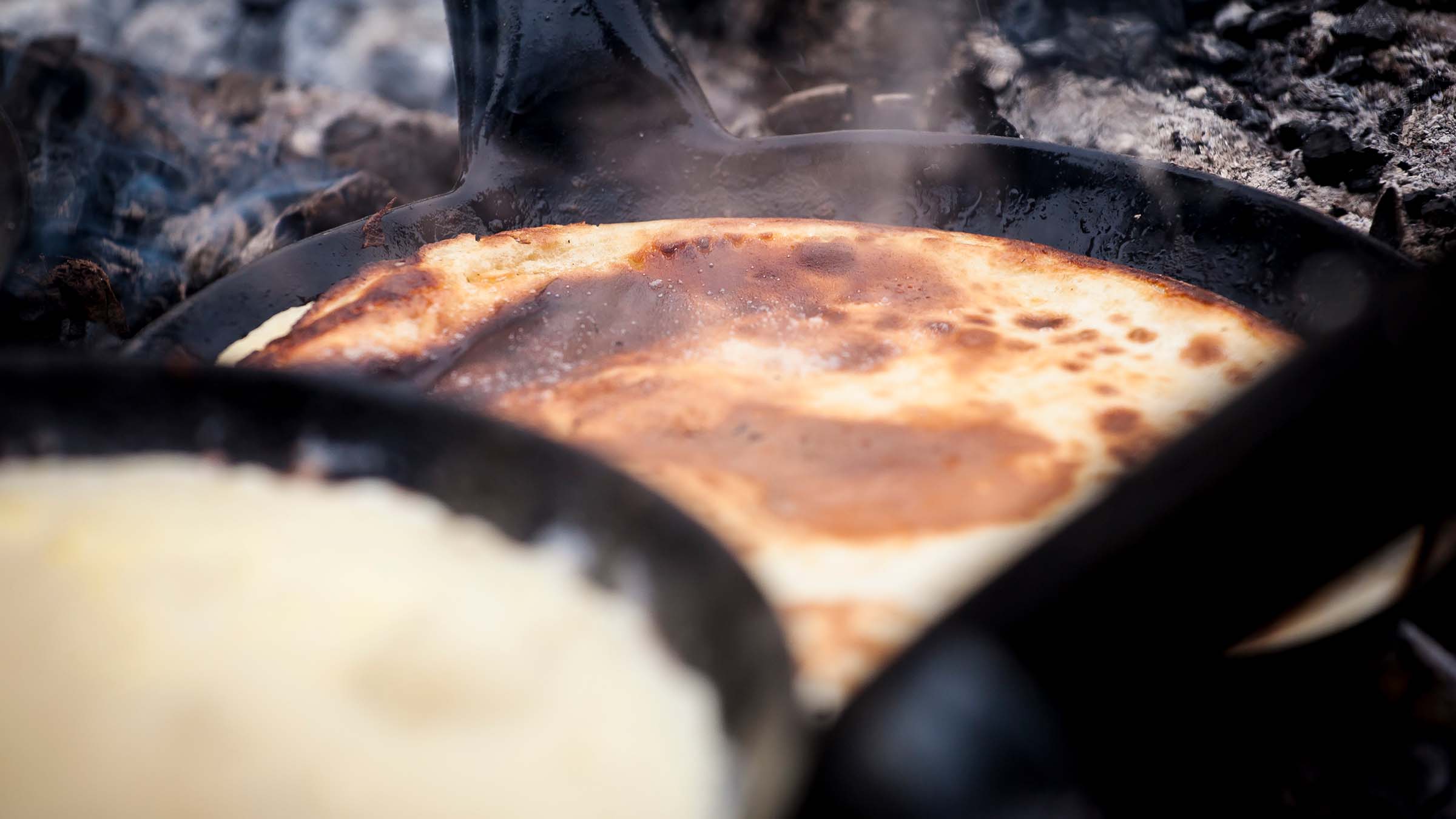
When the pan is too hot, the outer layer of the pancake cooks faster than heat can travel inward. Sugars and proteins on the surface brown rapidly, while the interior batter remains wet and dense. This creates a pancake that looks “done” long before it actually is.
Understanding this paradox is the foundation of every fix that follows.
2. Heat Is the Main Culprit (But Not in the Way You Think)
Most people assume that pancakes burn because the heat is “too high.” That’s true—but incomplete.
2.1 Surface Heat vs. Cooking Heat
What matters is not just the stove setting, but the actual surface temperature of the pan. Two burners set to “medium” can behave very differently depending on:
- Stove type (gas, electric, induction)
- Pan material and thickness
- Whether the pan was preheated too long
- How much fat is in the pan
A pan can be overheated even on medium heat if it’s left empty for too long.
2.2 The Ideal Pancake Temperature Window
Pancakes cook best when the pan surface is hot enough to initiate browning, but cool enough to allow heat to gently move inward. That window is narrower than most people expect.
When you miss that window on the high side, you get:
- Fast browning
- Bitter or scorched flavors
- Pale or raw centers
The fix is not just “lower the heat,” but control how the pan gains and holds heat.
3. Preheating: When Good Intentions Go Wrong
Preheating is essential in cooking—but pancakes punish over-preheating more than many other foods.
3.1 Why Over-Preheating Is So Common
Many cooks preheat a pan the same way they would for searing meat: empty pan, medium-high heat, wait until very hot. This habit almost guarantees burnt pancakes.
An empty pan continues to accumulate heat, especially if it’s made of cast iron or thick stainless steel. By the time batter hits the surface, the pan is far beyond pancake-friendly temperatures.
3.2 The Better Preheating Method
Instead of preheating aggressively:
- Place the pan over medium-low to medium heat
- Add a small amount of fat early
- Allow the pan to warm gradually for several minutes
- Test with a small drop of batter—not water
If the batter sizzles gently and spreads slowly, you’re ready. If it aggressively bubbles or darkens instantly, the pan is too hot.
4. Pan Choice: Not All Pans Treat Pancakes Equally
Your pan may be sabotaging you without your knowledge.
4.1 Thin Pans: Fast Heat, Little Mercy
Very thin pans heat quickly and unevenly. Hot spots form, causing localized burning even when the overall heat seems reasonable. These pans demand constant attention and perfect timing—something pancakes rarely allow.
4.2 Cast Iron: Powerful but Demanding
Cast iron holds heat exceptionally well. This can be wonderful once you master temperature control, but dangerous if you overheat it initially. Once cast iron gets too hot, it stays hot—and pancakes suffer.
4.3 Nonstick and Heavy-Bottomed Pans: Pancake-Friendly Heroes
The most forgiving pancake pans are:
- Heavy-bottomed nonstick pans
- Enameled cast iron (used gently)
- Griddles designed for low, even heat
These distribute heat more evenly and recover more gently between batches.
5. Fat Matters More Than You Think
The type, amount, and behavior of fat in the pan directly affect pancake browning.
5.1 Butter: Flavorful but Tricky
Butter contains milk solids that burn at relatively low temperatures. When the pan is too hot, butter browns—and then burns—before the pancake is done. This creates dark, bitter patches on the pancake surface.
Fix:
Use clarified butter, or mix butter with a neutral oil to raise the smoke point.
5.2 Oil: Stable but Less Informative
Neutral oils burn less easily and provide more consistent browning. However, they don’t give the same visual or aromatic cues as butter, making it easier to overheat the pan unknowingly.
5.3 Too Much Fat Is Also a Problem
Excess fat causes uneven contact between batter and pan, leading to:
- Patchy browning
- Fried, overly dark edges
- Greasy texture
A thin, even coating is ideal.
6. Batter Composition: The Chemistry Behind Burning
Even with perfect heat control, the batter itself can encourage burning.
6.1 Sugar Levels and Browning Speed
Sugar caramelizes quickly. Batters high in sugar brown faster and burn more easily. This includes:
- Added white or brown sugar
- Honey, maple syrup, or syrups
- Sweetened dairy products
If your pancakes burn easily, sugar content may be too high for your cooking temperature.
6.2 Protein and the Maillard Reaction
Proteins in flour, eggs, and milk contribute to browning through the Maillard reaction. While this reaction creates delicious flavors, it accelerates surface browning under high heat.
6.3 Thick vs. Thin Batter
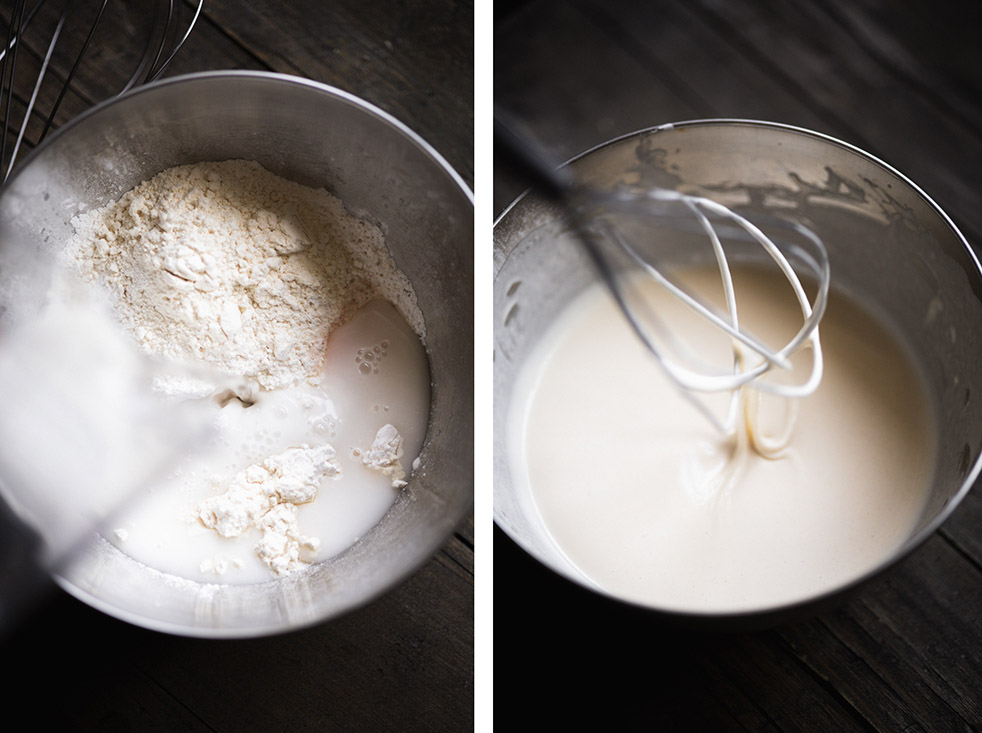
Thick batter takes longer to cook through. Thin batter spreads more and cooks evenly. Very thick pancake batter increases the chance of burnt exteriors and raw centers.

Fix:
Aim for a batter that pours slowly but spreads naturally without forcing.
7. The Leavening Trap: When Pancakes Rise Too Fast
Leavening agents like baking powder and baking soda create bubbles that help pancakes rise. But too much leavening causes pancakes to puff rapidly, insulating the center from heat.
This leads to:
- Tall pancakes with undercooked cores
- Dark crusts from prolonged surface exposure
Measure leavening carefully. More is not better.
8. Pour Size and Shape: Geometry Matters
Large, thick pancakes are harder to cook evenly.
8.1 Why Smaller Pancakes Work Better
Smaller pancakes:
- Heat through more evenly
- Require shorter cooking times
- Reduce the risk of burning
Aim for pancakes about the size of your palm.
8.2 Spreading the Batter Intentionally
If batter piles up in the center, gently swirl the pan or use the back of a ladle to encourage even thickness. Uniform thickness equals uniform cooking.
9. Timing the Flip: Bubbles Are Only Part of the Story
The classic advice—“flip when bubbles form”—is incomplete.
9.1 What Bubbles Actually Mean
Bubbles indicate steam escaping and leavening activation, not doneness. If the pan is too hot, bubbles form quickly even though the interior is raw.
9.2 Better Flip Cues
Look for:
- Set edges that look dry
- A matte surface instead of glossy batter
- Bubbles that pop and stay open
If the pancake releases easily from the pan, it’s ready.
10. The Second Side Myth
Many cooks assume the second side cooks faster—and it does—but that doesn’t mean you should rush it.
If the first side was cooked over excessive heat, the second side often burns even faster because the pan retains heat. Lower the heat slightly after flipping to allow the interior to finish cooking without scorching.
11. Batch Cooking: The Hidden Temperature Creep
Your first pancake might be fine, but later ones burn. Why?
Each batch adds residual heat to the pan. If you don’t adjust, the pan slowly climbs into the danger zone.
Fixes:
- Lower heat slightly after the first pancake
- Remove the pan from heat briefly between batches
- Wipe excess fat and residue
Professional cooks constantly adjust heat. Pancakes reward the same attention.
12. Common “Fixes” That Make Things Worse
Some well-meaning adjustments backfire:
- Turning heat way down: Leads to pale, dense pancakes
- Covering the pan: Traps steam, causing soggy textures
- Pressing pancakes: Forces raw batter outward and flattens structure
- Flipping repeatedly: Disrupts internal cooking
Understanding the cause of burning prevents these mistakes.
13. A Reliable Pancake Cooking Method (Step-by-Step)
Here’s a method that works across kitchens:
- Use a heavy-bottomed nonstick pan
- Heat over medium-low for 3–5 minutes
- Add a thin layer of fat
- Test with a small spoon of batter
- Pour modest-sized pancakes
- Cook until edges set and bubbles stay open
- Flip once
- Slightly lower heat if needed
- Remove when both sides are golden and springy
Simple, controlled, repeatable.
14. Texture Check: How to Tell If Pancakes Are Truly Done
A properly cooked pancake should:
- Feel light, not heavy
- Spring back gently when pressed
- Show no wet batter at the center when torn
Color alone is not enough. Texture tells the truth.
15. Turning Pancake Failure into Skill
Burnt pancakes are not a sign of poor cooking ability. They’re a sign that pancakes demand respect for heat, timing, and balance. Once you understand how surface temperature, batter chemistry, and pan behavior interact, pancakes stop being unpredictable.
Master these principles, and you’ll be able to:
- Adjust to any stove
- Fix recipes on the fly
- Cook pancakes consistently, not accidentally
That’s the difference between following instructions and truly cooking.
16. Final Thoughts: Pancakes as a Lesson in Control
Pancakes teach one of the most valuable lessons in cooking: gentle control beats brute force. Lower heat, slower cooking, and attentive adjustments produce better results than rushing or overpowering the process.
When pancakes stop burning on the outside, it’s not because you found a magic trick—it’s because you learned how heat behaves, how batter responds, and how patience pays off.
And once you’ve mastered pancakes, you’ll find that many other foods suddenly become easier too.