







Baking has always been a fascinating blend of science, art, and comfort. The familiar aroma of wheat-based bread or cakes drifting from the oven is deeply comforting to many of us. Yet, beyond traditional all-purpose flour lies an expansive, flavorful, and surprisingly versatile world of alternative flours. Whether driven by dietary needs, curiosity, or the desire to expand creative boundaries, bakers everywhere are rediscovering what flour can be.
Alternative flours are not a trend born overnight. Many cultures have relied on non-wheat flours for centuries—long before refined wheat flour dominated modern kitchens. Today, these flours are enjoying renewed attention, not only for gluten-free baking but also for their nutritional profiles, unique flavors, textures, and ability to transform classic recipes into something new and exciting.
This article explores alternative flours from a professional baking perspective: what they are, how they behave, how to use them effectively, and why they deserve a permanent place in your pantry. Whether you are an experienced baker or an enthusiastic beginner, baking with alternative flours can fundamentally change how you think about dough, batter, and flavor.
Understanding What “Alternative Flour” Really Means
An alternative flour is essentially any flour not made from refined wheat. This includes flours derived from:
- Nuts and seeds
- Legumes and pulses
- Ancient grains
- Root vegetables and fruits
Unlike wheat flour, which contains gluten-forming proteins, most alternative flours are naturally gluten-free or contain very low gluten levels. This single difference dramatically changes how they behave during mixing, proofing, and baking.
Gluten provides elasticity, structure, and chew. When it is absent—or replaced—bakers must rethink structure-building strategies. Alternative flours rely more heavily on starch gelatinization, egg proteins, fats, and moisture balance to achieve desirable results.
Understanding this fundamental difference is the first step to mastering alternative flour baking.
Why Bakers Are Embracing Alternative Flours
The growing popularity of alternative flours is not driven by one single factor, but by a convergence of motivations.
1. Dietary and Health Considerations
Many people turn to alternative flours due to gluten intolerance, celiac disease, or digestive sensitivity. Others are seeking higher protein, fiber, or micronutrient content. Almond flour, chickpea flour, and oat flour, for example, offer more nutritional density than refined wheat flour.
2. Flavor Exploration
Alternative flours introduce new taste dimensions. Buckwheat has an earthy depth. Coconut flour brings mild sweetness. Teff offers subtle molasses notes. These flavors elevate baked goods beyond neutral carriers for sugar and fat.
3. Texture and Structure Innovation
Some flours create exceptionally tender crumbs, others yield crisp edges or moist interiors. Once understood, these characteristics can be used intentionally to design better baked goods rather than merely substituting ingredients.
4. Cultural and Culinary Curiosity
Baking with alternative flours is also an exploration of global culinary traditions. From Ethiopian injera to Indian flatbreads, many iconic foods rely on non-wheat flours.
A Tour of Popular Alternative Flours
Almond Flour
Source: Blanched almonds
Texture: Fine, slightly moist
Flavor: Mild, nutty
Almond flour is prized for its richness and tenderness. High in fat and protein, it produces moist cakes and cookies with a soft crumb. However, it lacks starch, meaning it cannot provide structure on its own. Recipes often rely on eggs to compensate.
Best uses:
- Cakes and muffins
- Macarons
- Shortbread-style cookies
Professional tip: Almond flour browns quickly due to its fat content. Lower oven temperatures help prevent over-coloring.
Coconut Flour
Source: Dried coconut meat
Texture: Very fine, highly absorbent
Flavor: Light coconut aroma
Coconut flour is powerful and demanding. It absorbs liquid at a remarkable rate, meaning recipes use far less flour than expected and require more eggs or liquid.
Best uses:
- Pancakes and waffles
- Quick breads
- Soft cookies
Professional tip: Never substitute coconut flour 1:1 for wheat flour. Start with small amounts and adjust gradually.
Oat Flour
Source: Ground oats
Texture: Soft, powdery
Flavor: Mild, comforting, slightly sweet
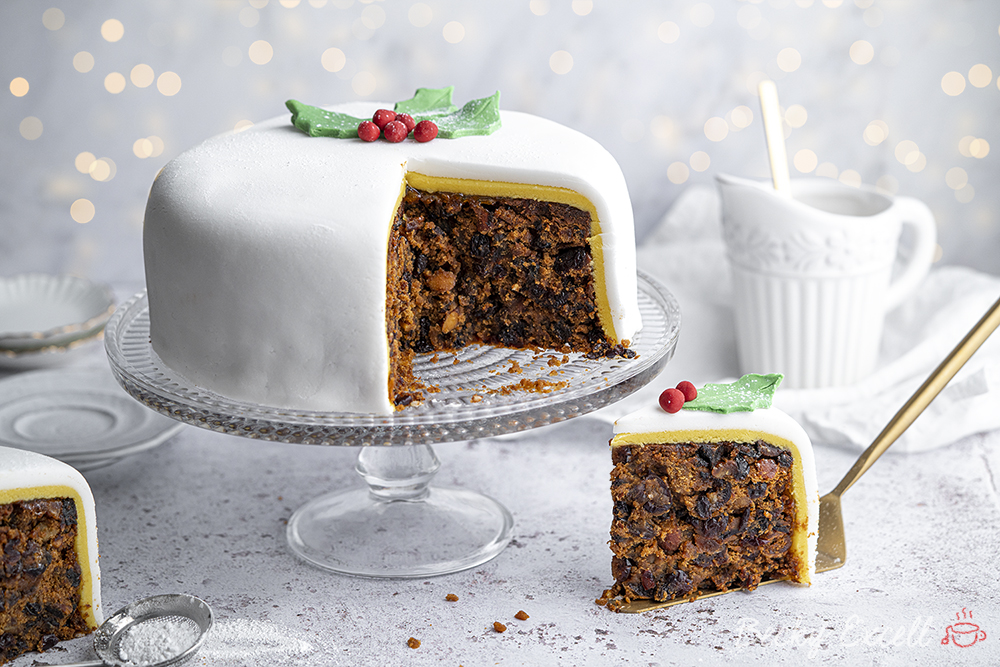
Oat flour behaves more like wheat flour than most alternatives. It provides tenderness and subtle structure, making it a favorite for beginners.
Best uses:
- Cookies
- Muffins
- Quick breads
Professional tip: Toasting oats lightly before grinding deepens flavor and reduces raw notes.
Buckwheat Flour
Source: Buckwheat groats (not related to wheat)
Texture: Slightly coarse
Flavor: Earthy, robust
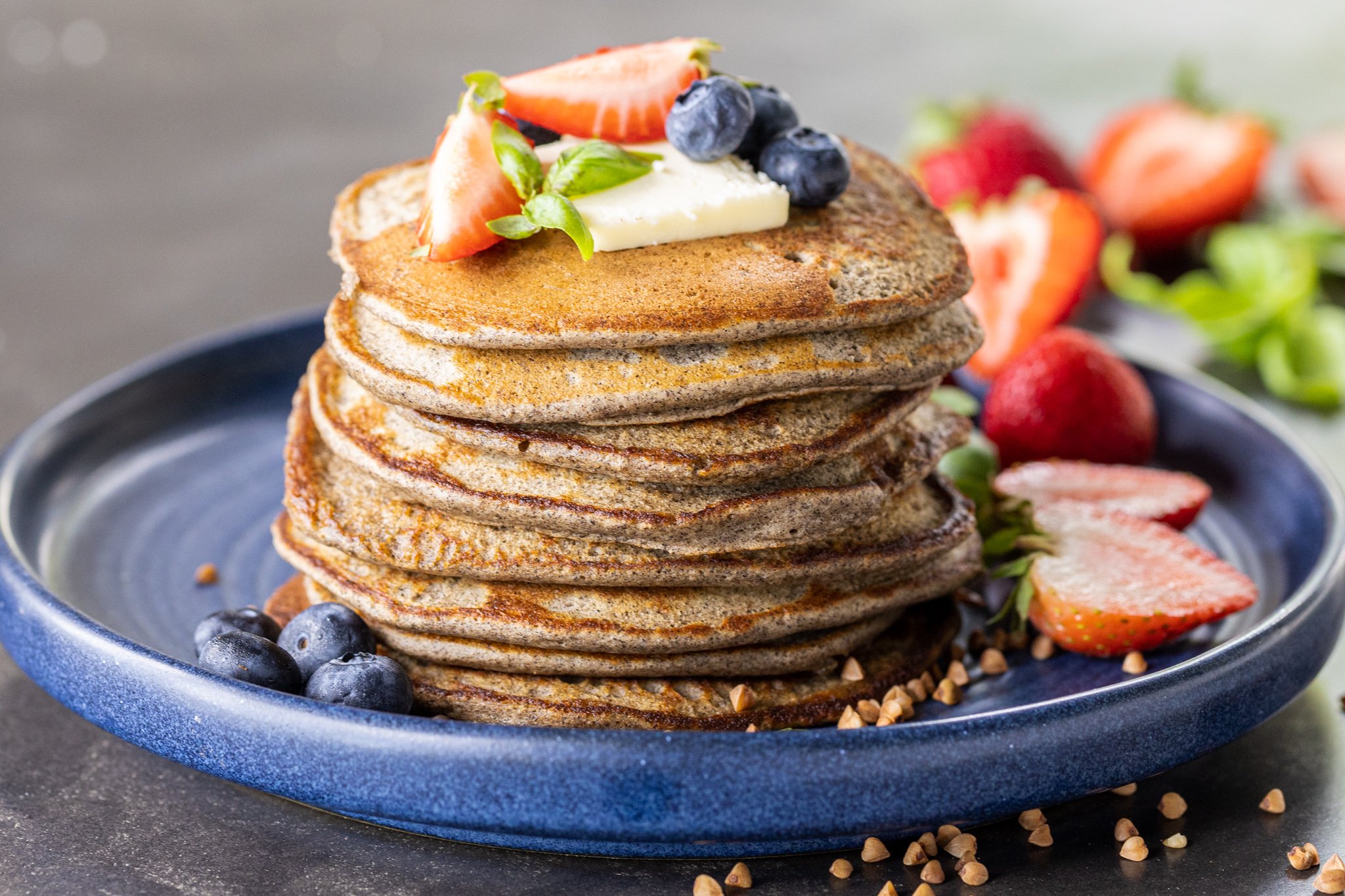
Buckwheat flour offers strong personality. It pairs beautifully with honey, chocolate, nuts, and fruit. Its lack of gluten requires structural support, but its starch content helps bind batters.
Best uses:
- Pancakes
- Crêpes
- Rustic cakes
Professional tip: Blend buckwheat flour with milder flours to balance flavor intensity.
Chickpea Flour
Source: Ground dried chickpeas
Texture: Dense, powdery
Flavor: Savory, nutty
Chickpea flour shines in savory baking. It has excellent binding properties and creates firm structures when baked.
Best uses:
- Savory flatbreads
- Crackers
- Vegetable-based bakes
Professional tip: Heat treatment (toasting) reduces beany flavor and improves aroma.
Rice Flour
Source: Milled rice (white or brown)
Texture: Fine to gritty, depending on grind
Flavor: Neutral
Rice flour provides crispness and lightness but can feel sandy if used alone. It is often part of flour blends.
Best uses:
- Cookies
- Shortcrusts
- Cake flour blends
Professional tip: Combining rice flour with starches improves mouthfeel.
Sorghum Flour
Source: Sorghum grain
Texture: Fine
Flavor: Mild, slightly sweet
Sorghum flour is one of the most wheat-like gluten-free flours. It offers good structure and balanced flavor.
Best uses:
- Cakes
- Breads (with support)
- Pastries
Professional tip: Sorghum works well as a base flour in multi-flour blends.
Teff Flour
Source: Teff grain
Texture: Fine
Flavor: Rich, slightly malty
Teff is nutrient-dense and deeply flavorful. Its dark color and complex taste shine in hearty baked goods.
Best uses:
- Rustic breads
- Chocolate cakes
- Spiced loaves
Professional tip: Teff pairs exceptionally well with cocoa and warm spices.
The Science Behind Alternative Flour Baking
Structure Without Gluten
In wheat baking, gluten forms an elastic network that traps gas and creates volume. Alternative flours must rely on:
- Egg proteins for structure
- Starches for binding
- Gums or fibers for elasticity
- Proper hydration and fat balance
Understanding these replacements allows bakers to control texture instead of guessing.
Hydration Is Everything
Many alternative flours absorb liquid differently. Coconut flour absorbs aggressively; almond flour retains moisture; rice flour absorbs modestly. Accurate hydration prevents dense, gummy, or dry results.
Fat Plays a Bigger Role
Because gluten is absent, fat becomes essential for tenderness and mouthfeel. Butter, oils, nut fats, and egg yolks all contribute to structure and richness.
Building Balanced Flour Blends
Professional bakers rarely rely on a single alternative flour. Instead, they create blends that mimic wheat flour behavior.
A well-designed blend often includes:
- One protein-rich flour (almond, chickpea)
- One starch-rich flour (rice, tapioca)
- One flavor or structure flour (sorghum, oat)
Balancing these components produces baked goods that are stable, tender, and flavorful.
Adapting Classic Recipes
Cakes
Alternative flour cakes benefit from:
- Extra eggs
- Reduced sugar (to prevent collapse)
- Lower baking temperatures
Cookies
Cookies are forgiving and ideal for experimentation. Nut flours create rich textures, while oat and rice flours deliver crispness.
Breads
Bread requires the most adjustment. Expect:
- Shorter rise times
- Denser crumb
- Stronger flavors
Quick breads and flatbreads are excellent entry points.
Common Mistakes and How to Avoid Them
- Overmixing batters – leads to density
- Ignoring hydration differences – causes dryness or gumminess
- Expecting wheat-like results – embrace different textures
- Skipping resting time – allows flours to hydrate fully
Patience and observation are essential skills when working with alternative flours.
Flavor Pairing Strategies
Alternative flours shine when paired thoughtfully:
- Almond flour + citrus zest
- Buckwheat + berries
- Coconut flour + chocolate
- Chickpea flour + herbs and spices
These pairings highlight natural flavors rather than masking them.
The Creative Joy of Alternative Flour Baking
Perhaps the greatest gift of alternative flours is creative freedom. Without the rigid expectations of wheat-based baking, bakers are encouraged to experiment, adapt, and invent.
Each flour behaves differently, teaches something new, and invites curiosity. Baking becomes less about replication and more about exploration.
Looking Ahead: The Future of Baking
As ingredient awareness grows, alternative flours are becoming mainstream rather than niche. Professional bakeries now showcase gluten-free pastries not as substitutes, but as specialties in their own right.
Innovation continues as bakers refine blends, techniques, and flavor combinations. The future of baking is broader, more inclusive, and richer in possibility than ever before.
Final Thoughts
So, have you tried baking with alternative flours? If not, the question may soon become: why not?
These flours offer more than dietary solutions. They offer new textures, deeper flavors, and a renewed sense of creativity. They challenge habits, sharpen skills, and reward curiosity.
Once you begin baking beyond wheat, you may find it difficult to go back. Alternative flours don’t replace traditional baking—they expand it.