





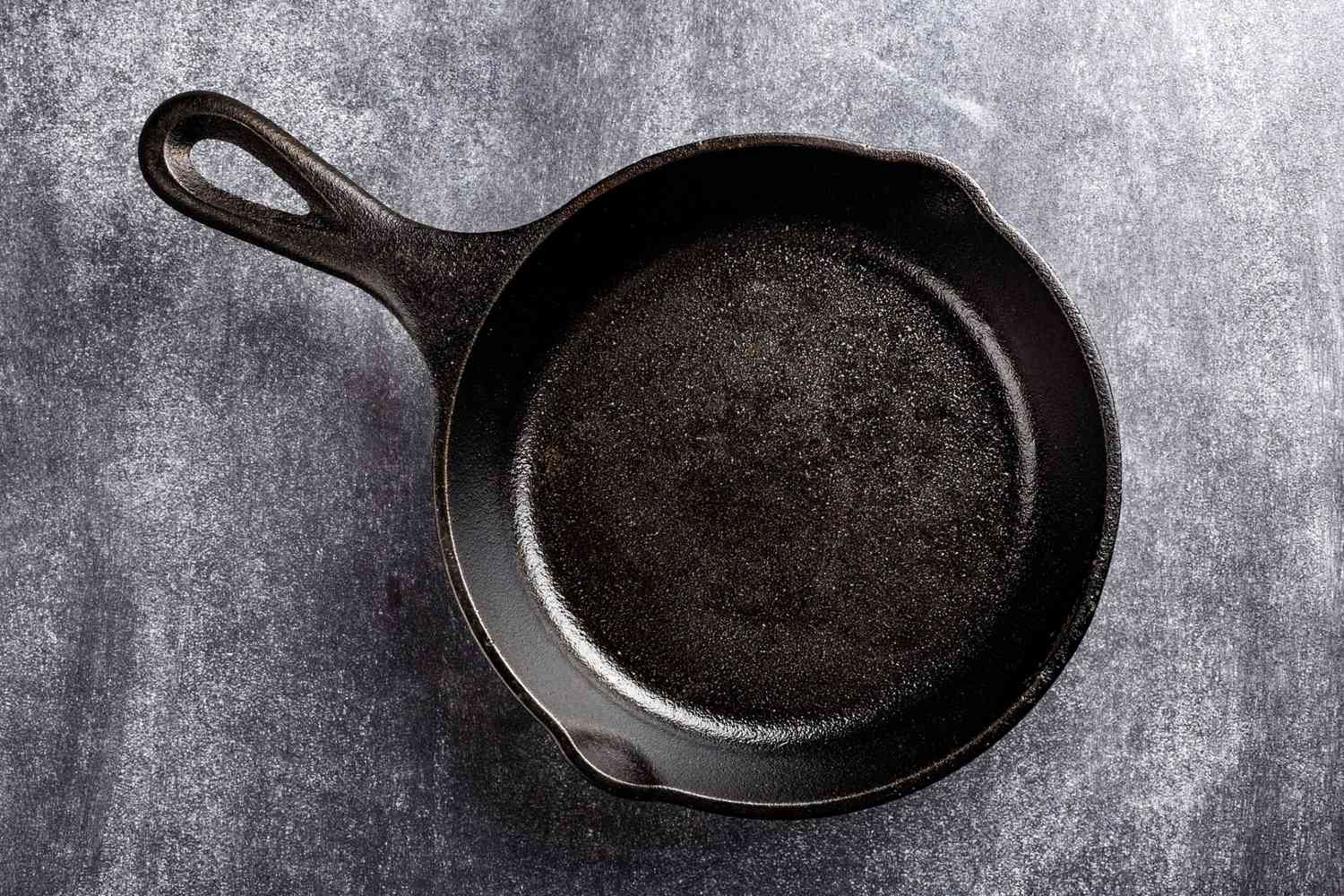

Cast iron cookware has a reputation that’s equal parts myth and mastery. Some people treat it like fragile heirloom china; others abuse it like an indestructible medieval weapon. The truth lives somewhere in between. A cast iron skillet is one of the most forgiving, durable, and rewarding tools you can own in the kitchen—but only if it’s properly seasoned.
Seasoning is not just a ritual handed down by grandmothers or internet forums. It’s a precise, practical process grounded in chemistry, physics, and a bit of culinary intuition. Done correctly, seasoning transforms raw iron into a naturally nonstick, rust-resistant, flavor-enhancing cooking surface that improves with age. Done poorly, it leads to sticky residue, flaking layers, or a skillet that smells faintly of regret.
This article explores the best way to season your cast iron skillet—from the science behind it, to step-by-step methods, to common mistakes, maintenance strategies, and advanced techniques used by professionals. Whether you’re restoring a rusty pan from a flea market or maintaining a daily-use skillet, this is a complete, no-nonsense guide designed to make you confident, not confused.
1. What “Seasoning” Really Means (And What It Doesn’t)
Despite the name, seasoning has nothing to do with salt, pepper, or flavoring your food. In cast iron terms, seasoning is the process of creating a hard, protective layer of polymerized oil on the surface of the pan.
The science in simple terms
Cast iron is porous. On a microscopic level, its surface looks like a rugged mountain range full of tiny pits and valleys. When you heat oil on cast iron past its smoke point, the oil breaks down and undergoes polymerization. The fatty acids link together and bond to the iron, forming a thin, plastic-like coating.
This layer:
- Protects the iron from moisture (preventing rust)
- Smooths the cooking surface
- Creates natural nonstick properties
- Darkens the pan to that classic deep black color
Seasoning is not a single coat. It’s a cumulative process. Every proper use of oil and heat adds to the layer, making the pan better over time.
What seasoning is not
- It is not a temporary coating
- It is not grease left on the pan
- It is not something you do once and forget forever
- It is not the same as enamel (as on enameled cast iron)
Understanding this distinction is crucial, because most seasoning failures come from treating seasoning like paint instead of chemistry.
2. Why Seasoning Matters More Than You Think
A poorly seasoned cast iron skillet is still usable, but it’s frustrating. Food sticks, rust appears, and cleanup becomes harder than necessary. A well-seasoned skillet, on the other hand, can outperform many modern nonstick pans—and do so for decades.
Practical benefits of proper seasoning
- Natural nonstick surface
Eggs release easily, pancakes flip cleanly, and delicate fish is less likely to tear. - Rust protection
Iron rusts when exposed to moisture and oxygen. Seasoning seals the surface. - Better heat performance
Seasoning fills micro-imperfections, allowing more even contact with food. - Improved flavor development
A seasoned pan promotes consistent browning and caramelization. - Longevity
A seasoned skillet can be passed down for generations with minimal upkeep.
Seasoning is not just maintenance—it’s an investment that compounds over time.
3. Choosing the Right Oil: The Foundation of Great Seasoning
Not all oils are created equal when it comes to seasoning cast iron. The type of fat you use determines how strong, smooth, and durable the seasoning layer becomes.
What makes an oil good for seasoning?
Three main factors:
- Smoke point: The temperature at which oil begins to break down
- Fat composition: Higher unsaturated fat content polymerizes more effectively
- Purity and additives: Additives can interfere with bonding
Common oils ranked by effectiveness
1. Flaxseed oil (highly debated but effective)
- Very high in polyunsaturated fats
- Creates a hard, glossy layer
- Can flake if applied too thickly
- Best for controlled, thin applications
2. Grapeseed oil
- High smoke point
- Neutral flavor
- Reliable and forgiving
- Excellent all-purpose choice
3. Canola oil
- Affordable and widely available
- Good balance of fats
- Works well for both seasoning and cooking
4. Vegetable oil blends
- Acceptable but inconsistent
- Results vary depending on composition
5. Animal fats (lard, tallow, bacon grease)
- Traditional and flavorful
- Lower smoke points
- Best for maintenance seasoning, not initial layers
Oils to avoid
- Olive oil (too low smoke point for seasoning)
- Butter (contains milk solids that burn)
- Unrefined oils with strong flavors
The “best” oil ultimately depends on your goals. For initial seasoning, consistency and thinness matter more than brand loyalty.

4. The Best Way to Season Your Cast Iron Skillet: Step by Step
This method balances reliability, durability, and ease. It works for new skillets, stripped pans, and serious reseasoning projects.
Step 1: Clean the skillet completely
Start with a clean surface. Any residue will interfere with bonding.
- Wash the skillet with warm water and mild soap
- Use a stiff brush or sponge to remove debris
- Rinse thoroughly
Contrary to popular myth, soap will not ruin cast iron. It only removes loose grease—not polymerized seasoning.
Step 2: Dry it thoroughly
Water is the enemy of iron.
- Towel-dry immediately
- Place the skillet on a stovetop burner over low heat for 5–10 minutes
- Ensure all moisture is gone
This step also warms the pan slightly, helping oil spread evenly.
Step 3: Apply oil—less than you think
This is where most people go wrong.
- Pour a small amount of oil (about a teaspoon)
- Rub it over every surface: inside, outside, handle, and rim
- Use a lint-free cloth or paper towel
- Buff until the pan looks almost dry
If the pan looks shiny or wet, you used too much oil.
Step 4: Bake upside down
- Preheat oven to 450–500°F (230–260°C)
- Place aluminum foil on the bottom rack to catch drips
- Put the skillet upside down on the top rack
- Bake for 60 minutes
This allows excess oil to drip away and ensures even polymerization.
Step 5: Cool slowly
- Turn off the oven
- Let the skillet cool inside with the door closed
Rapid temperature changes can stress the iron and the seasoning layer.
Step 6: Repeat (optional but recommended)
For a strong base seasoning:
- Repeat the process 2–4 times
- Each layer should be thin and fully cured
After this, your skillet is ready for regular use.
5. Common Seasoning Mistakes (And How to Avoid Them)
Most seasoning failures are predictable—and preventable.
Mistake 1: Using too much oil
Symptoms:
- Sticky surface
- Patchy or uneven seasoning
- Gummy residue
Solution:
- Always buff oil until nearly invisible
- Thin layers beat thick ones every time
Mistake 2: Not heating long enough
Symptoms:
- Oil smells rancid
- Seasoning wipes off during cooking
Solution:
- Maintain high heat long enough to polymerize oil fully
- One full hour in the oven is ideal
Mistake 3: Low smoke point oils
Symptoms:
- Burnt smell
- Flaking or brittle layers
Solution:
- Choose oils designed for high heat
- Save olive oil for cooking, not seasoning
Mistake 4: Fear of soap
Symptoms:
- Built-up grime
- Carbonized food layers mistaken for seasoning
Solution:
- Clean properly
- Seasoning is durable; dirt is not
Understanding these mistakes is just as important as following the right steps.
6. Stove-Top Seasoning vs. Oven Seasoning
Both methods work, but they serve different purposes.
Oven seasoning: best for foundations
Pros:
- Even heat distribution
- Controlled environment
- Ideal for full reseasoning
Cons:
- Time-consuming
- Requires oven access
Stove-top seasoning: best for maintenance

Pros:
- Fast
- Convenient after cooking
- Reinforces existing layers
Cons:
- Less even
- Easy to overheat spots
When to use each
- New or stripped skillet: oven seasoning
- Daily use and touch-ups: stove-top seasoning
- Spot repairs: stove-top with precision
A well-maintained skillet usually needs very little oven seasoning after the initial setup.
7. Cooking as Seasoning: The Best Long-Term Strategy
The best way to improve seasoning isn’t baking—it’s cooking.
Foods that help build seasoning
- Fried eggs
- Pancakes
- Grilled cheese
- Cornbread
- Sautéed vegetables with oil
These foods distribute oil evenly and gently reinforce the polymer layer.
Foods to be cautious with early on
- Acidic foods (tomatoes, vinegar-based sauces)
- Long-simmered liquids
- Wine reductions
Once the seasoning is well established, acidic foods are fine in moderation.
8. Cleaning and Maintenance Without Fear
A seasoned skillet thrives on proper care, not superstition.
After-cooking routine
- Let the skillet cool slightly
- Wipe out excess oil or food
- Rinse with warm water
- Use a brush or scraper if needed
- Dry completely over heat
- Apply a tiny amount of oil if the surface looks dry
Tools that are safe to use
- Chain mail scrubbers
- Stiff nylon brushes
- Wooden spatulas
- Metal spatulas (yes, really)
Metal utensils can actually smooth seasoning over time.
9. Rust, Flaking, and Other Problems (And How to Fix Them)
Rust spots
Cause:
- Moisture exposure
- Incomplete drying
Fix:
- Scrub rust with steel wool
- Wash and dry thoroughly
- Re-season affected area
Flaking seasoning
Cause:
- Thick, brittle layers
- Incompatible oil
Fix:
- Strip loose flakes
- Re-season with thinner coats
Sticky surface
Cause:
- Unpolymerized oil
Fix:
- Bake again at high heat
- Or scrub lightly and reapply properly
None of these issues are permanent. Cast iron is remarkably forgiving.
10. Advanced Tips from Professional Kitchens
Professional cooks treat cast iron differently—not delicately, but intentionally.
Heat control matters more than seasoning
Even a well-seasoned pan will stick if overheated or underheated. Preheating properly is just as important as seasoning.
Seasoning evolves with use
Professionals don’t chase perfection. Minor imperfections smooth out with regular cooking.
Consistency beats obsession
Frequent use with reasonable care builds better seasoning than occasional “perfect” reseasoning sessions.
11. Myth Busting: What You Can Safely Ignore
- “Never wash cast iron” — false
- “Soap destroys seasoning” — outdated
- “You must use bacon grease” — optional
- “Seasoning should be glossy” — not necessarily
Good seasoning is functional, not decorative.
12. Final Thoughts: The Best Way Is the Sustainable Way
The best way to season your cast iron skillet is not the most complicated, expensive, or dramatic method. It’s the one you can repeat consistently without stress.
In summary:
- Start clean
- Use thin layers of the right oil
- Apply sufficient heat
- Cook often
- Maintain calmly
Cast iron rewards patience, not perfectionism. Treat it well, use it often, and let time do what no shortcut can: turn a simple piece of iron into a trusted kitchen companion that gets better every year.