





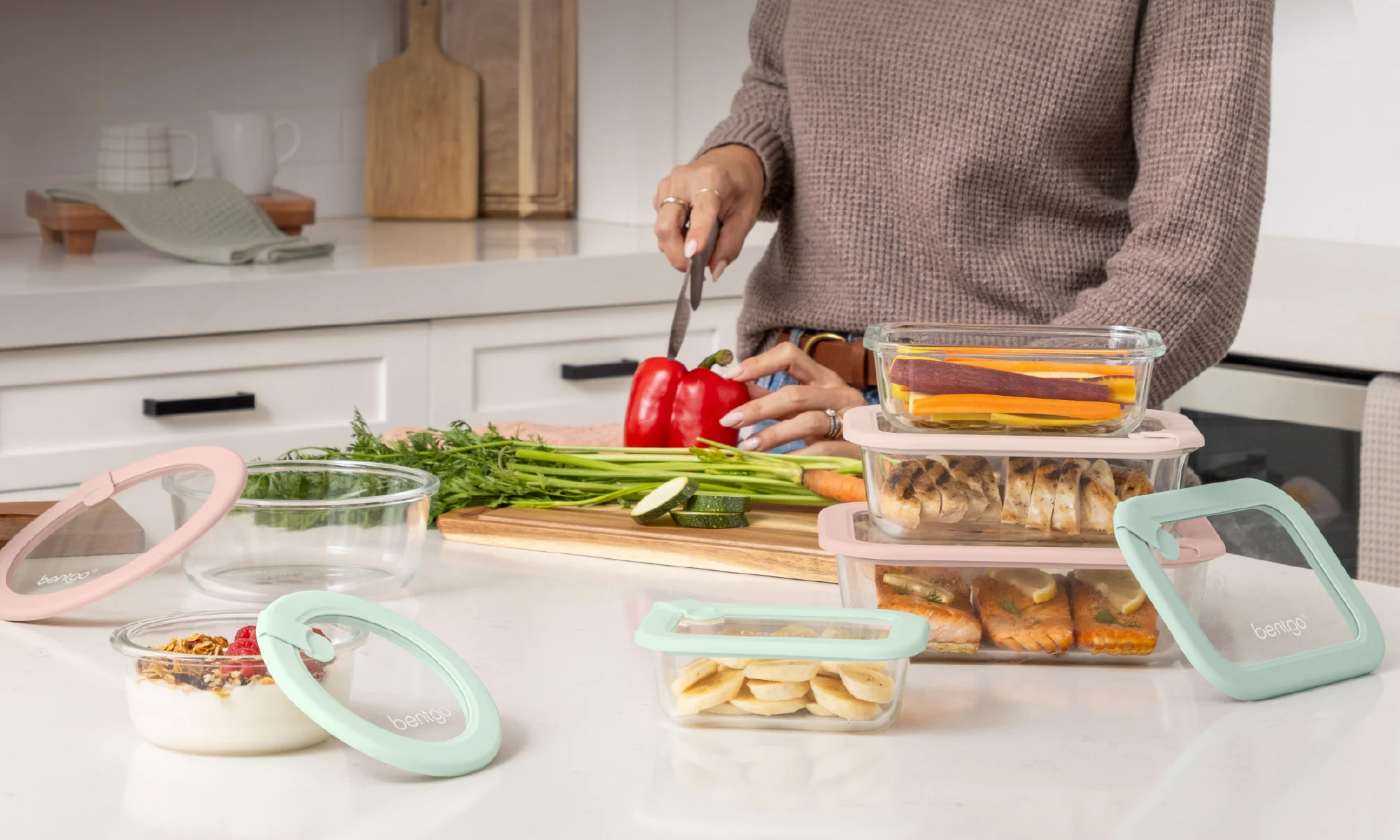

Leftovers are one of modern life’s quiet superpowers. They save time, reduce food waste, stretch budgets, and—on a good day—taste even better the second time around. Yet leftovers also inspire anxiety: Is this still safe? Why does it smell different? Why is the rice dry? The difference between leftovers that feel like a gift and leftovers that feel like a gamble almost always comes down to how they’re stored.
This article is a deep, practical, and surprisingly fascinating guide to storing leftovers the right way. We’ll move beyond generic advice and get into the why behind freshness: temperature, moisture, oxygen, microbes, packaging materials, and even food chemistry. You’ll learn how to store leftovers so they stay flavorful, safe, and appealing—whether you’re saving soup for tomorrow, rice for next week, or a whole roast for later reincarnation.
No scare tactics. No vague rules. Just smart, evidence-based habits explained in a clear, engaging way.
1. What “Fresh” Really Means for Leftovers
Before we talk about containers and refrigerators, we need to define freshness. Freshness isn’t one thing—it’s a combination of several qualities that degrade at different speeds.
Freshness has four pillars:
- Safety – Is the food free from harmful bacteria and toxins?
- Flavor – Does it still taste like it should?
- Texture – Is it moist, crisp, tender, or creamy as intended?
- Aroma and appearance – Does it smell and look appealing?
Good leftover storage aims to preserve all four. Poor storage might keep food technically “safe” but unappetizing, or tasty but risky. The best methods balance all of them.
2. Why Leftovers Go Bad: The Real Enemies
Leftovers don’t spoil out of spite. They deteriorate because of very specific, predictable forces.
2.1 Microorganisms: The Invisible Workforce
Bacteria, yeasts, and molds exist everywhere. Some are helpful; others cause spoilage or illness. After food is cooked, it becomes especially vulnerable because:
- Competing microbes may have been killed by heat
- Moisture and nutrients are readily available
- Cooling creates a temperature window where microbes thrive
The faster food moves through the “danger zone” (roughly warm temperatures), the safer it stays.
2.2 Oxygen: Flavor’s Slow Assassin
Oxygen causes oxidation, which leads to:
- Rancid fats
- Faded colors
- Stale flavors
This is why leftover meats darken, avocados brown, and oils develop off-flavors.
2.3 Moisture Migration
Moisture doesn’t stay put. In leftovers, it moves from wetter areas to drier ones, causing:
- Soggy breading
- Dry rice or pasta
- Weeping vegetables
Controlling moisture is key to preserving texture.
2.4 Temperature Fluctuations
Every time leftovers warm up and cool down, quality drops. Repeated cycles accelerate microbial growth and texture breakdown.
3. The Golden Rules of Leftover Storage
Before diving into food-specific techniques, there are a few universal rules that apply almost everywhere.
Rule 1: Cool Food Quickly, But Not Recklessly
Hot food should not sit out for hours, but it also shouldn’t be sealed tightly while steaming hot.
Best practice:
- Divide large portions into smaller containers
- Allow steam to escape briefly
- Refrigerate once food is warm, not piping hot
This balances food safety with texture and moisture control.
Rule 2: Air Is the Enemy—But Trapped Steam Is Worse
Airtight storage prevents oxidation and contamination, but sealing hot food traps steam, which causes condensation and sogginess. Timing matters.
Rule 3: Label Everything
Memory is unreliable. Labels prevent waste and risk.
Include:
- Food name
- Date stored
This simple habit dramatically improves leftover safety.
Rule 4: Store Like With Like
Different foods age differently. Storing everything the same way is convenient—but often wrong.

4. Containers Matter More Than You Think
Your container choice can make the difference between “still delicious” and “why did I save this?”
4.1 Glass Containers: The Gold Standard
Pros:
- Non-reactive
- Doesn’t absorb odors
- Easy to clean
- Microwave- and oven-safe (often)
Cons:
- Heavier
- Can break
Glass is ideal for most leftovers, especially saucy or aromatic foods.
4.2 Plastic Containers: Convenient but Limited
Pros:
- Lightweight
- Inexpensive
- Stackable
Cons:
- Absorbs smells and stains
- May warp with heat
- Less airtight over time
If using plastic, reserve it for short-term storage and cooler foods.
4.3 Metal Containers: Use with Caution
Metal is durable and airtight, but:
- It can react with acidic foods
- It’s not microwave-safe
Best for dry leftovers or transport rather than reheating.
4.4 Wraps and Foils: Temporary Tools
Aluminum foil and plastic wrap are fine for short-term use but rarely ideal long-term. They allow more air exchange and are prone to leaks.
5. The Refrigerator: Zones, Strategy, and Placement
Not all parts of your refrigerator are created equal.
5.1 Understanding Fridge Zones
- Back of the fridge: Coldest and most stable
- Middle shelves: Ideal for leftovers
- Door: Warmest; avoid for leftovers
Place leftovers where temperature stays consistent.
5.2 Don’t Overcrowd
A packed fridge restricts airflow, leading to uneven cooling. Leftovers cool faster and stay safer when cold air can circulate.
5.3 Clear Containers Win
Being able to see leftovers reduces the chance they’ll be forgotten and wasted.
6. Storing Specific Types of Leftovers the Right Way
General rules are helpful, but real mastery comes from tailoring storage to the food.
6.1 Cooked Meat and Poultry
Challenges: Drying out, oxidation, off-odors
Best practices:
- Slice only what you need; keep large pieces intact
- Store with a little cooking juice or broth
- Use airtight containers
Pro tip: Wrap meat tightly, then place it in a container to reduce air exposure.
6.2 Fish and Seafood
Challenges: Strong odors, rapid spoilage
Best practices:
- Store immediately after cooling
- Use glass containers
- Place in the coldest part of the fridge
Extra step: Double-container fish to prevent odor transfer.
6.3 Soups, Stews, and Sauces
Challenges: Separation, oxidation
Best practices:
- Cool quickly in shallow containers
- Stir before reheating to recombine ingredients
- Leave a little headspace if freezing
These foods store exceptionally well when handled properly.
6.4 Rice and Grains
Challenges: Drying out, clumping, safety concerns
Best practices:
- Cool quickly
- Store airtight
- Reheat with added moisture
Rice benefits from prompt refrigeration and gentle reheating.
6.5 Pasta Dishes
Challenges: Absorbing sauce, mushy texture
Best practices:
- Store pasta and sauce separately when possible
- Add extra sauce before reheating
Oil lightly coats plain pasta to prevent sticking.
6.6 Vegetables
Challenges: Sogginess, bitterness, odor absorption
Best practices:
- Store roasted vegetables uncovered briefly, then sealed
- Line containers with a paper towel to absorb moisture
6.7 Fried Foods
Challenges: Loss of crispness
Best practices:
- Avoid airtight sealing while hot
- Reheat using dry heat methods
- Accept that perfection won’t return—but good texture can
6.8 Baked Goods
Challenges: Staling, drying, sogginess
Best practices:
- Store bread at room temperature short-term
- Freeze for long-term freshness
- Separate moist and dry items
7. Freezing Leftovers Like a Pro
Freezing is not just “cold storage.” It’s a technique that requires intention.
7.1 Freeze at Peak Quality
Freeze leftovers while they’re still delicious, not when they’re already declining.
7.2 Portion Smartly
Smaller portions freeze faster, thaw more evenly, and reduce waste.
7.3 Prevent Freezer Burn
Freezer burn is dehydration plus oxidation.
Solutions:
- Airtight packaging
- Minimal air space
- Double-wrapping when necessary
7.4 Label Everything Clearly
Include:
- Food name
- Date
- Portion size
Your future self will thank you.
8. Reheating: The Final Step That Matters
Storage doesn’t end when food leaves the fridge.
8.1 Reheat Only What You’ll Eat
Repeated reheating degrades quality and increases risk.
8.2 Match Heat to Food
- Moist foods: gentle, covered reheating
- Dry foods: open, dry heat
8.3 Add Back Moisture
A splash of water, broth, or sauce can revive leftovers dramatically.
9. Common Leftover Myths—Debunked
Myth: If it smells fine, it’s safe
Reality: Some harmful bacteria don’t smell
Myth: Everything lasts a week
Reality: Shelf life varies dramatically by food
Myth: Freezing kills all bacteria
Reality: Freezing pauses growth; it doesn’t sterilize
10. Building a Leftover-Friendly Kitchen Habit
Storing leftovers well isn’t about perfection—it’s about systems.
10.1 Cook with Leftovers in Mind
- Choose dishes that store well
- Avoid overdressing or overcooking
10.2 Keep Containers Organized
- Match lids to containers
- Store by size
- Make them easy to grab
10.3 Make Leftovers Visible
Out of sight is out of mind—and eventually, out of date.
11. Freshness Is a Skill, Not a Guess
The best way to store leftovers isn’t one single trick. It’s a combination of:
- Understanding how food degrades
- Choosing the right containers
- Managing temperature and air
- Respecting the unique needs of different foods
Once you understand these principles, leftovers stop being mysterious. They become predictable, reliable, and often delicious.
Storing leftovers well is a small daily habit with a surprisingly big impact—on your health, your budget, your time, and the planet. And when done right, it turns yesterday’s meal into tomorrow’s gift.