





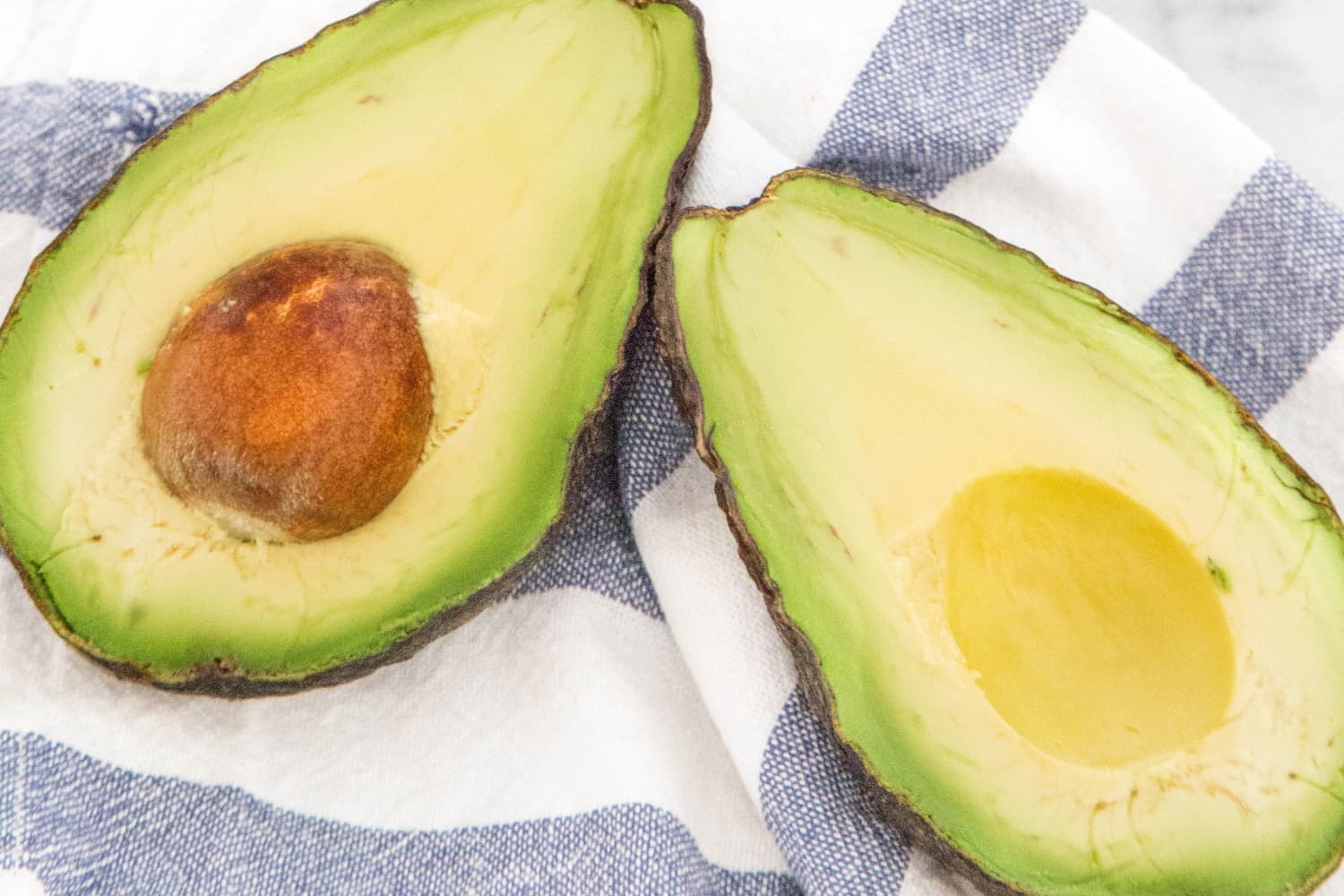

Avocados are one of those foods that feel simple—until they’re not. From guacamole disasters to toast-toppling frustration, the moment you realize your avocado is either rock-hard or sadly overripe can ruin an otherwise perfect plan. The real challenge is that avocados don’t come with a “ready” indicator, and once you cut into one, there’s no going back. So how can you tell if your avocado is ripe without cutting it?
This article is a deep, practical, and enjoyable guide to mastering that skill. We’ll explore the science of ripeness, the sensory clues your hands and eyes can pick up, common myths worth forgetting, and professional-level techniques used by growers, chefs, and produce experts. By the end, you’ll be able to assess an avocado with confidence—no knife required.
Why Avocado Ripeness Is So Tricky
Unlike many fruits, avocados don’t ripen on the tree. They mature there, but ripening only begins after harvest. This single fact explains much of the confusion surrounding avocados.
Once picked, avocados undergo a complex biochemical process:
- Starches convert into sugars
- Cell walls break down, softening the flesh
- Oils develop, creating the creamy texture we love
All of this happens internally. The skin doesn’t always give obvious clues, and different avocado varieties behave differently. A ripe apple looks ripe. A ripe banana announces itself loudly. A ripe avocado? It whispers.
Understanding this hidden transformation is the first step toward reading the subtle signals from the outside.
The Gentle Squeeze Test (Done the Right Way)
The squeeze test is the most famous method—and also the most abused.
How to Do It Correctly
Hold the avocado in the palm of your hand and apply gentle, even pressure using your whole hand, not your fingertips. Fingertips create bruises and false impressions.
What You’re Feeling For
- Too hard: No give at all. This avocado is underripe.
- Slight give: Yields gently but springs back. This is the sweet spot.
- Too soft or mushy: Overripe, possibly with brown flesh inside.
A ripe avocado should feel similar to a ripe peach or a firm pillow—responsive but not collapsing.
Why This Works
As avocados ripen, enzymes break down pectin in the cell walls. This causes the flesh to soften evenly. Your hand can detect this structural change surprisingly well when used properly.
Skin Color: Helpful, But Only If You Know the Variety
Color is one of the most misunderstood indicators of avocado ripeness.
Hass Avocados
The most common variety. As they ripen, their skin changes from bright green to dark green and eventually nearly black. For Hass avocados, darker usually means riper—but not always perfect.
Green-Skin Varieties
Varieties like Fuerte, Bacon, and Zutano remain green even when ripe. For these, color tells you almost nothing about ripeness.
What to Look For Instead
- Even coloration without large blotches
- A slight dullness rather than glossy shine
- No deep cracks or shriveled areas
Color should support other signs, not stand alone.
The Stem Cap Test: A Small Detail with Big Clues
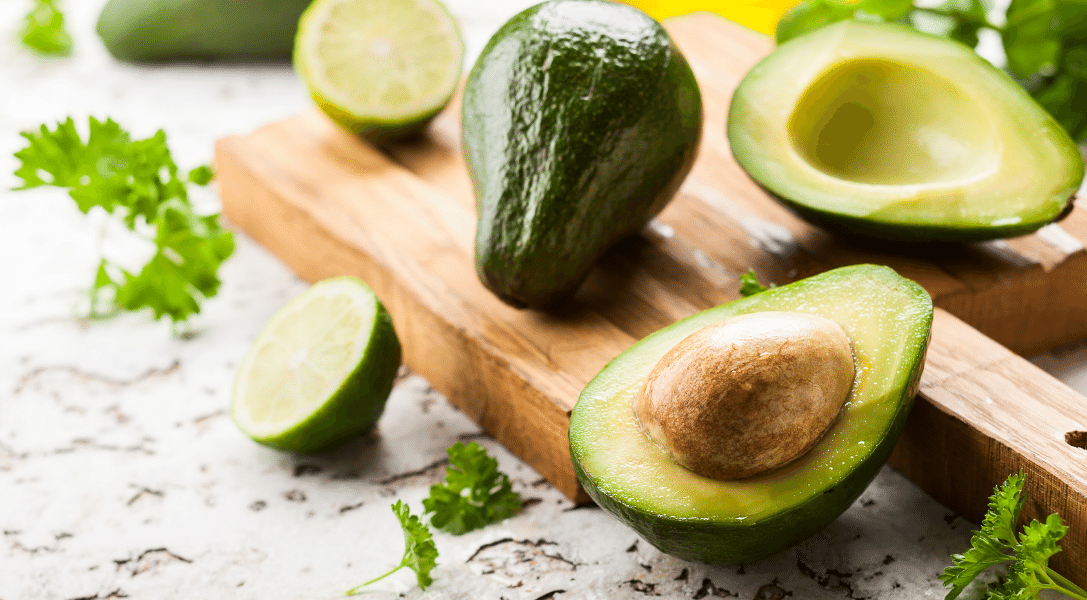
At the top of every avocado is a small nub where it was attached to the tree. This little stem cap can reveal a lot.
How to Check It
Gently flick or twist off the stem cap using your fingernail.
What You’ll See
- Green underneath: Ripe and ready.
- Yellow-green: Almost ripe, good to use soon.
- Brown: Overripe, likely with brown spots inside.
- Cap won’t come off easily: Underripe.
Why It Works
The flesh beneath the stem is one of the last areas to oxidize. Its color reflects the overall condition inside the fruit.
This is one of the most reliable non-cutting tests available.
Weight: The Subtle Heaviness Test
Pick up two avocados of similar size. The heavier one is usually riper.
What’s Happening Inside
As avocados ripen, moisture content remains high while air spaces decrease due to cell breakdown. This makes ripe avocados feel denser.
This test works best when comparing avocados side by side rather than judging one in isolation.
Surface Texture and Skin Tension
Run your fingers over the avocado’s skin.
Signs of Ripeness
- Slightly bumpy but resilient texture
- Skin feels firm yet pliable
- No wrinkling or collapse
Warning Signs
- Wrinkled skin: Overripe or dehydrated
- Deep soft spots: Bruising or internal breakdown
- Leaking moisture: Past its prime
The skin is essentially a flexible shell. As the flesh softens, the skin’s tension changes in noticeable ways.
Sound and Silence: The Shake Test (With Caution)
Some people gently shake avocados near their ear.
What They’re Listening For
A loose pit can sometimes rattle in an overripe avocado as the flesh breaks down.
The Reality
- No sound doesn’t mean underripe.
- A rattling sound often means overripe.
This is a niche test—useful only as a red flag, not a green light.
Smell: Only When It’s Obvious
A ripe avocado has almost no smell through the skin.

When Smell Matters
If you detect a sour, fermented, or musty odor without cutting it open, the avocado is likely spoiled.
Smell is more of a spoilage detector than a ripeness indicator.
Temperature: A Professional-Level Insight
Ripe avocados often feel slightly warmer than underripe ones when kept at room temperature.
Why?
The ripening process involves respiration, which produces heat. The difference is subtle, but experienced handlers can feel it.
This is not a beginner test, but it’s fascinating—and real.
Time Since Purchase: The Invisible Clock
If you bought avocados that were firm, their ripening timeline matters.
At room temperature:
- Day 1–2: Very firm
- Day 3–4: Slight give
- Day 5–6: Ripe
- Day 7+: Risk of overripeness
Refrigeration slows this process dramatically.
Knowing where your avocado is on this timeline helps interpret every other sign more accurately.
Common Myths to Forget Immediately
Myth 1: Bigger Means Riper
Size depends on variety and growing conditions, not ripeness.
Myth 2: Dark Spots Always Mean Bad
Minor surface blemishes don’t necessarily reflect the flesh inside.
Myth 3: Perfect Avocados Are Easy to Spot
Even professionals sometimes guess wrong. The goal is probability, not perfection.
Combining Clues: The Real Secret
No single test is foolproof. The real skill is combining multiple indicators:
- Gentle give when squeezed
- Appropriate color for the variety
- Green under the stem cap
- Heavier than it looks
- Smooth, intact skin
When three or more signs agree, your confidence should be high.
Think of it like detective work. Each clue matters, but the pattern matters more.
Why Learning This Skill Is Worth It
Avocados aren’t just expensive—they’re emotionally expensive. Every ruined avocado feels personal.
Learning to judge ripeness:
- Reduces food waste
- Saves money
- Improves cooking results
- Makes you faster and more confident in the kitchen
It’s a small skill with daily rewards.
A Final Thought on Avocado Mastery
Avocado ripeness is not magic. It’s biology, physics, and a bit of practice. The more avocados you handle, the better your intuition becomes. Eventually, you’ll pick one up and just know.
And when you slice into a perfectly ripe avocado—creamy, vibrant, and flawless—you’ll realize that all this attention was worth it.