





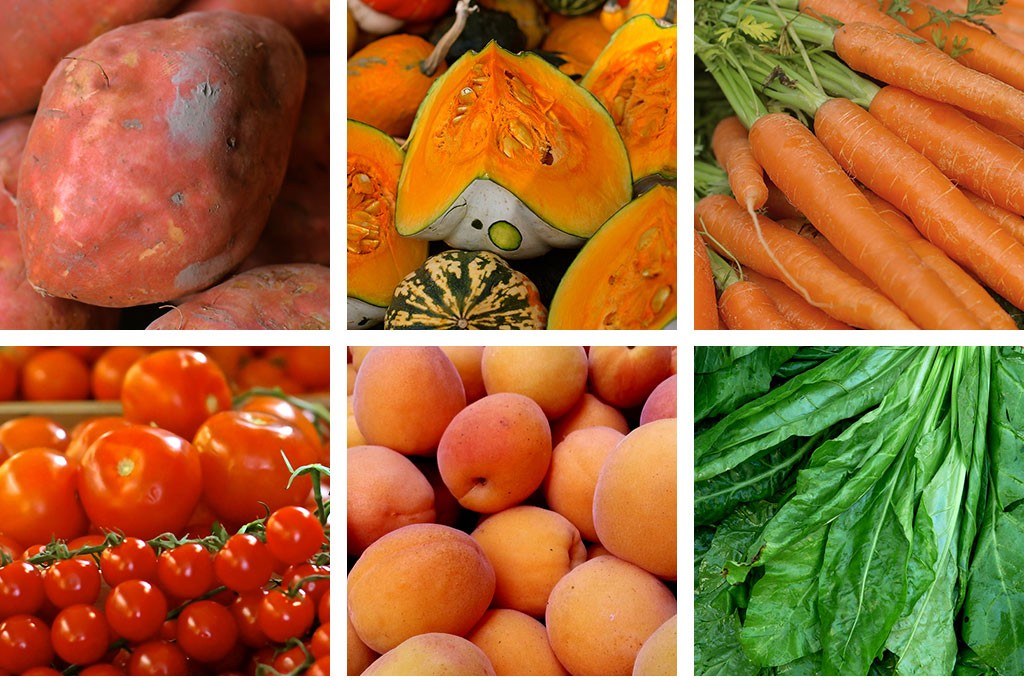

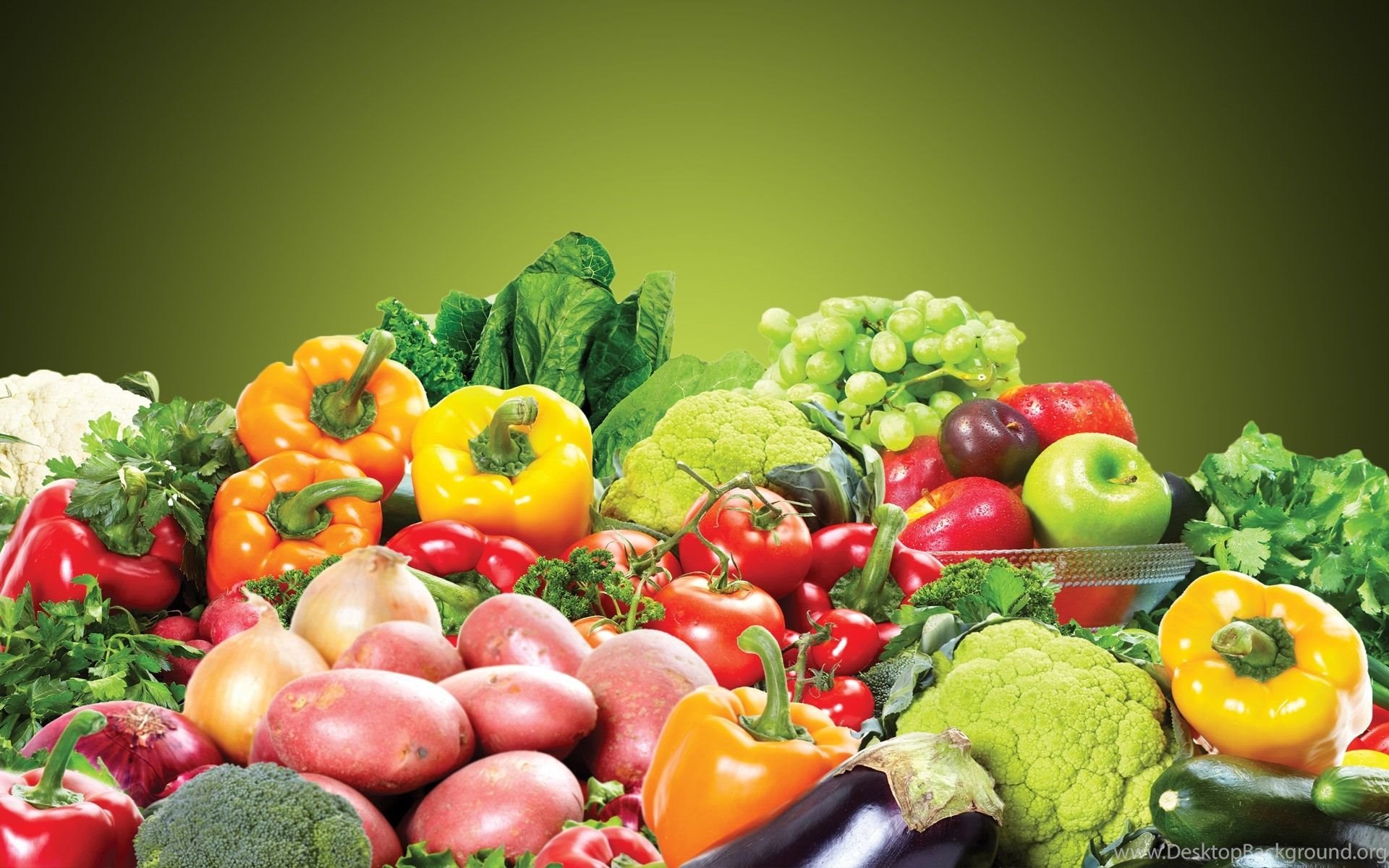
The color of food often influences our first impression of its flavor and appeal, but it does far more than just look pretty on a plate. The color of an ingredient plays a significant role in determining its nutritional content, health benefits, and the specific compounds that it contains. From vibrant greens to rich reds and purples, the pigments found in different foods reveal much about their potential benefits for our health. This article explores how the color of an ingredient correlates with its nutritional value, focusing on how different colors signal the presence of specific nutrients and antioxidants that can have profound effects on our well-being.
The Role of Pigments in Food
Food colors are primarily a result of various pigments present in the ingredient. These pigments are organic compounds that absorb and reflect light at specific wavelengths, giving foods their distinct hues. While the primary purpose of these pigments in nature is to attract pollinators, protect plants from harmful sunlight, or prevent damage from environmental stress, they also offer numerous health benefits when consumed.
These pigments, categorized into different groups based on their chemical structure, include chlorophyll (green), carotenoids (yellow, orange, red), flavonoids (blue, purple), and anthocyanins (red, purple, blue). Each of these pigments is associated with specific types of nutrients that contribute to a healthy diet. Let’s break down how the color of your food can indicate what kind of nutrition it contains.
Green Foods: The Power of Chlorophyll
Green vegetables like spinach, kale, broccoli, and peas owe their vibrant color to chlorophyll, a pigment involved in photosynthesis that allows plants to absorb energy from sunlight. But chlorophyll isn’t just essential for plants—it also has several health benefits for humans.
Green vegetables are rich in vitamins, particularly vitamin K, vitamin C, and folate. They also contain important minerals like calcium, magnesium, and iron. Chlorophyll has been shown to have antioxidant properties, helping to reduce oxidative stress in the body. The green foods are also packed with fiber, which promotes healthy digestion and supports a healthy gut microbiome.
Additionally, many green vegetables contain lutein and zeaxanthin, two carotenoids that are crucial for eye health. These antioxidants help filter harmful blue light and protect the retina from damage, reducing the risk of age-related macular degeneration and cataracts.
Red, Orange, and Yellow Foods: Carotenoids and Their Benefits
Carotenoids are a class of pigments responsible for the red, orange, and yellow colors of many fruits and vegetables, such as carrots, tomatoes, bell peppers, sweet potatoes, and corn. These pigments play a critical role in protecting plants from harmful UV rays and oxidative stress, and they also provide important health benefits to humans when consumed.
The most well-known carotenoids are beta-carotene, lycopene, and lutein. Beta-carotene is a precursor to vitamin A, an essential nutrient that supports eye health, boosts the immune system, and helps maintain healthy skin. Lycopene, found in tomatoes and red peppers, has been linked to a reduced risk of certain cancers, particularly prostate cancer, due to its powerful antioxidant properties. Lutein, while also present in green leafy vegetables, is found in high concentrations in yellow and orange foods like corn and egg yolks, and contributes to eye health by protecting against age-related macular degeneration.
In addition to antioxidants, many of these colorful fruits and vegetables are rich in vitamin C, a potent nutrient that supports the immune system, helps the body absorb iron, and contributes to the production of collagen, which is essential for skin and tissue health.
Blue, Purple, and Black Foods: The Anthocyanin Advantage
Blue and purple foods, such as blueberries, blackberries, eggplant, and purple cabbage, contain anthocyanins, a type of flavonoid pigment that provides their deep hues. Anthocyanins are potent antioxidants known for their anti-inflammatory and anti-cancer properties.
Studies suggest that anthocyanins can improve heart health by reducing inflammation, lowering blood pressure, and preventing the buildup of harmful cholesterol. These pigments have also been shown to enhance cognitive function, protecting the brain from age-related decline. Moreover, anthocyanins are thought to have a protective effect on the liver and kidneys by promoting detoxification processes and supporting the body’s ability to filter out toxins.
Another major benefit of anthocyanins is their ability to improve blood sugar regulation, making blue and purple foods particularly beneficial for people with diabetes or those at risk for the disease. They also have anti-inflammatory properties that help combat chronic diseases, including arthritis and cardiovascular conditions.
White and Beige Foods: Underrated but Nutritious
While white and beige foods like cauliflower, garlic, onions, potatoes, and mushrooms may not be as colorful or eye-catching, they still pack a nutritional punch. These foods contain beneficial compounds such as allicin, sulforaphane, and beta-glucans, which contribute to immune support and the prevention of chronic diseases.
Garlic, for example, is well-known for its ability to boost the immune system, reduce cholesterol levels, and promote heart health. It also has natural antibacterial and antiviral properties that can help combat infections. Similarly, onions contain quercetin, an antioxidant that helps reduce inflammation and improve heart health.
Potatoes, particularly sweet potatoes, are rich in potassium, a vital mineral for regulating blood pressure and supporting nerve and muscle function. While white potatoes are often criticized for their carbohydrate content, they also provide a good source of fiber, vitamins, and minerals when consumed in moderation.
The Hidden Nutritional Value of Multi-Colored Foods
Interestingly, many foods that are multicolored, such as bell peppers, grapes, and carrots, contain a variety of pigments, offering a broader spectrum of nutrients and antioxidants. For example, a bell pepper’s red, yellow, and orange varieties provide different levels of vitamin C, beta-carotene, and other antioxidants, each contributing to a unique set of health benefits.
Similarly, grapes that are green, red, and black offer different concentrations of flavonoids, phenols, and resveratrol, a compound with anti-aging properties that supports heart health. Consuming a variety of colors in your diet can help ensure that you’re getting a wide range of nutrients that work synergistically to promote overall health.
Why Eating a Rainbow Matters
The concept of eating a “rainbow” of fruits and vegetables is more than just a catchy phrase—it’s a practical approach to ensuring a balanced intake of essential nutrients. Each color in food reflects a unique set of nutrients, antioxidants, and phytochemicals that work together to enhance different aspects of health. By incorporating a variety of colorful foods into your meals, you can maximize the range of vitamins, minerals, and antioxidants that your body needs to thrive.
For instance, while red foods might boost heart health, green foods may promote bone health, and purple foods might support brain function. Each color group offers distinct advantages, and by eating a balanced array of colorful foods, you can give your body the nutrients it needs to maintain optimal health.
How to Incorporate More Color into Your Diet
One of the easiest ways to add more color to your diet is by diversifying your fruit and vegetable intake. Consider adding different colored vegetables to your salads, making smoothies with a mix of berries, or preparing stir-fries and soups with a variety of colorful vegetables. You can also experiment with adding colorful fruits like mango, kiwi, or pomegranate to your breakfast or as snacks throughout the day.
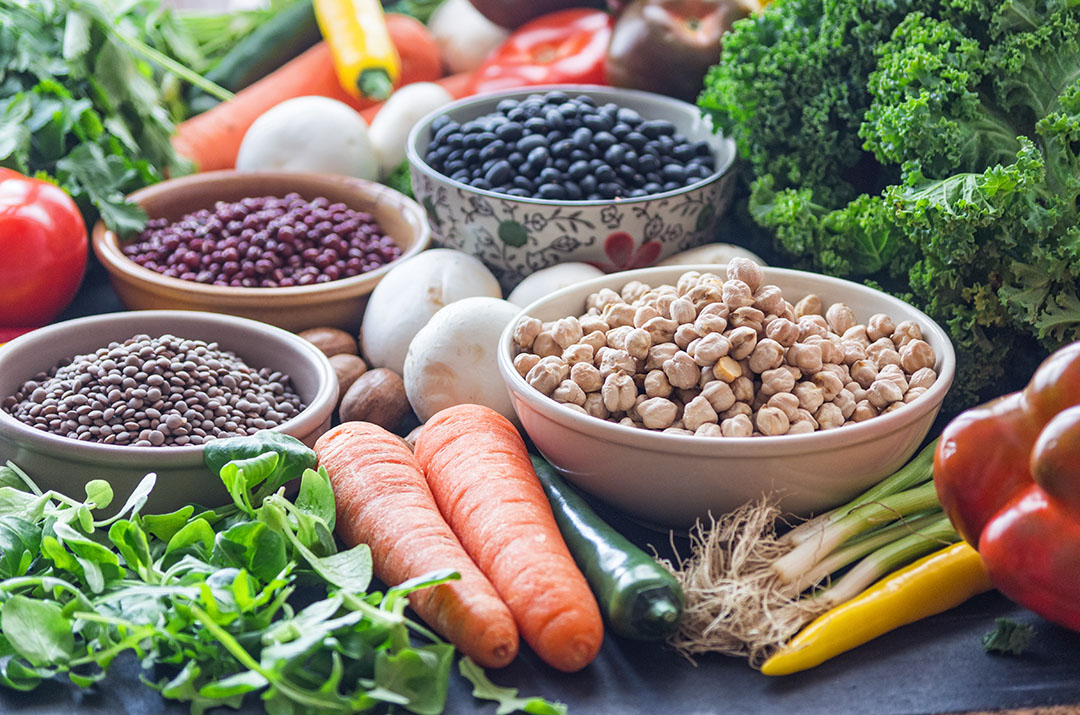
When planning meals, aim to include at least three different colors of fruits and vegetables per meal to ensure you’re getting a variety of essential nutrients. You can also focus on consuming a range of plant-based proteins, such as legumes and nuts, that offer additional vitamins and minerals.
Conclusion
The color of an ingredient does more than just enhance its appearance—it’s a key indicator of its nutritional profile. By understanding how different colors correspond to specific nutrients and antioxidants, we can make more informed choices about our diets. Whether it’s the green goodness of leafy vegetables, the orange and red power of carotenoids, or the blue and purple benefits of anthocyanins, each color offers a unique set of health advantages that can improve everything from heart health to brain function.
As you plan your meals, remember to embrace the full spectrum of colors that nature has to offer. Eating a variety of colorful foods not only keeps your meals interesting but also ensures that you’re fueling your body with the nutrients it needs to stay healthy, vibrant, and energized.