





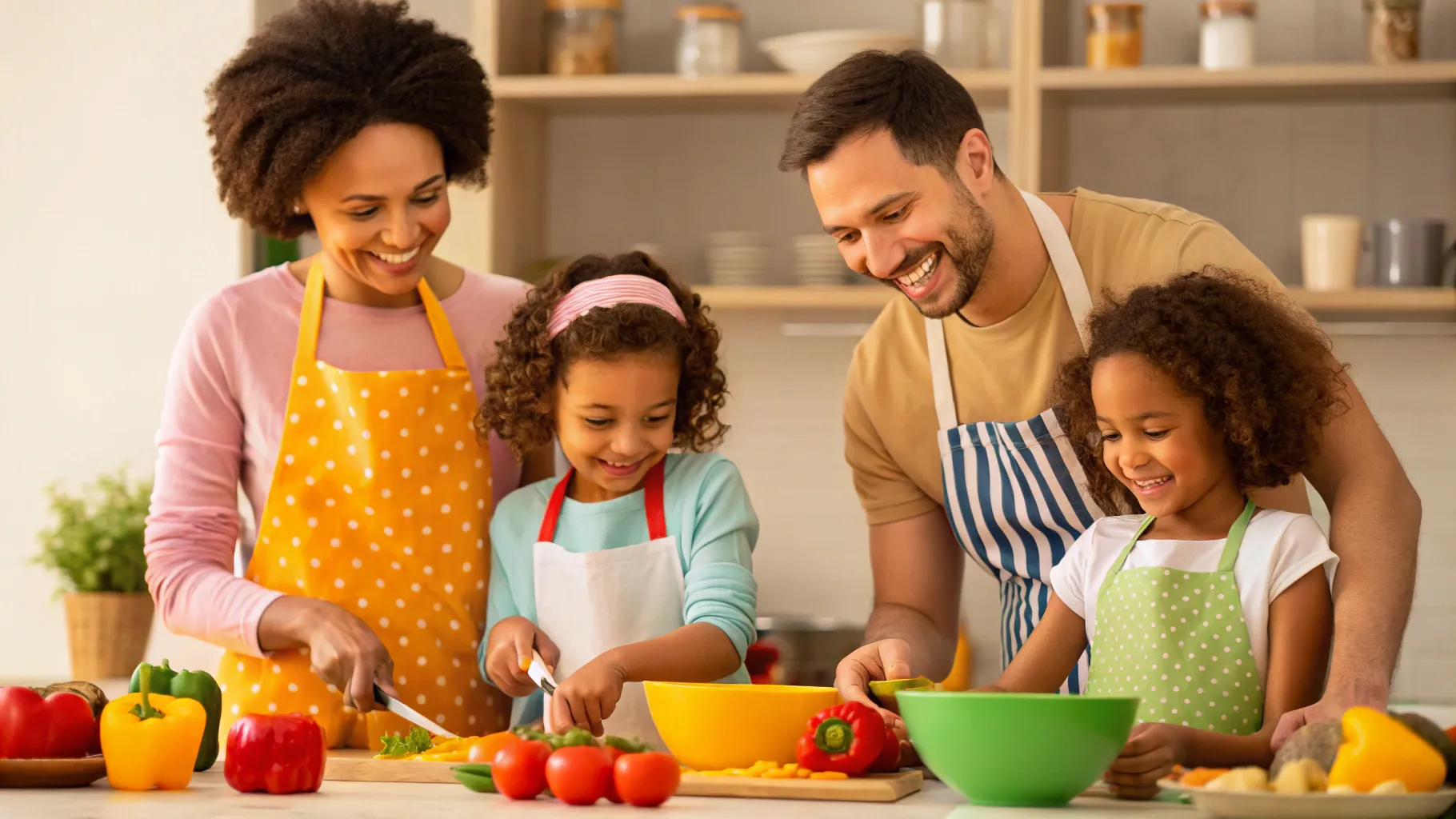

Food is one of the few human experiences that is both intensely personal and profoundly communal. We eat alone, yet we gather to eat; we inherit recipes, yet we reinvent them; we nourish our bodies, yet we also feed memory, identity, and belonging. Across cultures and centuries, food has acted as a quiet but powerful bridge between generations, linking grandparents and grandchildren, ancestors and descendants, tradition and innovation. While languages evolve, technologies shift, and values change, the act of sharing food continues to offer a common ground where age gaps soften and stories flow.
This article explores how food brings generations together from multiple perspectives—biological, cultural, psychological, and social. It examines the kitchen as a classroom, the dining table as a stage for storytelling, and recipes as living documents. By looking closely at everyday practices as well as global traditions, we can understand why food remains one of the most enduring connectors between generations, and why its power feels both timeless and surprisingly modern.
Food as a Universal Language Across Age
Language can divide generations. Slang changes, accents shift, and meanings evolve. Technology widens these gaps even further, with each generation fluent in a different digital dialect. Food, however, operates as a universal sensory language. Taste, smell, texture, and warmth communicate directly with the body, bypassing many of the barriers that words create.
A child may not fully understand a grandparent’s stories about the past, but the aroma of a familiar soup or the sweetness of a traditional dessert delivers a message instantly: this is home. Sensory memory is among the strongest forms of memory humans possess. When generations share food, they share sensory experiences that embed themselves deeply and persist long after conversations fade.
Food also provides predictability and comfort across time. While many aspects of life change, certain dishes remain remarkably stable. The same holiday bread, festival dumpling, or Sunday roast can appear year after year. For older generations, this continuity offers reassurance; for younger ones, it provides a tangible connection to something larger than themselves.
The Kitchen as a Classroom
One of the most powerful ways food connects generations is through hands-on learning. Kitchens are informal classrooms where knowledge is passed down not through lectures, but through demonstration, repetition, and shared effort.
Learning Beyond Recipes
When an elder teaches a younger person how to cook, they are rarely teaching just measurements and techniques. They are teaching:
- Patience: waiting for dough to rise or sauce to simmer
- Observation: recognizing readiness by smell or sound, not just time
- Adaptability: adjusting ingredients based on availability
- Care: cooking as an act of service and love
These lessons are subtle but profound. They reflect values shaped by experience—often by scarcity, migration, or historical change—and translate them into practical skills.
Unlike written instructions, oral cooking traditions encourage dialogue. A child asks why something is done a certain way; an elder explains, remembers, or sometimes admits they no longer know but have always done it that way. In these moments, cooking becomes a shared exploration rather than a rigid transfer of knowledge.
Skill-Sharing as Mutual Respect
Importantly, generational learning in the kitchen is not one-directional. Younger generations often introduce new tools, dietary knowledge, or global influences. When elders accept these contributions, cooking becomes a reciprocal exchange, reinforcing mutual respect rather than hierarchy.
This balance is crucial. Food brings generations together not because one generation dominates the narrative, but because each finds space to contribute.
Recipes as Living Archives
Unlike historical documents locked in libraries, recipes are living archives. They evolve with each cook, adapting to new contexts while retaining a recognizable core. This makes them uniquely effective vehicles for intergenerational connection.
Memory Encoded in Flavor
A recipe often contains embedded memories: a dish created during hardship, modified during migration, or reserved for celebration. These stories are not always written down, but they are remembered through repetition.

When younger generations prepare these dishes, they reenact history in a tactile way. Chopping, kneading, and tasting become acts of remembrance. Even mistakes—too much salt, uneven baking—are part of the learning process and often become stories themselves.
Flexibility and Continuity
What makes recipes especially powerful is their flexibility. Unlike rigid traditions, recipes invite adaptation. Ingredients change due to geography, economics, or personal preference. Cooking methods evolve with technology. Yet the dish remains recognizable enough to maintain continuity.
This balance between change and stability mirrors generational relationships themselves. Food teaches that it is possible to honor the past without freezing it, to innovate without erasing origins.
The Dining Table as a Social Stage
If the kitchen is where knowledge is made, the dining table is where it is shared. Meals bring generations together by creating a structured pause in daily life—a moment where attention shifts from individual concerns to collective presence.
Rituals That Repeat
Regular meals establish rituals: who sits where, who serves whom, who speaks first. These patterns may seem small, but they create a sense of order and belonging. For children, such rituals provide security. For elders, they affirm relevance and continuity.
Special occasions amplify this effect. Holiday meals, birthdays, and anniversaries often revolve around food. The repetition of these events across years creates a rhythm that links generations through shared expectation and memory.
Storytelling Through Eating
Meals encourage storytelling. Elders recall past events; younger people share new experiences. Food often acts as a trigger for these stories: “This dish reminds me of…”
These narratives do more than entertain. They provide younger generations with context—family history, cultural background, and moral frameworks. Listening over a shared meal feels less formal and more intimate, allowing stories to flow naturally.
Emotional Bonding and Care
Food is deeply associated with care. To cook for someone is to anticipate their needs, preferences, and comfort. This association is learned early in life and persists across generations.
Feeding as Nurture
For older generations, cooking for younger family members is often an expression of love and protection. For younger generations, accepting this food reinforces feelings of being valued and supported.
As roles reverse over time, younger adults may begin cooking for aging parents or grandparents. This shift can be emotionally complex, but food provides a gentle medium through which care can be expressed without excessive words.
Shared Vulnerability
Eating together also involves vulnerability. Preferences are revealed, appetites change, and health considerations arise. Navigating these changes requires empathy and adaptation, reinforcing emotional bonds.
Food thus becomes a way to say: I see you as you are now, and I care enough to adjust.
Cultural Identity and Continuity
Food is one of the most resilient markers of cultural identity. While clothing styles, music, and language may shift rapidly, traditional foods often endure. This endurance makes food a powerful connector across generations, especially in diasporic or multicultural contexts.
Food in Migration Stories
For families shaped by migration, food often becomes the most tangible link to ancestral homelands. Ingredients may be substituted, but techniques and flavors persist. Elders become cultural custodians, preserving culinary knowledge that might otherwise be lost.
For younger generations growing up in new environments, these foods offer a sense of rootedness. Preparing and eating them becomes an act of cultural affirmation.
Negotiating Identity Through Taste
At the same time, younger generations often blend traditional foods with local influences, creating hybrid dishes. When elders accept these adaptations, food becomes a space where identity is negotiated rather than enforced.
This negotiation strengthens generational bonds by allowing culture to remain dynamic rather than static.
Science Behind Shared Meals
The unifying power of food is not only cultural but also biological. Research in neuroscience and psychology helps explain why shared eating experiences feel so connecting.
Sensory Synchronization
Eating together synchronizes sensory experiences. People taste, smell, and chew at similar times, creating subtle physiological alignment. This synchronization can enhance feelings of closeness and trust.

Hormonal Responses
Shared meals are associated with the release of hormones linked to bonding and relaxation. While the mechanisms are complex, the outcome is clear: eating together tends to reduce stress and increase social cohesion.
These effects apply across age groups, making food an efficient and natural bonding tool.
Food in Modern Intergenerational Challenges
In contemporary societies, generational gaps are often framed as conflicts—differences in values, technology use, and worldviews. Food offers a low-conflict entry point for dialogue.
Bridging Digital and Analog Worlds
While younger generations may communicate through screens and elders may prefer face-to-face interaction, meals encourage physical presence. Even when phones are present, the act of eating slows interaction and invites conversation.
Addressing Health and Sustainability
Modern food discussions increasingly involve health, ethics, and sustainability. These topics can become contentious, but they also offer opportunities for shared learning. Elders bring experiential knowledge; younger people bring new research and perspectives.
When approached collaboratively, food becomes a platform for mutual education rather than argument.
Intergenerational Creativity Through Food
Food does not only preserve the past; it also inspires creativity. Cooking together allows generations to experiment in a low-risk, high-reward environment.
Innovation Rooted in Tradition
Some of the most interesting culinary developments occur when traditional techniques meet contemporary tastes. Elders provide foundational knowledge; younger cooks introduce new flavors, presentations, or technologies.
This collaboration reinforces the idea that tradition is not a limitation but a resource.
Playfulness and Joy
Cooking and eating together also invite play. Decorating dishes, inventing names, or improvising ingredients adds joy to the process. This playfulness is particularly effective in bridging age differences, as it shifts focus from authority to shared enjoyment.
Food as a Time Machine
Perhaps the most poetic way food connects generations is through its ability to collapse time. A single bite can transport someone decades into the past, while simultaneously creating a new memory for the future.
When a grandparent tastes a dish they cooked in their youth, and a child tastes it for the first time, both are participating in a shared moment that spans generations. Food becomes a medium through which time is layered rather than linear.
This temporal richness is rare in modern life, where experiences are often fleeting and fragmented. Food, by contrast, accumulates meaning with each repetition.
Everyday Meals Matter More Than Grand Feasts
While festive meals receive the most attention, it is the ordinary, everyday meals that do the most work in connecting generations. Daily breakfasts, simple lunches, and quiet dinners establish habits of togetherness.
These moments may not feel significant at the time, but they build familiarity and trust. Over years, they form the foundation upon which stronger bonds are built.
Food teaches that connection does not always require spectacle. Sometimes, it only requires showing up with something warm and shared.
The Ethics of Passing Food Traditions Forward
With the power of food comes responsibility. Deciding which traditions to preserve, adapt, or let go is an ethical process that involves listening across generations.
Respecting dietary needs, health concerns, and personal values is essential. Food brings generations together most effectively when it is inclusive rather than rigid.
This inclusivity ensures that food remains a bridge, not a barrier.
Conclusion: Why Food Continues to Unite Generations
Food brings generations together because it operates on multiple levels at once. It is practical and symbolic, biological and cultural, personal and communal. It teaches without preaching, connects without forcing, and remembers without recording.
In a rapidly changing world, food offers continuity without stagnation. It allows elders to pass on wisdom without losing relevance, and younger generations to innovate without losing roots. Around the table, differences soften, stories unfold, and relationships deepen.
Ultimately, food reminds us that while generations may experience the world differently, they all hunger—for nourishment, for belonging, and for connection. Sharing food meets these needs in the most human way possible.