






Introduction
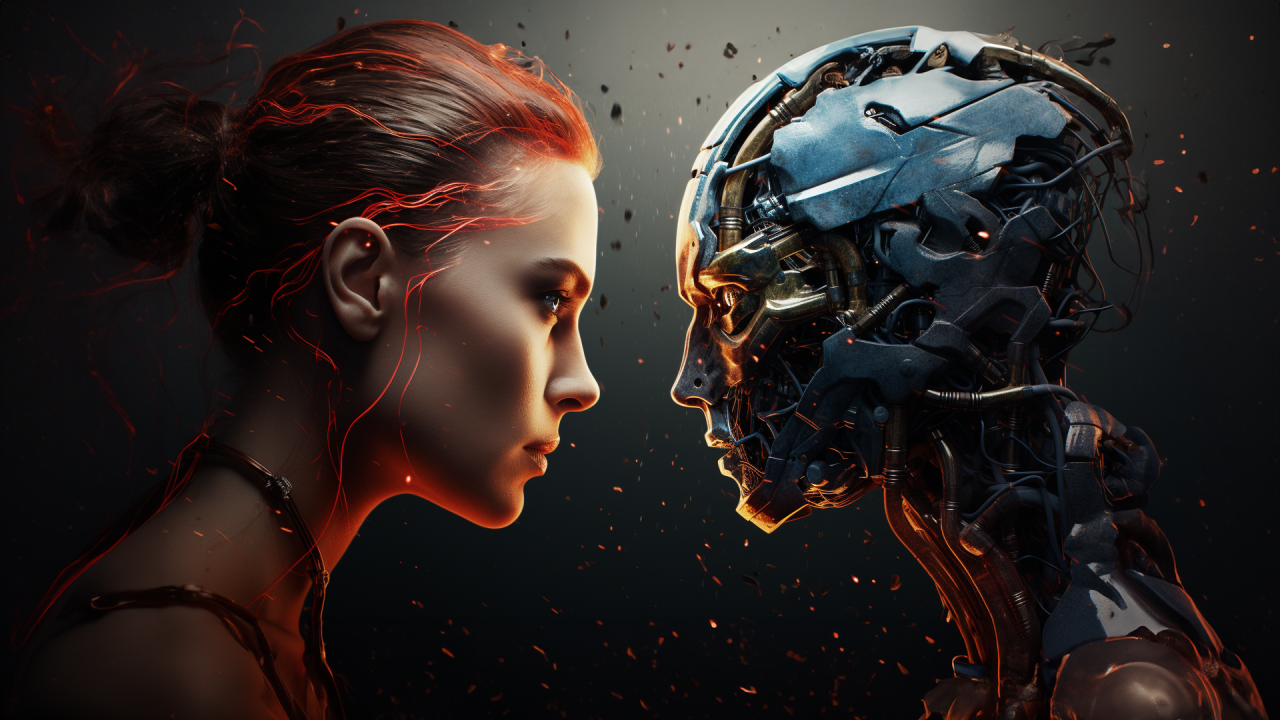
The debate about artificial intelligence (AI) and its role in creativity has never been more heated. On one side, AI tools can generate paintings, compose music, write articles, and even mimic famous artists’ styles with astonishing speed and precision. On the other side, human creators bring a depth, nuance, and unpredictability to art that machines cannot fully emulate. The central question arises: can artificial intelligence ever truly replace real creators, or is it destined to remain a sophisticated assistant?
To answer this, we must explore multiple dimensions: technological capabilities, philosophical implications, economic influences, and cultural impacts. The discussion touches on psychology, neuroscience, aesthetics, and the evolving relationship between humans and machines.
1. The Technological Marvel of AI Creativity
AI has advanced at a breakneck pace. Modern neural networks, such as large language models and generative adversarial networks (GANs), can produce outputs that are often indistinguishable from human-created content. For example:
- Text generation: AI can write essays, short stories, or even novels that are grammatically flawless, stylistically varied, and surprisingly coherent.
- Visual art: GANs can generate paintings, 3D models, and digital illustrations in the style of Van Gogh, Picasso, or entirely original aesthetics.
- Music composition: AI can compose symphonies, jazz improvisations, and pop tracks that rival human musicians in technical complexity.
However, despite these achievements, AI still fundamentally operates on pattern recognition and statistical probabilities. It “learns” from vast datasets of human-made works, synthesizing and recombining them in novel ways—but it does not possess consciousness, intention, or emotional experience.
2. The Essence of Human Creativity
To understand whether AI can replace human creators, we must define what makes human creativity unique. Human creativity involves:
- Emotional depth: Art often resonates because it communicates experiences, struggles, and emotions that are deeply personal.
- Contextual understanding: Humans create with social, cultural, and historical awareness. A painting or story may reference complex societal issues that AI can mimic superficially but not fully comprehend.
- Innovation driven by curiosity: Humans experiment, take risks, and even fail—behaviors that are difficult to program into AI without constraints.
In other words, creativity is not just about producing content—it’s about producing meaning. AI can imitate meaning, but the intentionality behind it remains human.
3. Case Studies: Where AI Excels and Falls Short

3.1 Literature and Writing
AI-generated text can produce novels, poetry, and journalism with remarkable fluency. Yet, critics argue that these works often lack:
- Subtlety in character development
- Emotional resonance
- Original philosophical insight
For instance, an AI can write a detective story with logical plot twists, but the moral dilemmas and nuanced character arcs that make the story unforgettable often elude it.
3.2 Visual Arts
In visual arts, AI can create stunning digital images and reinterpret classical paintings. Yet, art is not merely an arrangement of pixels—it’s an expression of vision. Consider how human painters convey personal struggle, political commentary, or historical narrative. AI can mimic style but struggles to convey intentional symbolism with depth.
3.3 Music
AI-composed music can be technically flawless and stylistically accurate. However, music is experienced emotionally, often connecting with memories and feelings unique to humans. While an AI-generated symphony might impress musically, it may fail to evoke the existential or spiritual resonance that human composers achieve.
4. Philosophical Implications
The question of AI replacing creators is not purely technological—it’s deeply philosophical. Can creativity exist without consciousness? Many argue that art without experience, intuition, or subjective emotion is inherently limited. AI may produce “creations,” but can it produce “art” in the philosophical sense?
Moreover, humans often value the creator as much as the creation. The story behind a painting, a novel, or a song enhances its meaning. AI lacks a personal narrative, reducing its creations to sophisticated imitations rather than authentic expressions.
5. Economic and Cultural Factors
AI is rapidly influencing the creative economy:
- Efficiency: AI can produce content faster and cheaper, challenging traditional creators in commercial sectors like marketing, design, and publishing.
- Democratization: AI tools allow anyone to generate art, breaking barriers for aspiring creators who lack formal training.
- Cultural tension: Some critics fear homogenization of culture, as AI often draws on existing patterns rather than generating truly novel ideas.
However, the human touch remains irreplaceable in cultural value. Works created by humans carry a social, ethical, and emotional context that AI cannot replicate.
6. The Symbiosis of Human and AI Creativity
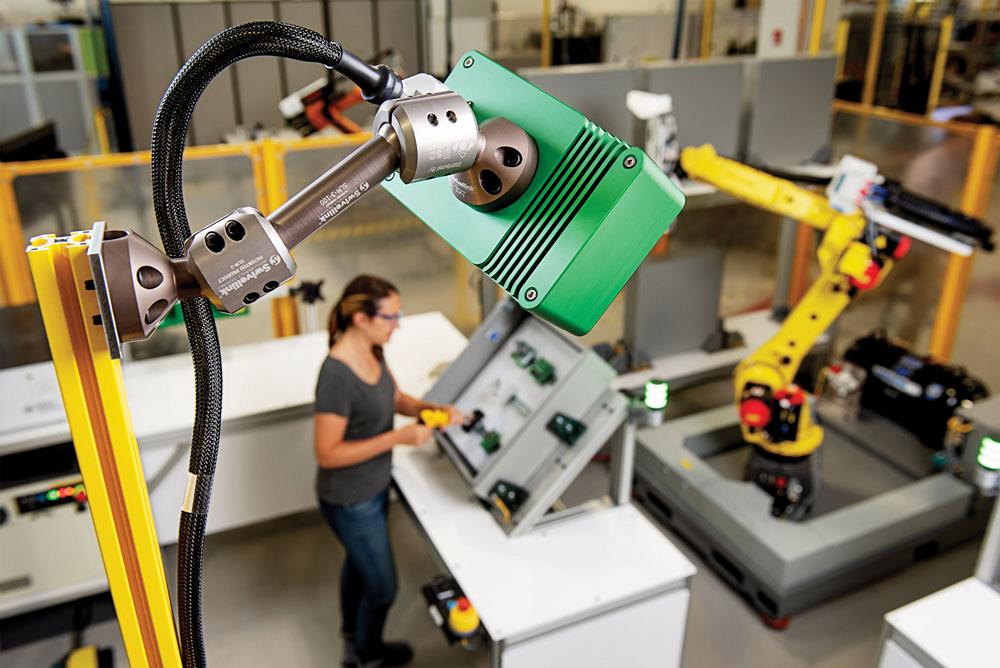
Rather than asking if AI will replace humans, a more fruitful question is: how can humans and AI collaborate? AI excels as an assistant, offering:
- Rapid prototyping of designs
- Idea generation and brainstorming
- Technical refinement of drafts
When combined with human insight, emotion, and vision, AI becomes a powerful tool to expand creativity rather than replace it. This hybrid approach may define the future of art, literature, music, and media.
7. The Limits of AI
Despite impressive capabilities, AI has intrinsic limitations:
- Lack of lived experience: AI cannot feel love, grief, or joy—emotions that often drive creation.
- Dependence on data: AI can only remix existing information; it cannot generate truly unprecedented ideas outside learned patterns.
- Ethical ambiguity: AI may inadvertently reproduce biases or cultural stereotypes embedded in its training data.
These limitations suggest that AI, while transformative, cannot fully substitute the depth and authenticity of human creators.
8. Redefining Creativity in the AI Era
Rather than fearing obsolescence, humans can redefine creativity in a world with AI:
- Co-creation: Humans guide AI to generate novel works while retaining intentionality.
- Exploration of new mediums: AI opens avenues for interactive, multimedia, and cross-disciplinary art.
- Focus on meaning and authenticity: Human creators can emphasize experiences, stories, and emotions that machines cannot replicate.
In this sense, AI shifts the creative landscape but does not erase the human role—it enhances, complements, and challenges it.
9. Conclusion
Artificial intelligence is a remarkable tool, capable of generating content that rivals human output in speed, accuracy, and technical complexity. However, creativity is more than technical skill—it is rooted in consciousness, intention, emotion, and lived experience. AI can assist, inspire, and expand human creative potential, but it cannot fully replace the unique depth and meaning that real creators provide.
In essence, the future of creativity is not about competition between humans and machines—it is about collaboration, exploration, and the continued celebration of what makes human expression uniquely powerful.