





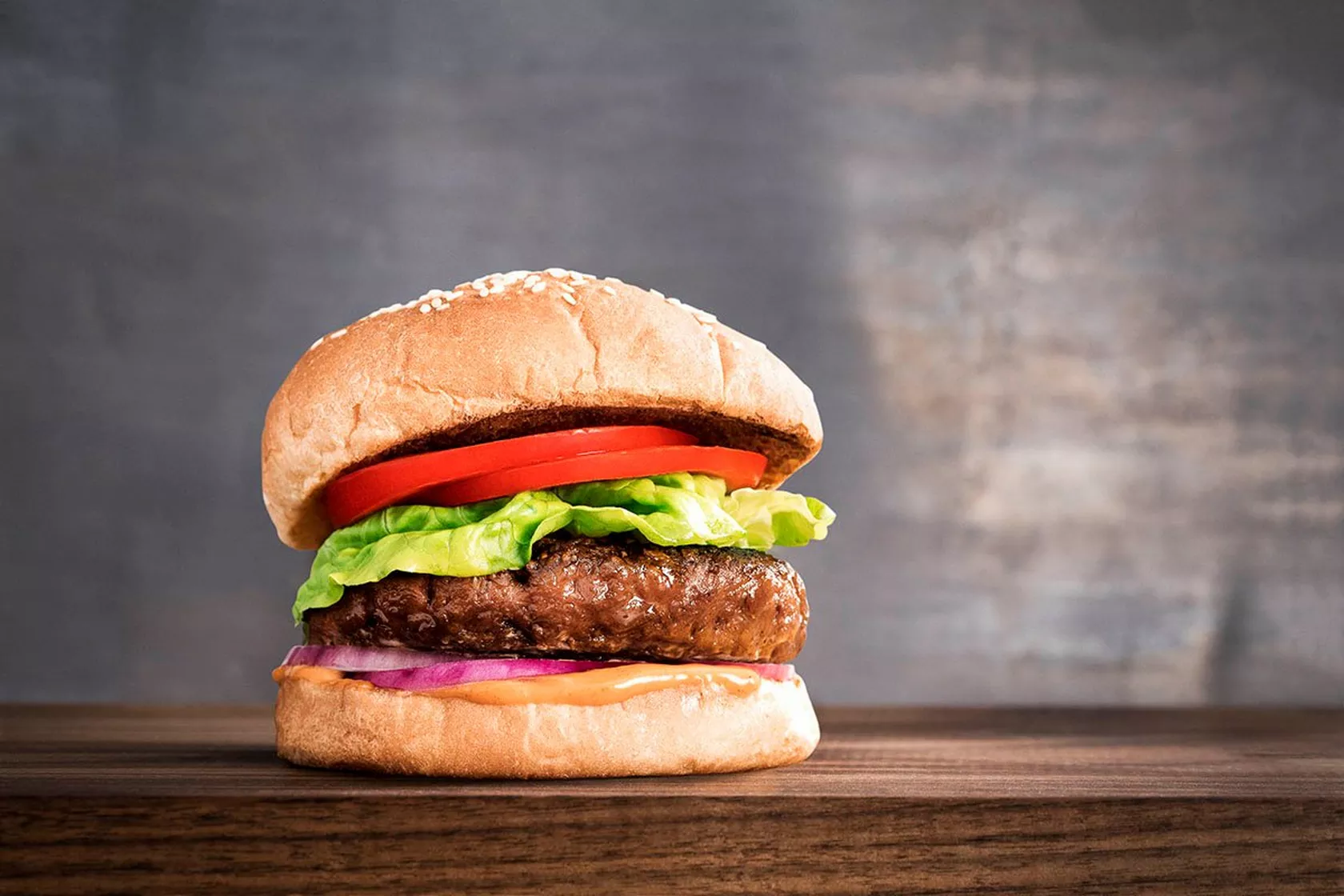

In recent years, the humble burger has undergone a remarkable transformation. No longer confined to a patty of beef, the culinary world has embraced creativity, health, and sustainability. Today, meatless burgers are not just a fad—they are a movement. But what truly makes a meatless burger “ultimate”? Is it the texture, the flavor, the nutritional profile, or the experience of biting into something both indulgent and guilt-free? Let’s dive into the art, science, and joy of crafting the perfect plant-based burger.
Understanding the Meatless Burger Landscape
Before we jump into recipes, it’s important to understand the landscape. Meatless burgers broadly fall into three categories:
- Legume-based burgers – Chickpeas, lentils, black beans, and more. These are protein-rich and versatile.
- Vegetable-based burgers – Think mushrooms, beets, zucchini, or cauliflower. These provide moisture, unique flavors, and colorful appeal.
- Plant-based meat analogs – Products like Beyond Meat or Impossible Burger, engineered to mimic the taste, texture, and juiciness of meat.
Each category has pros and cons. Legume burgers are hearty but can be dry if not bound correctly. Vegetable burgers are flavorful but may lack protein density. Plant-based meat analogs are convenient and meaty but can be expensive or highly processed. Crafting the ultimate meatless burger often involves blending these elements strategically.
The Anatomy of the Ultimate Meatless Burger
To build the perfect burger, you need to think in layers:
- The Patty – This is the soul of your burger. It should be juicy, flavorful, and hold together under heat. Ingredients like oats, breadcrumbs, or cooked quinoa can act as binders. Mushrooms or eggplant add moisture, while legumes add protein.
- The Bun – A sturdy, slightly sweet, or nutty bun enhances the patty without overwhelming it. Brioche, whole wheat, pretzel, or ciabatta are popular choices.
- The Sauce – The right sauce can transform a simple patty into a culinary experience. Consider aioli, vegan cheese sauce, tahini-mustard blend, or spicy chipotle mayo.
- The Toppings – Fresh vegetables like lettuce, tomato, onion, and pickles add crunch and contrast. Caramelized onions, sautéed mushrooms, roasted peppers, or avocado can elevate flavor complexity.
- Seasonings – Seasoning is critical. A combination of salt, smoked paprika, cumin, garlic powder, onion powder, and black pepper can make even a simple patty irresistible.
Step 1: Choosing the Perfect Base
The base of a meatless burger is more than just a filler—it defines texture and taste. Popular choices include:
- Black beans – Soft, rich, and earthy, they hold together well with eggs or flaxseed.
- Chickpeas – Nutty and firm; ideal for Mediterranean-inspired flavors.
- Lentils – Smooth when mashed, perfect for a hearty, almost “meaty” feel.
- Mushrooms – Particularly portobello; naturally juicy and umami-rich.
- Beets – Sweet, vibrant, and slightly earthy; adds stunning color.
Many chefs combine ingredients for a balanced patty. For instance, a blend of black beans and finely chopped mushrooms creates both structure and juiciness.
Step 2: Mastering Texture
Texture is often what separates a forgettable veggie burger from an unforgettable one. Techniques include:
- Roasting or sautéing vegetables – Reduces moisture and intensifies flavor.
- Using binders wisely – Flax eggs, breadcrumbs, or oat flour prevent crumbling.
- Pulsing ingredients in a food processor – Ensures even consistency without turning the mixture into paste.
- Chilling before cooking – Cold patties hold shape better on the skillet or grill.
A successful meatless burger has a satisfying bite without being dense or mushy. Think “firm yet tender,” with a slight crisp on the outside.
Step 3: Flavor Engineering
Flavor is king. Meatless doesn’t mean flavorless. Strategies include:
- Umami Boosters – Mushrooms, soy sauce, miso, nutritional yeast, or sun-dried tomatoes.
- Smoky Notes – Smoked paprika, liquid smoke, roasted peppers.
- Herbs & Aromatics – Garlic, onion, thyme, oregano, cilantro, parsley.
- Acidity – Lemon juice, balsamic vinegar, or pickled toppings brighten the palate.
- Spices – Cumin, coriander, chili powder, black pepper, smoked salts.
The key is layering: each element contributes a depth of flavor that unfolds with every bite.
Step 4: Cooking the Patty
Cooking methods matter. Options include:
- Pan-searing – Quick, crispy exterior, good for thin patties.
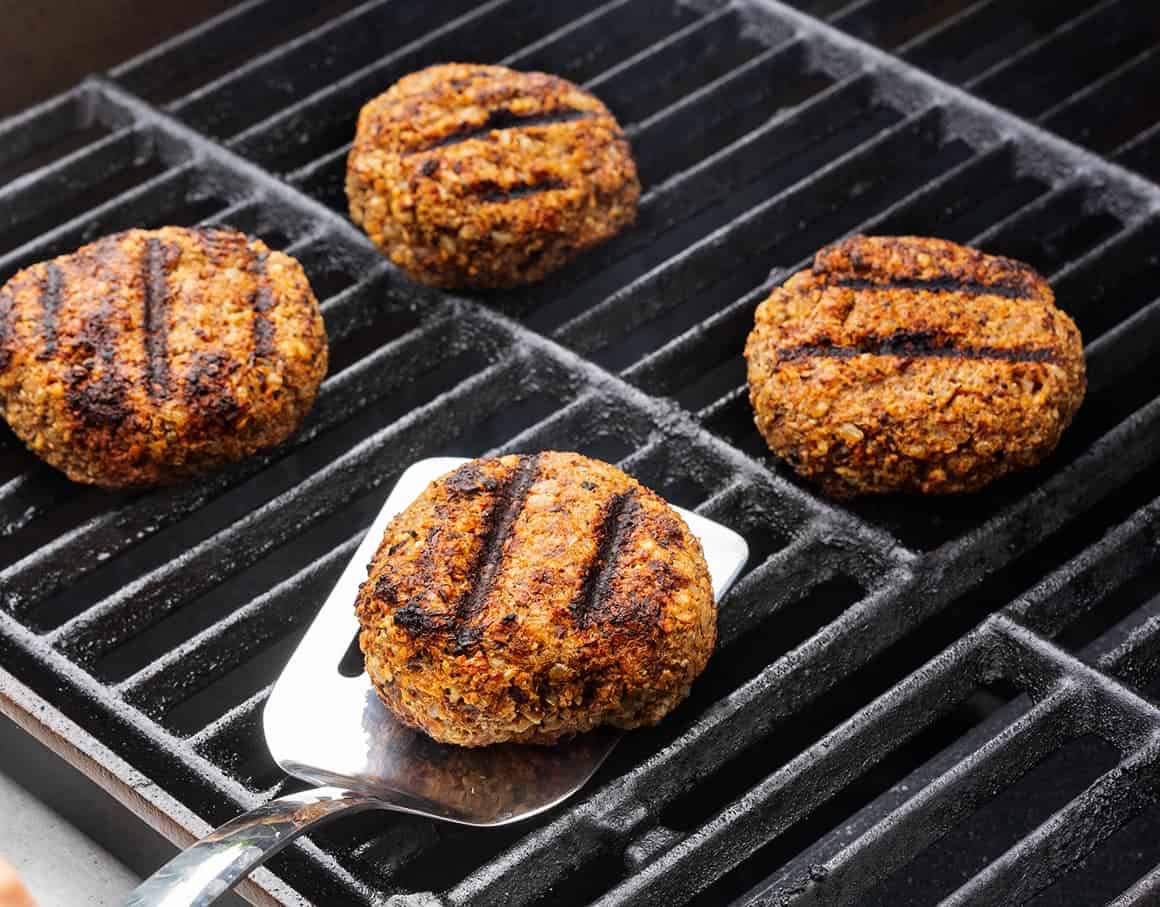
- Grilling – Adds smokiness and appealing grill marks.
- Baking – Gentle, even cooking, ideal for thick or delicate patties.
- Air frying – A modern method giving crisp edges with minimal oil.
A simple tip: brush a bit of oil on the patty, not the pan, to prevent sticking while enhancing browning.
Step 5: Crafting the Bun
The bun is the unsung hero. A dry bun kills a burger experience; a soggy bun is just as tragic. Tips:
- Slightly toast – Adds crunch and prevents sogginess.
- Butter or oil lightly – Enhances flavor and color.
- Choose complementary textures – Soft interior, slightly firm exterior works best.
Experimentation is encouraged. Pretzel buns for a salty bite, ciabatta for rustic appeal, or classic brioche for indulgence.
Step 6: Sauces and Toppings
Sauces are flavor amplifiers. Meatless burgers often benefit from creamy, spicy, or tangy additions. Consider:
- Vegan aioli with garlic and lemon
- Cashew cheese or nutritional yeast-based cheese sauce
- Chipotle mayo for smokiness
- Tahini-miso dressing for nutty umami
Toppings can range from traditional lettuce and tomato to gourmet:
- Caramelized onions
- Roasted bell peppers
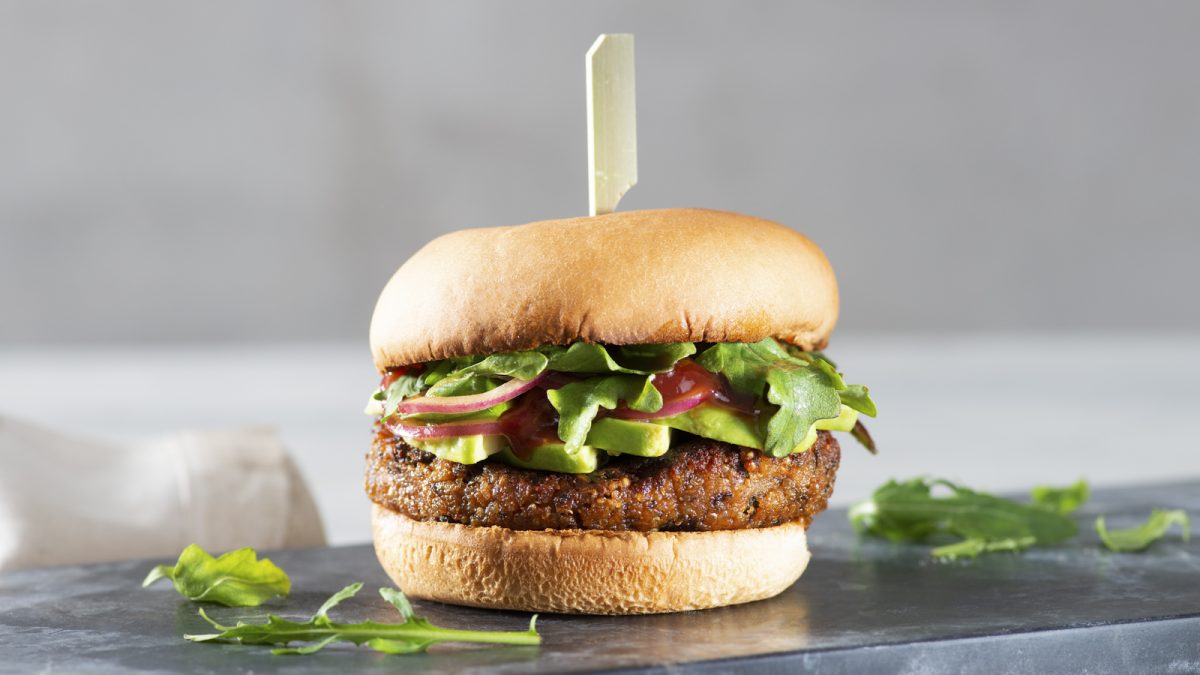
- Avocado slices
- Pickled jalapeños
- Microgreens or arugula
A mix of textures—crunchy, creamy, crisp—makes the burger feel indulgent.
Step 7: Nutritional Considerations
A great meatless burger balances flavor and nutrition:
- Protein – Legumes, tofu, seitan, tempeh.
- Healthy fats – Avocado, nuts, seeds, or olive oil.
- Fiber – Beans, vegetables, whole-grain buns.
- Micronutrients – Spinach, mushrooms, beets, and fortified plant-based products.
The ultimate meatless burger should satisfy hunger, deliver protein, and nourish without excess calories or unhealthy fats.
Step 8: Presentation Matters
Humans eat with their eyes first. Presentation tips:
- Stack ingredients neatly.
- Use colorful vegetables for contrast.
- Serve with an appealing side, like sweet potato fries or a light salad.
- Consider sauces drizzled or in small ramekins for dipping.
Instagram-worthy burgers are usually the ones that show off texture, color, and fresh ingredients.
Step 9: Pairing Drinks
The right beverage elevates a burger experience:
- Craft sodas – For sweet and zesty balance.
- Light beers or ales – Complement savory and smoky flavors.
- Sparkling water with citrus – Cleanses the palate between bites.
- Iced teas or kombucha – Refreshing with subtle tang.
Pairing is about contrast: richness versus acidity, creaminess versus crispness.
Step 10: Creative Variations
Once you master the classic patty, experimentation is key:
- Mediterranean Style – Chickpea-mint patties, tahini sauce, roasted peppers.
- Asian-Inspired – Tofu-shiitake patty, ginger-sesame slaw, hoisin drizzle.
- Southwest Heat – Black bean-jalapeño, avocado, chipotle aioli.
- Gourmet Fusion – Lentil-beet blend, truffle aioli, arugula, caramelized onions.
Experimenting with international flavors keeps the concept exciting and allows you to cater to diverse tastes.
Step 11: Troubleshooting Common Pitfalls
Even seasoned cooks face challenges:
- Patty falls apart – Use stronger binders, chill before cooking, avoid over-processing.
- Dry texture – Add moisture (mushrooms, zucchini, soaked oats) and avoid overcooking.
- Bland flavor – Increase spices, herbs, umami sources, or salt strategically.
- Soggy bun – Toast, use thicker sauces, or place patty on top of greens to absorb moisture.
A little trial and error is part of the journey toward burger perfection.
Step 12: Sustainability Factor
One of the hidden joys of meatless burgers is their impact on the planet:
- Reduced greenhouse gas emissions.
- Lower water usage than beef production.
- Encourages diversity in plant-based diets.
The ultimate burger is not only delicious but also environmentally responsible, aligning taste with ethics.
Step 13: Community and Culture
Meatless burgers have also become a cultural icon. Restaurants, food trucks, and social media have popularized creative plant-based burgers worldwide. Sharing recipes and tasting experiences fosters community and sparks innovation. A truly ultimate burger isn’t just about flavor—it’s about connecting people and ideas around food.
Step 14: Beyond the Bun
For those truly daring, consider:
- Open-faced burgers – Swap buns for grilled eggplant or portobello slices.
- Burger bowls – Layer patty with grains, roasted vegetables, and sauces for a low-carb option.
- Mini sliders – Perfect for parties or tasting multiple flavors.
Breaking the “bun” mold opens endless possibilities for creativity.
Step 15: Conclusion
Creating the ultimate meatless burger is a blend of science, art, and joy. It requires attention to texture, flavor, nutrition, presentation, and sustainability. From choosing the right base to crafting a sauce that sings, every step is an opportunity to innovate and indulge.
The ultimate meatless burger doesn’t compromise—it delivers satisfaction, delight, and a nod to a more sustainable future. With experimentation, attention to detail, and a pinch of culinary courage, anyone can create a burger that rivals the best beef patties, if not surpasses them.
So, fire up your skillet, pull out your food processor, and embrace the adventure. The ultimate meatless burger is waiting—juicy, flavorful, and unforgettable.