





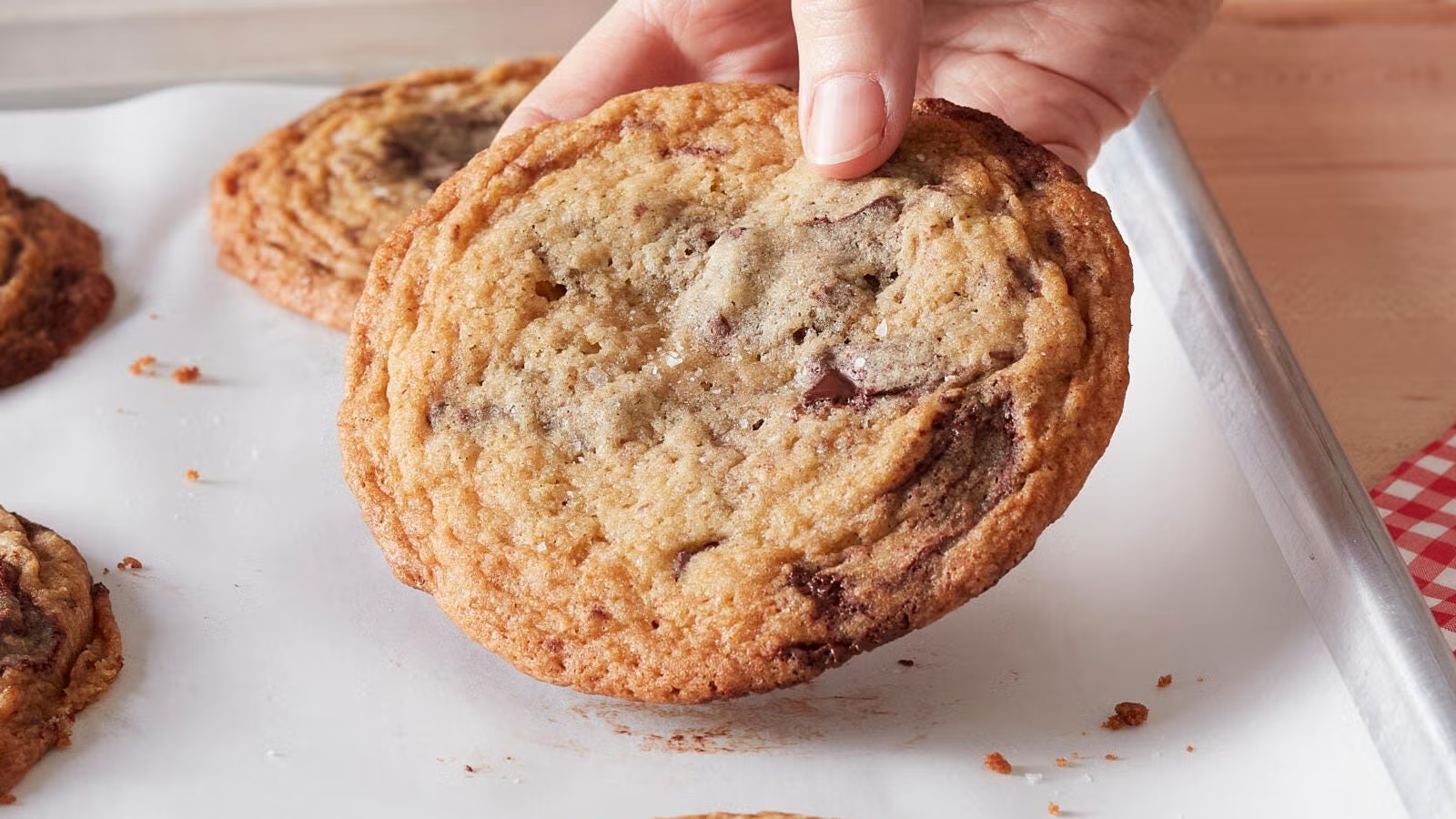

There’s nothing quite as frustrating as spending time baking a batch of cookies only to see them spread into shapeless blobs on the baking sheet. If you’ve ever wondered why your cookies tend to lose their shape, and more importantly, how to stop that from happening, you’re in the right place.
In this article, we’ll explore the science behind why cookies spread too much during baking, and we’ll provide practical tips on how to control the shape of your cookies for perfectly baked treats every time.
Why Do Cookies Spread Too Much?
Before we dive into solutions, let’s first look at the why behind the problem. Understanding the factors that cause cookies to spread will give you more control over the process and help you troubleshoot any issues that arise.
1. Too Much Butter
Butter is an essential ingredient in most cookie recipes. Its fat content gives cookies flavor and texture. However, when you add too much butter, the dough becomes too soft. The fat melts quickly in the oven, causing the cookies to spread out excessively.
2. Insufficient Flour
Flour is what provides structure to cookie dough. When you don’t add enough flour, the dough lacks the structure to hold its shape as it bakes. This results in flat, thin cookies that spread uncontrollably.
3. Overmixing the Dough
Overmixing the cookie dough incorporates too much air into the mixture, which can cause cookies to spread unevenly. When you mix the dough excessively, you also activate more gluten, which can make the dough more elastic. This results in cookies that are thin and chewy, but they may spread more than you’d like.
4. Warm Dough
If your cookie dough is too warm when placed on the baking sheet, the butter will begin to melt too early in the oven. This leads to spreading because the dough doesn’t have time to set before the heat hits. Warm dough can also lead to cookies that are too greasy.
5. Baking Sheet and Parchment Paper
The type of baking sheet you use can influence how your cookies spread. Dark baking sheets absorb more heat, causing the bottoms of the cookies to bake faster and spread more. Parchment paper helps create a barrier between the dough and the baking sheet, but using too much can cause cookies to spread unevenly or stick.
6. Sugar Content
Sugar plays a role in how much cookies spread. Granulated sugar, in particular, encourages spreading because it melts faster than other types of sugar, creating a fluid dough. If you want a more controlled spread, you might try reducing the amount of granulated sugar in your recipe.
:max_bytes(150000):strip_icc()/Simply-Recipes-Chilling-Cookie-Dough-LEAD-1-390cd8ab242041e39e79eca4eeb3e098.jpg)
How to Control the Shape of Your Cookies
Now that we’ve covered why cookies spread too much, let’s focus on how to control the shape. With a few adjustments and a bit of practice, you can create perfectly shaped cookies that look just as good as they taste.
1. Chill Your Dough
The simplest and most effective way to prevent cookies from spreading too much is to chill the dough. When the dough is cold, the butter solidifies, making it less likely to melt immediately in the oven. This gives the cookies time to set before they begin to spread.
Tip: After mixing your dough, wrap it in plastic wrap and refrigerate it for at least 30 minutes before baking. If you’re in a rush, pop the dough in the freezer for about 15 minutes. This will help the cookies maintain their shape during baking.
2. Adjust the Butter-to-Flour Ratio
To control how much your cookies spread, you may need to adjust the amount of butter and flour in your recipe. If your cookies are spreading too much, try adding a bit more flour. This will give the dough more structure, helping the cookies keep their shape.
Tip: Start by adding 1-2 tablespoons of extra flour to your dough. If you prefer thicker cookies, you can even add a little more. Just be careful not to add too much, or your cookies may become dry and crumbly.
3. Use the Right Type of Butter
The type of butter you use can also affect how much your cookies spread. If you use melted butter, your dough will spread more quickly. Opt for softened butter instead. Softened butter creates a more stable dough that holds its shape better during baking.
Tip: Use room temperature butter, not melted or hard butter. Softened butter is easy to mix with the sugar and will give your cookies a better texture and more control over their shape.
4. Don’t Overmix the Dough
Mixing the dough too much can cause it to become too soft and stretchy, which encourages spreading. Mix the dough just until all the ingredients are combined.
Tip: Stop mixing as soon as the flour is incorporated. If you overmix, the dough may become sticky and lose its shape.
5. Scoop and Shape the Dough
When you’re placing the cookie dough on the baking sheet, how you scoop and shape the dough matters. Using a cookie scoop ensures uniform size, which helps the cookies bake evenly. Also, try to gently shape the dough into round balls rather than letting them spread too much when they land on the baking sheet.

Tip: Use a tablespoon or cookie scoop to make uniform balls of dough. This ensures that the cookies will bake evenly and spread consistently.
6. Line Your Baking Sheet with Parchment Paper
Parchment paper prevents cookies from sticking to the baking sheet and can also help control how much they spread. It creates a smooth surface for the dough to bake evenly.
Tip: Use parchment paper instead of greasing the baking sheet. It helps prevent the bottoms of the cookies from getting too crispy and spreading too much.
7. Bake on a Cool Baking Sheet
If you’re using a warm baking sheet, your dough may start spreading too quickly once it hits the hot surface. Always make sure your baking sheet is cool before placing the dough on it.
Tip: If you’re baking multiple batches, let the baking sheet cool completely between batches. You can also have two baking sheets on hand, so you don’t need to wait for one to cool.
8. Control the Oven Temperature
Baking your cookies at the right temperature is crucial. If the oven is too hot, the dough will melt and spread quickly. If the oven is too cool, the cookies will take longer to set, which could cause uneven spreading.
Tip: Preheat your oven properly to ensure the cookies bake at the right temperature. For most cookies, a temperature of 350°F (175°C) works best. You may need to adjust the temperature based on your oven.
9. Use a Dark vs. Light Baking Sheet
The color of your baking sheet can affect how your cookies spread. Dark baking sheets absorb more heat, which can cause the cookies to spread more quickly. Light-colored sheets reflect heat, which may slow down the spreading process.
Tip: If your cookies spread too much on a dark baking sheet, try switching to a lighter-colored one to help control the spread.
10. Use More Brown Sugar
Brown sugar has a higher moisture content than granulated sugar, which can slow down the spread of cookies. The molasses in brown sugar helps keep the dough moist, so cookies will spread more slowly and hold their shape better.
Tip: Substitute half of the granulated sugar in your recipe with brown sugar. This will create a chewier, thicker cookie that spreads less.
Conclusion: Perfect Cookies Every Time
The key to controlling the shape of your cookies is understanding the factors that affect how they spread. By tweaking your ingredients, mixing techniques, and baking methods, you can master the art of perfectly shaped cookies every time.
Whether you’re baking classic chocolate chip cookies or experimenting with new recipes, the tips above will help you avoid the dreaded cookie spread and achieve the ideal shape, texture, and flavor.
Happy baking!