





Food festivals are an essential part of cultural expression, offering a glimpse into the soul of a nation. Whether celebrated with grandiosity or simplicity, these festivals reveal much more than just the taste of the food on offer. They are a celebration of history, tradition, community, and the evolving cultural landscape of a country. Through vibrant displays of culinary art, music, dance, and social interaction, food festivals reflect a nation’s spirit, values, and identity in a way few other events can.
The Role of Food in Shaping National Identity
Food plays a central role in shaping a nation’s identity. It is a powerful expression of culture, rooted in the agricultural, historical, and economic contexts that have shaped a country’s people for centuries. A nation’s food reflects its geography, climate, history, and even its social structures. Over time, food traditions have evolved into festivals that celebrate these unique cultural stories.
Culinary Heritage as a Living Tradition
At the heart of many food festivals lies the concept of culinary heritage. These festivals are not simply about eating food; they are about celebrating the traditions that have passed down through generations. The food served at these festivals often holds significant historical or symbolic meaning. For example, Italy’s numerous food festivals, from the Olive Oil Festival in Tuscany to the Tomato Festival in Naples, are grounded in centuries of farming and family traditions. These festivals allow people to reconnect with their roots, reaffirming the importance of preserving age-old culinary practices.
Seasonal Celebrations
Many food festivals coincide with the harvest season or the cycle of the agricultural calendar, emphasizing a nation’s connection to the land. Festivals like the Mid-Autumn Festival in China or Thanksgiving in the United States are deeply tied to the seasonal rhythms of nature, symbolizing gratitude for the earth’s bounty. Such festivals are a reminder that food is not just sustenance but an offering, a way of honoring the land, the seasons, and the labor that goes into producing every meal.
Celebrating Diversity Through Food
Food festivals can also serve as a reminder of the cultural diversity within a nation. In countries like the United States, Brazil, or India, food festivals showcase regional differences, reflecting the multiplicity of cultures that coexist within the country. Each region has its own distinct culinary practices, ingredients, and flavors, often influenced by immigration, trade, and historical exchanges. The diversity of food at such festivals mirrors the diverse communities that have helped shape the nation’s identity.
For instance, in India, the food festivals of Rajasthan, Kerala, and Punjab celebrate the distinct flavors, cooking techniques, and ingredients of each region, offering a vivid picture of the cultural and geographical diversity within the country. Likewise, in Brazil, the Festa Junina celebrates traditional food from rural areas, highlighting the importance of local agricultural products like corn, beans, and cassava.
Food Festivals as Social and Political Statements

Beyond their cultural and historical significance, food festivals can also serve as platforms for social and political expression. These events often reflect broader societal issues such as sustainability, environmental consciousness, and social justice, while also challenging existing political narratives.
Environmental Consciousness and Sustainability
In recent years, food festivals have increasingly become sites for discussions on sustainability. Countries with a strong agricultural foundation, such as France or Argentina, have embraced farm-to-table practices, promoting locally sourced, organic, and environmentally conscious food options at their festivals. These movements are often linked to the broader global conversation about climate change, food security, and the ethical treatment of animals.
For example, the Slow Food Movement, which originated in Italy, emphasizes the importance of local food systems, biodiversity, and traditional cooking methods. Food festivals that feature slow food not only offer an opportunity to enjoy delicious meals but also provide a platform to raise awareness about issues such as food waste, ethical farming, and the importance of protecting local food cultures from the encroachment of industrialized agriculture.
A Voice for Social Justice
Food festivals also have the power to address social inequalities and political issues. In some countries, food festivals have been used as a form of protest or activism, challenging existing norms and advocating for social change. In recent years, there has been a growing movement to highlight the plight of marginalized communities through food, whether it’s through the lens of workers’ rights, migrant food cultures, or the inclusion of underserved groups in the food industry.
Take, for example, the growing recognition of Indigenous food sovereignty in Canada and the United States. Food festivals focused on Indigenous cuisine, such as the Pow Wow and Native Food Festivals, are platforms for promoting the traditional foodways of Native American and First Nations communities. These events celebrate not only food but also a deep connection to the land and the importance of preserving cultural knowledge.
How Food Festivals Promote National Pride
Food festivals can evoke a sense of national pride, especially when they showcase the country’s traditional cuisine in all its diversity and richness. National pride can manifest in different forms: from the celebration of national dishes to regional specialties and seasonal ingredients. These festivals offer a moment for citizens to gather together and share in the pride of their culinary heritage.
National Dishes as Symbols of Pride
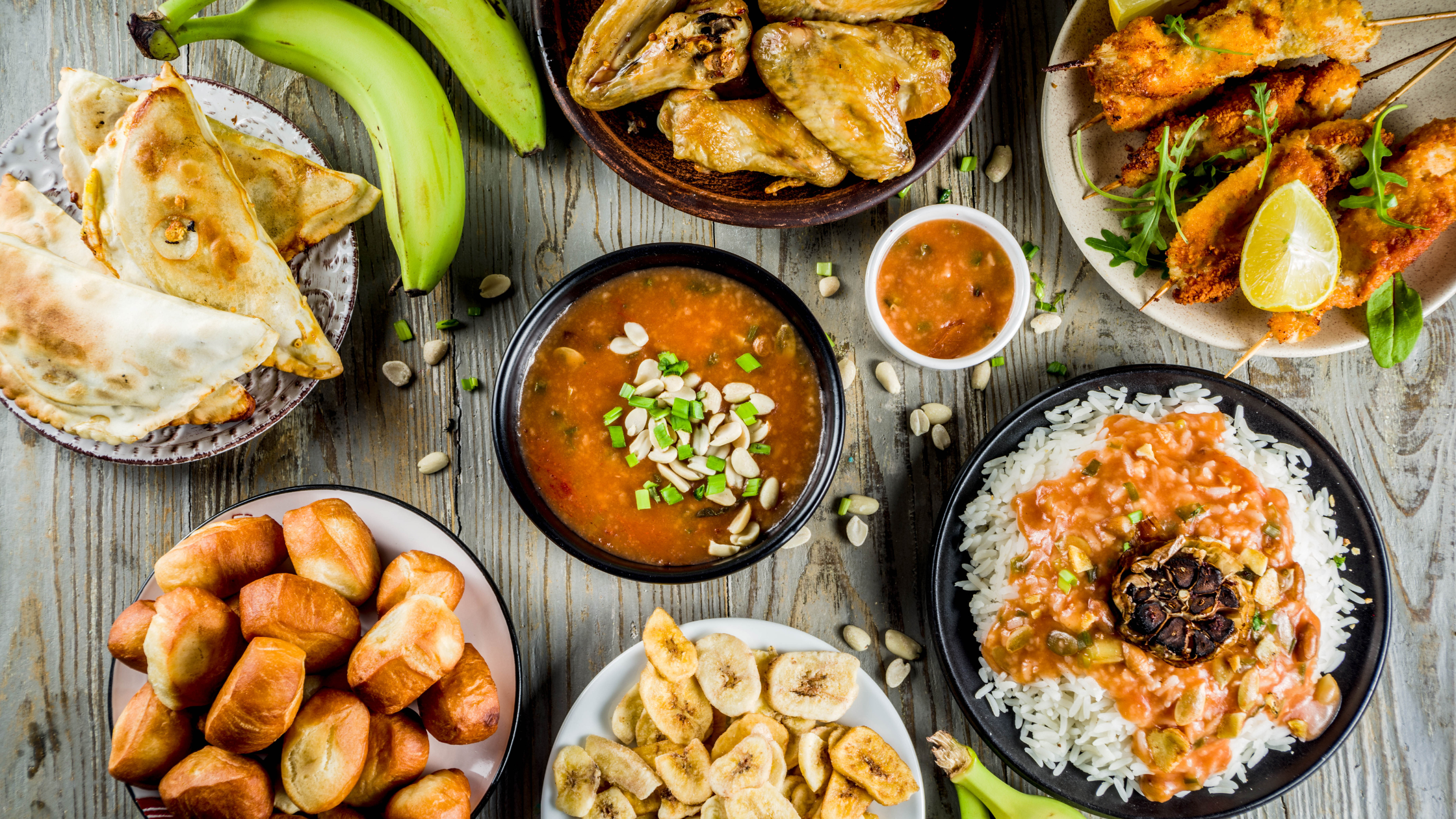
In many countries, certain dishes have become synonymous with national identity. Think of Japan’s sushi, France’s croissant, or Mexico’s tacos—each dish is more than just a meal; it is an emblem of the nation’s culture. At food festivals, these iconic dishes are often featured prominently, reinforcing a sense of belonging and shared identity among participants.
Festivals that center around these national foods, such as the French Fête de la Gastronomie or Japan’s Washoku Week, help to reaffirm the connection between food and the nation’s history, culture, and values. In this way, food festivals can become an expression of national pride, as citizens celebrate the culinary contributions that have put their country on the global map.
Connecting People to Their Heritage
Food festivals also help bridge generational gaps, fostering a sense of continuity between past, present, and future generations. Younger generations, often more disconnected from traditional practices due to urbanization and globalization, can use these festivals as a way to reconnect with their heritage. In this sense, food festivals serve as a living museum of sorts, a space where history and modernity converge through the power of food.
In Mexico, for example, the Day of the Dead (Día de los Muertos) food festivals feature traditional foods like tamales and pan de muerto. These foods are not only part of a celebration of ancestors but also serve as a way for younger generations to engage with and preserve their cultural legacy. Similarly, in Spain, the Tomatina Festival in Buñol allows people of all ages to come together in a fun and exuberant celebration of the country’s food traditions.
Globalization and Food Festivals: A Changing Landscape
As globalization continues to shape the world, food festivals are becoming more cosmopolitan and inclusive. They are no longer limited to traditional or local foods; rather, they provide opportunities to explore global food trends, fusion cuisines, and new culinary ideas.
The Rise of Fusion Food Festivals
Fusion cuisine, which blends elements from different culinary traditions, has found a strong presence at food festivals around the world. These festivals showcase the intersection of cultures, offering a space where food from various parts of the world can come together and create something new. In places like New York City, London, and Toronto, fusion food festivals celebrate the melting pot of flavors that have been brought together by immigration and globalization.
For instance, the Taste of Chicago festival often features international food vendors alongside local specialties, creating a dynamic exchange of culinary traditions. Similarly, the Melbourne Food and Wine Festival in Australia has become known for its celebration of multiculturalism, featuring dishes that blend flavors from Asia, Europe, and the Americas.
The Impact of Globalization on Traditional Festivals
While globalization has opened the door to a world of new culinary possibilities, it has also raised questions about the preservation of traditional foodways. Many food festivals strive to balance the incorporation of new trends while safeguarding the authenticity of traditional dishes. This balancing act can be seen in festivals like the Oaxacan Culinary Festival in Mexico, where traditional food practices are celebrated alongside innovative twists on classic dishes.
Moreover, food festivals have also become a means of promoting local tourism, with governments and organizations capitalizing on the popularity of food tourism. Globalization has helped turn food festivals into international events, attracting visitors from around the world to experience a nation’s food culture. This phenomenon has led to the rise of food tourism, where people travel not just to see landmarks but to taste the food of different regions.
Conclusion: A Celebration of Identity, Culture, and Connection
Food festivals are far more than just opportunities to taste delicious dishes; they are powerful reflections of a nation’s spirit. From celebrating culinary heritage to promoting sustainability, diversity, and national pride, food festivals offer a multifaceted look at a country’s values, history, and cultural dynamics. They foster community, create social connections, and allow people to celebrate their roots while embracing global trends. As food festivals continue to evolve, they will remain a vital expression of the ever-changing nature of national identity and cultural exchange.