







In recent years, the rise of plant-based meat has been meteoric. Supermarkets are flooded with colorful packages claiming to “taste like beef” or “sizzle like pork,” and fast-food chains now feature plant-based options alongside traditional meat. The question that intrigues both environmentalists and curious consumers alike is simple: Is plant-based meat really better for the planet? The answer, while encouraging, is nuanced. Understanding it requires examining the environmental, social, and technological aspects of this culinary revolution.
1. The Environmental Case for Plant-Based Meat
At first glance, the environmental benefits of plant-based meat seem straightforward. Traditional animal agriculture is resource-intensive. Consider this: raising livestock accounts for roughly 14.5% of global greenhouse gas emissions, consumes vast quantities of water, and requires enormous tracts of land. By contrast, plant-based meat, often derived from peas, soy, or other legumes, typically uses fewer natural resources and produces fewer emissions.
1.1 Greenhouse Gas Emissions
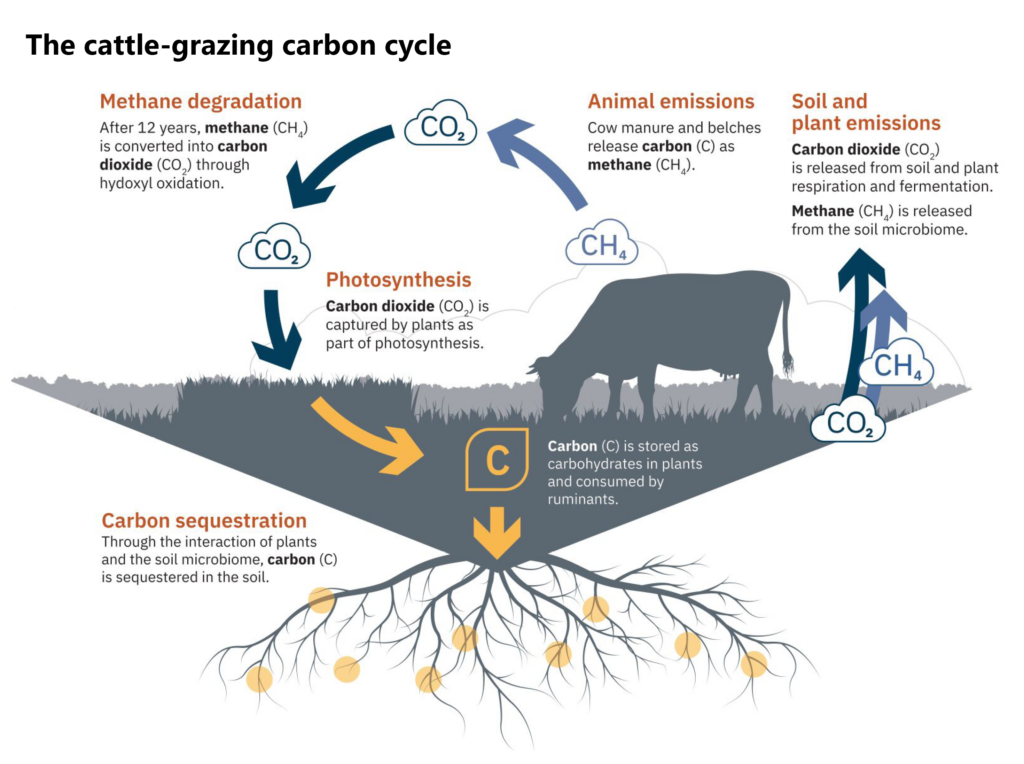
One of the most cited advantages is the reduction in greenhouse gases (GHGs). Cows, sheep, and other ruminants produce methane—a gas 28 times more potent than carbon dioxide over 100 years. Plant-based alternatives bypass this problem entirely. Studies show that producing a plant-based burger can generate up to 90% less GHG emissions than its beef counterpart. The logic is simple: skip the cow, skip the methane.
However, this doesn’t mean plant-based meat is carbon-neutral. Processing, packaging, and transportation contribute to emissions. Moreover, some companies rely heavily on soy imports from deforested regions, indirectly linking plant-based meat to deforestation. The environmental advantage is real, but it is context-dependent.
1.2 Land Use
Livestock farming consumes a staggering amount of land—roughly 80% of global agricultural land, most of which is used for grazing or growing feed crops. Plant-based meat requires significantly less land because plants can be grown directly for human consumption rather than being fed to animals first. This reduction in land use could potentially allow for reforestation and habitat restoration, which would further help mitigate climate change.
1.3 Water Footprint
Water is another critical factor. Producing one kilogram of beef can require 15,000 liters of water, while a plant-based burger may need less than 2,000 liters. This difference alone could have significant implications for water-scarce regions. Switching even a fraction of global meat consumption to plant-based alternatives could alleviate some of the world’s mounting water stress.
2. Nutritional Considerations and Indirect Impacts
Many people choose plant-based meat for environmental reasons, but nutrition and health also intersect with sustainability. A product that reduces environmental strain but is nutritionally poor could have unintended consequences.
2.1 Protein Efficiency
Plant-based meat is engineered to match the protein content of traditional meat. Legumes, soy, and pea protein are highly efficient sources, delivering essential amino acids with a smaller ecological footprint. From a planetary perspective, more protein per unit of resource consumed equals a higher sustainability score.
2.2 Micronutrients and Fortification
While plant-based meat offers protein, traditional meat is rich in micronutrients such as vitamin B12, heme iron, and zinc. Many plant-based alternatives are fortified to compensate for these gaps. Interestingly, fortification introduces another environmental consideration: the production of synthetic vitamins and minerals consumes energy and resources, subtly offsetting some environmental gains. Nevertheless, fortification ensures that consumers can maintain nutrient intake without reverting to resource-intensive livestock.
2.3 Health Implications and Consumer Behavior
Studies suggest that individuals who adopt plant-based diets often reduce their overall meat consumption and incorporate more vegetables and whole grains. This behavioral shift amplifies environmental benefits, as even modest reductions in meat consumption can meaningfully lower emissions, water usage, and land requirements.
3. Comparing Different Types of Plant-Based Meat
Not all plant-based meats are created equal. The environmental footprint varies depending on the ingredients, production methods, and supply chains.
3.1 Legume-Based Meat
Products based on peas, lentils, or soy are the most common. Peas, in particular, are drought-tolerant, require less fertilizer, and can fix nitrogen in the soil, reducing the need for synthetic inputs. This makes pea-based meat one of the most sustainable options currently available.
3.2 Mycoprotein and Fungi-Based Meat
Fungi-based meat, such as mycoprotein derived from fermented fungi, offers impressive efficiency. The production process is compact, requires minimal land, and generates relatively low emissions. Additionally, mycoprotein has a fibrous, meat-like texture, which enhances culinary appeal. However, scaling production remains a challenge, and fermentation systems require precise energy inputs.
3.3 Cultured Meat vs. Plant-Based Meat
Lab-grown meat, or cultured meat, often enters the same conversation as plant-based meat. While cultured meat can theoretically reduce land and water use, the energy requirements for bioreactors are substantial. Plant-based meat currently enjoys a lower energy footprint and is easier to scale, making it the more immediately viable option for large-scale environmental impact.
4. Supply Chain and Production Considerations
Environmental benefits are not determined solely by the type of meat but also by the entire supply chain.
4.1 Ingredient Sourcing
Soy, peas, and other key ingredients may be grown in regions where agriculture leads to deforestation or biodiversity loss. Choosing ingredients from sustainable farms with regenerative practices is crucial. Some companies now source from certified regenerative farms, which restore soil health and biodiversity while producing raw materials for plant-based meat.
4.2 Processing Energy
Manufacturing plant-based meat involves milling, protein extraction, blending, and extrusion. This process consumes electricity, sometimes offsetting gains from lower livestock production. Innovation in low-energy extrusion technologies is helping reduce this impact, but energy sourcing remains a key factor.
4.3 Packaging and Transportation
Packaging is another critical consideration. Many plant-based products are wrapped in plastic or shipped globally, which adds emissions and waste. Switching to recyclable, compostable packaging and developing local production networks could further reduce the overall environmental footprint.
5. The Social and Economic Dimensions
The environmental story is only part of the equation. Plant-based meat also intersects with social and economic considerations that indirectly affect sustainability.

5.1 Global Food Security
Plant-based meat could enhance global food security. Currently, a large portion of crops such as soy and corn is grown to feed livestock. By redirecting these crops for direct human consumption, more people could be fed with fewer natural resources, making diets more efficient and equitable.
5.2 Market Transformation
The rise of plant-based meat incentivizes agricultural innovation. Farmers, suppliers, and manufacturers are exploring regenerative agriculture, vertical farming, and local sourcing, all of which could have broader environmental benefits beyond meat substitution.
5.3 Consumer Behavior and Awareness
Even if a single plant-based burger only slightly reduces emissions, the cultural shift it represents may lead to larger systemic changes. Increased awareness about the environmental costs of meat can influence policy, investment, and dietary trends, multiplying the positive effects.
6. Challenges and Criticisms
While plant-based meat has clear advantages, it is not a perfect solution.
6.1 Ultra-Processed Food Concerns
Many plant-based meats are ultra-processed, containing additives, flavorings, and stabilizers. Critics argue that replacing one processed product (meat) with another does not necessarily improve health or sustainability comprehensively. While environmental gains exist, the nutritional trade-offs cannot be ignored.
6.2 Economic Accessibility
Plant-based meat is often more expensive than traditional meat, especially in lower-income regions. Without broad affordability, the global environmental benefits will remain limited. Scaling production and lowering costs is essential to reach wider populations.
6.3 Greenwashing Risks
As plant-based meat grows in popularity, some companies exaggerate environmental claims. Consumers need transparent information, including life-cycle assessments and sourcing transparency, to ensure that their choices truly benefit the planet.
7. Future Prospects and Innovations
The plant-based meat sector is evolving rapidly, and future innovations may further enhance sustainability.
7.1 New Protein Sources
Researchers are exploring proteins from algae, duckweed, and insect-free sources that require minimal land and water. These emerging options could diversify the market and reduce reliance on soy or peas.
7.2 Carbon-Intelligent Production
Some companies are experimenting with production systems powered by renewable energy and carbon-capture technologies, potentially making plant-based meat carbon-negative in the future.
7.3 Culinary Innovation
Taste and texture are critical for adoption. Advances in 3D food printing, fermentation-based flavoring, and natural binding agents are making plant-based meat increasingly indistinguishable from traditional meat, encouraging widespread dietary shifts.
8. Conclusion: A Better Choice, With Nuances
So, is plant-based meat really better for the planet? The evidence points to yes, generally—but with important caveats. Compared to conventional meat, plant-based alternatives can:
- Reduce greenhouse gas emissions
- Require less land and water
- Offer efficient protein delivery
- Support global food security
However, the benefits are conditional: sustainable sourcing, energy-efficient production, minimal processing, and responsible packaging all matter. Moreover, plant-based meat is a tool, not a silver bullet. Achieving meaningful environmental change will also require reductions in overall meat consumption, systemic agricultural reform, and shifts in consumer behavior.
Ultimately, choosing plant-based meat is not just about swapping burgers; it’s about participating in a broader movement toward sustainability, resilience, and a more conscious relationship with the planet’s resources. It’s a tasty step in the right direction, but one that must be combined with mindful production, innovation, and awareness to truly make a lasting impact.