





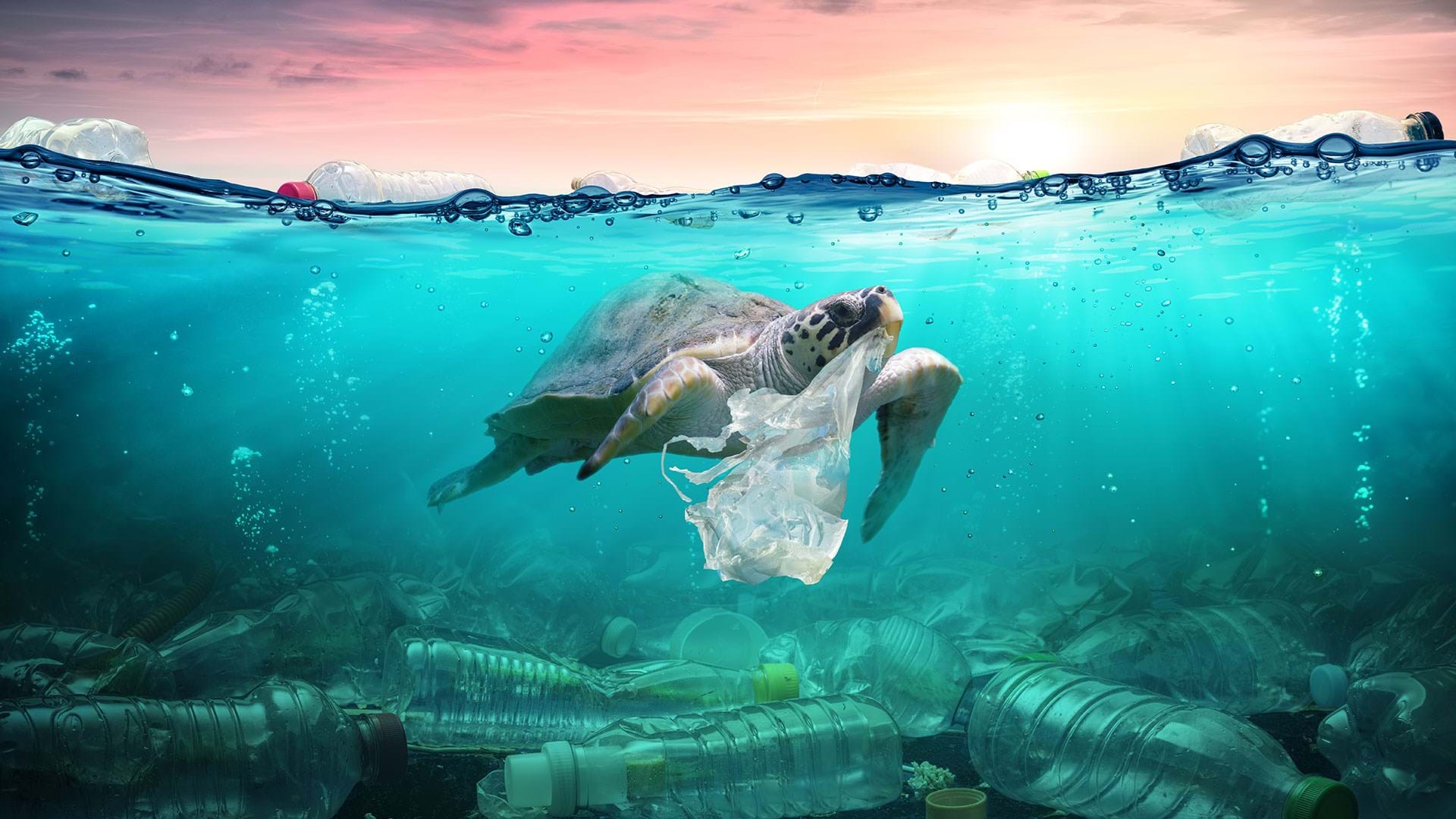

Plastic packaging has been the unsung hero of modern convenience. From the moment you pick up your morning coffee to the instant you open a frozen meal at home, plastic has silently done its job—lightweight, durable, flexible, and cheap. Yet, in the past few decades, the very qualities that made plastic a miracle of modern manufacturing have become the source of a global environmental crisis. Our oceans are choking on plastic waste, landfills are overflowing, and even microscopic plastic particles have infiltrated the food we eat and the air we breathe. The question arises: is it time to say goodbye to plastic packaging? To answer this, we need to examine the history, benefits, environmental cost, alternatives, and societal shifts surrounding this ubiquitous material.
The Rise of Plastic Packaging
Plastic packaging exploded onto the market in the mid-20th century. Lightweight, durable, and adaptable to almost any shape, it replaced glass, metal, and paper in countless applications. The convenience was undeniable: it allowed foods to stay fresher for longer, liquids to be transported with less risk of leakage, and products to reach consumers at a fraction of the cost of traditional packaging materials.
Plastic’s dominance was also fueled by industrial innovation. Polymers like polyethylene, polypropylene, and PET (polyethylene terephthalate) became the backbone of packaging due to their ease of production and versatility. For decades, businesses and consumers alike celebrated plastic’s ability to protect goods, reduce costs, and simplify logistics.
However, few foresaw the environmental consequences. Plastic does not biodegrade in any meaningful sense—it breaks down into smaller and smaller fragments called microplastics, which persist in the environment for centuries. Today, these microplastics are found in oceans, rivers, soil, and even in the air we breathe.
The Environmental Toll
Plastic pollution has become a defining environmental issue of our era. Each year, approximately 400 million tons of plastic are produced globally, and a significant portion is used for single-use packaging. Despite recycling programs, only a fraction of this plastic is actually recycled; the majority ends up in landfills or in natural ecosystems.
In oceans, plastic has catastrophic effects. Sea turtles mistake plastic bags for jellyfish, birds choke on plastic fragments, and coral reefs suffer from physical damage and chemical leaching. Even when plastic is not ingested by animals, it degrades into microplastics that enter the food chain. Studies have shown that microplastics can accumulate in seafood, honey, salt, and even tap water, raising questions about long-term health effects for humans.
Moreover, the production of plastic itself contributes significantly to climate change. Plastics are made primarily from fossil fuels. Manufacturing 1 ton of plastic generates about 1.8 tons of CO₂, adding another layer of environmental concern. Considering that packaging accounts for nearly half of all plastic production, the carbon footprint is massive.
Why Plastic Is Hard to Replace
Despite the clear environmental hazards, replacing plastic packaging is far from simple. Plastic’s unique properties—its strength-to-weight ratio, impermeability, flexibility, and low cost—are difficult to replicate with other materials.
Paper, for instance, is biodegradable but requires large amounts of water and energy to produce, and it often cannot match plastic’s barrier properties for moisture and oxygen. Glass is recyclable and chemically inert but heavy, fragile, and expensive to transport. Metal offers durability but comes with high production costs and environmental impacts from mining and refining. Even newer alternatives, such as bioplastics or compostable plastics, face challenges with infrastructure, contamination of recycling streams, and actual biodegradability in real-world conditions.

Furthermore, the global supply chain has been optimized around plastic packaging for decades. Moving away from it requires massive investments in research, logistics, and consumer education. Businesses must weigh environmental responsibility against operational feasibility, often leading to incremental changes rather than revolutionary ones.
Innovations and Alternatives
The good news is that innovation is underway. Researchers and startups are developing a range of alternatives designed to match plastic’s performance without its environmental cost.
Biodegradable plastics: Made from plant-based materials like cornstarch, sugarcane, or algae, these plastics are designed to break down more quickly under industrial composting conditions. However, they often require controlled environments to degrade effectively, which limits their utility in ordinary trash streams.
Edible packaging: Some companies have introduced packaging made from seaweed, rice, or other food-grade materials that can be eaten or composted. These solutions work best for small items such as candy, single-serve snacks, or condiments.
Reusable packaging: Subscription models and refill stations for liquids, detergents, and dry goods are gaining popularity. By encouraging consumers to return containers, companies reduce waste and create new business models that emphasize sustainability over single-use convenience.
Minimalist packaging: A growing trend in e-commerce and retail involves reducing packaging volume or eliminating unnecessary layers. Simple changes, such as using recycled cardboard sleeves instead of plastic wraps, can have a meaningful impact when scaled globally.
Smart packaging: Some innovations include packaging that extends shelf life, monitors freshness, or indicates spoilage, reducing food waste while potentially using less material overall.
Each of these alternatives brings its own set of trade-offs, but collectively, they point to a future where plastic is no longer the default.

Consumer Behavior and Cultural Shift
Even with alternative technologies, the ultimate driver of change will be consumer behavior. People are increasingly aware of plastic pollution and are demanding sustainable solutions. Studies indicate that millennials and Gen Z are more willing to pay a premium for eco-friendly packaging, and social media campaigns have amplified awareness of the consequences of single-use plastics.
Retailers and manufacturers are responding. Major brands are pledging to reduce plastic use, adopt recyclable materials, and invest in circular economy practices. Grocery stores are introducing “bring your own container” initiatives, and some governments are banning single-use plastics altogether.
Cultural shifts also matter. In countries with strong environmental norms, reusable shopping bags, stainless steel bottles, and refillable containers are becoming standard. Public education campaigns reinforce these behaviors, making sustainable practices part of daily life rather than a niche movement.
The Role of Policy and Regulation
Government policy has a critical role in reducing plastic packaging. Regulations can incentivize recycling, penalize wasteful practices, and fund research into sustainable materials. Examples include bans on plastic bags, mandates for recyclable packaging, and extended producer responsibility (EPR) laws that make manufacturers accountable for end-of-life disposal.
Taxation can also influence behavior. By taxing virgin plastic or offering subsidies for recycled alternatives, policymakers can make sustainable options more economically attractive. These measures, combined with clear labeling and public awareness campaigns, can drive systemic change more effectively than voluntary corporate action alone.
Challenges Ahead
Despite promising innovations and growing awareness, the road to eliminating plastic packaging is fraught with challenges. Global production and consumption are enormous, recycling rates remain low, and developing nations often lack the infrastructure to handle alternative materials. Transitioning to sustainable packaging will require coordination across industries, governments, and consumers worldwide.
Additionally, there are unintended consequences to consider. Swapping plastic for paper or glass without evaluating the full environmental footprint could result in increased energy use, greenhouse gas emissions, or water consumption. A holistic approach is essential—one that balances environmental, economic, and social factors.
A Vision for a Plastic-Free Future
Imagining a world without plastic packaging requires rethinking how we produce, consume, and dispose of goods. In such a future, packaging would be minimal, reusable, or biodegradable. Circular economy principles would dominate: materials would be kept in use for as long as possible, and waste would be transformed into resources rather than discarded.
Technological innovation, policy intervention, and consumer participation must converge. Biodegradable polymers, smart packaging, and refillable systems could replace single-use plastics in most applications. At the same time, public education and cultural shifts can reinforce sustainable habits, ensuring that convenience no longer comes at the expense of the planet.
In this vision, plastic is not demonized but selectively used where its benefits truly outweigh environmental costs. Single-use convenience is replaced by thoughtful design, efficient supply chains, and responsible consumption. The result is a healthier planet, cleaner oceans, and a sustainable framework for future generations.
Conclusion
So, is it time to say goodbye to plastic packaging? The answer is nuanced. Plastic has been invaluable for modern convenience and economic efficiency, but its environmental costs are unsustainable. While total elimination is unlikely in the short term, reducing single-use plastic, adopting alternatives, and fostering a culture of responsibility are not only feasible—they are imperative.
The transition will be complex, requiring collaboration between scientists, businesses, policymakers, and consumers. But the stakes are high, and the benefits—cleaner oceans, safer ecosystems, and a healthier climate—are worth the effort. We are at a crossroads: continue with convenience at the planet’s expense or embrace innovation, sustainability, and a more mindful approach to packaging. The question is not whether we can say goodbye to plastic, but whether we are willing to do so for the sake of our planet.