





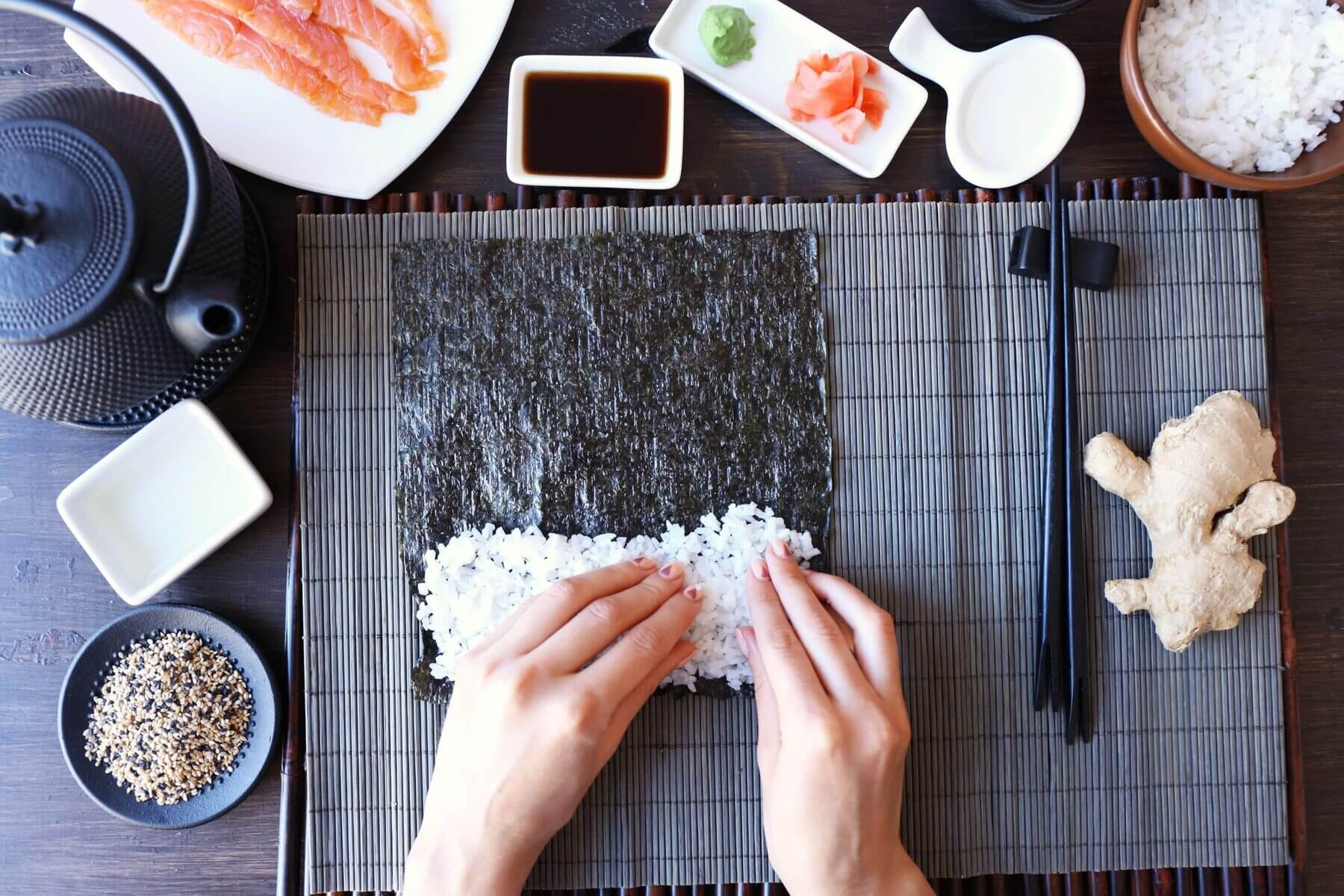

Sushi has long been admired as one of the pinnacles of culinary artistry. Its delicate balance of textures, flavors, and visual appeal makes it a gastronomic delight. Yet, for many home cooks, the thought of recreating restaurant-quality sushi can seem intimidating. Fear not—crafting sushi that rivals your favorite sushi bar is not only possible but also immensely rewarding. With the right ingredients, techniques, and a dash of patience, your kitchen can transform into a sushi haven.
Understanding Sushi: Beyond Rice and Fish
Before diving into the nitty-gritty of sushi preparation, it’s crucial to understand what makes sushi exceptional. Sushi isn’t just raw fish on rice—it’s a carefully orchestrated symphony of flavors, textures, and aesthetics. At its core, sushi relies on three foundational elements:
- Rice (Shari) – The heart of sushi is perfectly seasoned rice. Each grain should be tender yet firm, slightly sticky to hold shape, and lightly sweet and acidic to complement the toppings. Achieving the perfect balance of vinegar, sugar, and salt is essential.
- Fish or Toppings (Neta) – The choice of fish or other toppings can make or break your sushi. Freshness is paramount, and the cut, thickness, and arrangement all contribute to the final presentation and taste.
- Technique (Shokunin Skill) – Sushi is an art form. Every roll, slice, or hand-formed piece demands precise technique, from shaping rice to slicing fish at the perfect angle.
Restaurant chefs spend years mastering these elements, but with guidance, dedication, and attention to detail, home cooks can replicate many of these techniques.
Essential Tools for Home Sushi Success
Creating restaurant-quality sushi at home starts with equipping yourself properly. While a minimalist approach is possible, certain tools can elevate your sushi-making experience:
- Rice Cooker or Heavy-Bottomed Pot: Consistent rice texture is crucial. A rice cooker guarantees even cooking.
- Hangiri (Wooden Rice Bowl): Traditional wooden bowls absorb excess moisture and help cool the rice evenly.
- Sharp Knife (Yanagiba or Santoku): Slicing fish cleanly is essential for texture and presentation.
- Bamboo Rolling Mat (Makisu): For rolling maki or uramaki precisely.
- Tweezers or Small Tongs: For delicate garnishes and plating.
- Rice Paddle (Shamoji): For mixing rice without crushing grains.
Investing in these tools can dramatically improve your sushi at home, making it closer to what you’d expect in a high-end restaurant.
Perfecting Sushi Rice: The Foundation
Rice may seem simple, but its preparation is a science. The wrong texture can ruin an otherwise perfect piece of sushi. Here’s a step-by-step guide to mastering shari:
- Selecting Rice – Use high-quality short-grain Japanese rice. Avoid medium or long-grain varieties—they won’t have the right stickiness.
- Washing and Soaking – Wash the rice until the water runs clear to remove excess starch. Soak for 30–45 minutes before cooking.
- Cooking – Use a rice cooker or stovetop method. For stovetop: 1 cup rice to 1.1 cups water, simmer, then steam.
- Seasoning – Mix rice vinegar, sugar, and salt. Typical ratio: 3 tbsp vinegar, 1.5 tbsp sugar, 1 tsp salt per 2 cups uncooked rice.
- Cooling – Transfer rice to a hangiri, gently fold in seasoning with a cutting motion, and fan to cool. Avoid smashing grains.
Perfect rice should glisten, stick lightly, and hold shape without clumping.
Choosing the Right Fish: Freshness First
Nothing beats high-quality fish. For home sushi, freshness is non-negotiable:
- Sushi-Grade Fish – Look for labels like “sashimi-grade” or “sushi-grade.” It indicates handling standards for raw consumption.
- Popular Choices – Tuna, salmon, yellowtail, eel, and shrimp are classic. Each offers unique flavor and texture.
- Storage – Keep fish cold and consume quickly. Freeze firm fish at -20°C for at least 24 hours if unsure about parasites.

Understanding the cuts matters too. For example, akami (lean tuna) differs from toro (fatty belly) in flavor and texture, so slice according to type.
Mastering Knife Skills
A sushi knife can feel intimidating, but technique is everything:
- Single Stroke – Slice fish in one clean motion, avoiding sawing.
- Angle – Cut at a slight angle for sashimi to increase surface area and enhance tenderness.
- Thickness – Uniform slices ensure even taste and presentation. Standard: 5–8 mm for nigiri, slightly thinner for rolls.
Practice on vegetables before fish if needed. Your knife is your wand; treat it with respect.
Nigiri Sushi: Simplicity Meets Elegance
Nigiri is the simplest form of sushi yet the most revealing of skill. The rice-to-fish ratio is critical:
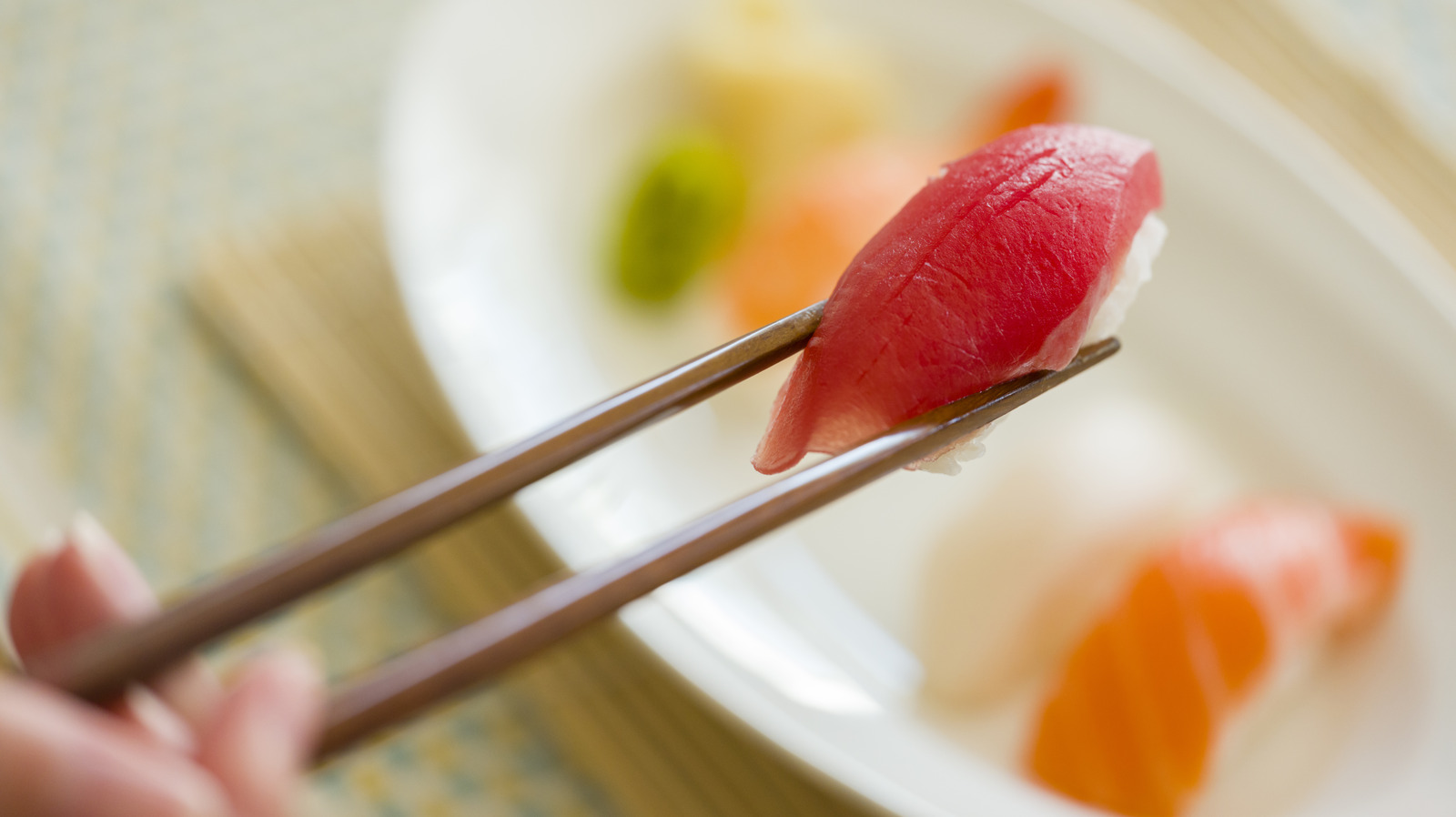
- Forming Rice – Wet hands lightly, take 20–25 g of rice, shape gently into an oblong mound.
- Adding Fish – Place the slice of fish atop rice, press lightly to adhere.
- Optional Garnish – A dab of wasabi between rice and fish, or a thin strip of nori for added flair.
Perfect nigiri has balance—rice and fish complement, not overpower, each other.
Rolls (Maki and Uramaki): Creativity Unleashed
Rolls are the playground of sushi artistry.
- Maki – Seaweed outside, rice inside. Easy for beginners.
- Uramaki – Inside-out roll with rice on the outside. Stickiness and rolling technique are key.
- Filling Ideas – Tuna avocado, spicy salmon, cucumber crab, or tempura shrimp. Keep fillings balanced; overcrowding makes rolling impossible.
- Rolling Tips – Use a bamboo mat, press gently, and roll tightly without crushing ingredients.
Decorative rolls may include sauces, tobiko, or sesame seeds. Presentation matters as much as taste.
Sauces, Garnishes, and Finishing Touches
Restaurant sushi isn’t just about raw fish. Complementary elements elevate your dish:
- Soy Sauce and Wasabi – Classic pair, but brush lightly; fish flavor should shine.
- Ponzu and Spicy Mayo – Adds zing and complexity.
- Pickled Ginger – Cleanses palate between bites.
- Microgreens or Edible Flowers – Add visual sophistication.
- Textural Twists – Crispy tempura bits or roasted sesame seeds enhance experience.
These subtle touches give your home sushi a professional finish.
Common Mistakes to Avoid
Even experienced cooks stumble. Watch out for:
- Overcrowded Rolls – Leads to soggy, uneven sushi.
- Too Much Soy Sauce – Drowns delicate flavors.
- Poor Rice Texture – Mushy or dry rice ruins experience.
- Improper Knife Use – Ragged fish slices compromise presentation.
Learning from mistakes is part of the journey. Patience and practice are essential.
Pairing Sushi with Drinks
Sushi’s subtle flavors deserve thoughtful pairings:
- Sake – Clean, slightly sweet sake complements most fish.
- Green Tea – Light and refreshing; enhances focus on flavors.
- Sparkling Water – Cleanses palate without interference.
- Japanese Beer – Light lager balances fatty fish.
Beverage choice enhances the dining experience without overshadowing delicate flavors.
Presentation: The Final Frontier
Professional sushi isn’t just tasted—it’s seen:
- Plating – Use minimalistic, elegant plates. White or dark contrasts highlight colors.
- Arrangement – Symmetry and spacing create visual appeal.
- Garnish Placement – Strategically position ginger, wasabi, or microgreens.
- Texture Contrast – Play with soft fish, firm rice, and crunchy toppings.
Visual aesthetics elevate your sushi from a meal to an experience.
Practicing at Home: Tips for Success
- Start Small – Begin with nigiri, then progress to rolls.
- Use Fresh Ingredients – Quality makes most difference.
- Practice Knife Skills – Consistency is key.
- Study Restaurant Sushi – Observe cuts, arrangement, and techniques.
- Keep it Fun – Don’t stress perfection; enjoy process.
With time, your sushi will rival restaurant creations both in taste and beauty.
Beyond Fish: Vegetarian and Alternative Sushi
Not all sushi needs raw fish. Creative alternatives expand your home menu:
- Vegetarian – Avocado, cucumber, pickled radish, sweet potato tempura.
- Cooked Proteins – Shrimp, crab, seared tuna, or tamago (sweet omelette).
- Fusion Rolls – Experiment with global flavors while respecting balance.
These options broaden your repertoire and are beginner-friendly.
Storage and Safety
Handling raw fish requires attention:
- Cold Storage – Keep fish at ≤4°C until ready.
- Consume Quickly – Raw sushi is best same-day.
- Clean Work Area – Avoid cross-contamination.
Food safety ensures both flavor and well-being.
Sushi as an Experience
Making sushi at home is more than cooking—it’s an art form, a meditation, and a celebration of flavors. With patience, proper techniques, and high-quality ingredients, your kitchen can transform into a professional sushi bar. Every piece crafted reflects care, skill, and a love of gastronomy.
Home sushi-making allows creative freedom, precise control over ingredients, and the joy of sharing an elegant dining experience with friends and family. You may not have a Michelin star, but with diligence, your sushi can rival restaurant quality in flavor, presentation, and sophistication.
In Conclusion
Yes, you can create restaurant-quality sushi at home. It requires understanding foundational principles, investing in proper tools, sourcing top-notch ingredients, and practicing precise techniques. From perfect rice to artful plating, every detail contributes to the overall experience. Over time, with curiosity and persistence, your sushi will delight both eyes and taste buds, elevating your home dining to professional levels.