





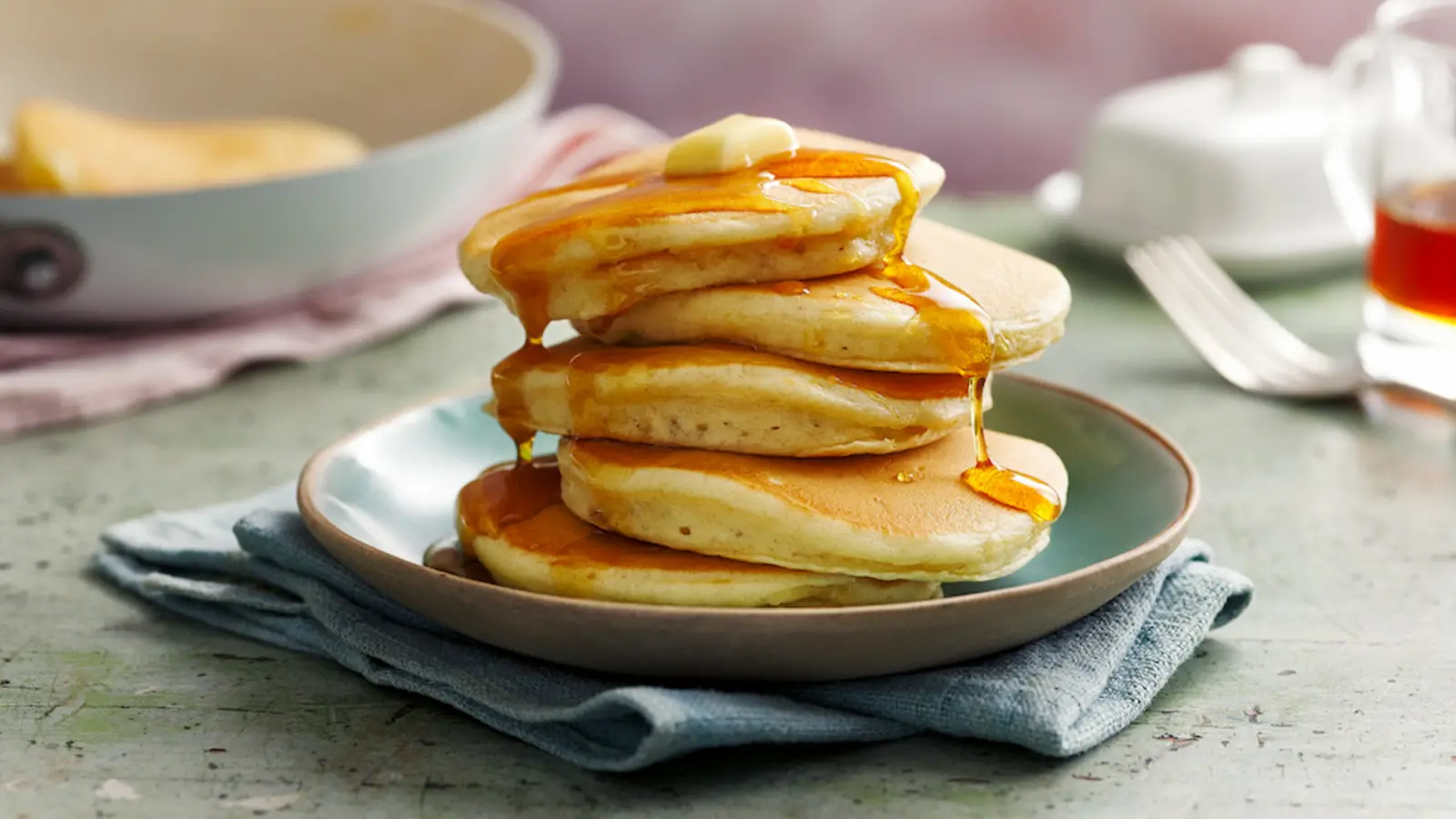

Pancakes. They evoke memories of cozy weekend mornings, the soft aroma of butter melting on a hot griddle, and the gentle drizzle of maple syrup that makes everything feel indulgent yet comforting. But despite their universal appeal, achieving that elusive perfect pancake—golden brown, fluffy, tender yet slightly chewy—remains a culinary mystery for many. Some swear by the griddle, some by the flipping technique, and others by the secret ingredients whispered across generations. Yet, increasingly, the spotlight is shifting away from the cooking surface and the flipping method and zeroing in on the batter itself. Could it be that the secret to perfect pancakes is hiding right in your mixing bowl?
In this deep dive, we will dissect pancake batter like a chemist analyzing a rare compound. We will explore its ingredients, textures, chemical interactions, and even the subtle artistry behind mixing and resting. From flour selection to fat incorporation, leavening precision to liquid ratios, by the end of this exploration, you may realize that your next perfect pancake isn’t about flipping with flair—it’s about respecting the science, art, and timing of the batter.
Understanding the Foundation: Ingredients Matter
Every great structure begins with a solid foundation, and pancakes are no exception. At first glance, pancake ingredients seem deceptively simple: flour, eggs, milk, fat, and a leavening agent. But as any seasoned baker knows, simplicity can be deceptive. Each component interacts in precise ways, contributing not just flavor but texture, color, and mouthfeel.
Flour: More than Just Bulk
Flour is the backbone of your batter, and its type can make or break your pancakes. All-purpose flour is the most common choice, offering moderate protein content that provides structure without excessive chewiness. But adventurous bakers might explore alternatives—bread flour for a more substantial chew, cake flour for a lighter, airier result, or even whole grain flours for nuttiness and added texture.
The protein in flour interacts with liquids to form gluten, a network that gives structure. In pancakes, you want just enough gluten to hold the pancake together without making it tough. Overmixing flour develops gluten aggressively, which is why many recipes caution against “overworking” the batter. In other words, the flour is a delicate balancing act: too little structure, and pancakes collapse; too much, and they resemble dense flatbreads rather than tender clouds.
Eggs: Tiny Powerhouses
Eggs do much more than bind ingredients—they also provide emulsification, moisture, richness, and structure. The proteins in eggs coagulate when heated, helping the pancake hold its shape while trapping air to enhance fluffiness. Additionally, the fat in the yolk contributes to tenderness and flavor.
Interestingly, separating eggs and whipping whites into a soft foam before folding them into the batter can dramatically increase the fluff factor. This is a technique borrowed from classic soufflés and is a testament to the power of aeration in pancake science.
Milk and Other Liquids: The Solvent Symphony
Milk is a common choice for pancakes, but liquids do more than moisten. They dissolve sugar, hydrate flour proteins, and control the batter’s viscosity. Whole milk adds richness, while low-fat milk produces slightly less tender pancakes. Non-dairy alternatives, from almond milk to oat milk, introduce subtle flavor variations and slightly different textural outcomes.
Acidity in liquids, such as buttermilk, reacts with leavening agents like baking soda to produce carbon dioxide bubbles, which lift the batter. This is why buttermilk pancakes often achieve a more tender, tangy result—science and flavor working hand-in-hand.
Fat: Tenderness and Flavor
Butter, oil, or other fats are essential to pancake batter. Fats coat flour proteins, limiting gluten development and resulting in softer pancakes. They also enhance flavor and promote browning through the Maillard reaction, that magical process that transforms proteins and sugars into golden, savory crusts.

The timing of fat incorporation matters. Melted butter mixed into the batter ensures even distribution and tenderness, whereas brushing the pan with butter or oil prevents sticking and adds a subtle caramelized flavor.
Leavening Agents: The Rise and Shine
Baking powder and baking soda are the heroes behind pancake height and airiness. Baking powder is a complete leavening agent, while baking soda requires an acid (like buttermilk) to activate. Correct measurement is critical—too little and the pancake won’t rise, too much and it may taste metallic or collapse mid-cook.
Temperature also plays a role. Leavening agents release gases at specific heat points. Batter sitting too long may lose its lift, while batter cooked immediately often produces taller, airier pancakes.
Mixing Magic: The Science of Batter Handling
Once ingredients are chosen, mixing becomes the next decisive step. Many cooks follow a simple rule: “Combine wet and dry ingredients separately, then mix gently.” But the real magic lies in understanding why.
Why Gentle Mixing Matters
Overmixing is the arch-nemesis of tender pancakes. Stirring aggressively activates gluten excessively, creating dense, rubbery textures. Conversely, undermixing leaves pockets of dry flour and uneven distribution of leavening agents. The goal is to achieve a batter that is homogenous yet still slightly lumpy—a visual cue that gluten is minimally developed while ingredients are fully hydrated.
Resting the Batter: The Hidden Trick
Some pancake enthusiasts skip this step, but letting the batter rest for 10 to 30 minutes can dramatically improve texture. Resting allows flour to fully hydrate, gluten strands to relax, and air bubbles to stabilize. The result is pancakes that are tender, uniformly risen, and less prone to tearing during flipping.
Temperature Tactics: Cooking for Success
Even the most meticulously prepared batter can fail if the pan temperature is off. Too hot, and the exterior burns before the interior cooks; too cool, and pancakes become grayish, flat, and dense.
Optimal griddle temperature usually hovers around 375°F (190°C). A simple test is to sprinkle a few drops of water on the pan—they should dance and evaporate quickly without burning. Preheating and maintaining consistent heat ensures pancakes cook evenly, forming a golden-brown crust while keeping the inside soft and fluffy.
Advanced Techniques for Flawless Batter
Beyond basic mixing, some subtle techniques elevate pancake batter from ordinary to extraordinary.
Folding and Aeration
:max_bytes(150000):strip_icc()/__opt__aboutcom__coeus__resources__content_migration__simply_recipes__uploads__2018__04__Buttermilk-Pancakes-METHOD-5-d773b951e9c54a38b5f4f904da025a7e.jpg)
As mentioned, folding whipped egg whites into the batter adds airiness. This technique is delicate: folding, not stirring, preserves the foam. The result is pancakes that are visibly higher, with a cloud-like texture reminiscent of Japanese soufflé pancakes.
Sifting Dry Ingredients
Sifting flour, sugar, and leavening agents aerates the mixture, removes lumps, and ensures uniform distribution. Even though it may feel fussy, sifting contributes to a lighter, more consistent batter.
Temperature of Ingredients
Room temperature eggs and milk integrate more smoothly with flour and fat, reducing the risk of curdling or uneven texture. Cold ingredients shock the batter, sometimes leading to streaks of unmixed flour or uneven cooking.
Flavor Infusions: Beyond the Basics
While batter texture is crucial, flavor cannot be ignored. Subtle adjustments can turn a humble pancake into a memorable culinary experience.
- Vanilla Extract: Adds warmth and aromatic complexity.
- Citrus Zest: Lemon or orange zest brightens the flavor.
- Spices: Cinnamon, nutmeg, or cardamom create a cozy, seasonal twist.
- Sweet Add-ins: Chocolate chips, blueberries, or diced apples introduce pockets of sweetness and texture variation.
Even small tweaks in batter composition can profoundly influence taste without compromising structure.
Common Mistakes and How Batter Saves the Day
Many pancake failures are blamed on the griddle, but often the problem lies in the batter:
- Dense Pancakes: Overmixed flour or too little leavening. Solution: Mix gently, fold air into egg whites, check leavening ratios.
- Flat Pancakes: Batter too thin or leavening expired. Solution: Slightly thicken batter, use fresh baking powder.
- Uneven Cooking: Batter inconsistent or pan temperature fluctuates. Solution: Stir gently before scooping, preheat griddle properly.
- Tough Pancakes: Overdeveloped gluten or cold ingredients. Solution: Rest batter, use room temperature liquids, and fold instead of stirring aggressively.
Understanding your batter means you can anticipate and correct issues before they reach the griddle.
Experimental Pancakes: Pushing Batter Boundaries
Modern culinary creativity has expanded pancake possibilities. From protein-enriched batters to gluten-free or vegan alternatives, batter is now a playground for experimentation. Each variant teaches us something about the science of pancakes:
- Gluten-Free Batters: Rely on alternative flours and often incorporate xanthan gum or chia seeds for structure.
- Vegan Batters: Use plant-based milk, aquafaba, or flax eggs, challenging the traditional role of eggs in structure and aeration.
- Protein Pancakes: Include whey or plant protein powders, which require careful hydration and gentle mixing to avoid toughness.
These innovations reinforce the central thesis: the batter, more than the pan or technique, determines the pancake’s success.
The Batter as Art
Ultimately, pancake batter is both science and art. It is a living mixture, responsive to ingredients, temperature, and handling. Mastery comes not from rigid rules but from observation, intuition, and a willingness to experiment. The perfect pancake is less about following a formula and more about understanding the dance between flour, eggs, liquid, fat, and air.
A skilled baker watches the batter, noting its thickness, gloss, and bubbles. They adjust ratios like a painter adjusting pigments, achieving a balance of flavor, texture, and height. In this sense, batter is not merely a precursor to pancakes—it is the canvas itself.
Conclusion: Batter is the Silent Hero
When seeking the key to perfect pancakes, the answer lies not in flashy flipping techniques or exotic griddles but in the humble batter. Flour choice, fat incorporation, leavening accuracy, gentle mixing, and proper resting collectively dictate the pancake’s rise, texture, and taste. Batter is a delicate ecosystem, where tiny adjustments ripple outward, producing pancakes that are tender, airy, flavorful, and visually golden.
So, the next time you prepare pancakes, pause at the mixing bowl. Study the batter, understand its needs, respect the science, and trust the process. In mastering the batter, you unlock the gateway to pancake perfection—proof that culinary excellence often begins in the simplest of places.