





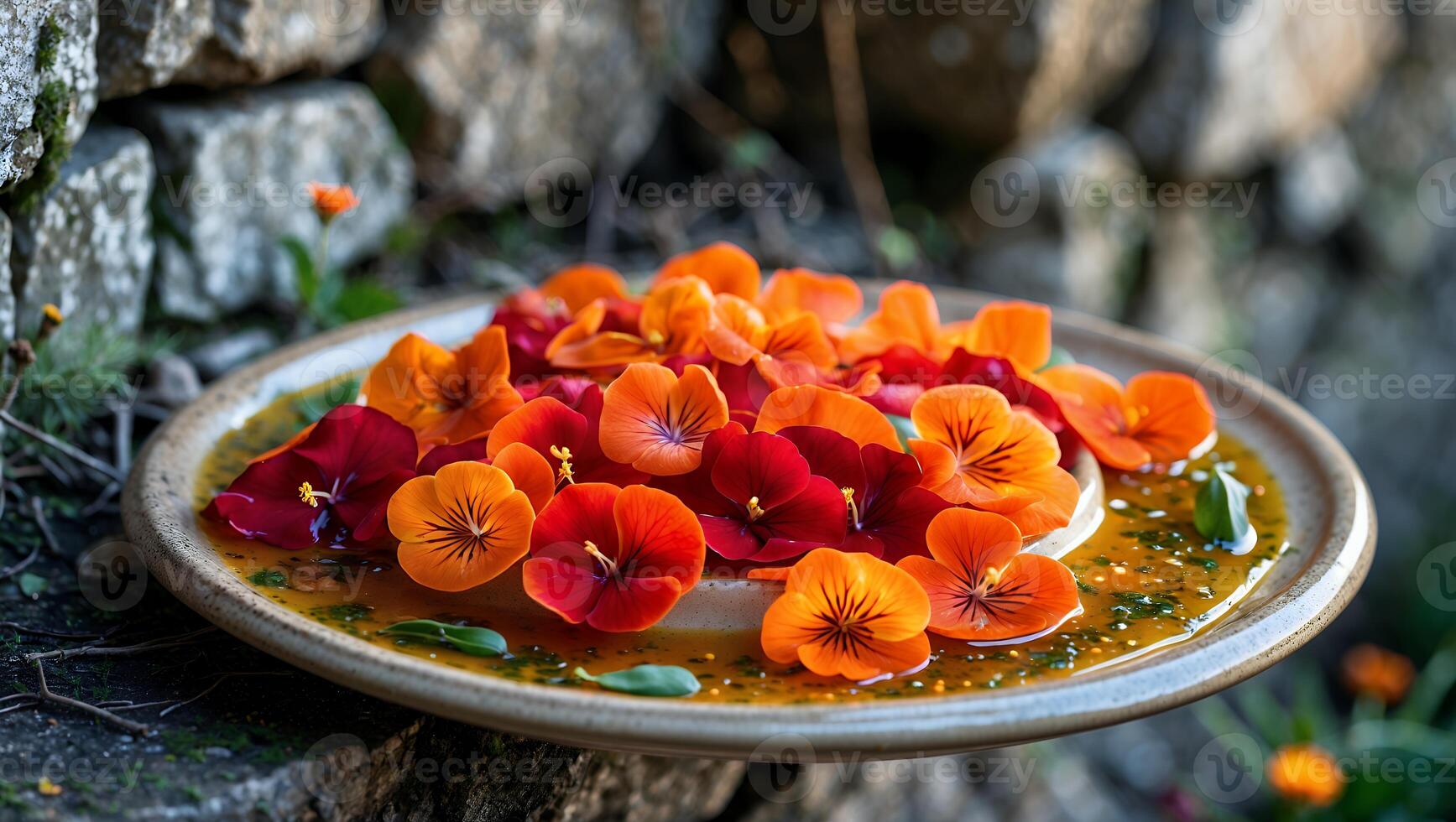

Cooking with edible flowers is not just a trend; it’s a delicate art form that transforms ordinary dishes into visually stunning, aromatic experiences. For centuries, flowers have graced the tables of nobility and the kitchens of seasoned chefs, but in recent years, they’ve blossomed into a culinary movement that emphasizes flavor, texture, and beauty. From subtle floral notes in teas to bold statements in salads and desserts, edible flowers are a versatile tool that invites both creativity and precision in the kitchen.
The Fascinating World of Edible Flowers
Edible flowers are exactly what they sound like: blossoms that can be safely consumed, either raw or cooked. However, not all flowers are edible. Some carry toxic compounds that can be harmful if ingested, which is why understanding their characteristics, preparation methods, and pairings is crucial.
Flowers such as nasturtiums, violets, and marigolds have peppery, citrusy, or slightly bitter flavors that can elevate the simplest of dishes. Meanwhile, roses, lavender, and chamomile provide subtle sweetness or aromatic complexity, perfect for infusions, syrups, and desserts. Understanding their flavor profiles allows cooks to balance taste, texture, and aroma harmoniously.
Safety First: Identifying Edible Flowers
Before diving into cooking, it’s vital to ensure that the flowers you use are indeed edible. Wildflowers and garden plants can be tempting, but without proper knowledge, they can pose health risks. Only purchase flowers from trusted sources such as specialty food markets or growers that clearly label their blooms as edible. Avoid flowers treated with pesticides or chemicals, as these residues can be toxic. Additionally, some edible flowers may trigger allergic reactions in sensitive individuals, so start with small amounts if trying a new flower.
Culinary Uses of Edible Flowers
Edible flowers are remarkably versatile. Here’s a breakdown of common applications:
1. Salads and Garnishes
Adding flowers to salads instantly elevates presentation and introduces new flavors. Nasturtium leaves and blooms bring a peppery note, while pansies add subtle sweetness. Flowers like borage or calendula petals can provide bursts of color and a hint of cucumber or citrus flavor. Pairing the right flower with fresh greens, nuts, and cheeses creates a harmonious visual and taste experience.
2. Infusions and Beverages
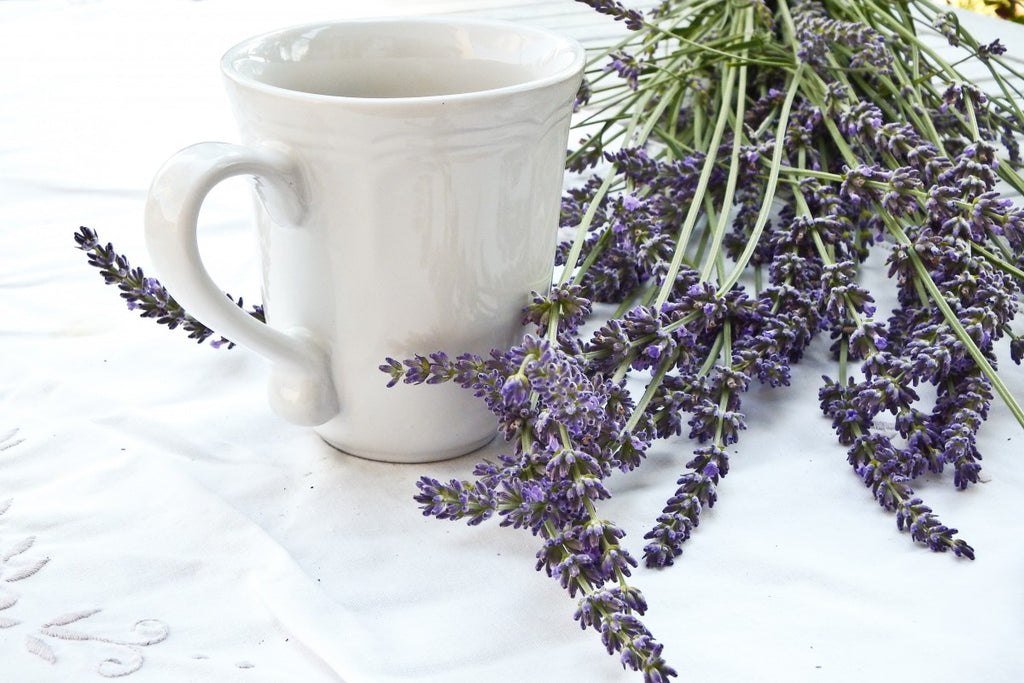
Many edible flowers release aromatic compounds when steeped or soaked. Lavender, chamomile, hibiscus, and elderflower are excellent for teas, cocktails, and homemade lemonades. They can be infused into simple syrups, creating fragrant and flavorful bases for drinks. Hibiscus, in particular, produces a deep crimson hue that adds both aesthetic appeal and tangy flavor to beverages.
3. Baking and Confectionery
Flowers can be candied, crystallized, or incorporated directly into baked goods. Rose petals, violets, and marigolds are popular in desserts like cakes, tarts, and macarons. Candied flowers serve as both decoration and edible treat, providing a delicate crunch and subtle floral sweetness. Baking with flowers requires careful timing; excessive heat may cause them to lose color and aroma, so they are often added towards the end of cooking or used as a garnish.
4. Savory Dishes
While flowers are often associated with desserts, they can also enhance savory dishes. Squash blossoms stuffed with cheese, chive blossoms sprinkled over pasta, and elderflowers incorporated into sauces demonstrate how flowers can complement flavors in unexpected ways. Chefs often experiment with floral oils or infusions to add nuanced aromatic layers to proteins, vegetables, and grains.

Flavor Pairing and Balance
Understanding how to pair flowers with other ingredients is essential for creating a balanced dish. Floral notes are often delicate, so they work best with ingredients that do not overpower them. For example:
- Lavender pairs beautifully with honey, lemon, or goat cheese.
- Nasturtium complements tangy cheeses, tomatoes, and light vinaigrettes.
- Rose pairs well with strawberries, pistachios, and chocolate.
- Chamomile enhances creamy desserts, custards, and fruit salads.
A successful floral dish achieves harmony between visual appeal, aroma, and taste. Too many flowers or overly strong floral flavors can dominate, while the right proportion elevates the entire culinary experience.
Techniques for Cooking with Edible Flowers
1. Fresh Usage
Using flowers fresh maintains their natural color, texture, and aroma. They are ideal for salads, cold drinks, or as finishing touches. Gently rinse them under cold water to remove dust or insects, and pat dry with a soft cloth. Handle delicate petals with care to avoid bruising.
2. Infusions and Extracts
Steeping flowers in liquids like water, milk, or oil extracts their flavors. For instance, lavender-infused cream can be used in desserts, while rose water enhances Middle Eastern pastries. Infusions allow for consistent flavor distribution throughout a dish, making them invaluable for baking and beverages.
3. Candied or Crystallized Flowers
Coating flowers with sugar not only preserves them but also provides a decorative element. Candied petals can be stored for months, maintaining their color and flavor. The process requires brushing petals with egg white and sprinkling with superfine sugar, followed by drying until crisp. This technique works well for roses, violets, and pansies.
4. Cooking with Heat
Some flowers withstand gentle cooking and can be added to soups, sauces, or baked dishes. However, high heat often destroys delicate flavors and colors. Edible flowers like squash blossoms and chive blossoms can handle light sautéing or baking, but most petals are best added at the final stage.
Seasonal Availability and Growing Your Own
Seasonality affects both flavor and availability. Spring and summer are the peak times for most edible flowers, though some like pansies and calendula can thrive in cooler months. Growing your own edible flowers ensures freshness and quality. Popular edible flowers to grow include:
- Nasturtium: Easy to grow and highly versatile.
- Calendula: Vibrant petals, slightly tangy taste.
- Borage: Cucumber-like flavor, perfect for drinks.
- Lavender: Aromatic and ideal for infusions.
Home gardening allows chefs and hobbyists to experiment with less common flowers while guaranteeing chemical-free blooms.
Storage and Preservation
Fresh flowers are delicate and require careful handling. Store them in a cool environment, ideally wrapped in damp paper towels inside a sealed container. Use them within a few days for optimal flavor and appearance. Freezing flowers in ice cubes or making flower syrups are excellent ways to preserve seasonal blooms for later use. Candied flowers are another long-term preservation method, ideal for decorating desserts months after harvest.
Cultural and Historical Context
Cooking with flowers is far from a modern invention. Ancient civilizations, including the Romans and Chinese, incorporated edible blooms into meals for flavor, color, and medicinal properties. In European royal courts, flowers were common in soups, desserts, and garnishes. Today, chefs draw inspiration from these traditions while integrating modern culinary techniques, creating a bridge between history and innovation.
Common Mistakes and How to Avoid Them
- Overpowering the Dish: Using too many flowers can overwhelm flavors. Start small and taste as you go.
- Ignoring Toxicity: Never assume a flower is edible. Research before consumption.
- Poor Storage: Flowers lose vibrancy quickly; improper storage affects both flavor and aesthetics.
- Incorrect Pairings: Match flowers with ingredients that complement rather than clash with their flavors.
Avoiding these mistakes ensures a safe, flavorful, and visually appealing culinary result.
The Science Behind Flower Flavors
The taste of flowers comes from complex chemical compounds including terpenes, flavonoids, and phenolic acids. Terpenes contribute aromatic qualities, while flavonoids influence both taste and color. Understanding these compounds allows chefs to anticipate how flowers interact with heat, acidity, and other ingredients, resulting in dishes that are both flavorful and beautiful.
Modern Culinary Applications
Edible flowers have become a signature element in fine dining and experimental cuisine. Chefs use them in innovative ways, such as:
- Flower-infused oils and vinegars for dressings
- Floral powders for seasoning
- Edible petals frozen into ice creams or cocktails
- Aromatic foams and gels with flower extracts
These techniques showcase flowers’ versatility and elevate dishes beyond the ordinary.
Flower-Forward Pairings in Practice
Consider a few practical examples:
- Nasturtium & Goat Cheese Salad: Peppery blooms contrast creamy cheese with a citrus vinaigrette.
- Lavender Shortbread: Aromatic lavender petals subtly enhance buttery cookies without overwhelming.
- Squash Blossom Risotto: Delicate petals mixed with creamy risotto provide color and a gentle vegetal note.
- Hibiscus Tea & Citrus Sorbet: Bright hibiscus flavor balances tangy lemon, creating a refreshing dessert.
Experimenting with such combinations encourages creativity and deepens understanding of flavor balance.
Tips for Beginners
- Start with mild flowers like pansies, violets, or nasturtiums.
- Use flowers as accents, not main ingredients.
- Taste as you go; flavors vary by variety and season.
- Document experiments—note combinations, quantities, and effects.
Gradually, you can explore bolder, more aromatic flowers and integrate them confidently into complex dishes.
Sustainability and Ethical Considerations
Using edible flowers encourages sustainable practices when sourced responsibly. Growing your own reduces reliance on commercial production and pesticides. Additionally, repurposing blooms from gardens, restaurants, or seasonal markets ensures minimal waste. Flowers’ short shelf life promotes mindful consumption and creativity, aligning with contemporary values of sustainability and eco-conscious cooking.
Conclusion: A Culinary Bloom
Cooking with edible flowers is more than decoration; it’s an immersive experience engaging sight, smell, and taste. Whether you’re a home cook experimenting in your kitchen or a professional chef pushing the boundaries of gastronomy, edible flowers offer endless possibilities. They demand patience, precision, and imagination, yet reward with vibrant colors, complex flavors, and a touch of elegance that transforms ordinary dishes into extraordinary ones.
Flowers invite us to rethink the way we approach food—blurring the line between art and cuisine. The next time you encounter a fresh bloom, consider the possibilities it holds: a salad that glows with color, a dessert infused with fragrance, or a drink that delights both the eye and the palate. Cooking with flowers is a celebration of nature, flavor, and creativity—a practice that turns every meal into a canvas, and every bite into a memorable experience.