





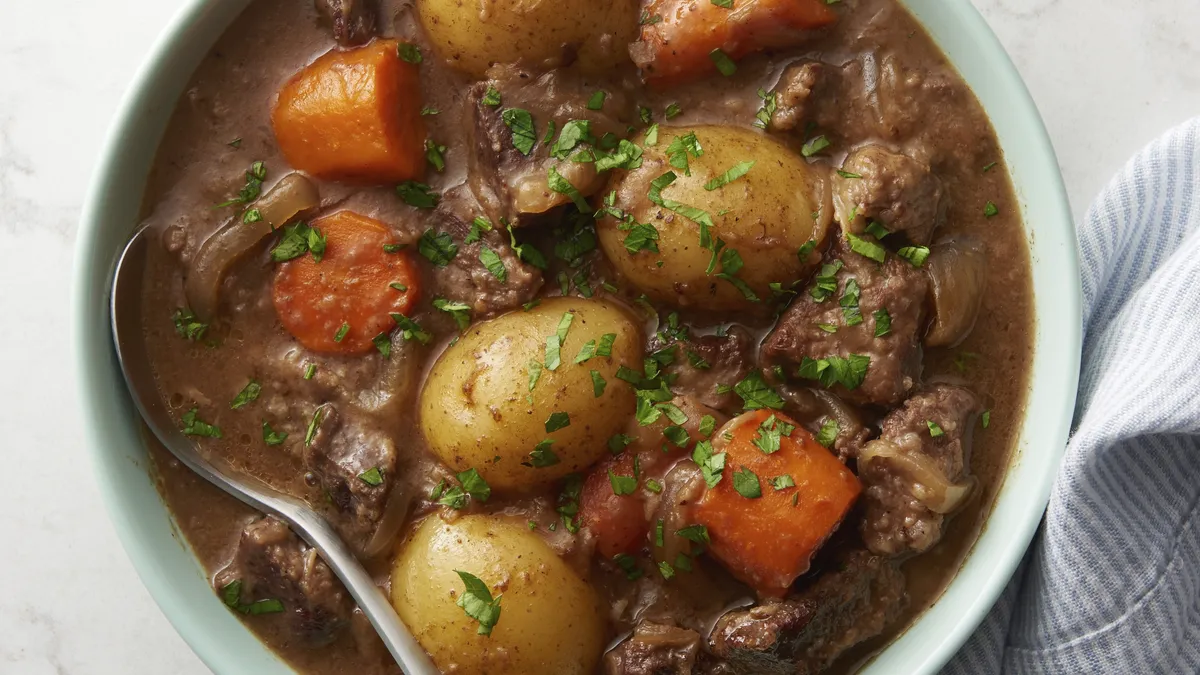

There’s something deeply comforting about a pot of stew simmering on the stove or tucked away in a slow cooker, releasing layers of flavors that seem impossible to achieve with a quick meal. Slow cooking isn’t just convenient—it transforms ordinary ingredients into culinary masterpieces. But why exactly is slow cooking better for your stews? To understand, we need to explore the science, history, and culinary art behind this time-honored method.
1. The Science of Slow Cooking
At its core, slow cooking is about controlled heat over an extended period. Unlike high-heat methods that quickly cook food, slow cooking relies on gentle warmth. This low-and-slow approach affects the chemical and physical structure of your ingredients in several ways:
1.1 Collagen Breakdown
Tough cuts of meat contain collagen, a connective tissue that can make meat chewy if not cooked properly. Slow cooking gradually converts collagen into gelatin, giving your stew a silky, luscious texture that feels luxurious on the tongue. This process can’t be rushed; high heat often toughens the meat fibers instead of tenderizing them.
1.2 Flavor Extraction
Vegetables, herbs, and spices release their aromatic compounds more effectively during slow cooking. Water-soluble compounds seep into the cooking liquid, while fat-soluble flavors mingle evenly, resulting in a stew that tastes harmonized rather than fragmented.
1.3 Maillard Reaction vs. Gentle Steaming
While quick searing of meat triggers the Maillard reaction—a browning process that adds complexity—slow cooking allows you to combine initial browning with gentle simmering. The result is a stew that carries depth without sacrificing tenderness.
2. Historical Perspective
Slow cooking isn’t a modern luxury—it’s been around for thousands of years. Ancient civilizations often used ceramic pots buried in embers or slow-roasting methods to make tougher cuts edible and flavorful.
- Ancient Romans simmered meat and vegetables for hours in earthenware, using wine and herbs to enrich the flavor.
- Chinese clay pot stews are a centuries-old tradition that emphasizes balanced flavors and nutritional retention.
- Indigenous communities across Africa and the Americas relied on slow-cooked stews to make the most of seasonal or limited ingredients.
These historical methods highlight a universal truth: slow cooking turns basic ingredients into dishes that feel celebratory, all without requiring extravagant techniques.
3. Nutritional Advantages of Slow Cooking
Many people think faster cooking preserves nutrients, but slow cooking has unique advantages:
3.1 Retention of Water-Soluble Vitamins
Because slow cooking involves lower temperatures over longer periods, delicate water-soluble vitamins like vitamin C are preserved more effectively than in high-heat methods that cause rapid breakdown.
3.2 Improved Digestibility
The prolonged cooking process pre-digests complex proteins and starches, making them easier for your body to absorb. This is particularly beneficial for legumes, root vegetables, and whole grains commonly used in stews.
3.3 Enhanced Mineral Availability
Minerals such as potassium, magnesium, and calcium leach from ingredients into the cooking liquid, making the broth nutritionally rich. A well-prepared slow-cooked stew can be a true nutritional powerhouse.
4. Flavor Development: A Symphony in a Pot
Think of slow cooking as an orchestra where every ingredient has its part. Here’s how the flavor journey unfolds:
4.1 Layering Flavors
Adding ingredients at different stages allows you to layer flavors. Root vegetables can go in first to release their natural sugars, while delicate herbs are added later to preserve aromatic brightness.
4.2 Umami Concentration
Slow cooking naturally concentrates umami, the savory flavor found in meats, mushrooms, and fermented ingredients. As water evaporates slowly, flavors intensify, creating a deeply satisfying taste profile.
4.3 Flavor Harmony
Unlike rapid cooking, which can leave flavors disjointed, slow cooking allows acids, fats, and sugars to meld. A slow-cooked stew doesn’t taste like a collection of separate ingredients—it tastes like a unified, carefully orchestrated dish.
5. The Role of Temperature
Understanding temperature is key to mastering slow cooking:
- Low (160–180°F / 70–80°C): Ideal for delicate vegetables and long-simmered broths. Retains nutrients and prevents overcooking.
- Medium (180–200°F / 80–95°C): Perfect for tougher meats that need collagen breakdown.
- High (200–212°F / 95–100°C): Can be used initially for browning or quick searing before switching to low heat.
Unlike conventional boiling, slow cooking keeps the internal temperature steady, preventing protein toughening or flavor loss.
6. Practical Benefits
6.1 Convenience
Drop-and-forget cooking is a reality with slow cookers or low-heat stovetop methods. You can prepare ingredients in the morning and return home to a fully cooked, aromatic stew.
6.2 Energy Efficiency
Slow cooking often uses less energy than repeated reheating or high-heat ovens. A single pot simmering slowly for hours can consume far less electricity than multiple high-heat cooking sessions.
6.3 Versatility
Almost any ingredient can join a slow-cooked stew—meats, fish, legumes, root vegetables, grains, herbs, and spices. This versatility allows for creative experimentation while guaranteeing consistent results.
7. Common Ingredients and Their Behavior in Slow Cooking
7.1 Meat
Beef chuck, pork shoulder, lamb shank, or chicken thighs all benefit from prolonged cooking. Slow heat softens connective tissue, making them tender while locking in moisture.
7.2 Vegetables
Carrots, potatoes, parsnips, and onions release their natural sugars gradually, balancing savory flavors. Delicate vegetables like zucchini or bell peppers should be added later to avoid mushiness.
7.3 Legumes and Grains
Beans, lentils, and barley absorb flavors deeply and become creamy without splitting if introduced early.
7.4 Herbs and Spices
Robust herbs (rosemary, thyme, bay leaves) thrive in long cooking, while soft herbs (parsley, basil) should be sprinkled at the end to preserve aroma. Spices like cinnamon, paprika, or cumin bloom beautifully over hours, providing a deep flavor foundation.
8. Texture and Mouthfeel
Texture is as important as taste in a perfect stew. Slow cooking achieves:
- Velvety broths: Gelatin from meats thickens the liquid naturally.
- Tender vegetables: Slowly simmered root vegetables remain intact but soft.
- Mouth-coating richness: The stew feels luxurious without heavy creams or thickeners.
High-heat methods often compromise this balance, leaving some ingredients overcooked while others remain tough.
9. Common Mistakes in Slow Cooking Stews
Even slow cooking has pitfalls. Avoid these mistakes:
- Overcrowding the pot: Reduces even heat distribution.
- Skipping initial browning: While optional, browning adds extra flavor.
- Adding delicate herbs too early: Can cause loss of aroma and bitterness.
- Lifting the lid constantly: Each lift loses heat and moisture, slowing cooking.
- Ignoring seasoning adjustments: Slow cooking can mellow flavors; adjust salt, acidity, and spice at the end.
10. Innovative Slow Cooking Techniques
Modern culinary methods have enhanced traditional slow cooking:
- Sous-vide style stews: Using precision-controlled water baths for exact temperatures.
- Slow roasting in ceramic or cast iron: Retains moisture while developing caramelized flavors.
- Combination cooking: Sear meat, deglaze with wine or broth, then slow-cook for layers of flavor.
These techniques highlight that slow cooking is both an art and a science—flexible enough for innovation while rooted in time-tested principles.
11. Cultural Variations in Slow-Cooked Stews
Almost every culture has its version of a slow-cooked stew:
- French Boeuf Bourguignon: Beef braised with wine and aromatics for hours.
- Moroccan Tagine: A blend of meat, vegetables, and spices slow-cooked in a conical clay pot.
- Japanese Nikujaga: Tender meat and potatoes simmered with soy, sugar, and mirin.
- Mexican Pozole: Hominy and meat slow-cooked with chili and herbs.
The consistent theme? Time transforms simple ingredients into dishes that are comforting, rich, and satisfying.
12. Psychological and Sensory Satisfaction
Beyond science and nutrition, slow cooking engages the senses and mind:
- Aromatic anticipation: The smell of a stew simmering for hours triggers appetite and comfort.
- Visual appeal: Deeply colored broths and tender vegetables are visually inviting.
- Textural delight: Each bite offers a balance of soft, tender, and slightly firm textures.
Cooking slowly is almost meditative—a culinary experience that rewards patience.
13. Tips for Perfect Slow-Cooked Stews
- Choose meat with connective tissue for maximum tenderness.
- Use seasonal vegetables to enhance natural sweetness.
- Layer flavors by timing the addition of ingredients.
- Skim excess fat for clarity, or leave some for richness.
- Adjust seasoning at the end, not the start.
- Experiment with acids like vinegar, wine, or citrus for brightness.
14. Environmental and Lifestyle Benefits
- Waste reduction: Tough cuts, older vegetables, and dried legumes become delicious, minimizing kitchen waste.
- Meal planning: Slow-cooked stews allow batch cooking, freeing up time and reducing daily stress.
- Sustainability: Energy-efficient cooking and use of locally sourced ingredients reduce environmental impact.
15. Slow Cooking vs. Pressure Cooking
Pressure cooking offers speed, but slow cooking offers depth. Pressure cookers can mimic slow-cooked textures, but subtle flavor harmonies and textural contrasts often require true low-and-slow methods. There’s a reason chefs still swear by hours of gentle simmering for classic stews.
16. Science Meets Art: The Perfect Stew Formula
Combining knowledge with intuition:
- Time: 3–8 hours depending on ingredients.
- Temperature: Low heat to unlock collagen and aromatics.
- Layering: Sequence ingredients for texture and flavor.
- Seasoning: Adjust gradually, finish boldly.
- Observation: Visual cues and aromas guide perfection more than a timer alone.
The beauty of slow cooking lies in this balance of control and surrender—the science ensures results, the art ensures soul.
17. Final Thoughts
Slow cooking isn’t just a method—it’s a philosophy. It celebrates patience, precision, and transformation. Stews cooked slowly are richer, more tender, more flavorful, and nutritionally superior to their quick-cooked counterparts. The process connects us to culinary history, to science, and to a deep sense of satisfaction that comes from creating something extraordinary from simple ingredients.
The next time you see a slow cooker or a simmering pot on the stove, remember: patience is your secret ingredient. Time, gentle heat, and care are what make a stew unforgettable.