





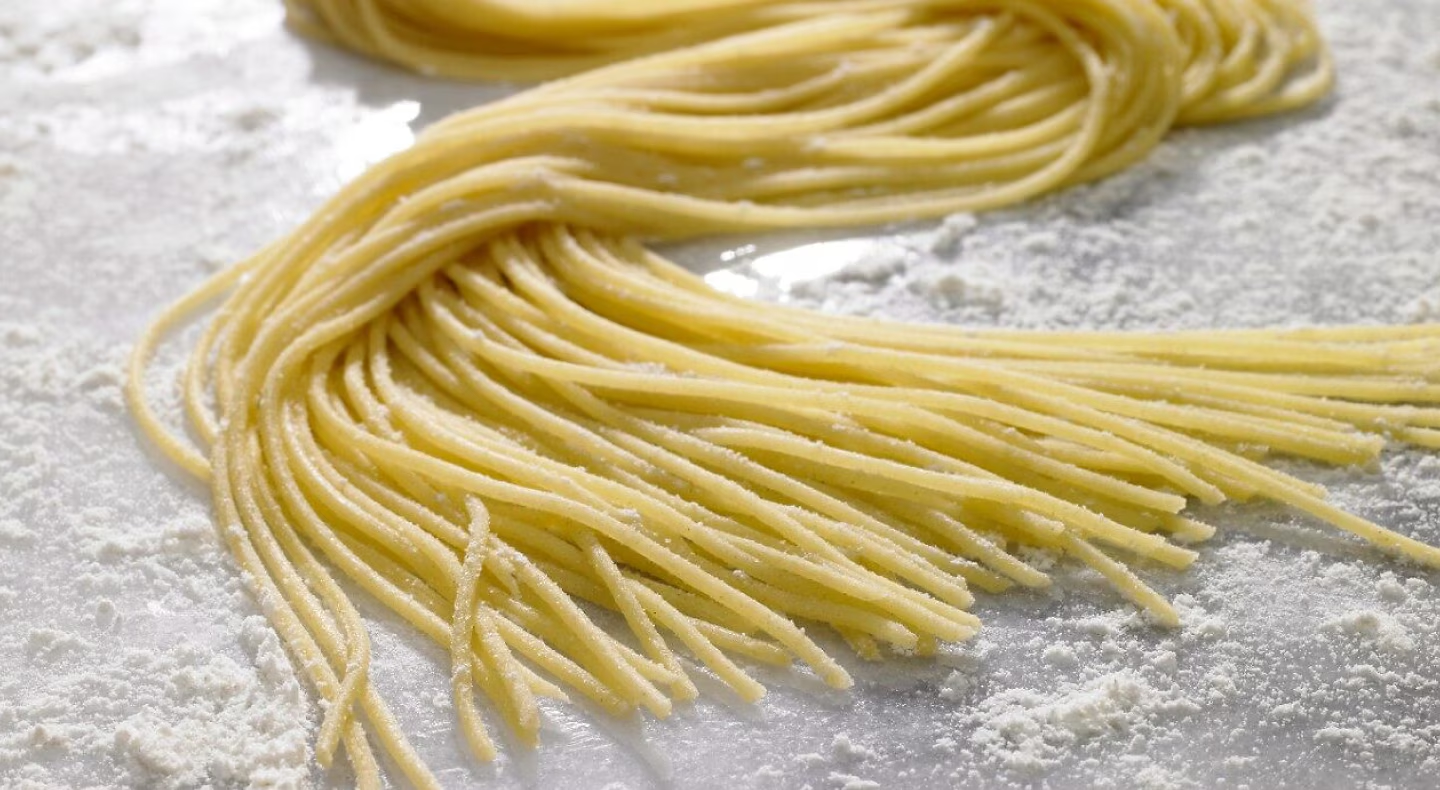

Pasta is a culinary staple that graces tables around the world. Yet, one of the most frustrating experiences for home cooks is pulling a pot of freshly cooked pasta from the stove, only to find that it has clumped together into a sticky mass. Understanding why this happens and learning how to prevent it can transform your pasta-making experience from a stressful mess to a smooth, professional-feeling kitchen triumph. In this guide, we will explore the science behind pasta stickiness, common mistakes, practical solutions, and pro tips to keep every strand or shell perfectly separate and ready to absorb your favorite sauces.
The Science of Pasta
To understand why pasta sticks together, it helps to know what pasta is made of. Most traditional pasta consists of durum wheat semolina and water. Some varieties also include eggs, which change the texture and protein structure. The key element in pasta stickiness is starch.
When dry pasta hits boiling water, the starch granules absorb water, swell, and soften. During cooking, some starch leaches into the water. If too much starch is released and the pasta isn’t properly separated, those sticky molecules act like glue, causing strands or shapes to clump together.
Egg pasta adds another layer: the protein in eggs can make pasta more delicate and more prone to sticking if overcooked or improperly handled.
Common Reasons Pasta Sticks
- Insufficient Water
Pasta needs plenty of water to move freely. Crowding a small pot creates friction, which encourages sticking. Think of it like trying to do a ballet in a tiny closet—it just won’t work. - Not Stirring Enough
Pasta needs movement. Stirring during the first few minutes of cooking helps separate strands and distributes starch evenly. Many cooks underestimate this crucial step. - Overcooking Pasta
When pasta cooks beyond “al dente,” it releases more starch, and its surface becomes sticky. Overcooked pasta also loses structure and can easily clump together. - Rinsing Pasta Improperly
Some beginners rinse pasta to “stop the stickiness.” While rinsing can remove surface starch, it also washes away the starch that helps sauce cling. Rinsing is generally reserved for pasta in cold dishes like salads. - Adding Oil to the Water
While it may seem logical to add oil to prevent sticking, this trick mainly coats the pasta surface and can prevent sauces from adhering properly. It does not solve the root problem of starch-induced stickiness.
Choosing the Right Pasta
Different pasta types behave differently.
- Semolina Pasta: High in protein and gluten, holds its shape well. Less likely to stick if cooked properly.
- Egg Pasta: Softer and more delicate. Needs more careful handling.
- Fresh Pasta: Contains more moisture, cooks quickly, and is prone to sticking. Requires immediate tossing with sauce or a small amount of oil.
- Gluten-Free Pasta: Often made from rice, corn, or legumes. Releases more starch and can stick more easily if not cooked carefully.
Knowing your pasta type helps you anticipate the stickiness and adjust cooking techniques.
Water, Water, Water: The Secret Weapon
:max_bytes(150000):strip_icc()/white-residue-pasta-pot-4x3-a72f1d23f15244449546e540b4b3d95a.jpg)
The first key to preventing sticky pasta is ample water.
- Rule of Thumb: Use at least 4–6 quarts of water per pound of dry pasta.
- Salt the Water Generously: Salted water not only flavors pasta but also slightly changes water chemistry, making sticking less likely. A good ratio is 1–2 tablespoons of salt per gallon of water.
Why so much water? More water dilutes the starch released, reducing the glue-like effect that causes sticking.
Stirring: The Unsung Hero
Stirring isn’t just about keeping pasta moving—it also prevents a starch buildup on the surface.
- Early Stirring is Critical: Stir continuously during the first 2–3 minutes of cooking. This is when pasta is most prone to clumping.
- Gentle but Firm: Use a wooden spoon or pasta fork. Aggressive stirring can break delicate shapes.
Pro Tip: Give long pasta like spaghetti or fettuccine a gentle toss with tongs occasionally, especially as the strands begin to soften.
Cooking Time: Mastering Al Dente
Overcooked pasta = sticky pasta.
- Al Dente Means “To the Tooth”: Pasta should have a slight bite in the center.
- Test Frequently: Start testing 1–2 minutes before the package time suggests.
- Shock Avoidance: Avoid plunging pasta into cold water unless you are making a cold dish. Sudden cooling can make pasta gummy.
Professional chefs often slightly undercook pasta because it will continue cooking when combined with sauce. This technique preserves texture and reduces stickiness.
To Oil or Not to Oil
Many home cooks swear by adding a splash of olive oil to the boiling water. Here’s the truth:
- Oil Floats on Water: It does not penetrate pasta, so it doesn’t prevent internal sticking.
- Negative Effect: Oil can coat pasta unevenly, preventing sauce from adhering properly.
Instead of oiling the water, focus on ample water and proper stirring. If you need oil, drizzle a tiny amount after cooking when tossing pasta for serving.
Draining Pasta Properly
How you drain pasta affects its stickiness.
- Use a Colander: Drain immediately after cooking; don’t let pasta sit in the water.
- Reserve Some Pasta Water: A cup of starchy pasta water can be added to the sauce to improve texture and prevent sticking during tossing.
- Do Not Rinse (Usually): Rinsing removes the starch needed for sauce adherence. Only rinse cold pasta for salads.
Tossing and Saucing: Keep it Moving
The instant pasta meets the sauce, it should be tossed gently.
- Use Tongs or a Pasta Fork: Keep strands moving while coating evenly.
- Add Pasta Water if Needed: This can loosen the surface starch and help sauce cling.
- Avoid Sitting Too Long: Pasta continues to absorb moisture and can stick if left standing in a pile.
Advanced Techniques for Perfectly Separated Pasta
For those aiming for near-professional results, here are extra techniques:
:max_bytes(150000):strip_icc()/20250806-SEA-Baba-ghanoush-pasta-AmandaSuarez-09-72a1cbdfc0e346638be89e4be2426744.jpg)
- Cooking in a Wide Pan: More surface area means less crowding.
- Swirl Instead of Stir: Especially for long pasta—helps keep strands apart.
- Butter Tossing: A small pat of butter tossed with hot pasta can reduce sticking slightly.
- Immediate Serving: Pasta is best served immediately. The longer it sits, the more it sticks.
- Double-Boil Method: Some chefs briefly boil pasta in plain water, then transfer to simmering salted water for finishing. Reduces initial starch clumping.
Fresh vs. Dried Pasta: Handling Differences
- Fresh Pasta: Quick cooking means less starch released, but delicate shapes stick easily. Best tossed with sauce immediately.
- Dried Pasta: More robust; needs more water and consistent stirring.
Understanding these differences prevents overcompensation (like over-oiling or over-rinsing) that can ruin texture.
Troubleshooting Sticky Pasta
Even with best practices, pasta can sometimes stick. Here’s how to recover:
- Gummy Mass: Toss immediately with a small amount of hot water and stir.
- Sauce Clumps: Add extra pasta water to loosen.
- Cold or Leftover Pasta: Briefly reheat in boiling water or toss in a pan with a little oil before serving.
Myths About Pasta Stickiness
- “Oil in water prevents sticking” – Mostly false.
- “Rinsing pasta is always good” – False except for salads.
- “Overcrowding doesn’t matter” – False. Crowding is a major sticking factor.
Knowing these myths saves time, money, and frustration in the kitchen.
Expert Tips to Prevent Sticking
- Use a Large Pot: More water = less sticking.
- Stir Early and Often: Especially during the first 2–3 minutes.
- Cook Al Dente: Avoid overcooking.
- Reserve Pasta Water: Great for sauce adhesion.
- Toss Immediately with Sauce: Keeps strands separate.
- Serve Right Away: Don’t let pasta sit.
- Understand Pasta Type: Fresh, dried, gluten-free, and egg pasta all behave differently.
Fun Additions: Flavor Without Stickiness
- Infused Water: Add garlic, herbs, or spices to water to lightly flavor pasta.
- Butter Finish: Tossing with a small pat of butter after draining adds shine and separation.
- Cheese: Sprinkle parmesan or pecorino while tossing to reduce stickiness subtly.
These tricks maintain texture while elevating flavor.
Common Mistakes Recap
- Using too little water
- Not stirring enough
- Overcooking pasta
- Rinsing unnecessarily
- Adding oil to boiling water
- Letting pasta sit before serving
Avoiding these pitfalls ensures a smooth cooking process and perfect pasta every time.
Final Thoughts
Sticky pasta is usually a result of starch, water ratio, and cooking technique, not bad luck. By understanding the science behind pasta, selecting the right type, cooking it with care, and tossing immediately with sauce, you can enjoy perfectly separated strands every time.
Whether you’re a beginner or an aspiring home chef, these tips will transform your pasta from a clumped disaster into a beautifully plated dish worthy of any Italian restaurant. Remember: plenty of water, frequent stirring, and proper timing are your best allies. The next time someone asks, “Why does my pasta stick together after cooking?” you’ll not only know the answer but also have the solutions at your fingertips.