





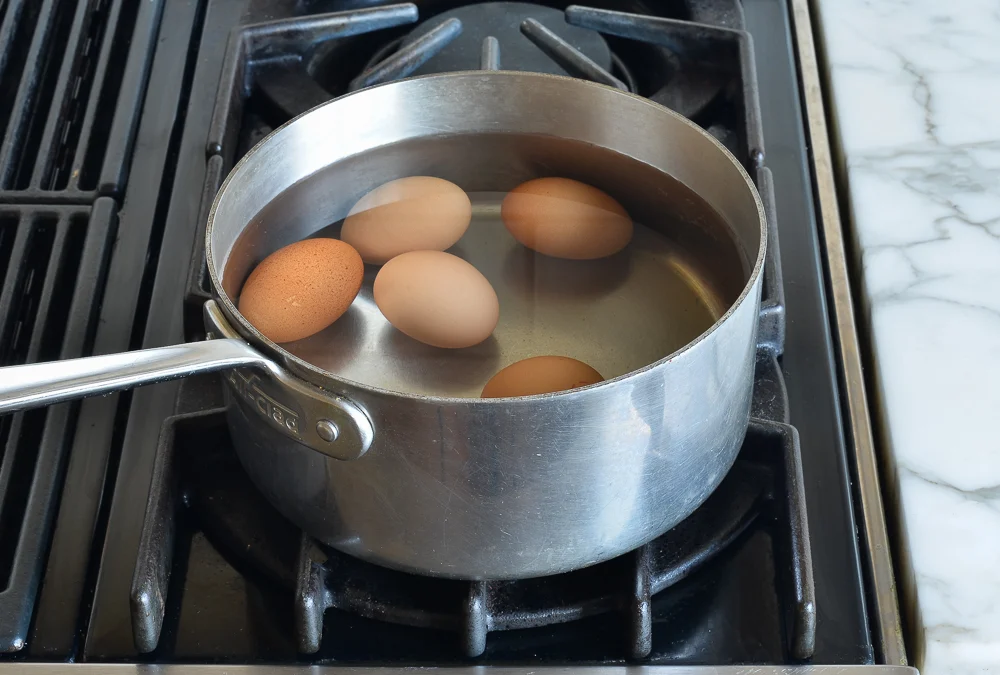

Boiling eggs sounds deceptively simple. You drop a few eggs into a pot of water, wait, and—voilà—you expect perfect, intact eggs ready for breakfast, baking, or salads. Yet, for countless home cooks, the reality is quite different: cracked eggs floating in a simmering bath of chaos. These cracks not only look messy but can result in the egg white leaking out, uneven cooking, and a ruined meal. So why do eggs crack during boiling, and, more importantly, how do you prevent it? Let’s dive into the science, techniques, and pro tips that will make cracked eggs a thing of the past.
The Science Behind Cracked Eggs
Eggs might seem fragile, but they are marvels of natural engineering. The shell, made mostly of calcium carbonate, is surprisingly strong, but it has its limits. Inside, the egg contains albumen (egg white) and yolk, both of which expand when heated. When the shell cannot accommodate the rapid expansion or external pressure changes, it cracks.
1. Temperature Shock
One of the main culprits is temperature shock. If cold eggs straight from the fridge meet boiling water, the rapid heating causes the liquid inside to expand quickly. The shell can’t stretch fast enough, so it fractures.
2. Air Pocket Pressure
Inside every egg is a small air pocket at the wide end. As the egg heats, the air expands. Without a way to escape, this expansion pushes against the shell, causing cracks or even explosions.
3. Tiny Structural Flaws
Eggs aren’t perfect. Microfractures, rough handling, or very thin shells can predispose an egg to cracking. Even minor imperfections invisible to the naked eye can make an egg a ticking time bomb in hot water.
4. Overcrowding the Pot
Boiling too many eggs at once increases the chance of collisions. When eggs jostle during boiling, even lightly, the shells can crack. Think of it as a microscopic game of bumper cars.
How to Stop Eggs from Cracking: Techniques That Work
Preventing cracks isn’t magic—it’s a combination of understanding physics and applying practical cooking techniques. Here’s a structured guide:
1. Gradual Temperature Adjustment
Instead of plunging cold eggs into boiling water, let them adjust to room temperature first. Remove eggs from the fridge 20–30 minutes before boiling. This minimizes thermal shock.
Alternatively, start eggs in cold water and slowly bring it to a boil. This gentle heating reduces the risk of cracking.
2. Poking the Air Pocket
A tiny pinhole in the wide end of the egg allows expanding air to escape. Use a pin or needle to gently pierce the air sac. It’s a simple trick professional chefs often use to prevent cracking. Just be careful not to pierce too deeply—you don’t want to pierce the yolk.
3. Adding Salt or Vinegar
:max_bytes(150000):strip_icc()/can-you-still-eat-a-cracked-egg-a778725b5f4d4e7ebe3daa44b607d416.jpg)
Adding a teaspoon of salt or a splash of vinegar to boiling water may help. Salt slightly strengthens the eggshell, while vinegar can coagulate leaking whites if a crack occurs. These are minor but effective precautions.
4. Avoid Overcrowding
Give eggs room to move without bumping into each other. A medium pot for half a dozen eggs is better than cramming a dozen in a small pan.
5. Gentle Placement
Use a spoon to lower eggs into the water. Dropping them straight in increases the risk of cracking from impact with the bottom of the pot or other eggs.
6. Control Boil Intensity
A rolling boil is fun to watch, but it’s harsh on eggs. Reduce the heat to a gentle simmer. This keeps water movement less violent, protecting the eggshell.
Step-by-Step Perfect Boiled Egg Method
Let’s combine all the tips into a foolproof method:
- Room Temperature: Take eggs out of the fridge 20–30 minutes before cooking.
- Prepare Water: Fill a pot with enough water to cover eggs by about an inch.
- Pierce Air Pocket: Optionally, poke a small hole in the wide end of each egg.
- Add Salt or Vinegar: Optional but recommended for crack prevention and easier peeling.
- Gently Lower Eggs: Use a spoon to place eggs in water.
- Gradual Heating: If starting with cold water, bring it to a gentle boil over medium heat. If starting with boiling water, reduce heat slightly when adding eggs.
- Simmer: Keep a gentle simmer for the required time:
- Soft-boiled: 4–6 minutes
- Medium: 7–9 minutes
- Hard-boiled: 10–12 minutes
- Ice Bath: Immediately transfer eggs to an ice bath to stop cooking and make peeling easier.
Following this method consistently produces smooth, crack-free eggs.
Peeling Without Damage
Cracking prevention isn’t just about the boiling—it’s also about peeling. Eggs with thin shells or very fresh eggs are trickier. A few tips:
- Ice Bath First: Cooling eggs in ice water makes the membrane contract, easing peeling.
- Tap and Roll: Lightly tap eggs and roll them on a flat surface to crack the shell evenly.
- Peel Under Water: Peeling under running water or in a bowl of water can help remove stubborn bits of shell.
Common Misconceptions About Boiling Eggs
Myth 1: Fresh Eggs Are Easier to Boil
Actually, very fresh eggs are harder to peel because the pH of the egg white is lower, causing it to cling to the shell. Eggs that are a week old are usually easier to peel after boiling.
:max_bytes(150000):strip_icc()/GettyImages-539670429-584af7725f9b58a8cd4c7019.jpg)
Myth 2: Boiling Water Is Mandatory
Starting eggs in cold water works just as well and often prevents cracks. The key is gradual heating.
Myth 3: Salt Alone Prevents Cracks
Salt is helpful if cracks occur—it helps the egg white solidify faster—but it cannot prevent thermal or impact-induced cracks on its own.
Creative Alternatives to Boiling
If cracked eggs are a persistent frustration, consider alternative cooking methods:
- Steaming Eggs: Using a steamer basket produces tender eggs without full immersion in water. The gentle steam reduces cracking risk.
- Baking Eggs: Baking eggs in a muffin tin or ramekins at moderate heat can produce similar results with no cracks.
- Sous Vide Eggs: Cooking eggs at precise temperatures in a water bath ensures perfect yolks and whites without any shell explosions.
These techniques offer culinary variety while sidestepping common boiling problems.
Troubleshooting Persistent Cracking
If you follow all tips but still encounter cracks, consider these factors:
- Egg Quality: Very thin-shelled eggs are prone to cracking. Look for thicker shells next time.
- Water Hardness: Extremely hard water can affect eggshell strength. Slightly acidic water (a splash of vinegar) helps counteract this.
- Handling Before Boiling: Rough transport or storage can create microfractures invisible to the eye. Handle eggs gently from carton to pot.
Professional Chef Insights
Chefs and food scientists have studied the perfect boiled egg extensively. Their insights include:
- Temperature control is critical: even 2–3 degrees difference can change cracking probability.
- Microscopic air pockets are the main source of cracks. Piercing them is simple and highly effective.
- Water-to-egg ratio matters: too little water causes uneven heating, too much water can cause bumping collisions.
Applying professional principles in a home kitchen doesn’t require fancy gadgets—just attention to detail.
Fun Science Behind Boiling Eggs
Understanding why eggs crack can turn boiling into a mini science experiment:
- Expansion of Proteins: As eggs heat, albumin proteins denature and firm up, creating the familiar texture. If the shell cracks, these proteins escape, forming irregular shapes.
- Gas Expansion: The air sac isn’t the only gas source—trapped gases in egg white expand as water heats, creating pressure.
- Shell Porosity: Eggshells are porous, allowing minor water exchange. Extremely rapid heating can overwhelm this natural ventilation, leading to cracks.
Knowing the science behind these phenomena makes prevention easier and cooking more fun.
Summary: Crack-Free Egg Principles
- Avoid sudden temperature shocks.
- Allow eggs to reach room temperature before boiling.
- Consider poking the air sac.
- Add salt or vinegar to the water.
- Use gentle simmering, not rolling boils.
- Give eggs space in the pot and handle carefully.
- Use an ice bath to stop cooking and ease peeling.
Master these steps, and cracked eggs will become a memory.
Final Thoughts
Boiling eggs is deceptively simple yet surprisingly technical. Cracks, leaks, and explosions are not inevitable—they are problems solved with a combination of temperature management, gentle handling, and minor scientific tricks. From piercing the air pocket to starting eggs in cold water, each step reduces stress on the shell and increases your chances of perfect, beautiful eggs. With patience and the right method, you’ll never have to rescue a leaking egg again. Perfectly boiled eggs are not just a breakfast staple—they’re a triumph of science, patience, and technique.