





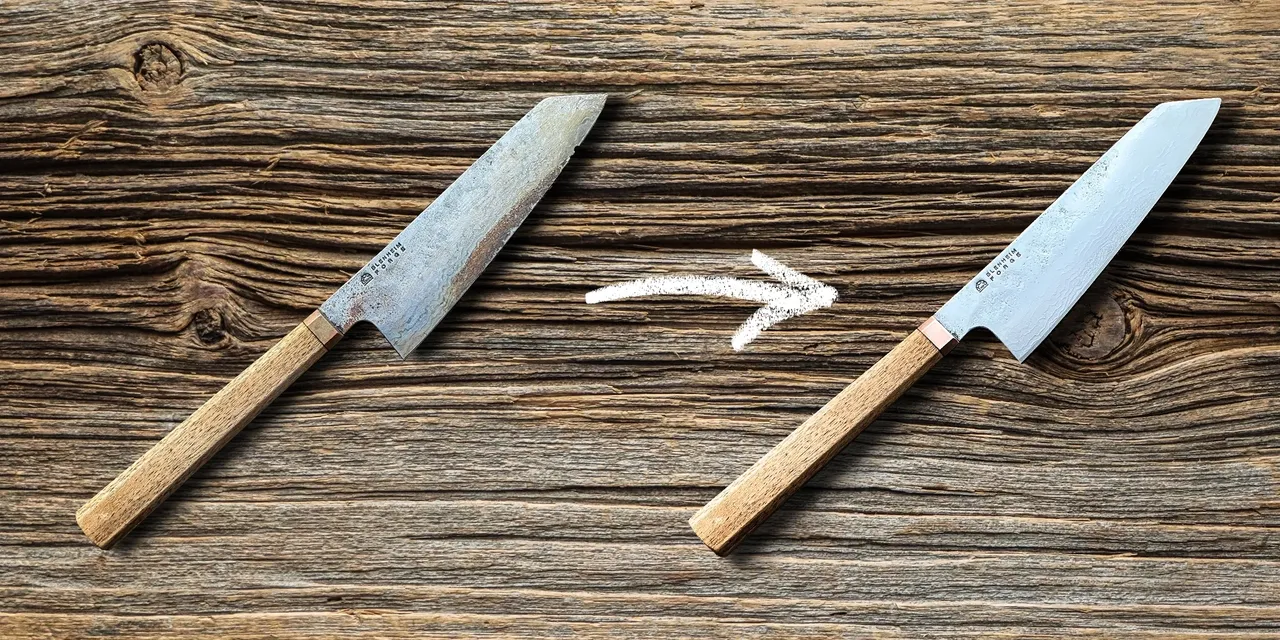

Knives are more than just tools; they are an extension of our hands, a silent partner in the kitchen, the workshop, or even outdoor adventures. A well-maintained knife performs like a precision instrument, slicing effortlessly and consistently. But there’s a silent enemy lurking in every drop of water, every humid corner, and every careless storage habit—rust. Rust isn’t just unsightly; it can weaken steel, dull edges, and compromise your knife’s performance. So, how do you keep your knife from rusting after use? Let’s dive deep, dissecting everything from the science of corrosion to practical daily habits, advanced techniques, and even storage wizardry.
Understanding Rust: The Enemy
Before you wage war against rust, you need to understand it. Rust, scientifically called iron oxide, forms when iron reacts with oxygen and moisture. Stainless steel resists rust better than carbon steel but is not immune. Factors like salt, acidic foods, and prolonged exposure to water accelerate corrosion. Tiny scratches on the blade can act as traps for moisture and airborne particles, creating micro-environments where rust forms faster.
Think of rust like a sneaky thief. It doesn’t knock on your door; it creeps in silently and quietly ruins your prized blade if you’re not vigilant.
Immediate Post-Use Actions: The First Defense Line
1. Wipe It Dry, Don’t Wait
The most common mistake is leaving a knife to air dry. Even a few minutes of lingering moisture can start corrosion, especially in carbon steel knives. After every use, grab a clean microfiber or cotton cloth and wipe the blade thoroughly. Make sure to cover the spine, the tip, and the handle junction, where water often hides.
2. Avoid Dishwashers
Dishwashers may seem convenient, but they are knife killers. Hot water, detergents, and the chaotic jostle of other utensils create a perfect rust storm. Plus, high humidity inside the dishwasher can leave knives damp long after the cycle ends.
3. Rinse with Warm Water Only When Necessary
Rinsing with water is sometimes unavoidable, especially after cutting acidic or salty foods. But always rinse promptly and dry immediately. If possible, avoid prolonged soaking entirely; water is rust’s best friend.
Protective Coatings: Oils, Waxes, and More
1. Mineral Oil: A Classic Solution
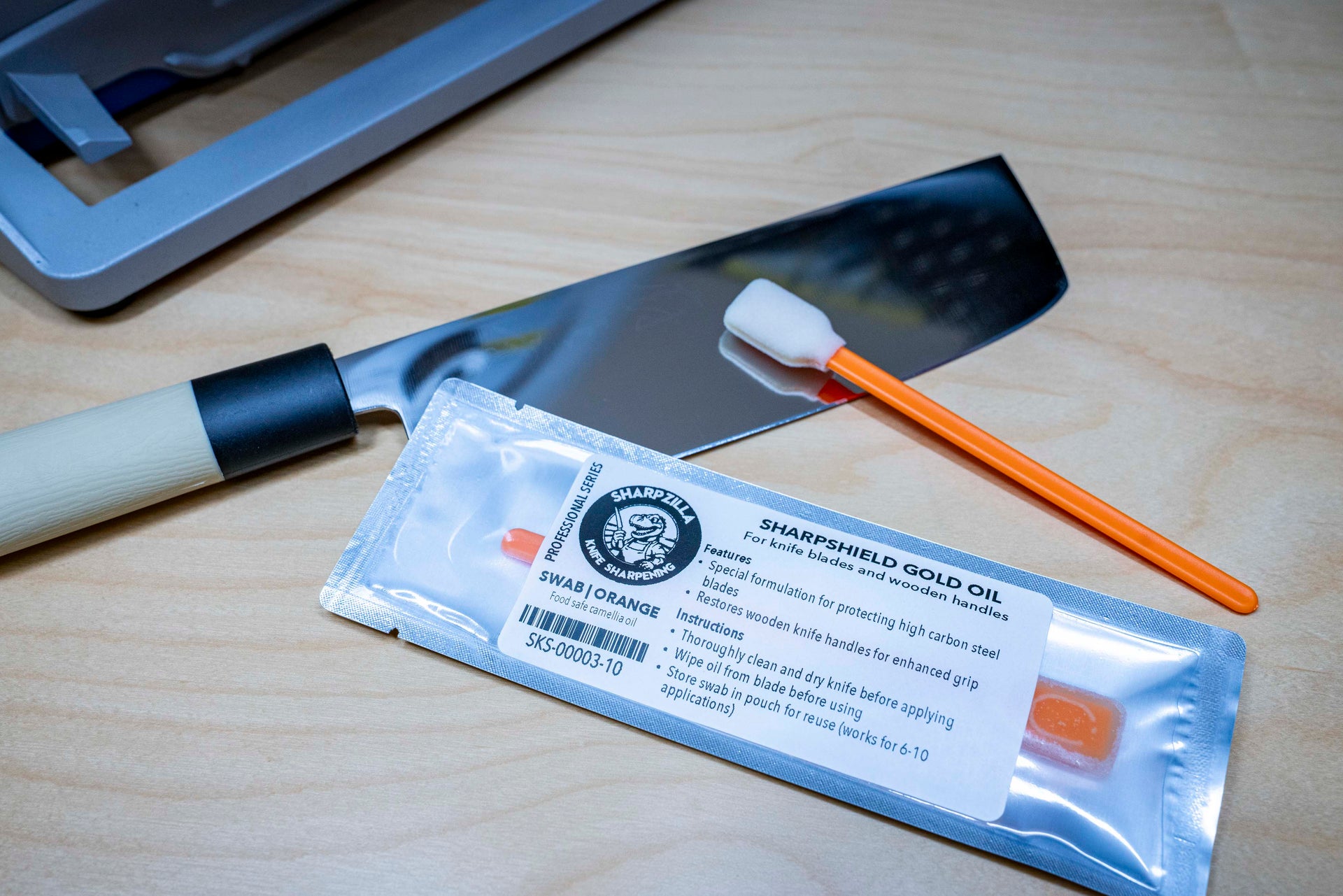
Food-grade mineral oil is a trusted choice. After drying, apply a thin layer to the blade. This creates a barrier between metal and moisture. For kitchen knives, this is particularly effective on carbon steel knives, which are more prone to rust.
2. Specialty Knife Oils
There are oils designed specifically for knife maintenance, often containing anti-corrosion additives. These can be especially useful for collectors or outdoor knives that see varying environments.
3. Wax Coatings
Some enthusiasts swear by microcrystalline waxes. These not only prevent rust but also add a slight sheen, making your knife look polished and professional. Apply a thin layer, buff it lightly, and you’re good for weeks of safe storage.
Cleaning Techniques: More Than Just Soap
1. Gentle Soap and Water
If your knife needs washing, use warm water and mild dish soap. Harsh detergents or steel wool can scratch the blade, creating tiny traps for rust. Soft sponges or cloths are your best friend here.
2. Baking Soda for Stubborn Spots
If rust has already started forming, a paste of baking soda and water can help. Apply gently, scrub with a soft brush or cloth, and rinse. Avoid aggressive abrasives—they damage the steel and make future rust formation more likely.
3. Avoid Acidic Chemicals
While vinegar or lemon juice can clean surfaces, prolonged exposure on a knife blade can promote rust, especially on carbon steel. Use these with extreme caution and rinse thoroughly.
Advanced Techniques: For Enthusiasts and Professionals
1. Electrochemical Rust Removal
For rare or collectible knives, professionals sometimes use electrochemical methods to reverse rust formation. This involves controlled reactions that remove iron oxide without harming the steel. It’s advanced and precise, not for casual use, but it showcases how science can save your blades.
2. Controlled Environment Storage
Keeping knives in low-humidity environments slows rust. Consider dehumidifying cabinets or using silica gel packets in knife drawers. For collectors, this can make a dramatic difference in longevity.
3. Polishing and Buffing
A lightly polished blade resists rust more than a dull or rough surface because there are fewer micro-traps for moisture. Polishing with fine stones or cloth compounds can be part of long-term maintenance.
Handle and Edge Considerations
1. Wooden Handles
Wood absorbs moisture, which can indirectly promote rust on the tang and nearby steel. After cleaning, dry wooden handles thoroughly and occasionally apply wood conditioner or oil to prevent cracks.
2. Edge Angles and Sharpness
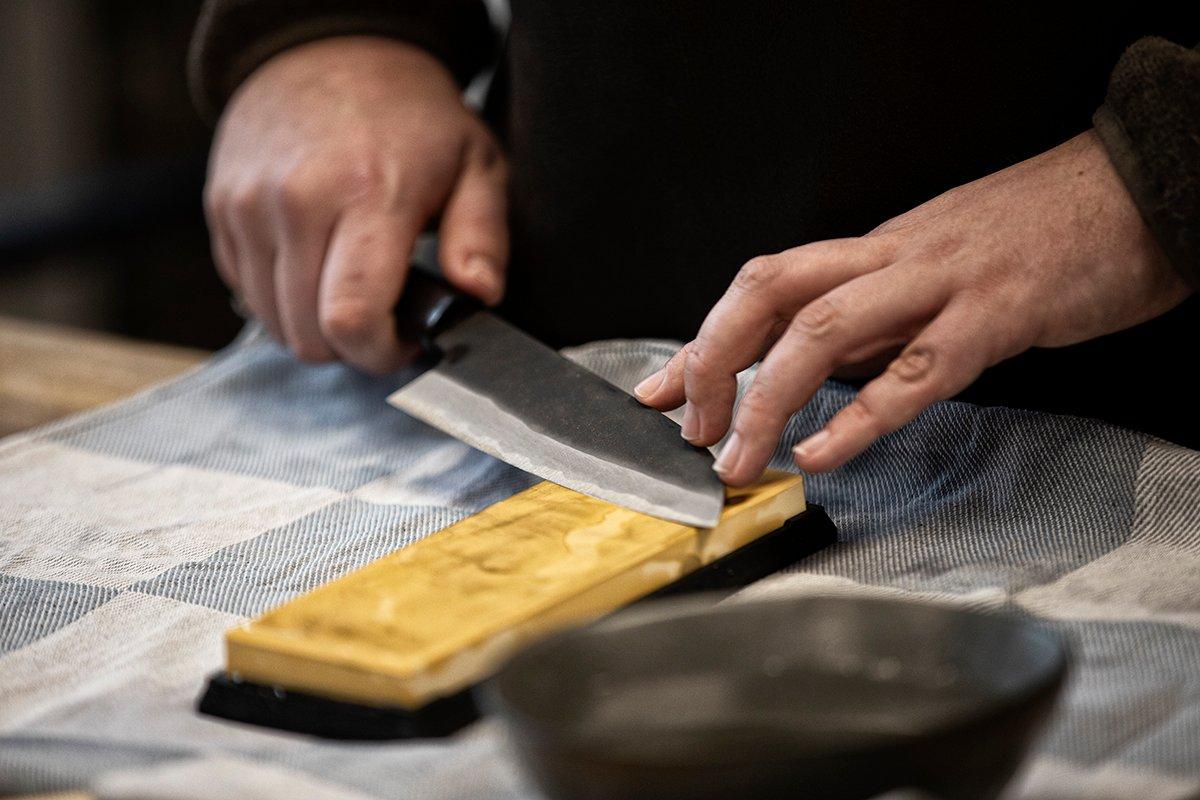
Interestingly, a sharp blade resists rust better. Dull edges create uneven surfaces that trap water and debris. Regular honing and sharpening are not just about cutting efficiency—they’re rust prevention too.
Storage: Where Your Knife Lives Matters
1. Knife Blocks
Traditional knife blocks work, but make sure they are dry inside. Moisture trapped in the block can accelerate rusting. Occasionally, air out your block or use a block with ventilation holes.
2. Magnetic Strips
Magnetic knife strips are excellent for air circulation. Just ensure the kitchen environment isn’t overly humid. Strips also prevent the blade from knocking against other knives, reducing scratches.
3. Sheaths and Knife Guards
For portable knives, leather or plastic sheaths are practical. Leather can retain moisture, so keep it dry. Plastic guards are easier to maintain and offer excellent protection.
Outdoor and Survival Knives: Extra Precautions
Outdoor knives face rain, snow, sweat, and even river crossings. Rust prevention here requires diligence:
- Rinse immediately after exposure to dirt or saltwater.
- Dry completely and apply a protective oil layer.
- Use corrosion-resistant alloys if possible; high-carbon knives need more attention.
Think of it as survival maintenance: a rusted knife in the wild isn’t just inconvenient—it’s a serious hazard.
Seasonal and Long-Term Care
1. Winter Storage
Cold, damp environments accelerate rust. Before long-term storage, thoroughly clean, dry, and oil all knives. Avoid storing knives in basements or garages without climate control.
2. Periodic Inspection
Even if unused, check knives monthly. Look for micro-spots of rust and remove them promptly. Prevention is easier than restoration.
3. Knife Rotation
For collections or heavy-use kitchens, rotate knives regularly. This prevents stagnation and uneven exposure to environmental factors.
Fun Facts and Myths
- Myth: Stainless steel never rusts.
- Truth: Stainless resists rust, but high-salt or high-acid environments can still corrode it.
- Myth: Oil ruins knife handles.
- Truth: Food-grade mineral oils are safe for most handle materials. Just avoid over-application.
- Myth: Frequent sharpening promotes rust.
- Truth: Proper sharpening actually reduces rust risk by smoothing surfaces.
Lifestyle Habits for Rust-Free Knives
- Always dry immediately.
- Avoid soaking or dishwashers.
- Use protective coatings on carbon steel.
- Store in dry, ventilated areas.
- Periodically polish and inspect.
By turning these habits into routines, rust becomes a minor nuisance rather than a persistent enemy.
Summary: Knife Care in a Nutshell
Rust prevention isn’t complicated—it’s consistent. A clean, dry, and lightly oiled knife stored properly will serve you for decades. Whether you’re a kitchen ninja, a woodworking enthusiast, or a wilderness adventurer, understanding your knife’s material, environment, and daily maintenance can make the difference between a dull, corroded tool and a gleaming, reliable blade.
In the end, your knife reflects your care. The more attention you give, the longer it lasts, and the more joy it brings in every slice, cut, or carve. Rust isn’t inevitable—it’s avoidable with knowledge, diligence, and a little bit of love for your steel companion.