





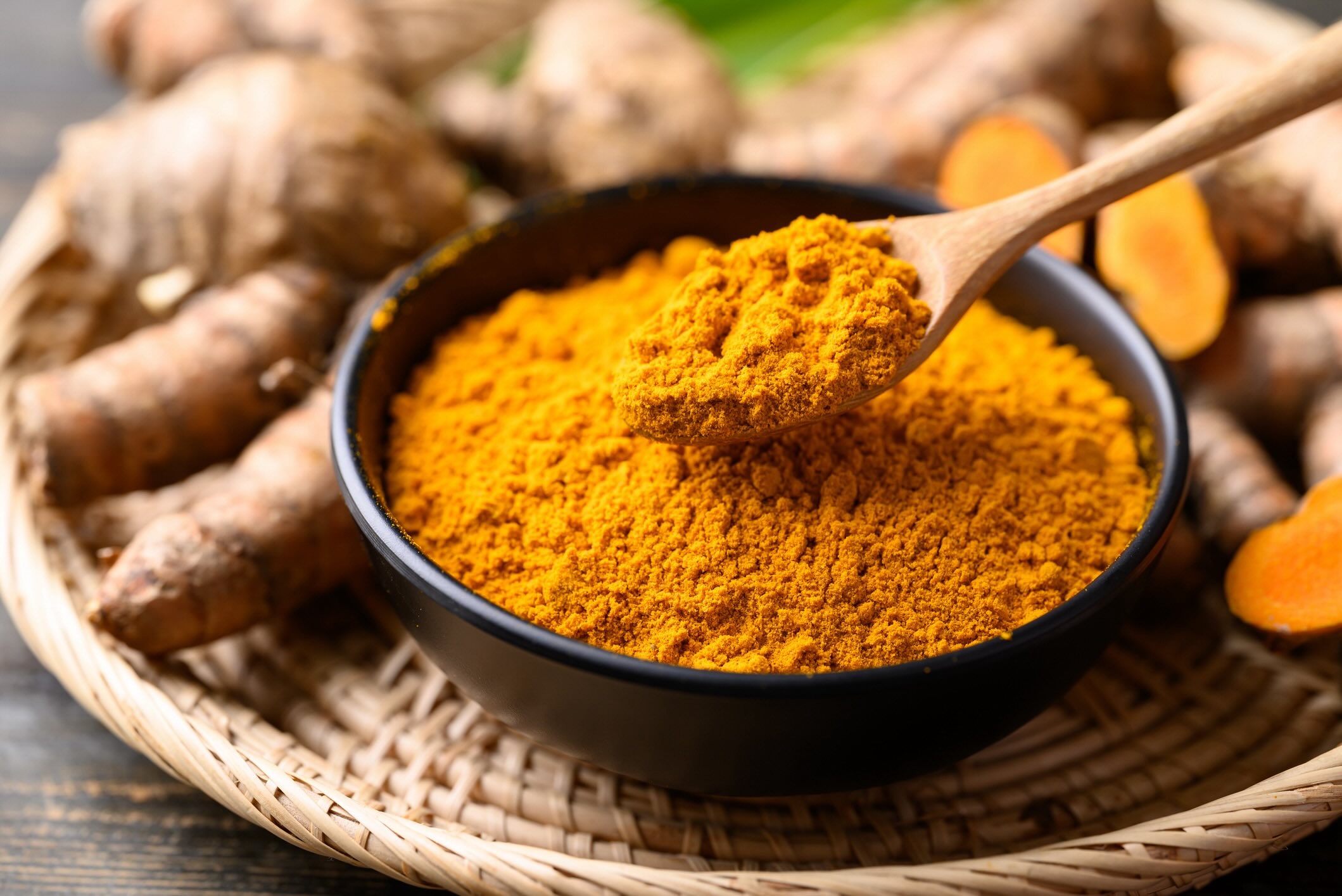

Spices are more than just flavor boosters. For centuries, cultures around the world have relied on these colorful powders and aromatic seeds not only to enhance their meals but also to promote health, prevent diseases, and even improve mood. In this article, we will journey through the world of spices, revealing their hidden health benefits backed by science, traditional wisdom, and culinary artistry.
1. Turmeric: The Golden Healer
Turmeric, the golden-yellow root primarily grown in India, is famous for its active compound, curcumin. Curcumin is a potent antioxidant and anti-inflammatory agent. Studies suggest that it may help reduce chronic inflammation, improve joint health, and even support brain function.
- Anti-inflammatory Power: Curcumin blocks molecules that trigger inflammation. Regular use in cooking can subtly improve joint flexibility and may reduce the risk of arthritis.
- Brain Booster: Emerging research indicates that curcumin may increase levels of brain-derived neurotrophic factor (BDNF), a protein linked to cognitive function and memory.
- Digestive Aid: Turmeric can stimulate bile production, supporting better digestion and fat metabolism.
Tip: Pair turmeric with black pepper to enhance curcumin absorption. A pinch of fat, like olive oil or coconut oil, also boosts its benefits.
2. Cinnamon: The Sweet Protector
Cinnamon is not just a sweet, warming spice for desserts. Its compounds, including cinnamaldehyde, have been linked to multiple health benefits.
- Blood Sugar Regulation: Cinnamon can improve insulin sensitivity and lower blood sugar levels, which is particularly useful for people with type 2 diabetes.
- Heart Health: It may reduce cholesterol and triglycerides, protecting against cardiovascular disease.
- Antimicrobial Activity: Cinnamon possesses antibacterial and antifungal properties, helping to fight infections naturally.
Fun Fact: Ancient Egyptians valued cinnamon highly, using it in embalming and medicine alike.
3. Ginger: The Zesty Healer
Ginger, with its spicy, warming flavor, has been used in traditional medicine for thousands of years. Its main bioactive compound, gingerol, has remarkable therapeutic properties.
- Digestive Health: Ginger can reduce nausea, improve gut motility, and relieve bloating or indigestion.
- Anti-inflammatory Effects: It may help alleviate joint pain and muscle soreness, making it a favorite among athletes.
- Immune Support: Ginger has antiviral and antibacterial properties, making it useful during cold and flu season.
Tip: Fresh ginger in tea or smoothies retains more nutrients than powdered ginger.
4. Garlic: The Heart’s Best Friend
Garlic is not just a culinary hero; it is a powerful medicinal spice. Its sulfur compounds, particularly allicin, offer a wealth of health benefits.
- Cardiovascular Support: Garlic can reduce blood pressure, improve cholesterol profiles, and enhance arterial flexibility.
- Immune Booster: It stimulates white blood cells, enhancing the body’s natural defenses.
- Detoxification: Garlic supports liver function, helping the body detoxify naturally.
Tip: Crush or chop garlic and let it sit for 10 minutes before cooking to maximize allicin content.
5. Black Pepper: The King of Spices
Often called the “king of spices,” black pepper contains piperine, a compound that does more than add heat.
- Bioavailability Enhancer: Piperine can increase the absorption of nutrients like curcumin, selenium, and vitamins B and C.
- Digestive Aid: It stimulates digestive enzymes, improving nutrient absorption.
- Antioxidant Benefits: Black pepper combats oxidative stress, protecting cells from damage.
Fun Fact: Historically, black pepper was so valuable that it was used as currency.
6. Cardamom: The Aromatic Detoxifier
Cardamom, often called the “queen of spices,” is known for its aromatic flavor and medicinal properties.
- Digestive Health: Cardamom stimulates appetite and aids in digestion, reducing bloating and gas.
- Detoxification: It supports liver function and helps eliminate toxins from the body.
- Mood Booster: The essential oils in cardamom have calming effects and may help reduce stress.
Tip: Add cardamom to teas, desserts, or even savory dishes for a refreshing twist.
7. Cloves: Tiny Powerhouses of Health
Cloves are small but mighty, packed with eugenol, a compound known for its medicinal benefits.
- Antimicrobial Properties: Cloves can fight bacteria, fungi, and viruses, supporting overall immune health.
- Pain Relief: Eugenol in cloves acts as a natural analgesic, often used for toothaches.
- Digestive Aid: Cloves stimulate enzymes, helping improve digestion and reduce gas.
Fun Fact: Cloves were once more valuable than gold in global trade due to their rarity and demand.
8. Chili Peppers: The Metabolism Igniters
Chili peppers are loved for their heat, thanks to capsaicin, a compound with powerful health benefits.
- Metabolism Booster: Capsaicin can increase energy expenditure and promote fat burning.
- Pain Management: Topical capsaicin is used for pain relief, especially in arthritis and neuropathic pain.
- Heart Health: Some studies suggest chili may reduce bad cholesterol and improve circulation.
Tip: Start with small amounts if you’re not accustomed to spicy food; the benefits come without overwhelming heat.
9. Saffron: The Golden Mood Enhancer
Saffron, the most expensive spice in the world, is prized for its color, flavor, and medicinal properties.
- Mood and Mental Health: Compounds in saffron, like crocin and safranal, may help reduce symptoms of depression and anxiety.
- Antioxidant Benefits: Saffron protects cells from oxidative stress, supporting overall health.
- Eye Health: Crocin may improve vision and protect against macular degeneration.
Fun Fact: Harvesting saffron is labor-intensive; it takes 150,000 flowers to produce just one kilogram of saffron.
10. Nutmeg: The Sleep and Brain Spice
Nutmeg is known for its warm, nutty flavor and subtle therapeutic properties.
- Sleep Aid: Nutmeg contains compounds that may improve sleep quality and promote relaxation.
- Cognitive Support: Some research suggests it may protect brain cells and enhance memory.
- Digestive Support: Nutmeg can relieve indigestion and reduce bloating.
Tip: Use sparingly; a small pinch is enough to enjoy health benefits and flavor.
11. Fenugreek: The Blood Sugar Friend
Fenugreek seeds are tiny but have impressive health properties.
- Blood Sugar Control: Fenugreek can improve insulin sensitivity and reduce blood sugar spikes.
- Digestive Health: It may help relieve constipation and improve gut health.
- Lactation Support: Traditionally, fenugreek has been used to support milk production in breastfeeding women.
Fun Fact: Fenugreek has a slightly sweet, nutty flavor reminiscent of maple syrup.

12. Coriander: The Detoxifier
Coriander seeds and leaves (cilantro) offer unique health benefits.
- Detoxification: Coriander can help remove heavy metals from the body.
- Digestive Health: It stimulates digestive enzymes and can relieve bloating.
- Blood Sugar Management: Some studies show coriander may help lower blood sugar levels.
Tip: Use fresh cilantro for salads and chutneys; seeds work well in curries and spice blends.
13. Mustard Seeds: The Metabolism Booster
Mustard seeds are tiny, but they pack significant health benefits.
- Metabolism Support: Compounds in mustard seeds may boost metabolism and aid in weight management.
- Anti-inflammatory: They have anti-inflammatory properties that may support joint health.
- Digestive Aid: Mustard seeds stimulate digestive enzymes and promote gut health.
Tip: Lightly toast mustard seeds to release their full flavor and health benefits.
14. Cumin: The Nutrient-Rich Digestive Aid
Cumin, a staple in global cuisines, offers multiple health benefits.
- Digestive Health: Cumin stimulates digestive enzymes and reduces bloating.
- Antioxidant Effects: Rich in antioxidants, cumin helps fight free radicals.
- Immune Support: It may enhance immunity and protect against infections.
Fun Fact: Cumin was used in ancient Egypt as a spice and a preservative.
15. Sumac: The Tangy Anti-Inflammatory
Sumac is a vibrant reddish spice with tangy, lemony notes.
- Anti-inflammatory: Sumac contains antioxidants that reduce inflammation.
- Blood Sugar Control: It may help regulate blood sugar and support metabolic health.
- Heart Health: Sumac can improve cholesterol levels and circulation.
Tip: Sprinkle sumac on salads, roasted vegetables, or grilled meats for flavor and health benefits.
16. Anise and Fennel: Digestive and Hormonal Support
Anise and fennel seeds are aromatic spices with overlapping health benefits.
- Digestive Aid: Both help relieve bloating, gas, and indigestion.
- Hormonal Balance: They contain phytoestrogens that may support hormonal health.
- Antimicrobial Properties: They help fight bacteria and support oral health.
Tip: Brew as a tea after meals for optimal digestive benefits.
17. Herbs as Spices: Thyme, Rosemary, Oregano
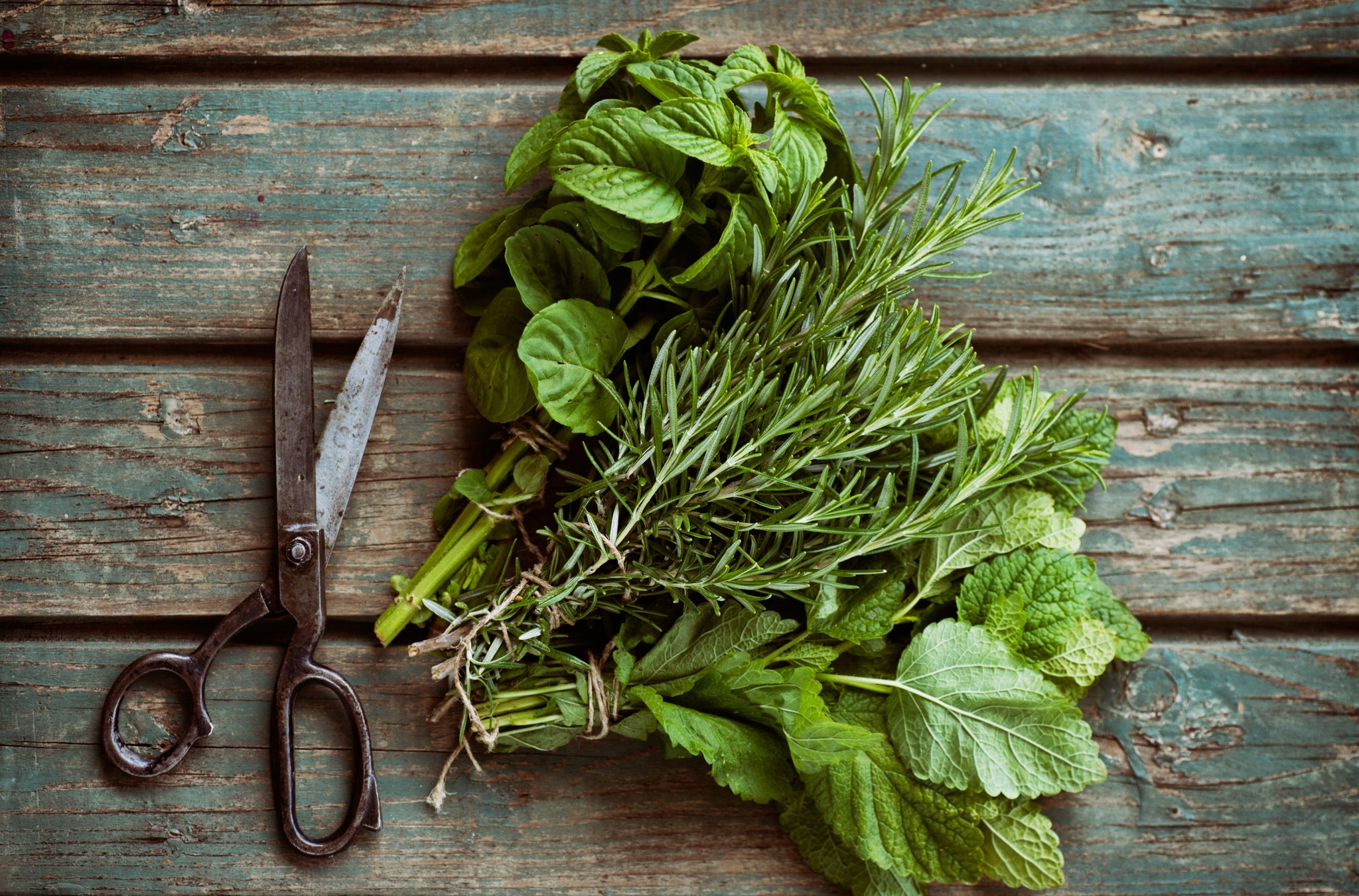
Fresh or dried herbs like thyme, rosemary, and oregano are often overlooked as spices, but they are powerhouses of antioxidants and bioactive compounds.
- Antioxidant Rich: These herbs protect against oxidative stress and inflammation.
- Immune Support: Many herbs have antiviral and antibacterial properties.
- Cognitive Health: Rosemary, in particular, may improve memory and concentration.
Fun Fact: Ancient Greeks considered rosemary a symbol of remembrance.
18. Spice Blends: Synergy of Health
Combining spices often enhances their benefits. Traditional blends like garam masala, za’atar, and ras el hanout not only provide complex flavors but also create synergistic effects, amplifying antioxidant, anti-inflammatory, and antimicrobial properties.
- Garam Masala: A warming Indian blend with turmeric, cardamom, and cloves; supports digestion and immunity.
- Za’atar: A Middle Eastern mix of thyme, sesame, and sumac; boosts metabolism and heart health.
- Ras el Hanout: North African blend including cinnamon, cumin, and coriander; supports digestive and metabolic health.
19. Practical Tips for Using Spices Daily
- Start Small: Introduce one new spice at a time to see how your body reacts.
- Use Fresh When Possible: Fresh spices often have stronger flavors and higher nutrient content.
- Pair Wisely: Certain spices work better together (e.g., turmeric + black pepper).
- Cook Smart: Avoid overcooking delicate spices like saffron or herbs, as heat can degrade their beneficial compounds.
- Experiment: Mix spices in teas, smoothies, roasted vegetables, soups, and even desserts.
20. Conclusion: Spices as Daily Health Allies
Spices are far more than flavoring agents—they are potent allies for health, supporting digestion, immunity, heart health, brain function, and even mood. By incorporating a variety of spices into daily meals, you can enjoy both delicious flavors and subtle, long-term health benefits. From the golden healing power of turmeric to the metabolism-boosting heat of chili peppers, the world of spices offers a treasure trove of hidden wellness potential waiting to be discovered.
So next time you sprinkle cinnamon on your oatmeal, crush some garlic for your pasta, or sip ginger tea, remember: you are not just enhancing taste—you are nourishing your body, one spice at a time.