






Food is more than sustenance; it is a living archive of history, migration, and culture. Immigrants, throughout centuries, have carried their culinary traditions across oceans, deserts, and borders, leaving an indelible mark on local food cultures. The interplay between immigrant cuisines and local culinary practices creates a dynamic dialogue that continuously reshapes what people eat, how they eat, and even the social rituals surrounding meals. From bustling street markets to Michelin-starred restaurants, the impact of immigrant communities on food culture is everywhere—yet subtle, often hidden behind familiar dishes.
Historical Pathways of Culinary Migration
To understand the influence of immigrants on local food cultures, we must first trace the historical pathways of migration. Human migration is as old as human civilization, and with each wave of migration, food traveled as a cultural companion. When Italians immigrated to the United States in the late 19th and early 20th centuries, they brought with them pasta, pizza, and their rich tradition of cheese-making. These foods were not merely transferred; they evolved. Pizza, for example, transformed in New York into a thin-crust, foldable street-food phenomenon, distinct from its Neapolitan origins. Similarly, Italian immigrants introduced espresso culture, which would later underpin the café scene in cities like New York and San Francisco.
Beyond Europe, Chinese immigrants in the 19th century, many of whom came to work in railroad construction and mining, brought stir-frying techniques, soy-based condiments, and an emphasis on balancing flavors. In the United States, however, the Chinese menu underwent radical transformations to accommodate local ingredients and tastes, giving rise to Chinese-American cuisine with its distinctive sweet-and-sour sauces, chow mein, and fortune cookies. The story is similar across the globe: wherever immigrants settled, local food culture did not remain static—it absorbed, adapted, and reinterpreted the flavors of new arrivals.
Culinary Hybridity: The Art of Adaptation
One of the most fascinating outcomes of immigrant influence on food culture is culinary hybridity. Immigrant cuisines rarely remain “pure” in their adopted homeland. Instead, they undergo a process of adaptation, influenced by available ingredients, local taste preferences, and economic realities. Consider Indian cuisine in the United Kingdom. Indian immigrants arrived with a rich repertoire of spices, legumes, and curries, but the British palate in the mid-20th century favored milder flavors. As a result, dishes such as chicken tikka masala emerged—a blend of Indian cooking techniques with a creamy tomato sauce appealing to British tastes. Today, this dish is often hailed as a national favorite, a prime example of how immigrant food reshapes local culinary identity.
Similarly, Mexican immigrants in the United States transformed traditional tacos and tamales by introducing fusion ingredients. Tex-Mex cuisine, with its signature cheese-laden burritos, chili con carne, and nachos, is a creation that sits at the intersection of Mexican culinary traditions and Texan-American tastes. The phenomenon demonstrates that immigrant influence is not about replacing local food but enriching it with new possibilities.
Street Food: A Crucible of Cultural Exchange
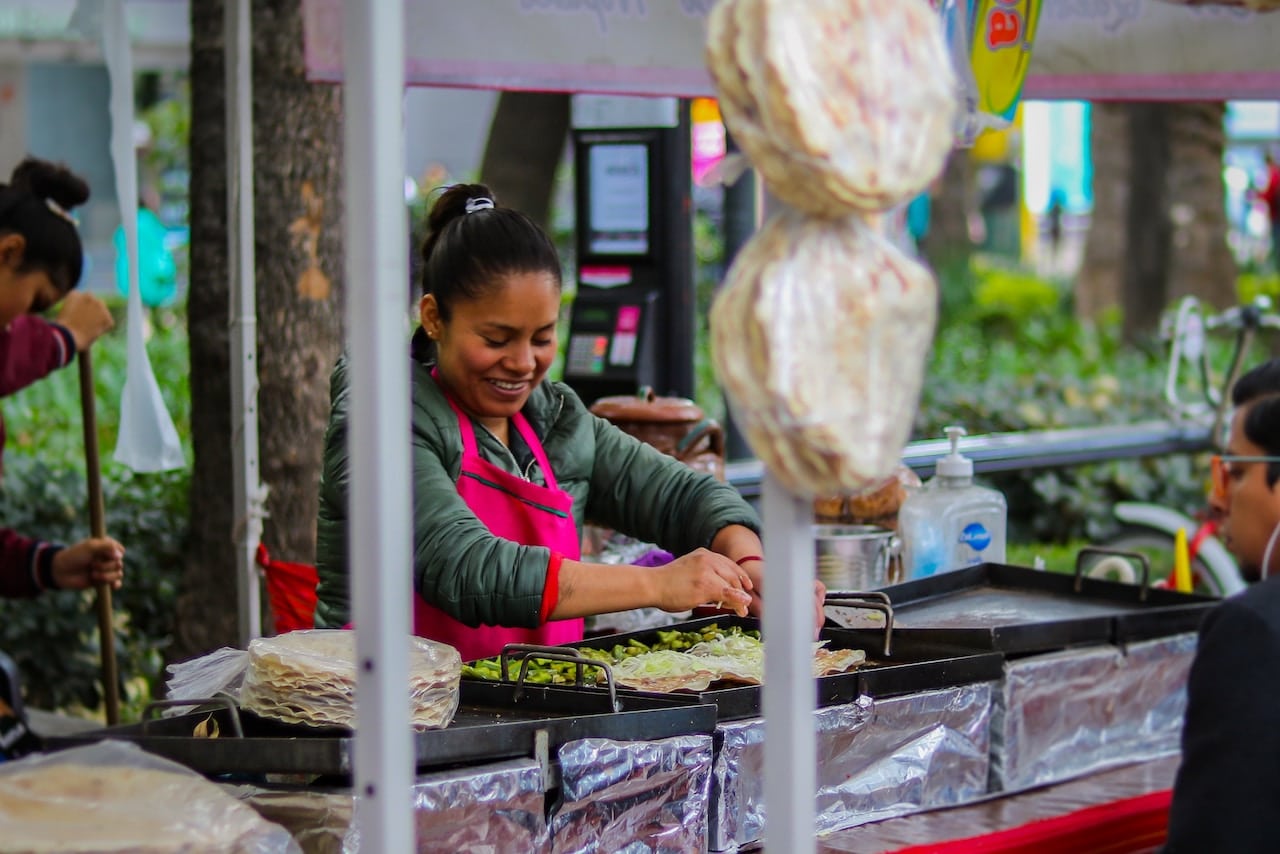
Street food is perhaps the most visible and immediate site where immigrant influence manifests. Across the world, food trucks, open-air markets, and sidewalk stalls have become stages for culinary innovation. In cities like Los Angeles, the convergence of Mexican, Korean, and Japanese immigrants has given rise to hybrid street foods, such as the Korean-Mexican taco. Similarly, in London, Vietnamese bánh mì vendors sit alongside Caribbean jerk chicken stalls, creating a melting pot of flavors where locals and tourists alike discover unexpected culinary combinations.
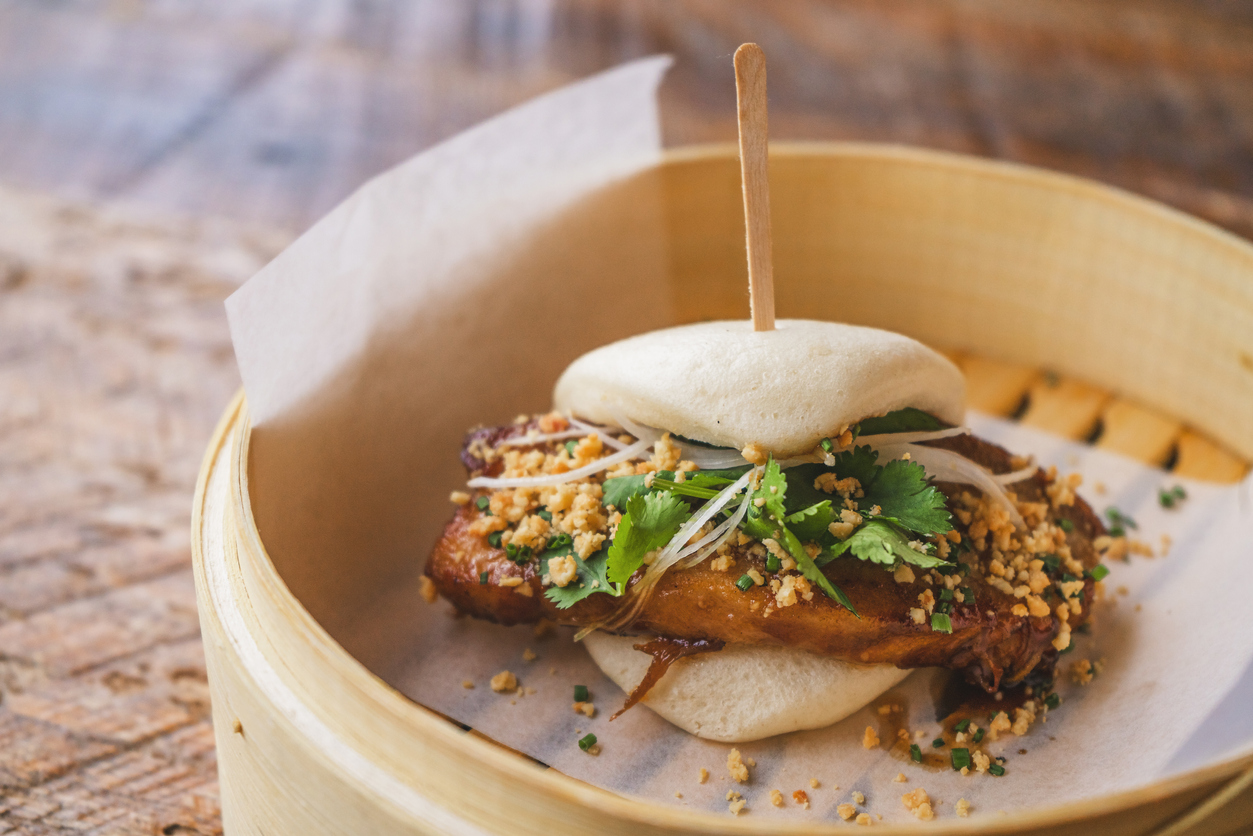
Street food is not only about taste; it is about accessibility, experimentation, and cross-cultural engagement. Immigrant street vendors often reinterpret traditional dishes to appeal to local customers while preserving core cultural elements. The result is a dynamic food landscape in which innovation thrives and cultural boundaries blur.
Supermarkets, Ingredients, and the Global Pantry
Immigrant influence extends beyond prepared dishes to the very ingredients that populate local markets. The migration of people often leads to the migration of ingredients that were previously unknown or rare in the host country. Middle Eastern immigrants in Europe and North America have introduced products such as tahini, sumac, pomegranate molasses, and za’atar, which are now staples in many health-conscious and gourmet kitchens. African immigrants have brought ingredients like okra, fonio, and baobab, subtly reshaping the produce aisles of mainstream supermarkets.
These ingredients do more than expand culinary possibilities; they encourage experimentation among local cooks. Home chefs now incorporate kimchi, miso, or paneer into their everyday meals, reflecting a growing appetite for global flavors. In this sense, immigrant communities serve as culinary ambassadors, transforming ordinary grocery shopping into a multicultural experience.
Restaurants as Cultural Interpreters
Restaurants often serve as the most tangible representation of immigrant culinary influence. A restaurant is more than a place to eat; it is a site of cultural education and storytelling. Immigrant restaurateurs negotiate authenticity, affordability, and accessibility, presenting their heritage in a form that resonates with local diners. The rise of ramen shops, pho houses, and sushi bars outside their countries of origin reflects this balance of authenticity and adaptation.
For example, Japanese sushi has undergone significant evolution in the West. California rolls, spicy tuna rolls, and other innovations cater to local tastes while retaining the essence of Japanese culinary principles. This process demonstrates that immigrant food culture is both preservative and transformative—maintaining cultural identity while engaging in creative dialogue with the host society.
Festivals, Rituals, and Food as Identity
Beyond everyday meals, immigrant influence on local food culture is visible in festivals and cultural rituals. Food often becomes the centerpiece of celebrations, connecting diaspora communities with their roots and sharing traditions with the broader public. Chinese New Year celebrations, for instance, feature dumplings, noodles, and sticky rice cakes, often prepared and enjoyed in multicultural settings. Similarly, the Caribbean Carnival in Toronto showcases jerk chicken, roti, and curried goat, inviting local residents to participate in a sensory exploration of immigrant cultures.
These culinary festivals contribute to social cohesion, allowing immigrants and locals to engage in shared experiences. The foods themselves carry symbolic meanings—prosperity, health, family unity—infusing the local culture with new layers of ritual significance.
Technology and the Digital Age: Amplifying Influence
In recent decades, technology has amplified the impact of immigrant cuisines on local food cultures. Social media, food blogs, and cooking apps allow recipes and cooking techniques to travel rapidly, reaching audiences far beyond physical borders. Instagram-worthy fusion dishes, YouTube tutorials for traditional immigrant recipes, and TikTok cooking challenges democratize access to global cuisines.
Immigrant chefs and home cooks are no longer confined to local communities—they can influence taste trends worldwide. Dishes that might once have been considered niche now gain international recognition, reshaping mainstream culinary expectations. In this digital era, immigrant influence is accelerated and amplified, creating unprecedented cross-cultural exchange.

Challenges and Controversies
Despite the positive impacts, the integration of immigrant cuisines into local food cultures is not without challenges. Issues of authenticity, cultural appropriation, and economic barriers frequently arise. Some immigrant-owned businesses face pressure to “Westernize” their offerings, potentially diluting cultural traditions. Conversely, mainstream chefs and corporations sometimes co-opt immigrant recipes without acknowledgment or fair compensation, sparking debates about respect, recognition, and cultural ownership.
These challenges highlight the delicate balance between preservation and adaptation. Immigrant food culture thrives when it is both honored for its authenticity and embraced as a dynamic force capable of innovation.
Economic Impacts and Culinary Entrepreneurship
Immigrant influence on local food culture is closely tied to economic entrepreneurship. Many immigrants enter the food industry as a means of livelihood, opening restaurants, cafés, catering businesses, and food production ventures. These enterprises contribute significantly to local economies, generating employment, attracting tourism, and fostering culinary innovation.
The rise of food incubators and immigrant-focused culinary programs demonstrates a recognition of this economic value. Supporting immigrant food entrepreneurs not only preserves culinary diversity but also stimulates innovation in supply chains, marketing, and product development.
Cross-Cultural Culinary Education
The educational dimension of immigrant food influence is often overlooked. Culinary schools, workshops, and community programs increasingly incorporate immigrant cuisines into their curricula. Students learn techniques from diverse traditions—Indian spice balancing, Ethiopian injera baking, or Filipino adobo marination—enhancing their professional versatility. Beyond technical skills, these experiences foster cultural empathy and appreciation, highlighting food as a medium for intercultural learning.
Immigrant influence thus extends into education, shaping the next generation of chefs, food writers, and culinary entrepreneurs. This ripple effect ensures that culinary diversity remains a living, evolving force within local food cultures.
Globalization, Fusion, and the Future of Food
Globalization has intensified the interaction between immigrant cuisines and local food cultures. Fusion cuisine, once considered experimental, is now mainstream. Restaurants combine Korean flavors with Mexican formats, Middle Eastern spices with Italian pasta, and African grains with Western baking techniques. These combinations, once novel, are now part of the broader culinary lexicon, reflecting a global palate shaped in no small part by immigrant influence.
The future of food culture is likely to be increasingly hybridized. As migration continues and digital connectivity grows, local food cultures will not merely coexist with immigrant cuisines—they will evolve through continual dialogue, experimentation, and cross-pollination. Immigrants are not only bearers of culinary tradition but catalysts for the ongoing reinvention of taste itself.
Conclusion
Immigrants have profoundly influenced local food cultures by introducing new flavors, ingredients, techniques, and culinary philosophies. Through adaptation, entrepreneurship, festivals, and digital media, immigrant cuisines enrich the culinary landscape, fostering creativity, innovation, and social cohesion. From street food to gourmet restaurants, from local markets to global trends, the influence of immigrants is pervasive and enduring. Local food culture is, in many ways, a living testament to migration, reflecting the journeys, identities, and creativity of people who have crossed borders in search of a better life. By embracing these influences, societies gain not only diverse flavors but also a deeper understanding of the cultural tapestry that food represents.