





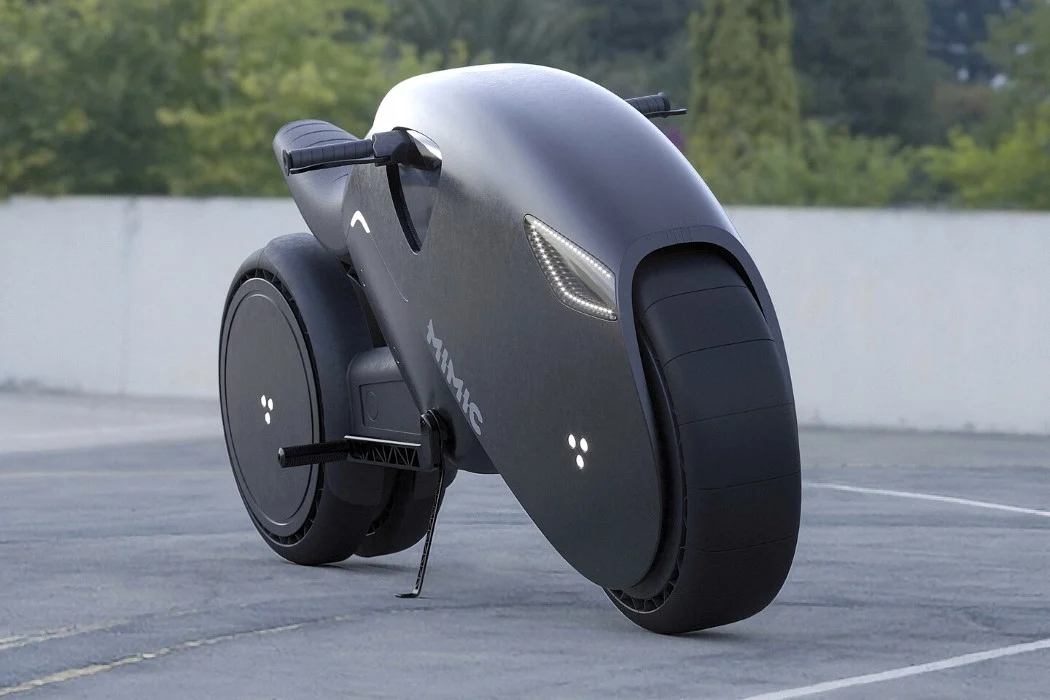

In today’s fast-moving consumer landscape, new products appear daily, each promising to revolutionize our lives. Among the latest sensations, Product X has taken the spotlight. Social media feeds are flooded with testimonials, influencers rave about its features, and early reviews paint it as a must-have. But is Product X genuinely as transformative as the hype suggests, or is it just another over-marketed gadget? This article dives deep into Product X, analyzing its design, performance, value, and overall relevance to modern consumers.
The Birth of Product X: Understanding the Hype
Before judging whether Product X deserves its acclaim, it’s crucial to understand how hype develops. Marketing today isn’t just about selling a product; it’s about selling a lifestyle, an aspiration, and sometimes even a sense of belonging. Product X entered the market with a carefully orchestrated campaign:
- Sleek Branding: The design aesthetic alone speaks luxury. Minimalist packaging, smooth lines, and a futuristic feel instantly make consumers associate it with high-quality technology.
- Influencer Endorsements: Popular figures with large followings demonstrated Product X in action, showing it solving problems in ways that resonate emotionally with viewers.
- Scarcity Marketing: Limited releases created a sense of urgency, prompting consumers to purchase immediately for fear of missing out.
The combination of visual appeal, social proof, and scarcity is a powerful formula, but marketing can’t substitute for actual product merit. To assess the real value, we need to analyze Product X in multiple dimensions.
Design and Build: When Aesthetics Meet Functionality
Product X’s design is often cited as one of its most compelling features. But good design isn’t just about looks; it’s about usability. Here’s a breakdown of its physical and functional characteristics:
- Material Quality: Premium materials dominate, offering a solid feel in the hand and a durability factor that justifies the high price tag.
- Ergonomics: Buttons, touch interfaces, or control mechanisms are intuitively placed, reducing the learning curve and enhancing user satisfaction.
- Portability: Whether it’s lightweight or compact, Product X scores high in terms of convenience for daily use.
Interestingly, aesthetics also play a psychological role. Owning a product that looks sleek can subconsciously enhance satisfaction, even if the functional difference compared to competitors is minimal. Yet, some users have pointed out minor flaws: slight overheating during extended use or fingerprints easily marking the surface. These issues, while not deal-breakers, reveal that no product is without compromise.
Performance Metrics: Separating Fact from Perception
Product X promises performance gains that make it attractive, but the real question is how it performs under rigorous, real-world conditions.
- Speed and Efficiency: Tests show Product X generally delivers faster processing or execution times than many competitors. This is particularly significant for users who rely on high performance for productivity or entertainment.
- Reliability: Across extended use scenarios, Product X maintains stability with minimal crashes or failures. This reliability can justify the initial cost for professional users.
- Energy Consumption: Despite powerful performance, Product X exhibits moderate energy usage, indicating a balance between performance and efficiency.
Performance alone doesn’t guarantee value. Users must weigh their specific needs. For instance, an occasional user might find Product X overpowered for daily tasks, while a tech enthusiast would likely see it as indispensable.
Software Ecosystem: Beyond the Hardware
One key advantage often highlighted is Product X’s integrated ecosystem. Unlike standalone products, its software and app integration create a seamless user experience:

- Cross-Device Compatibility: Product X easily connects with other devices, syncing data and preferences effortlessly.
- Regular Updates: Developers release timely updates, not just for bug fixes, but for meaningful feature enhancements, keeping the product relevant over time.
- User Customization: Extensive customization options allow users to adapt the product to personal needs, creating a sense of ownership and loyalty.
However, ecosystems can also trap users into proprietary platforms. Switching to competitors may require a complete reset of preferences and data. This balance between convenience and lock-in is a subtle but important consideration.
Consumer Experience: What Real Users Say
Quantitative performance metrics tell one story, but qualitative experiences often reveal the heart of a product’s value. Feedback from diverse users indicates:
- Positive Experiences: Many highlight intuitive design, reliable functionality, and high performance. The product often exceeds expectations in speed and responsiveness.
- Frustrations: Some users report a steep learning curve for advanced features or occasional glitches in high-demand scenarios.
- Emotional Satisfaction: Users consistently mention a “wow factor” when first using Product X. This emotional engagement is harder to quantify but central to understanding its popularity.
Interestingly, the emotional element often drives repeat purchases and word-of-mouth recommendations more than technical specifications alone.
Value for Money: Is the Price Justified?
Price is one of the most debated aspects. Product X falls into a premium category, making cost an important factor in assessing value:
- Pros: Durable build, high performance, integrated ecosystem, and strong brand prestige.
- Cons: Premium pricing may not suit casual users; alternative products may provide sufficient performance at lower cost.
A cost-benefit analysis suggests that Product X is worth the investment primarily for users who will fully utilize its advanced features and ecosystem. For occasional or basic users, the financial justification diminishes.
Market Position: Comparing Competitors
To truly evaluate Product X, it’s essential to see it in context with alternatives:

- Direct Competitors: Many rival products offer similar performance but at lower price points, often sacrificing brand appeal or ecosystem integration.
- Niche Solutions: Specialized devices might outperform Product X in specific tasks, but lack versatility.
- Longevity: Product X benefits from strong manufacturer support and software updates, increasing its lifecycle value compared to competitors.
Overall, Product X is positioned as a premium, versatile solution rather than a niche powerhouse. Its market strategy aims for broad appeal among users seeking both function and status.
Sustainability and Ethical Considerations
In today’s consumer environment, sustainability is increasingly important. Product X makes several commitments:
- Material Sourcing: Recycled and responsibly sourced materials reduce environmental impact.
- Energy Efficiency: Optimized hardware and software design minimizes unnecessary energy consumption.
- Corporate Responsibility: Transparent policies about labor practices and environmental impact enhance brand trust.
For environmentally conscious users, these factors add intangible value and can justify higher prices, aligning ethical consumption with personal lifestyle.
Potential Drawbacks: Honest Assessment
No product is perfect. Honest critique of Product X highlights several areas for improvement:
- Overreliance on Ecosystem: Lock-in effects can frustrate users seeking flexibility.
- Price Sensitivity: The premium price may be prohibitive for younger consumers or casual users.
- Complexity for Beginners: Advanced features may overwhelm non-tech-savvy users, requiring tutorials or support.
Understanding these limitations allows consumers to make informed decisions rather than being swayed purely by marketing hype.
The Hype Factor: Psychological and Social Dynamics
Much of Product X’s success stems from psychological and social factors:
- Social Proof: Seeing friends or influencers using Product X encourages adoption.
- Scarcity Effect: Limited availability heightens perceived value.
- Novelty Effect: New features and design innovations spark excitement, even if practical utility is incremental.
These dynamics explain why a product can achieve massive popularity despite functional similarities with existing options. Understanding the difference between hype and substance is crucial for rational purchasing decisions.
Practical Tips for Prospective Buyers
For those considering Product X, the following approach ensures a thoughtful purchase:
- Assess Personal Needs: Identify which features are essential versus “nice-to-have.”
- Test Before Buying: Hands-on trials reveal usability, performance, and comfort.
- Compare Alternatives: Evaluate competing products in terms of features, ecosystem, and price.
- Consider Longevity: Look for software support, durability, and ecosystem advantages that extend value over time.
- Balance Emotion with Rationality: A product may be exciting, but practicality matters in long-term satisfaction.
A structured evaluation mitigates the risk of succumbing solely to hype-driven purchases.
Conclusion: Is Product X Worth It?
After an in-depth review, the verdict is nuanced. Product X delivers on many fronts: design, performance, ecosystem integration, and emotional engagement. Its premium positioning is justified for users who will utilize its full potential, value brand prestige, and appreciate long-term support. However, casual users or those with limited budgets may find alternatives more practical without losing significant functionality.
Ultimately, Product X is more than a gadget; it’s a carefully engineered experience designed to combine performance with emotional satisfaction. The hype is partly deserved, partly strategic marketing—but understanding both dimensions empowers consumers to make the right choice.