





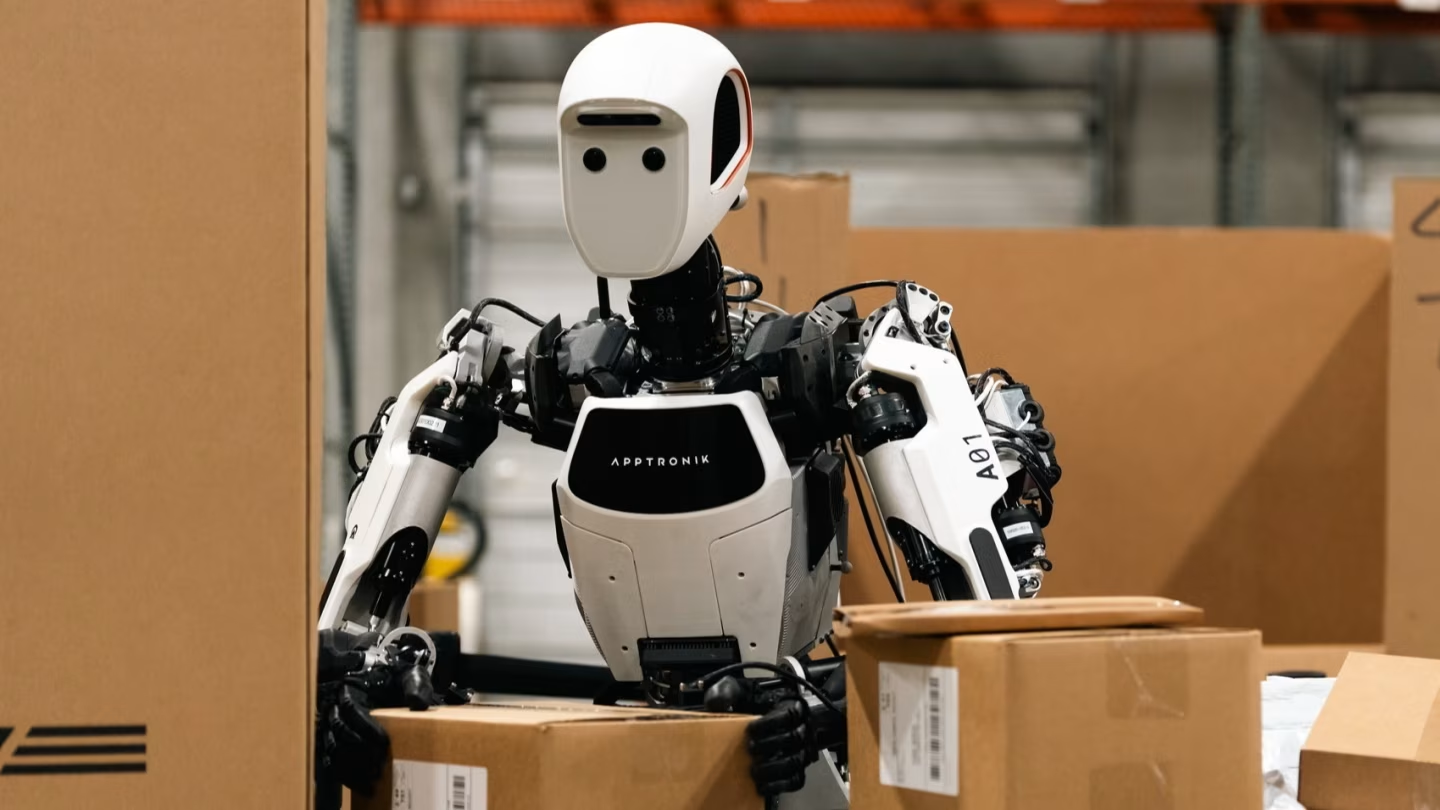

Technology never sleeps. Every year, the industry pushes boundaries, turning what once seemed impossible into everyday conveniences. But among all the gadgets, software, and smart devices that have emerged this year, one upgrade stands out—a fusion of hardware, software, and user-centric innovation that could redefine how we interact with technology. In this article, we’ll dive deep into this tech upgrade, exploring why it’s considered revolutionary, how it impacts users and industries, and what it signals for the future.
The Context: Why Upgrades Matter More Than Ever
Tech upgrades have always been about more than incremental improvements. Sure, faster processors, higher-resolution displays, or longer battery life are important—but the truly transformative upgrades go beyond specs. They change the way we think about technology. They reshape workflows, creativity, and even social interactions.
This year, the bar was higher than ever. AI integrations, immersive interfaces, and sustainability considerations became key drivers of development. Users expect not just speed or performance, but intuitive experiences that feel almost magical. This is where the standout upgrade of the year shines.
Meet the Upgrade: A Seamless Fusion of AI and Hardware
At the heart of this breakthrough is an upgrade that merges AI intelligence with next-generation hardware, resulting in a device that anticipates user needs, adapts in real time, and significantly improves efficiency. Think of it as a smart ecosystem in a single product:
- Adaptive Performance: Unlike traditional devices that operate at a fixed performance level, this upgrade can scale its capabilities dynamically. Heavy tasks like video editing or 3D rendering no longer require manual optimization; the system self-adjusts for peak efficiency.
- Predictive Assistance: Built-in AI analyzes patterns in user behavior, providing suggestions and automating repetitive tasks. It’s not just a tool—it becomes a collaborative partner, reducing mental load and allowing users to focus on creativity and strategy.
- Immersive Interfaces: The integration of high-resolution displays, tactile feedback, and spatial audio creates a sense of immersion previously reserved for specialized professional setups. Work and play converge seamlessly.
Real-World Applications: From Home to Enterprise
While it might seem like this upgrade is designed for tech enthusiasts, its real power lies in its broad applicability. Let’s break it down across different scenarios:
1. Creative Professionals
Graphic designers, filmmakers, and game developers face demanding workloads. Rendering times, color accuracy, and multi-tasking capabilities are critical. With this upgrade, complex processes are accelerated, AI-driven suggestions help with composition and editing, and seamless integration with cloud services ensures collaboration is frictionless.
Imagine a filmmaker editing a 4K sequence: the system automatically optimizes rendering without compromising quality, suggests scene adjustments based on lighting and motion, and even predicts optimal soundtrack placement. This is a game-changer for creative efficiency.
2. Remote and Hybrid Work
Hybrid work has shifted expectations. Professionals need devices that adapt to both office setups and home environments. This upgrade leverages AI to manage bandwidth, prioritize tasks, and reduce lag in real-time communication apps. Noise cancellation, adaptive display brightness, and multitasking dashboards create a smooth workflow whether in a conference room or a home office.
3. Everyday Consumers
The average user benefits too. Think of AI-enhanced battery management, app optimization, and personal assistance. Tasks that once required multiple apps—scheduling, note-taking, and content creation—can now be done seamlessly within a single ecosystem. It’s convenience elevated to an art form.
4. Enterprise and Industry
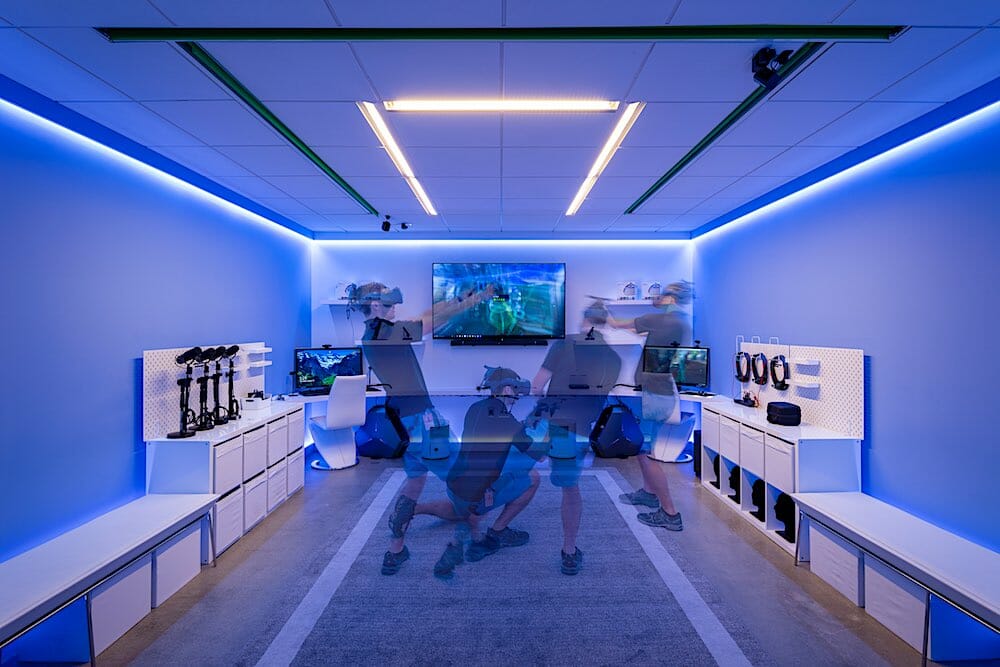
On an industrial level, predictive maintenance, logistics optimization, and data analysis become more intelligent. This upgrade can process large datasets at unprecedented speeds, detect anomalies, and suggest corrective actions, effectively reducing downtime and operational costs. Companies adopting this upgrade see tangible ROI within months.
Technical Innovations Behind the Upgrade
What makes this technology truly revolutionary is not just its use case, but the engineering behind it:
Quantum-Inspired Processing
While not true quantum computing, the architecture borrows principles from quantum algorithms to perform complex calculations more efficiently. This allows AI models to run faster, with less energy consumption—a win for both performance and sustainability.
Modular Hardware Design
Instead of a fixed configuration, components can be swapped or upgraded individually. Users can enhance graphics, storage, or processing power without replacing the entire system. This approach reduces electronic waste and extends device lifespan, aligning with global sustainability trends.
Neural AI Core
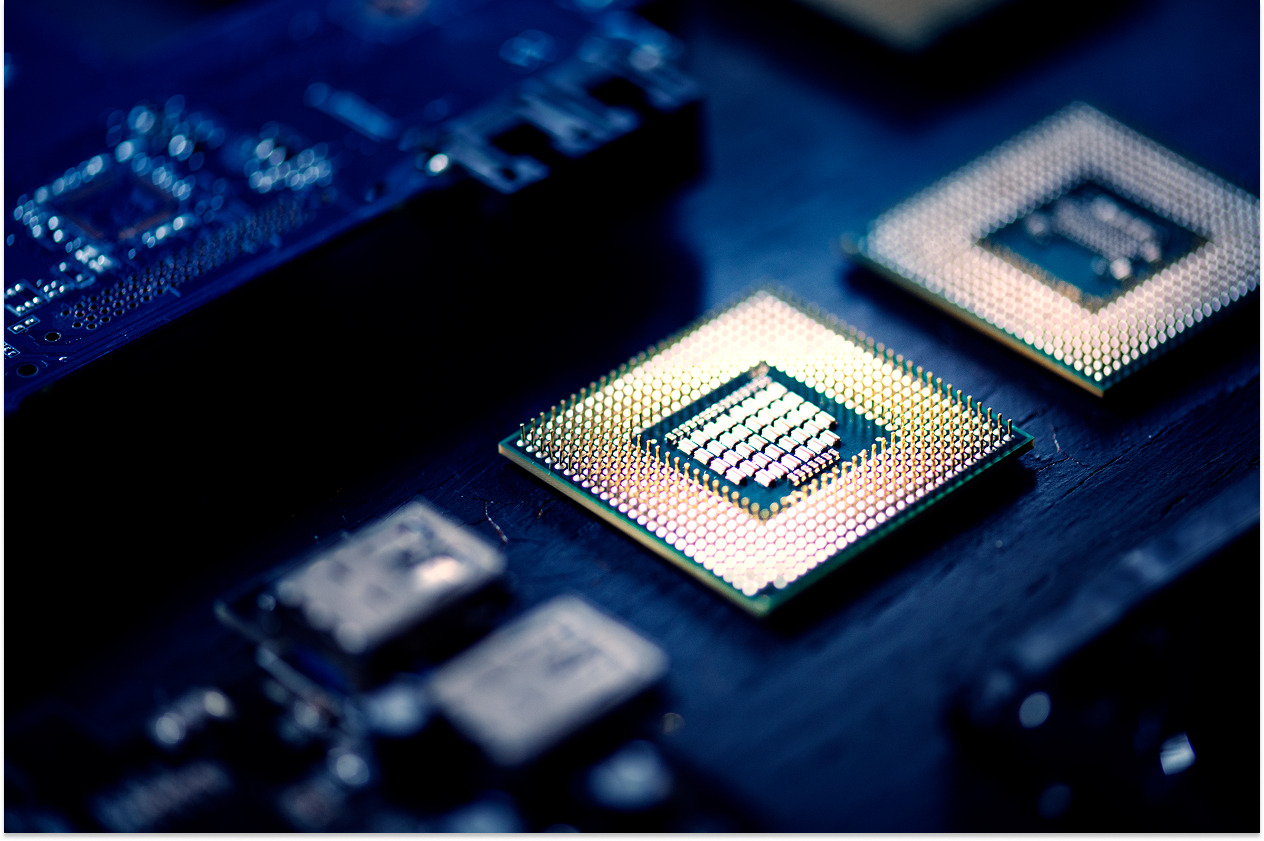
The device features a dedicated neural processing unit that accelerates AI tasks. Unlike traditional CPU or GPU-focused systems, this core handles predictive modeling, pattern recognition, and real-time adjustments with minimal latency. The result is a device that feels almost intuitive in its responsiveness.
Energy Efficiency and Sustainability
Energy consumption is a growing concern in tech. This upgrade integrates smart power management, recyclable materials, and low-energy components. By balancing performance with efficiency, it offers high-speed processing without excessive environmental cost.
User Experience: Redefining Interactions
Technology’s value is ultimately measured by how it improves human experience. This upgrade excels in several areas:
- Intuitive Learning Curve: AI guides users step-by-step, reducing the frustration typically associated with advanced systems. Even novices can unlock professional-level features quickly.
- Contextual Adaptation: The system adapts based on location, activity, and user preferences. For instance, it switches display modes when entering a bright environment or adjusts processing power during battery-intensive tasks.
- Seamless Integration: It plays well with other devices, creating a cohesive ecosystem across smartphones, tablets, PCs, and smart home devices.
Imagine a morning routine: your device syncs with your calendar, prepares a briefing with AI-summarized news, optimizes your commute route, and even suggests lunch spots based on your preferences. Technology stops being a tool and starts being an assistant.
Comparison With Other Upgrades This Year
Many tech upgrades this year made headlines: foldable devices, advanced smartwatches, and AI-powered software. Yet what sets this upgrade apart is its holistic approach. While others focused on one aspect—design, AI, or processing power—this combines all three into a unified experience.
- Performance vs. Convenience: Some devices offer raw speed but neglect usability. This upgrade balances both.
- AI Integration: AI is now a practical feature, not a gimmick. It actively reduces workload and anticipates needs.
- Sustainability: In an era where eco-conscious consumers demand more, this upgrade addresses environmental impact without compromising performance.
In essence, it isn’t just “better” hardware or “smarter” software—it’s a new standard for what a device can be.
Industry Impact: A Glimpse Into the Future
The ripple effect of this upgrade extends beyond individual users. Companies that integrate it see increased productivity, enhanced collaboration, and faster innovation cycles. In education, students benefit from adaptive learning platforms that respond to individual needs. In healthcare, predictive AI assists with diagnostics and patient management.
This upgrade also sets the tone for competitors: modularity, AI integration, and sustainability are likely to become standard expectations rather than optional features. The market is evolving toward systems that are intelligent, flexible, and environmentally conscious.
Challenges and Considerations
No upgrade is without challenges. Early adopters may encounter software compatibility issues, and the complexity of AI-driven suggestions can be overwhelming for some. Data privacy is another concern, as predictive systems rely on behavioral patterns to function optimally.
Manufacturers have addressed these issues by providing robust security frameworks, granular user controls, and extensive support documentation. The takeaway: the upgrade is designed for accessibility, but responsible usage is key.
Why It Could Be the Best Upgrade of the Year
When evaluating tech upgrades, we consider several criteria: innovation, usability, impact, and forward-thinking design. This upgrade checks all the boxes:
- Innovation: It combines AI, modular hardware, and immersive interfaces in a single ecosystem.
- Usability: From novices to professionals, the learning curve is smooth, and the device adapts to individual needs.
- Impact: Its applications span entertainment, work, education, healthcare, and enterprise.
- Sustainability: The upgrade reduces energy consumption, supports modular upgrades, and emphasizes recyclable materials.
- Future-Proofing: It sets a benchmark for what we should expect in coming years—intelligent, adaptable, and eco-friendly technology.
By blending cutting-edge engineering with real-world practicality, it redefines expectations for what a tech upgrade can accomplish in a single year.
Conclusion: A Leap Forward, Not Just a Step
In the crowded landscape of tech releases, it’s rare for a single upgrade to stand out so comprehensively. This year, however, one device managed to combine speed, intelligence, adaptability, and sustainability into a single, cohesive system. It doesn’t just enhance the user experience—it reshapes it, making technology more intuitive, more capable, and more responsible than ever before.
As we look ahead, this upgrade serves as a benchmark. It reminds us that technology’s true value lies not in flashy specifications, but in how seamlessly it integrates into daily life, anticipating our needs, enhancing our capabilities, and respecting the planet we inhabit.
In that sense, it may very well be the best tech upgrade of the year—and perhaps a glimpse of what’s next for the entire industry.