





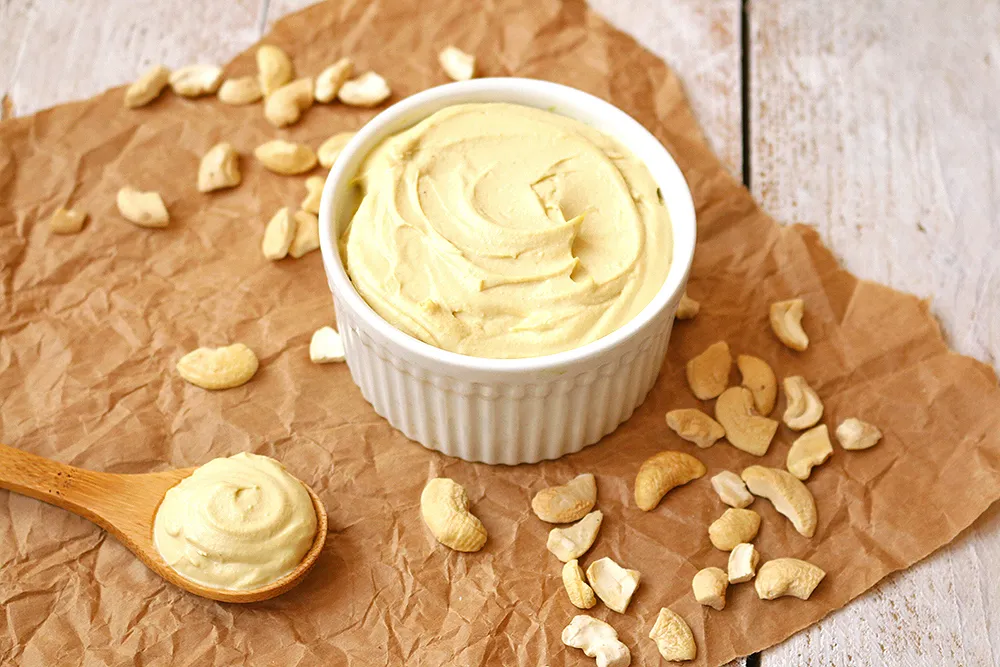

Cheese has long been a beloved staple in kitchens and dining rooms around the world. Its creamy textures, tangy notes, and melty delights elevate countless dishes. But for vegans, those allergic to dairy, or anyone wanting a healthier alternative, traditional cheese is off the menu. Enter vegan cheese—a versatile, plant-based marvel that not only satisfies cravings but also offers a chance to experiment in your kitchen.
While store-bought vegan cheeses have come a long way, making your own offers creative control, fresher flavors, and often superior nutrition. This guide will take you through the vibrant world of homemade vegan cheese, from understanding its foundations to mastering advanced techniques. By the end, you’ll be equipped to make cheeses that impress both vegans and omnivores alike.
Understanding Vegan Cheese: The Basics
At its core, vegan cheese is any cheese made without animal products. Unlike traditional cheese, it uses plant-based ingredients like nuts, seeds, soy, coconut, and nutritional yeast to replicate dairy’s flavor, texture, and meltability. Understanding the foundations of vegan cheese helps you customize your creations.
Common Bases for Vegan Cheese
- Cashews:
Cashews are the most popular base for creamy vegan cheeses due to their mild flavor and smooth blending properties. Soaking them softens their texture, making them perfect for spreads, soft cheeses, and even semi-firm types. - Almonds:
Almonds provide a slightly nuttier flavor and a firmer texture. They’re excellent for ricotta-style cheeses or firmer blocks. - Macadamia Nuts:
With a high-fat content, macadamias produce luxuriously creamy cheeses with a rich, buttery taste. - Coconut Milk or Cream:
Coconut lends a soft, creamy texture and is especially useful in meltable cheeses due to its fat content. It’s great for sauces, pizzas, and drizzles. - Soy:
Tofu is a staple for vegan cheesemakers. Its neutral taste and ability to set firmly with coagulants make it a versatile base for both soft and firm cheeses. - Seeds (Sunflower, Pumpkin, Hemp):
Seeds are nutrient-rich and budget-friendly alternatives to nuts. They can be blended into smooth cheeses or left partially textured for spreadable varieties.
Flavoring Agents
The flavor of vegan cheese comes from more than just the base. Some common enhancers include:
- Nutritional yeast: Adds a cheesy, nutty, umami-rich flavor.
- Lemon juice: Provides tanginess that mimics fermented dairy.
- Apple cider vinegar: Offers sharpness and acidity.
- Miso paste: Deepens the savory notes with fermentation.
- Garlic and herbs: Elevate the taste profile for specialty cheeses.
- Smoked paprika, turmeric, or black salt (kala namak): Introduces smokiness, color, and an eggy or tangy hint.
Setting Agents
Some vegan cheeses benefit from firmness, especially if you want slices or shreds. Common setting agents include:
- Agar-agar: A seaweed-derived gelatin alternative that solidifies at room temperature.
- Carrageenan: Another seaweed extract used in some commercial vegan cheeses.
- Tapioca starch: Creates stretchiness for melty, gooey textures.
- Arrowroot powder: Works as a thickener for soft and creamy cheeses.
Getting Started: Essential Tools and Ingredients
Before diving in, make sure you have a well-equipped kitchen. The right tools make the process smooth and enjoyable.
Must-Have Tools
- High-speed blender or food processor: Essential for creamy, smooth blends.
- Mixing bowls: Various sizes for soaking, mixing, and fermentation.
- Cheesecloth or nut milk bag: For draining and shaping cheeses.
- Small saucepan: For heating, melting, or activating thickening agents.
- Molds or containers: To shape and set firmer cheeses.
- Thermometer: Optional but useful for precise melting and setting.
Pantry Essentials
To create versatile vegan cheeses, stock your kitchen with:
- Cashews, almonds, or macadamia nuts
- Coconut milk or cream
- Nutritional yeast
- Miso paste
- Agar-agar, tapioca starch, or arrowroot powder
- Lemon juice and apple cider vinegar
- Spices: garlic powder, smoked paprika, turmeric, black salt
- Fresh herbs like chives, thyme, or rosemary
Basic Vegan Cheese Recipes
Let’s start with simple, approachable recipes. These are great for beginners and require minimal equipment.
1. Cashew Cream Cheese
Ingredients:
- 1 cup raw cashews, soaked 4 hours
- 2 tbsp lemon juice
- 1 tbsp nutritional yeast
- 1 tsp apple cider vinegar
- 1/2 tsp salt
- 2-4 tbsp water, as needed
Instructions:
- Drain and rinse cashews.
- Blend all ingredients in a high-speed blender until creamy and smooth.
- Adjust consistency with water if needed.
- Transfer to a container and chill for 1–2 hours to firm slightly.
Uses: Spread on bagels, crackers, or use as a base for dips.
2. Almond Ricotta
Ingredients:
- 1 cup blanched almonds, soaked overnight
- 1/4 cup water
- 2 tbsp lemon juice
- 1 tbsp nutritional yeast
- 1/2 tsp salt
Instructions:
- Drain and blend almonds with water, lemon juice, and nutritional yeast until smooth.
- Pulse lightly for a slightly chunky texture like traditional ricotta.
- Chill before use.
Uses: Lasagna, stuffed pasta, or vegan cheesecakes.
3. Soft Tofu Herb Cheese
Ingredients:
- 1 block silken tofu
- 2 tbsp nutritional yeast
- 1 tbsp lemon juice
- 1 clove garlic
- Fresh herbs (chives, parsley, dill)
- Salt and pepper to taste
Instructions:
- Blend all ingredients until smooth.
- Refrigerate for 1–2 hours.
- Garnish with extra herbs before serving.
Uses: Sandwich spread, appetizer dip, or salad topper.
Advanced Vegan Cheese Techniques
Once you master basic recipes, you can explore advanced techniques like fermentation, aging, and creating meltable varieties.
Fermented Vegan Cheese
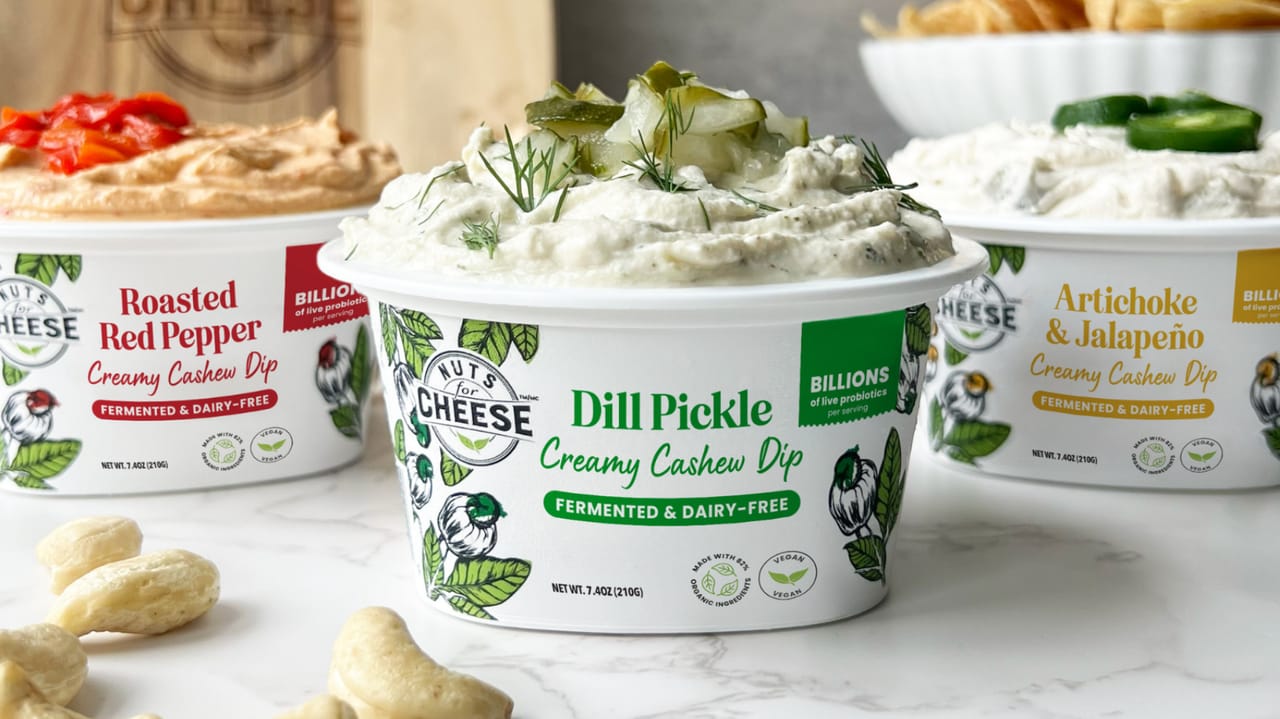
Fermentation adds tangy complexity similar to traditional aged cheese. You can ferment cashew, almond, or soy-based cheeses using probiotics or starter cultures.
Steps:
- Blend your nut or seed base with water, salt, and flavorings.
- Add a probiotic capsule or vegan starter culture.
- Cover loosely and leave in a warm spot (75–85°F) for 12–48 hours.
- Taste periodically; longer fermentation increases tanginess.
Tips: Use a clean environment to avoid unwanted bacteria.
Firm Vegan Cheese with Agar
For cheeses you want to slice or shred:
Basic Method:
- Combine your nut base with agar-agar (1 tsp per cup of liquid).
- Heat mixture in a saucepan, stirring constantly until thickened.
- Pour into molds and let set in the fridge for 1–2 hours.
Variations: Add smoked paprika, turmeric, or black salt for flavor.
Melty Vegan Cheese
Creating melty cheese can be tricky. Tapioca starch is your friend here:
Ingredients:
- 1/2 cup soaked cashews
- 1 cup water or plant milk
- 2 tbsp tapioca starch
- 1 tbsp nutritional yeast
- 1 tsp lemon juice
- 1/2 tsp salt
Instructions:
- Blend all ingredients until smooth.
- Cook in a saucepan over medium heat, stirring constantly until stretchy.
- Use immediately for pizzas, nachos, or grilled sandwiches.
Pro Tip: Avoid overheating; it can make cheese too rubbery.
Tips for Perfect Vegan Cheese
- Soak nuts properly: Softer nuts blend more smoothly.
- Experiment with flavors: Don’t be afraid of bold spices or herbs.
- Mind your liquids: Too much water can make cheese runny; too little, crumbly.
- Chill or age: Some cheeses taste better after resting for a few hours or days.
- Use proper tools: High-speed blenders and good molds make shaping easier.
Common Challenges and Solutions
- Grainy texture: Usually under-blended nuts or insufficient soaking. Blend longer and strain if needed.
- Too soft: Add agar-agar or chill longer.
- Too tangy: Reduce lemon juice or vinegar in the recipe.
- Doesn’t melt: Use tapioca starch or coconut cream in the base.
Creative Ideas for Vegan Cheese
- Stuffed vegan cheese balls: Mix herbs and nuts, form balls, roll in crushed nuts.
- Vegan cheese spreads: Blend soft cheese with roasted red peppers or sun-dried tomatoes.
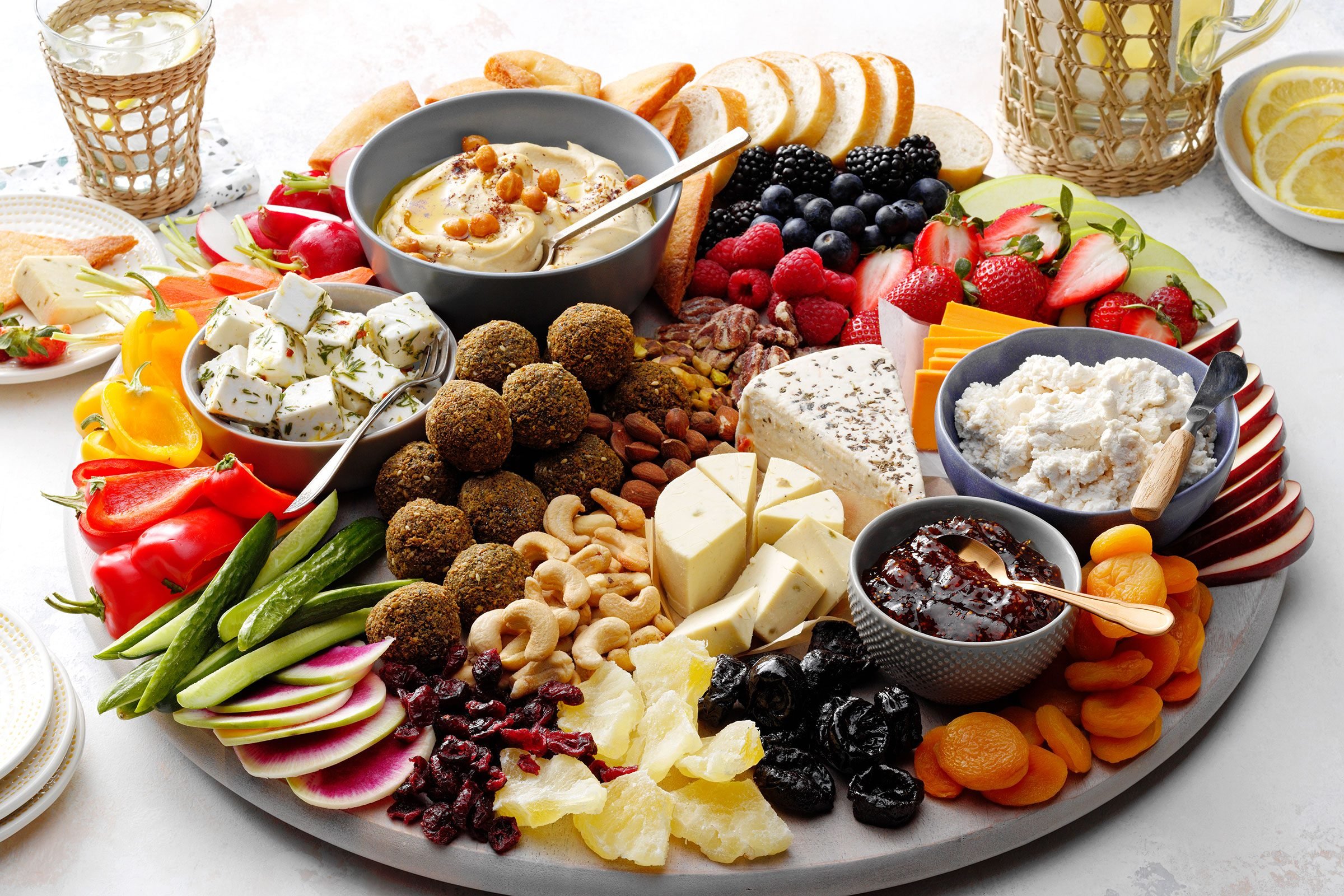
- Cheese boards: Create a variety of textures, colors, and flavors.
- Dessert cheese: Cashew-based sweet cheeses with maple syrup, vanilla, and cocoa.
Health and Environmental Benefits
Vegan cheeses can be healthier than dairy alternatives. They are:
- Cholesterol-free: Good for heart health.
- Lower in saturated fat: Especially when using nuts instead of coconut.
- Rich in nutrients: Nuts, seeds, and nutritional yeast provide protein, vitamins, and minerals.
- Environmentally friendly: Plant-based diets reduce greenhouse gas emissions and water usage.
Conclusion
Making your own vegan cheese is more than a culinary task—it’s a creative adventure. From the nutty sweetness of cashews to the stretchy magic of tapioca starch, the possibilities are vast. With basic techniques, some essential tools, and a willingness to experiment, anyone can create vegan cheeses that delight the palate and impress guests.
So next time you crave cheese, don’t just buy it—try making your own. You might discover your favorite flavor combination yet, and you’ll enjoy the satisfaction of creating something uniquely yours, all while being kind to animals and the planet.