





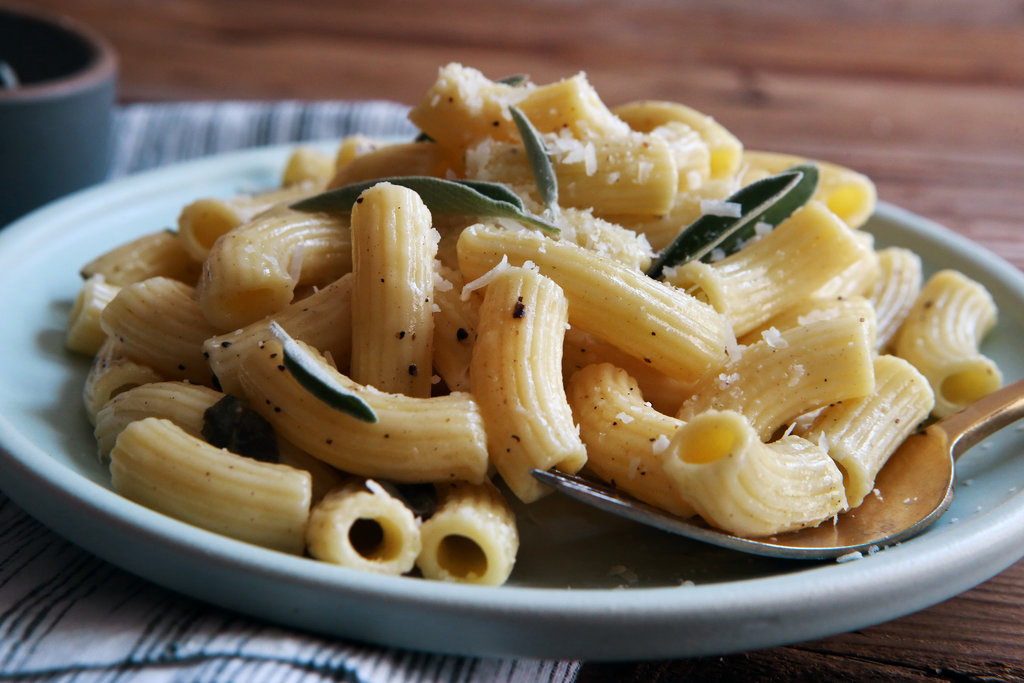

Pasta is one of those culinary canvases that can be simple yet sublime. A humble bowl of spaghetti or penne often requires little more than boiling water and a pinch of salt to transform wheat into golden strands of comfort. But what if you could elevate this simplicity with just one ingredient? Could a single addition make a pasta dish unforgettable without turning it into an elaborate affair? The answer is a resounding yes. In the following exploration, we’ll dissect the art of transforming pasta with precision, creativity, and, most importantly, one extraordinary ingredient.
The Philosophy of Minimalist Cooking
Minimalism in cooking is not about scarcity—it’s about amplification. Imagine a musician who can play an entire symphony with one instrument. Similarly, in the kitchen, you can transform pasta into a masterpiece without a parade of ingredients. Minimalist cooking is rooted in understanding flavors, textures, and aromas at a granular level. Every bite must deliver clarity, resonance, and satisfaction. In the context of pasta, the “one ingredient” acts as both a spotlight and a catalyst, drawing out the hidden depth of the noodles themselves.
When chefs talk about minimalism, they often emphasize ingredient quality over quantity. A single, well-chosen ingredient can define a dish in a way that multiple mediocre ones cannot. In pasta, this philosophy is particularly potent: the noodles are neutral by design, meant to marry and amplify flavors.
Choosing the Right Pasta
Before considering your star ingredient, the choice of pasta itself sets the stage. The texture, shape, and thickness of pasta can influence how an ingredient interacts with it. Here’s a quick guide:
- Spaghetti: Long, slender, classic, ideal for oil-based or light sauces.
- Fettuccine: Wide and flat, perfect for creamy or richer flavors.
- Penne: Tubular, catches sauce beautifully in its hollow center.
- Orecchiette: Small, ear-shaped pasta that cradles chunky ingredients.
- Gemelli or Fusilli: Twisted shapes that trap every drop of sauce.
Understanding your pasta’s architecture helps maximize the impact of your one ingredient. For instance, delicate ingredients may be overshadowed by thick, tubular pasta, while robust ingredients can stand out beautifully in simple shapes.
The Transformative Ingredient
So, what kind of ingredient can truly elevate pasta alone? It must be flavorful, aromatic, and texturally engaging. Some may think of cheeses, oils, or herbs, but the beauty lies in picking something that doesn’t merely complement pasta—it redefines it. For example, one ingredient can simultaneously provide saltiness, umami, richness, or a hint of sweetness.
Classic Example: Parmesan Cheese
Parmesan is more than grated cheese—it’s a flavor powerhouse. A simple sprinkle can:
- Introduce umami, making noodles taste deeper and more satisfying.
- Add saltiness, balancing otherwise plain pasta.
- Create texture, especially when combined with pasta water to form a silky coating.
Here’s the technique: cook pasta until al dente, reserve a cup of starchy water, and off the heat, toss the noodles with a generous handful of Parmesan. Slowly add pasta water until the cheese melts, creating a creamy, clingy coating. Suddenly, plain pasta becomes luxurious.
Alternative Powerhouses
While Parmesan is classic, other single ingredients can work wonders:
- Extra-Virgin Olive Oil: A drizzle of high-quality oil transforms noodles into a fragrant, glossy dish with subtle fruitiness and warmth.
- Garlic: Lightly sautéed, it infuses noodles with aromatic depth.
- Truffle: A few shavings elevate pasta into decadent territory.
- Butter: Simple, rich, and perfectly harmonizes with pasta starch for silky texture.
- Anchovy Paste: Adds umami and salt complexity without tasting overtly fishy.
Each of these demonstrates that one ingredient, thoughtfully applied, can define the entire experience.
Cooking Techniques to Maximize One Ingredient
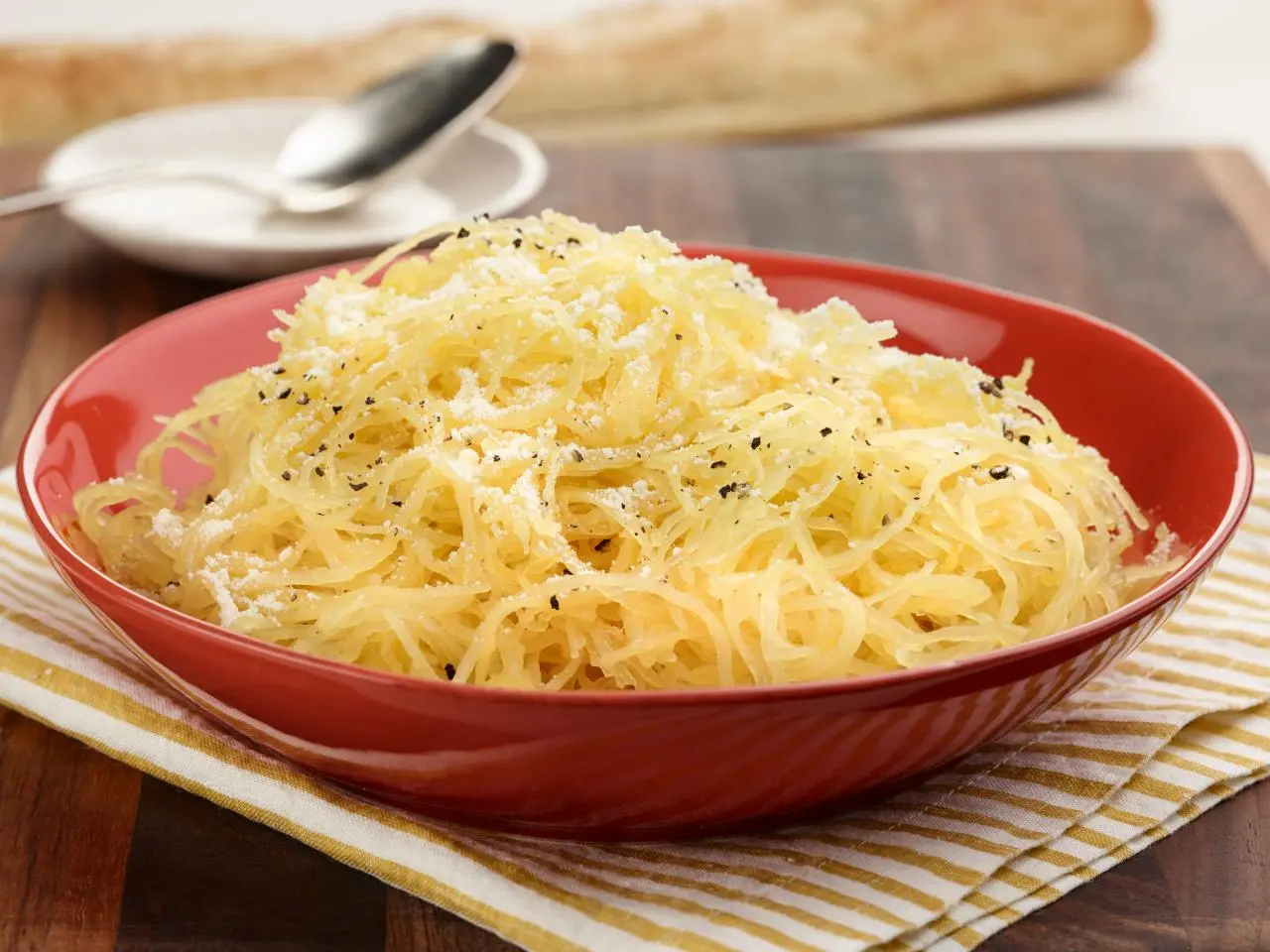
Elevating pasta with a single ingredient is as much about technique as it is about selection. Here are key methods:
1. Emulsification
This is the magical process where starch from pasta water and fat from butter, cheese, or oil combine to create a creamy, cohesive coating. Without emulsification, your pasta risks being dry, uneven, or flat in taste.
Step-by-step:
- Cook pasta until just al dente.
- Reserve a small amount of pasta water.
- Toss pasta with your one ingredient off the heat.
- Add water gradually, stirring constantly, until it clings in a creamy, glossy layer.
2. Infusion
If your ingredient is aromatic, like garlic, chili, or truffle oil, infuse it before combining with pasta. Heat gently to release the flavors without overpowering. This method ensures that your pasta absorbs every note of your star ingredient.
3. Textural Contrast
Even with one ingredient, textural contrast elevates the dish. For instance, sprinkling grated Parmesan over olive oil-coated pasta introduces both creaminess and slight crunch. Toasting ingredients like nuts or breadcrumbs can also add depth without complicating the ingredient list.
Flavor Science Behind One-Ingredient Magic
Why does one ingredient sometimes feel like an entire meal? It’s rooted in taste perception and chemical interaction. Noodles themselves are mild but starchy, which makes them ideal carriers for flavors like:
- Umami: Found in cheeses, mushrooms, tomatoes, and anchovies. Stimulates savory satisfaction.
- Saltiness: Balances the blandness of noodles, intensifying other flavors.
- Fat: Found in butter, olive oil, or cream, creates mouthfeel and richness.
- Aromatics: Garlic, herbs, or chili provide sensory intrigue that complements the pasta’s texture.
By understanding these interactions, a single ingredient becomes a conductor, orchestrating every bite to feel complex and complete.
The Role of Pasta Water
Never underestimate pasta water—it’s liquid gold. The starchy water allows your one ingredient to bind to noodles seamlessly. This is particularly essential when using cheese, butter, or olive oil.
- Pro Tip: Always reserve more water than you think you need; it’s easier to thin a sauce than to thicken it.
- Science Insight: The starch granules released during boiling create a natural thickener that enhances cohesion, gloss, and flavor dispersion.
Signature One-Ingredient Recipes
Let’s explore some practical examples. These recipes are deliberately minimal yet maximized in flavor.
1. Parmesan Pasta
Ingredients:
- 200g spaghetti
- 50g Parmesan, finely grated
- Salt
- Freshly cracked black pepper (optional)
Method:
- Cook pasta in salted water until al dente.
- Reserve 1 cup of pasta water.
- Off the heat, toss pasta with Parmesan.
- Gradually add water to create a creamy, silky coating.
- Serve immediately, adding pepper if desired.
Why It Works: The cheese melts perfectly with starchy water, coating each strand. The flavor is intense yet clean, proving one ingredient can define the dish.
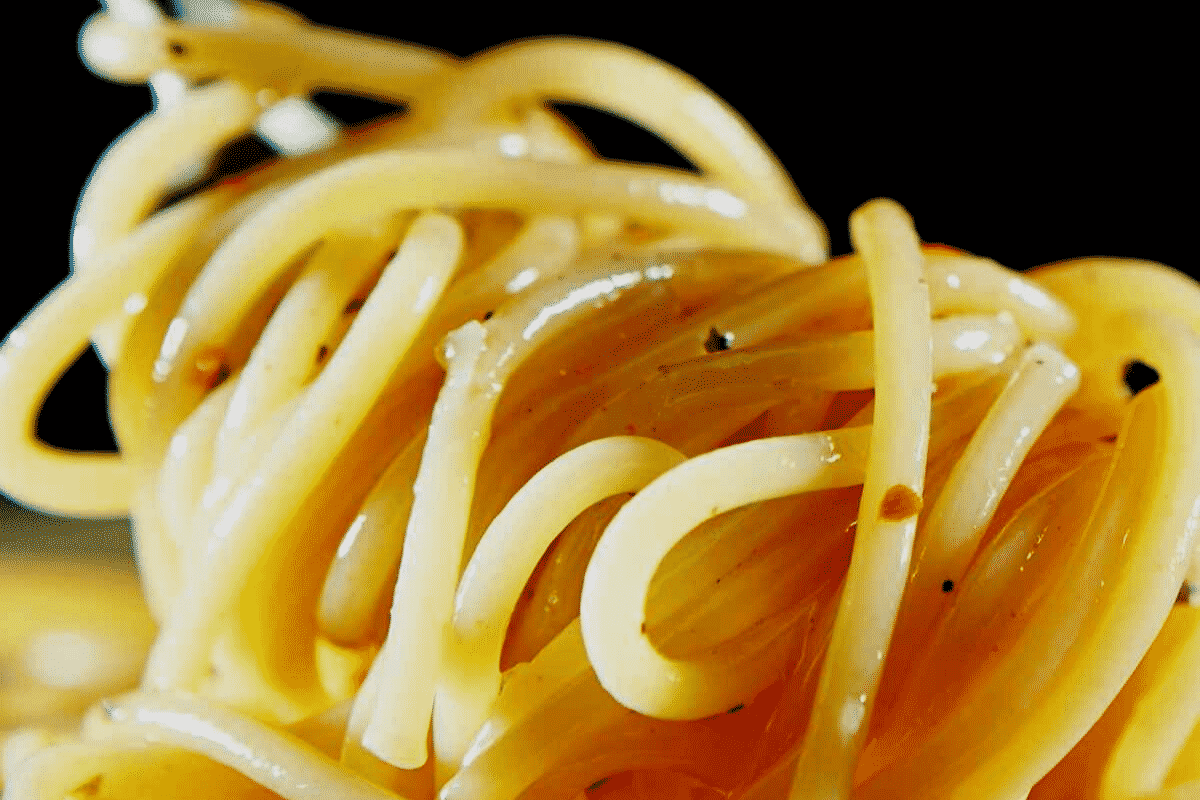
2. Olive Oil Spaghetti
Ingredients:
- 200g spaghetti
- 3 tbsp extra-virgin olive oil
- Salt
- Chili flakes (optional)
Method:
- Cook pasta in salted water.
- Drain and toss immediately with olive oil.
- Add chili flakes if desired.
- Serve warm.
Why It Works: Olive oil’s fruity and slightly peppery notes complement the wheatiness of pasta. The glossy finish makes even a minimalist dish feel indulgent.
3. Garlic Butter Fusilli
Ingredients:
- 200g fusilli
- 2 tbsp unsalted butter
- 1 clove garlic, minced
Method:
- Cook pasta in salted water.
- Melt butter in a pan, add garlic, and cook until fragrant.
- Toss pasta with garlic butter and a splash of reserved pasta water.
- Serve immediately.
Why It Works: Butter and garlic alone can feel like a full meal. The emulsification with pasta water ensures each twist is flavorful.
Common Mistakes to Avoid
Even with one ingredient, small missteps can ruin the magic:
- Overcooking pasta: Mushy noodles overwhelm the ingredient.
- Adding cheese to boiling water: It clumps and fails to coat.
- Using poor-quality olive oil: Aroma and flavor are compromised.
- Skipping seasoning: Even one ingredient needs salt balance.
Mastering these pitfalls ensures every simple pasta dish reaches its potential.
Elevating Presentation
Minimalist cooking extends to plating. A single ingredient can shine visually with thoughtful presentation:
- Twist long noodles into a neat nest.
- Sprinkle grated cheese in a spiral pattern.
- Drizzle oil or sauce to highlight glossiness.
- Garnish sparingly—sometimes, negative space is the best accent.
Even the simplest pasta can look like a gourmet dish when plated with intention.
Beyond the Plate: One Ingredient Philosophy
The lesson of one-ingredient pasta transcends cooking: it’s about focus, restraint, and precision. In a world obsessed with excess, learning to elevate simplicity fosters creativity. Chefs and home cooks alike discover that true flavor mastery lies not in clutter but in intentional choices.
Mastering one ingredient also builds a foundation for more complex dishes. Once you understand how a single element interacts with pasta, adding layers becomes intuitive rather than random.
In conclusion, the journey to elevate simple pasta with just one ingredient is an exploration in flavor, technique, and philosophy. Whether using Parmesan, olive oil, garlic, or truffle, the magic comes from understanding your ingredient, respecting the pasta, and employing precise cooking methods. Simple does not mean boring. In fact, with intentionality, a single ingredient can transform noodles into a dish that feels both effortless and unforgettable.
By embracing minimalism, experimenting with technique, and paying attention to flavor science, you unlock the potential of pasta in its purest, most expressive form. Next time you boil a pot of water, remember: one ingredient is all it takes to turn simplicity into brilliance.