





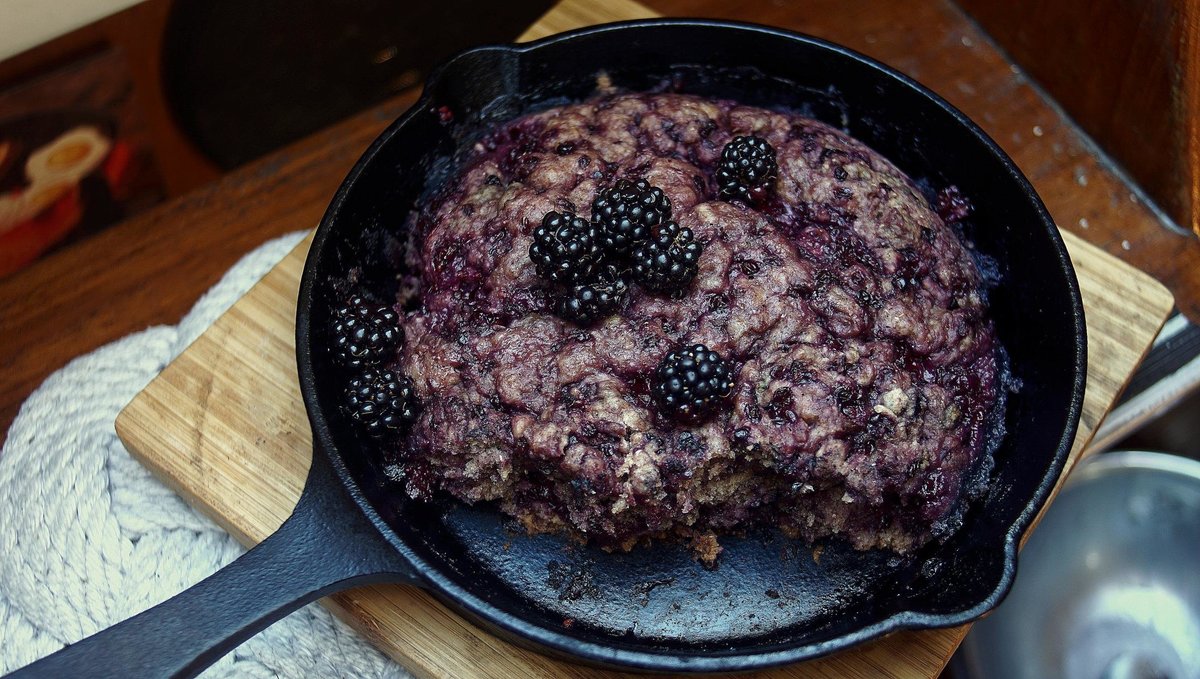

Baking has long been associated with the warm glow of an oven, the steady hum of heat circulating around dough and batter, and the comforting aroma that fills a kitchen as something delicious slowly comes to life. For many people, the oven feels like the heart of baking itself—remove it, and baking seems impossible.
But is that really true?
Can you really bake without an oven?
The short answer is yes.
The long answer is far more interesting.
This article explores the surprising, creative, and scientifically fascinating world of oven-free baking. From ancient techniques to modern kitchen hacks, from stovetops to slow cookers, from chemistry to culture, we will uncover how baking works, why ovens are not as essential as they seem, and how you can achieve impressive baked results using alternative heat sources.
Whether you live in a small apartment, travel frequently, enjoy experimenting in the kitchen, or simply want to understand food more deeply, this guide will change the way you think about baking forever.
1. What Does “Baking” Really Mean?
Before we can bake without an oven, we need to understand what baking actually is.
Many people define baking by equipment:
“If it goes in the oven, it’s baked.”
But professional cooks and food scientists define baking differently.
Baking Is a Process, Not a Place
At its core, baking is:
- Dry or semi-dry heat cooking
- Controlled temperature over time
- Transformation of raw ingredients through heat-driven reactions
These reactions include:
- Starch gelatinization
- Protein coagulation
- Moisture evaporation
- Leavening gas expansion
- Maillard browning
An oven is simply a convenient machine designed to deliver these conditions evenly and predictably. It is not the definition of baking—it is just one tool among many.
Once you understand this, the door opens to a much larger world of possibilities.
2. A Brief History of Baking Without Ovens
Ironically, baking existed long before modern ovens.
Ancient Baking Techniques
Early humans baked using:
- Hot stones
- Ash pits
- Clay domes
- Covered pots buried in embers
Flatbreads, early cakes, and leavened doughs were cooked using indirect heat and clever insulation. The first ovens were essentially improved fire pits, not the precise temperature-controlled boxes we use today.
Cultural Traditions Still Alive Today
Many cultures still bake without conventional ovens:
- Steamed cakes in East Asia
- Stovetop breads in South Asia
- Covered-pot cakes in parts of Africa
- Skillet cornbread and biscuits in rural kitchens
These methods are not compromises—they are traditions refined over centuries.
3. The Science Behind Oven-Free Baking
To bake successfully without an oven, you must respect the science.
The Three Requirements of Baking
Any successful bake—oven or not—requires:
- Heat
Enough energy to trigger chemical reactions. - Time
Heat must be applied gradually and consistently. - Moisture Control
Some evaporation is essential for structure and texture.
If your alternative method can provide these three elements, baking is possible.
4. The Stovetop: The Most Versatile Oven Substitute
The stovetop is the most accessible and flexible alternative.
Direct vs Indirect Heat
Unlike ovens, stovetops provide heat from below. Successful stovetop baking requires indirect heat, which can be achieved through:
- Thick-bottomed pans
- Heat diffusers
- Double-pan setups
- Lids to trap heat
What You Can Bake on a Stovetop
Surprisingly, quite a lot:
- Cakes
- Breads
- Muffins
- Brownies
- Cheesecakes
The key is controlling temperature and avoiding scorching.
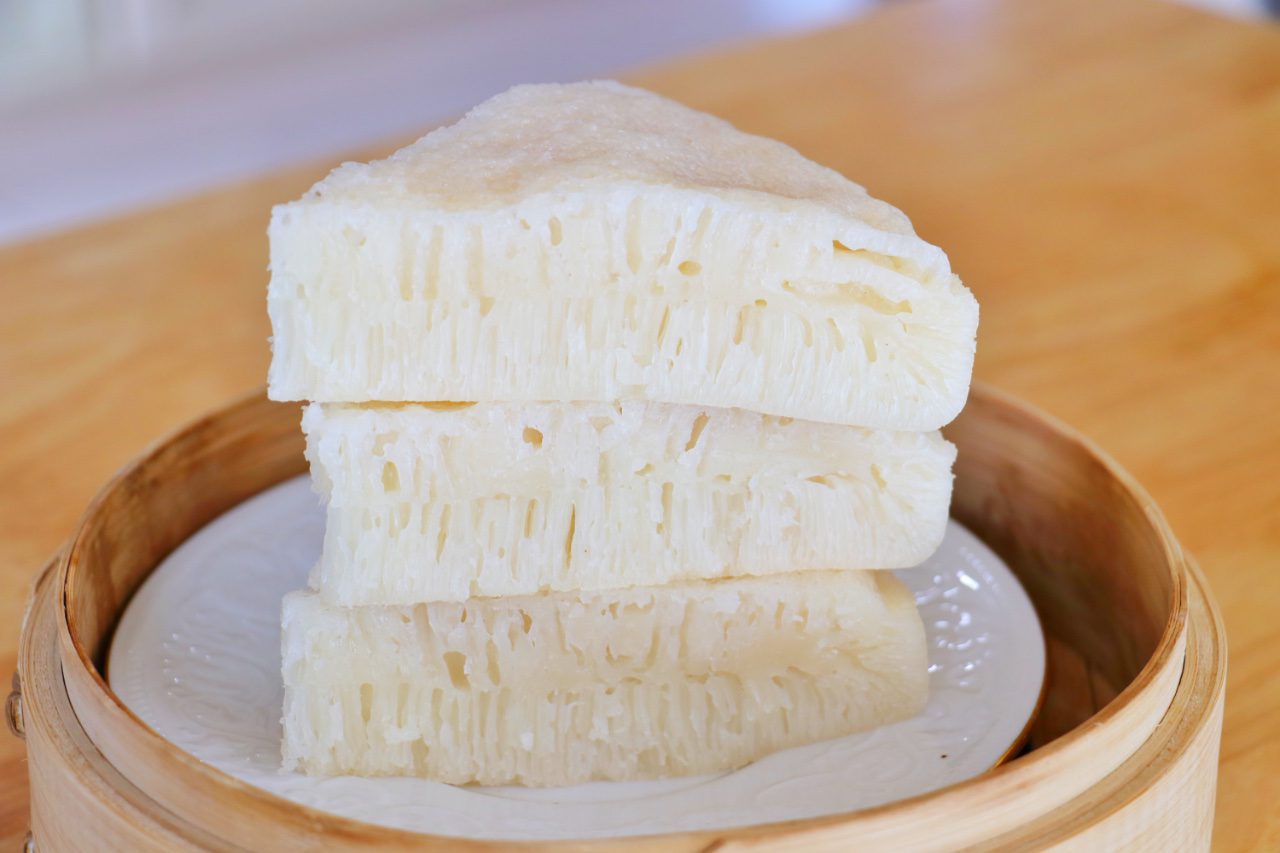
5. Steaming: The Gentle Art of Heat and Moisture
Steaming might seem like the opposite of baking, but it can produce stunning results.
Why Steaming Works
Steam provides:
- Even heat distribution
- High moisture
- Stable temperatures
This makes it ideal for:
- Sponge cakes
- Custard-style desserts
- Soft breads
Texture Differences
Steamed baked goods tend to be:
- Softer
- More tender
- Less browned
While you may miss crisp crusts, you gain unmatched lightness and moisture.
6. Pressure Cookers and Multi-Cookers
Modern appliances have quietly revolutionized oven-free baking.
Pressure Cookers
When used without pressure (or with controlled pressure), these devices act like compact ovens.
Advantages:
- Excellent heat retention
- Minimal energy loss
- Reliable temperature
Electric Multi-Cookers
Many modern cookers include:
- Cake modes
- Bake presets
- Custom temperature controls
They are especially effective for:
- Cheesecakes
- Banana bread
- Dense loaf cakes
7. Slow Cookers: Baking in Patience
Slow cookers are not just for stews.
Why They Work
- Low, steady heat
- Enclosed environment
- Long cooking times
This makes them suitable for:
- Pound cakes
- Bread puddings
- Breakfast loaves
The results are gentle and uniform, though browning is minimal.
8. Microwaves: Not Just for Reheating
Microwave baking often gets a bad reputation, but it deserves a second look.
Understanding Microwave Heat
Microwaves heat:
- Water molecules directly
- From the inside out
This changes texture dramatically.
Best Uses
Microwaves excel at:
- Mug cakes
- Small sponge cakes
- Quick breads
They are not ideal for crisp crusts but are unbeatable for speed.
9. The Skillet and Covered Pan Method
One of the oldest and most reliable techniques.
How It Works
- Thick skillet or pan
- Low heat
- Tight-fitting lid
The lid traps heat, creating an oven-like environment.
Ideal Recipes
- Skillet bread
- Cornbread
- Flatbreads
- Upside-down cakes
This method rewards patience and attention.
10. The Role of Cookware in Oven-Free Baking
Without an oven, cookware becomes critical.
Best Materials
- Cast iron
- Heavy stainless steel
- Ceramic
- Enamel-coated pans
These materials:
- Distribute heat evenly
- Retain temperature
- Reduce hot spots
Thin cookware leads to burning and uneven baking.

11. Temperature Control Without a Thermostat
No oven dial? No problem.
Practical Techniques
- Use low flame or heat settings
- Preheat pans gently
- Rotate pans periodically
- Listen and smell
Experienced bakers often rely more on sensory cues than numbers.
12. Leavening Without an Oven
Leavening behaves differently without dry circulating heat.
Adjustments to Consider
- Slightly reduce leavening agents
- Use room-temperature ingredients
- Allow longer rest times
Steam-heavy environments require balance to avoid collapse.
13. Texture, Crust, and Color: Managing Expectations
Oven-free baking produces different—but not inferior—results.
Common Differences
- Less browning
- Softer crusts
- Moister interiors
Solutions
- Finish on direct heat briefly
- Use caramelized toppings
- Brush with butter or syrup
Understanding these differences leads to better design, not disappointment.
14. Common Mistakes and How to Avoid Them
Mistake 1: Too Much Heat
High heat burns bottoms before centers cook.
Solution: Always go lower than you think.
Mistake 2: Lifting the Lid Too Often
Heat escapes quickly.
Solution: Trust the process.
Mistake 3: Wrong Pan Size
Too thick or too thin changes cooking time drastically.
Solution: Match volume carefully.
15. Creative Freedom: Why Baking Without an Oven Is Liberating
Removing the oven removes rules.
You begin to:
- Experiment more
- Observe ingredients closely
- Trust intuition
Many bakers discover that oven-free methods reconnect them with the fundamentals of cooking.
16. Professional Kitchens and Oven-Free Techniques
Even professional chefs rely on oven-free baking when needed.
Examples include:
- Steamed desserts in fine dining
- Stovetop bread in open kitchens
- Skillet-based pastries for speed
Technique matters more than equipment.
17. Sustainability and Energy Efficiency
Oven-free baking often uses:
- Less electricity
- Less gas
- Shorter cooking times
This makes it ideal for:
- Small households
- Warm climates
- Energy-conscious cooking
18. Baking While Traveling or Living Small
Oven-free baking shines in:
- Dorm rooms
- RVs
- Boats
- Studio apartments
With a single burner or small appliance, real baking is possible.
19. Teaching and Learning Through Oven-Free Baking
For students and beginners, oven-free baking:
- Teaches heat awareness
- Builds patience
- Encourages problem-solving
It turns baking into an active skill rather than a passive routine.
20. So, Can You Really Bake Without an Oven?
Absolutely.
Not only can you bake without an oven—you can bake well, creatively, and confidently. The oven is a powerful tool, but it is not the soul of baking. Heat, time, moisture, and understanding matter far more than the machine delivering them.
Once you grasp the principles, baking becomes adaptable, resilient, and surprisingly playful. You stop asking, “Do I have the right equipment?” and start asking, “What can heat do here?”
That is where real baking begins.